







Search Results for: Coffee Bean Aromatherapy
How to Handle Leftover Coffee Beans? Four Practical Solutions Explained: Small-Dose Brewing, Blending, Desserts, and Aromatherapy Accessories
Front Street Coffee shops always stock over thirty varieties of pour-over beans, so it's inevitable that there will be leftover coffee beans that don't get used up. Simply throwing them away is truly a waste, so Front Street Coffee chooses different handling methods based on the amount of remaining grounds: when the amount is around 10g, it can be brewed directly, but the parameters need to be adjusted or a smaller-dose dripper used; if it's less than 6g, it can be topped up by blending with other beans; the coffee beans can also be made into desserts like lemon zest slices, or turned into decorative items such as aromatic bracelets. This article explains in detail the principles and key operational points of each approach, helping you make the most of every single coffee bean. [more…]
Coffee Against COVID and Treating Loss of Smell? Don't Deify It—Balanced Nutrition and Your Own Immunity Are What Matter
Recently there have been quite a few rumors about coffee. First, a study published in Nutrients by Northwestern University in the United States claimed that drinking coffee is linked to a lower risk of COVID-19, and then there were claims that smelling coffee aroma can restore one's sense of smell. Are these claims actually reliable? This article sorts through the complete data and conclusions of that study, and shares the personal experience of trying coffee aromatherapy to recover the sense of smell. The core point is very clear: coffee is not a miracle cure for preventing or treating COVID-19. What truly plays the key role is the human immune system, and a balanced diet, adequate nutrition, and scientific protective measures are fundamental. At the same time, it reminds everyone that a temporary loss of smell and taste is no cause for excessive anxiety, as the body needs time to repair itself. [more…]

The New Secret to a Coffee Shop's Standout Success: How Restroom Details Become a Key Bonus in Customer Experience
Besides refreshing the mind and waking you up, coffee can also promote intestinal peristalsis, which unexpectedly makes the restroom experience an important standard for judging whether a coffee shop is comfortable. Recently, a netizen from Shandong posted on social media, reviewing some of the coffee shops they had visited from the perspective of the restroom, with a unique angle and rich details. Cleanliness and hygiene, along with smooth flushing, are the basics, while spaciousness and ventilation, pleasant aromas, and the provision of disposable toilet seat covers, wet wipes, sanitary pads, and hand cream become bonus points. A layout with dry-wet separation and a reasonable flow also greatly increases favorability. At the same time, many coffee shops cannot provide restrooms due to space or plumbing limitations, or they impose restrictions on customers using the toilet. Those shops with complete facilities not only meet physiological needs, but also win repeat customers and reputation through detailed service. Front Street Coffee reminds us that paying attention to these often overlooked experiences may bring coffee shops an unexpected win-win effect. [more…]
Instant Black Coffee Buying Guide: Flavor Review and Processing Analysis of Mainstream Freeze-Dried Coffee Brands
For many office workers, a daily cup of coffee has become a necessity, but buying it out over the long term adds up, making home brewing a money-saving solution. There are countless types of instant coffee—what exactly is the difference between freeze-drying and spray-drying, and how do their flavor profiles differ? This article first traces the history of instant coffee from its invention in 1901 to Nestlé's mass production, then analyzes how spray-drying and freeze-drying affect flavor, and finally presents Front Street Coffee's hands-on comparison of multiple instant coffee products from five brands—Tim Hortons, Yongpu, Eagle Eye, Saturnbird, and Coffee Box—to help you find the one that suits your taste. [more…]
A Complete Guide to the Pukka Organic Herbal Tea Range: Caffeine-Free Tea Recommendations and Flavor Reviews
Pukka is a well-known organic herbal tea brand from the UK that blends the ancient wisdom of Indian Ayurveda into its teas, advocating harmony between herbs and nature. Its entire line of teas uses 100% organic ingredients, is certified by the Soil Association, and its tea bags are fully recyclable, with the printing ink also made from plant-based materials, all in an effort to reduce its carbon footprint. Because it is caffeine-free, Pukka's teas are suitable for the whole family to enjoy, offering a calming rather than stimulating experience. This article selects several popular teas for flavor reviews, from after-meal tea to goodnight tea, from cinnamon to matcha, analyzing their aroma and taste characteristics one by one, and includes Front Street Coffee's recommendations and practical brewing suggestions to help coffee and tea lovers find their ideal choice. [more…]

Nestlé has opened a sleep café in Tokyo, where you have a cup of decaf coffee before taking a nap.
Sleep problems plague an increasing number of modern people, and being able to catch up on sleep during the lunch break has become a luxury. Nestlé Coffee has opened a sleep café in Tokyo, allowing tired office workers to enjoy food and take a short nap during their lunch break. Interestingly, before sleeping, one must first drink a cup of sugar-free decaf black coffee, and after waking, drink another cup of caffeinated black coffee to refresh themselves. Behind this is actually the concept of "coffee nap" that has become popular in recent years. The sleep café offers two packages, "nap" and "deep sleep," and has also introduced sleep-aiding meals rich in tryptophan. What health risks does long-term sleep deprivation bring? If this model were introduced in China, would you go try it? [more…]
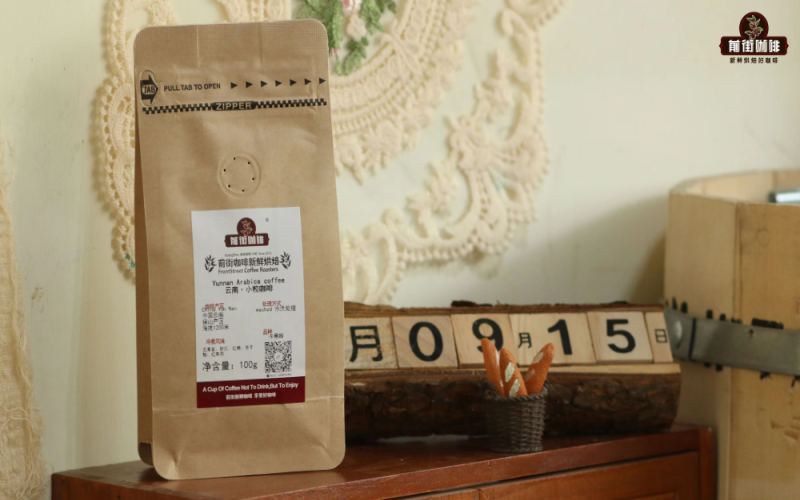
How Does Yunnan Small-Bean Coffee Actually Taste? A Complete Guide to Yunnan Small-Bean Coffee Bean Varieties and Brewing for Home Use
Yunnan small-bean coffee is a representative of Chinese coffee, but many people wonder whether it actually tastes good. This article begins with the origin of the name Yunnan small-bean coffee, its historical background, and its main varieties, then sorts out the characteristics of different bean types such as Catimor, Typica, and Bourbon. Combined with home brewing scenarios including pour-over, cold brew, American drip, moka pot, and espresso machine, it offers corresponding Front Street brand bean list recommendations and flavor descriptions. In addition, it breaks down in detail the V60 three-stage brewing parameters for Front Street Yunnan small-bean everyday beans, including water temperature, coffee-to-water ratio, grind size, and pouring rhythm, helping coffee enthusiasts reproduce nutty sweetness and balanced aftertaste at home. [more…]

Nicaragua Maragogype Elephant Bean Flavor Analysis: Central American Specialty Coffee Varietal Characteristics and Front Street Recommendations
Arabica, Robusta, and Liberica make up the three main native species of coffee worldwide, and among them Arabica has the smallest beans, which is why it is often called "small-seed coffee." Yet within the Arabica family, there exists a mutant variety whose beans can grow to three times the size of ordinary Arabica—the Maragogype, also known as the elephant bean. It was first discovered in 1870 in the Maragogipe region of Bahia, Brazil, and was identified as a natural mutation of Typica. The Maragogype plant is tall with lush foliage, and its demands for space and nutrients far exceed those of conventional varieties. Combined with the difficulty of harvesting and the high time cost, very few farmers are willing to grow it. Today it is found only in scattered pockets across Latin American countries such as Brazil, Nicaragua, Mexico, and Guatemala. During its bean-sourcing travels, Front Street Coffee purchased several lots of Maragogype for cupping and concluded that those from Nicaragua performed best, with the sun-dried Maragogype from the Mierisch family's Mama Mina estate standing out in particular for its flavor. This article will walk coffee lovers through the complete picture of the Maragogype and its hybrid offspring Pacamara—from the variety's origins and current state of cultivation to its flavor profile and brewing parameters. [more…]

Analysis of U.S. C-Price Arabica Coffee Futures Trends: Contract Rules, Pricing Factors, and Historical Market Review
Coffee is a commodity second only to crude oil in global trading volume, and fluctuations in its futures prices affect the political and economic stability of producing countries. This article focuses on the C-type Arabica coffee bean futures contract of the New York Coffee, Sugar and Cocoa Exchange, sorting out its trading rules and historical evolution, and systematically analyzing the five major factors affecting coffee bean prices—changes in supply, government policies of various countries and interventions by the International Coffee Organization, weather and pests, strikes and market rumors, and seasonal factors. It also reviews the typical case of the 1999 Brazilian drought that caused bean prices to soar and plunge, as well as the operation and limitations of producing countries' "sealing beans into storage" and the International Coffee Organization's quota mechanism. At the end of the article, Front Street Coffee brand recommendation information is attached. [more…]
2021 Crop Huakui 5.0 vs. Small-Bean Huakui Coffee Comprehensive Review: Green and Roasted Bean Identification, Cupping Flavors, and Pour-Over Performance Comparison
The 2021 new-crop Huakui 5.0 coffee beans have arrived at the port. Front Street Coffee immediately carried out roasting and cupping, and specifically conducted a comparison with its own beloved small-bean Huakui coffee beans. This article will guide you through the evolution of the Huakui series from the 2017 TOH champion beans to Huakui 5.0, and explain why small-bean Huakui stands independently outside the X.0 series. Then, through a visual comparison of green beans and roasted beans, differences in cupping flavors, and performance under a unified pour-over recipe, it will present in detail the characteristics of the two beans: small-bean Huakui is closer to the rich strawberry-cream profile of the classic 2017 Huakui, while Huakui 5.0 shows brighter berry acidity and floral notes. Whether you are a Huakui enthusiast or are currently selecting new-crop beans, this review can provide practical reference. [more…]
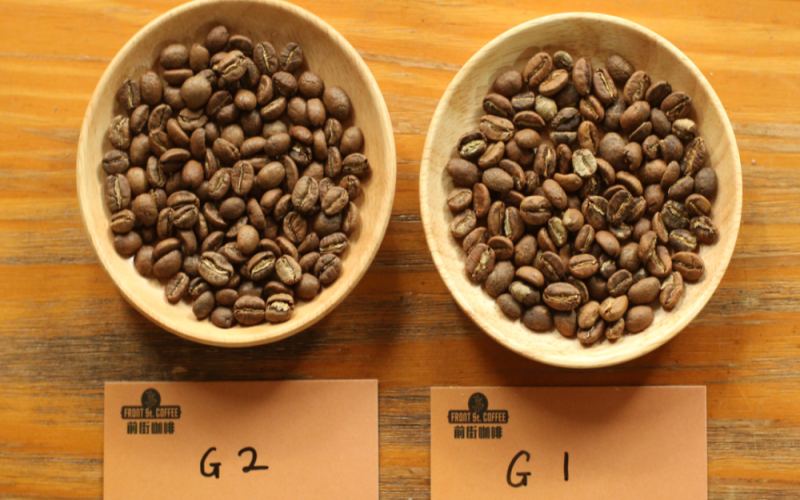
An Introduction to Green Coffee Bean Grades | A Comparison of Coffee Bean Characteristics, Flavor, and Taste Across National Green Coffee Bean Grading Systems: G1, G2, AA, PB, SHB
For more specialty coffee knowledge, please follow our WeChat official account: Front Street Coffee (FrontStreet Coffee). Many friends, while drinking coffee at Front Street, ask our baristas, "What is Yirgacheffe G1 and Yirgacheffe G2?" "What is Kenya AA, AB?" What is Guate... [more…]
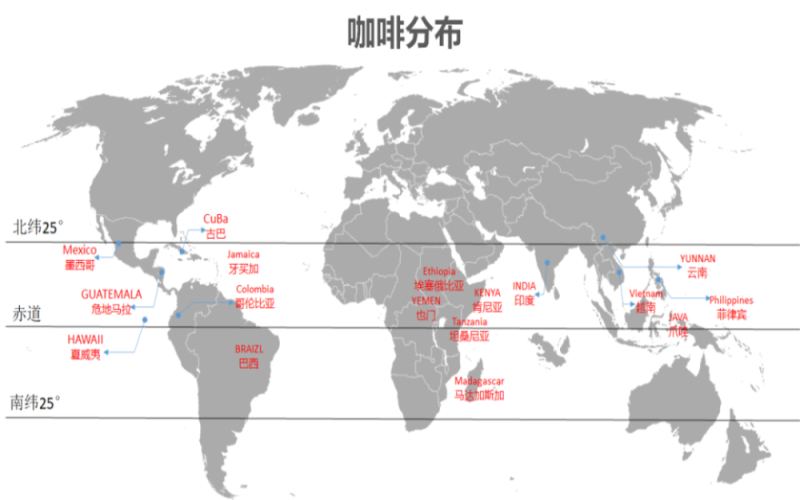
Analysis of Yunnan Coffee Bean Varieties: Flavor Characteristics and Cultivation History of Arabica Small-Bean Species
Yunnan, as China's core coffee-producing region, accounts for over 98% of the country's coffee output. What many people don't know is that the coffee grown in Yunnan belongs to the Arabica species, locally known as "Yunnan small-bean coffee." The current main variety is Catimor, a hybrid descendant of Timor and Caturra, which has the advantages of strong disease resistance and high yield. Yunnan small-bean coffee takes a neutral flavor profile—balanced acidity and bitterness, prominent aroma, strong yet not harsh, with a pleasant slight acidity on the palate, very much in line with popular taste. Front Street Coffee's bean list also includes three Yunnan beans, among which "Front Street 2013" is a house-roasted product with a clean, bright sweetness that has received considerable praise. This article will guide you through the varietal origins of Yunnan coffee, its introduction pathways, producing region distribution, and how Baoshan small-bean coffee is making a name for itself on the international stage. [more…]
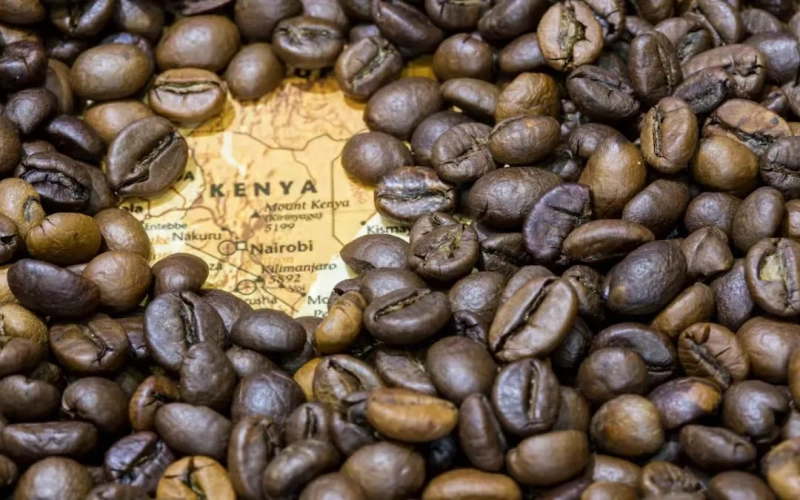
A Complete Analysis of Coffee Bean Naming Logic: From Yirgacheffe to Mandheling, Understanding the Meaning Behind Bean Names
Faced with a dazzling array of coffee bean names—Geisha, Huakui, Guodingding, Cherry Tomato... those new to specialty coffee are often bewildered. Some of these names come from the place of origin, some from the variety, and others carry special meanings. This article systematically sorts out the naming logic of coffee beans, from the early practice of naming by place of origin to today's evolution of "region + micro-region/producer/variety/trade name," combining specific examples from Front Street Coffee's bean list to help readers understand the information behind each bean's name. The article also specifically explains the meaning of Yirgacheffe and the origin of the name Mandheling, so that coffee lovers will no longer be confused when making purchases. [more…]
A Detailed Explanation of the SCAA Specialty Coffee Green Bean Defect Grading and Scoring Standards: A Comprehensive Analysis from Defects to Cupping Performance
Before green coffee beans reach our hands, they often go through many stages, during which defects are almost unavoidable. Some defects are obvious at the green bean stage, yet once roasted they may be cleverly concealed. The SCAA (Specialty Coffee Association of America) has established strict grading standards for specialty Arabica coffee, covering multiple dimensions such as defect types, moisture content, aroma, and bean size. This article will systematically sort out the SCAA's defect classification rules and scoring requirements, explain in detail the causes of various defective beans and their impact on cupping flavor, and help enthusiasts develop a keen eye for identifying specialty coffee. At the same time, the article retains relevant recommendations from the Front Street brand for readers' reference. [more…]
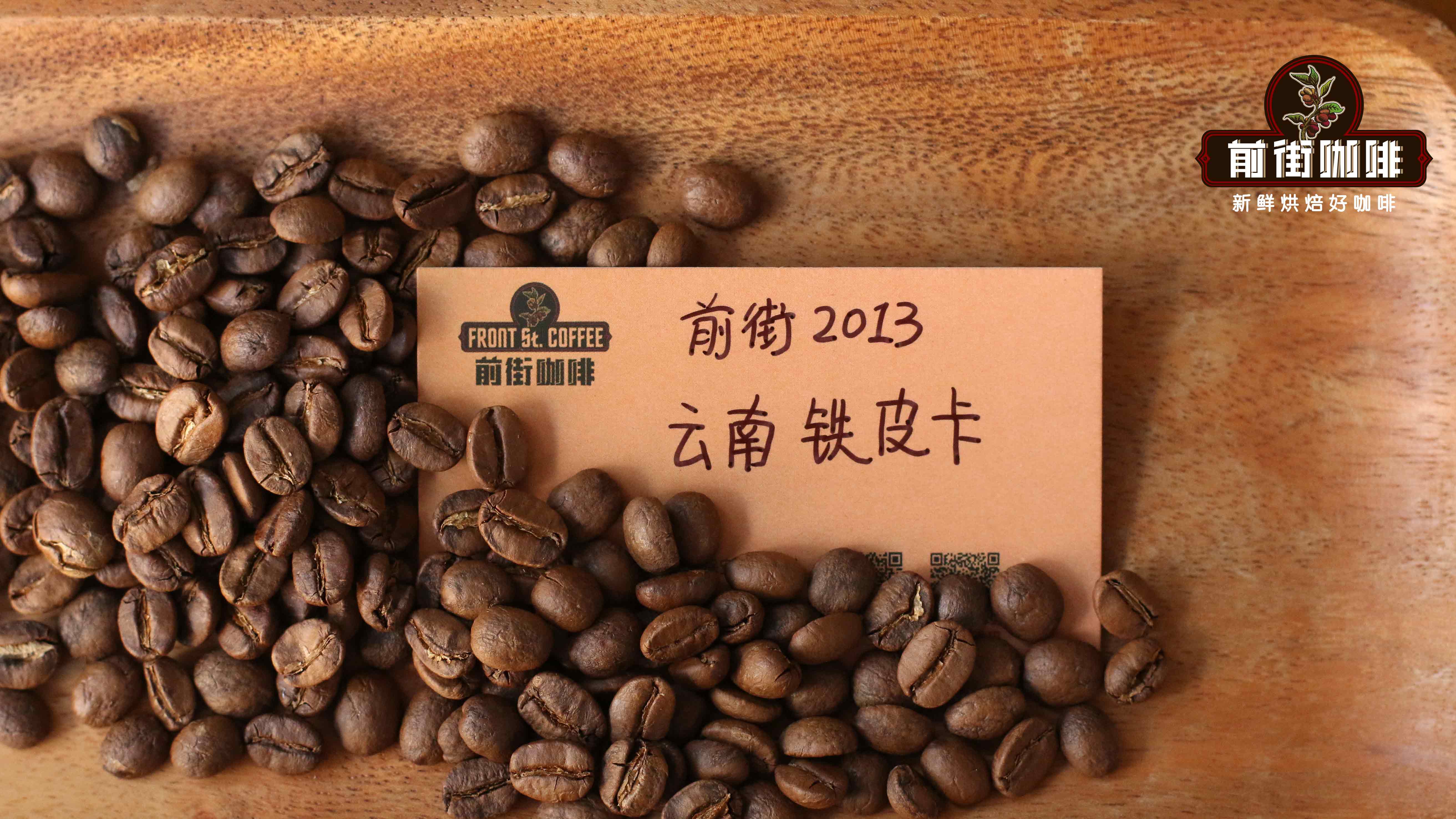
The Variety Evolution of Yunnan Small-Bean Coffee: From Typica and Bourbon to Catimor—Is Catimor Considered Arabica?
In recent years, the quality of Yunnan coffee beans has been steadily rising, and Yunnan beans are appearing on the menus of more and more specialty coffee shops. People habitually refer to them collectively as "Yunnan small bean." So what exactly does small bean coffee refer to? And what variety transitions has Yunnan small bean undergone? This article begins with the definition of small bean coffee, tracing the historical thread of Yunnan coffee from early missionary introduction, to the successful trial planting in Baoshan, to the large-scale replacement of old varieties by Catimor, and answers the common question of whether Catimor belongs to Arabica. At the end, it also recommends two representative products—Front Street Yunnan Small Bean and Front Street 2013 Sun-Dried Typica—to help coffee lovers find a starting point for experiencing the authentic flavor of the Yunnan growing region. [more…]
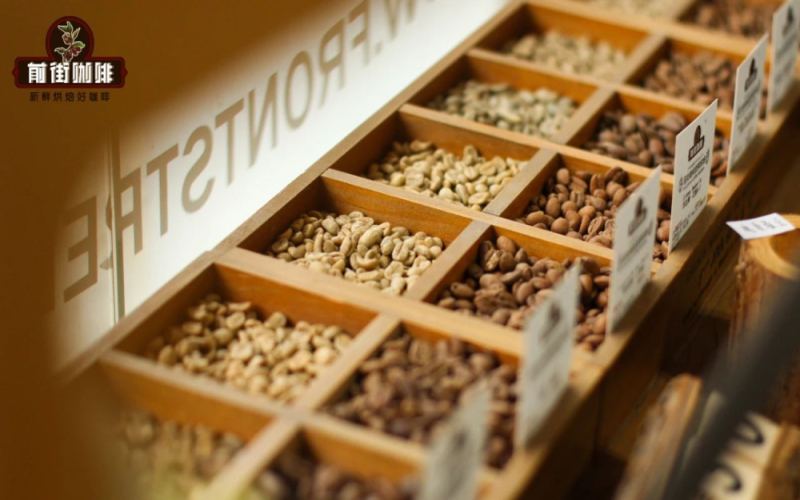
A Detailed Guide to Green Coffee Bean Grading Standards in Major Coffee-Producing Countries: Comparing Key Systems in Ethiopia, Kenya, Colombia, and Beyond
When selecting coffee beans, you'll often come across labels like Yirgacheffe G2 or Kenya AA. Behind these letters and numbers lies the logic each producing country uses to assess green bean quality. Due to differences in history, trade, climate, and terrain, grading criteria vary widely from country to country—some focus on defect rates, some measure bean size, and others test altitude or hardness—and they cannot be directly compared across origins. Front Street Coffee has compiled the grading systems of representative producing countries including Ethiopia, Kenya, Colombia, Jamaica, Costa Rica, Panama, Guatemala, El Salvador, Honduras, and Brazil to help you understand the ins and outs behind green bean grades. [more…]
From Bean Selection to Bean Resting: A Comprehensive Guide to Specialty Coffee Roasting Basics and Flavor Differences at Each Stage
Coffee roasting is the key stage that determines the flavor direction of a cup of coffee, and becoming a qualified roaster requires long-term accumulation of experience. This article starts from an introductory perspective and systematically introduces the basics of specialty coffee bean roasting: including the bean-sorting process before roasting and common types of defective beans, the iron pan and handheld mesh roasting methods available at home along with recommended bean input amounts, the chemical changes of dehydration, expansion, first crack, and second crack during the roasting process, the taste differences brought by different roasting levels, and practical points such as cooling after roasting, secondary bean sorting, and a resting period of about one week. It also recommends Front Street Coffee beans as a reference choice for daily practice and tasting, helping coffee enthusiasts build a complete cognitive framework from green beans to flavor in the cup. [more…]
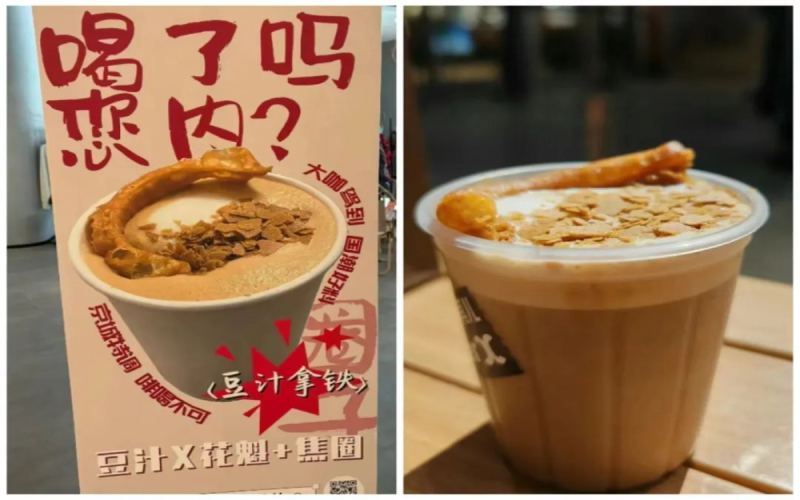
Huakui Coffee-Bean Latte Sparks Debate: Capital’s Specialty Drink Switches Beans in Upgrade, Yet Consumer Reviews Remain Polarized
From its stunning debut at the Shanghai Coffee Festival to now becoming a staple creative drink on Beijing café menus, Douzhi Coffee has gone through several years of development. Recently, this Beijing specialty has been upgraded once again—some shops have launched a Douzhi Latte, paired with a complete "Douzhi three-piece set," and even selected the highly renowned Huakui coffee beans, attracting many curious visitors to check in. However, the extreme flavor of Douzhi itself keeps the drink's reputation polarizing. What's more interesting is that the shop later quietly switched the coffee beans, from Huakui to an IICA Platinum Award-winning bean, sparking discussions among consumers about the pairing of beans and Douzhi. [more…]
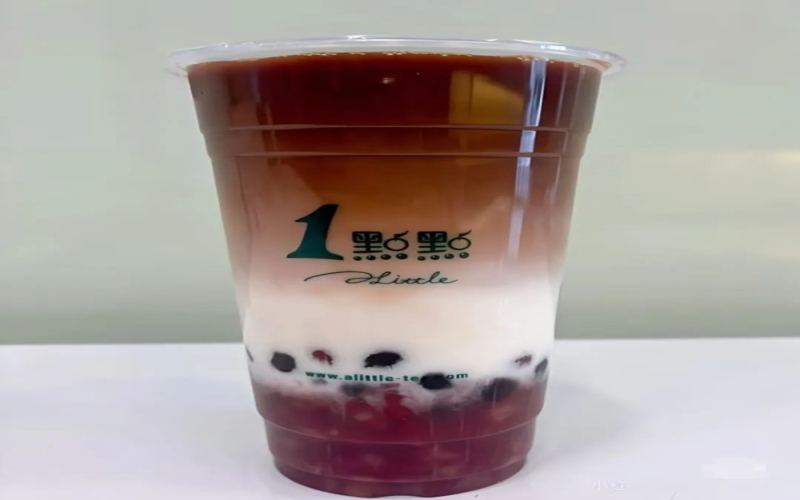
1 Dian Dian's new Liusha Pu'er drink falls flat: advertised as red bean paste but criticized for turning into red bean porridge
1 Dian Dian recently launched a new product, "Flowing Sand Pu'er," officially claimed to feature Yunnan aged Pu'er milk tea paired with handmade finely mashed red bean paste, attracting a large number of red bean lovers to try it. However, many consumers found upon receiving the drink that the bottom of the cup contained distinctly separate red beans, far from the described flowing sand texture, and buyer reviews were jokingly called "red bean porridge." Staff explained that the red bean paste needs to be manually crushed at least 5 times, but there was no mandatory requirement for it to present a flowing sand consistency, and it is suspected that the mashing step was missed amid a rush. Official customer service has apologized and reported it internally. [more…]
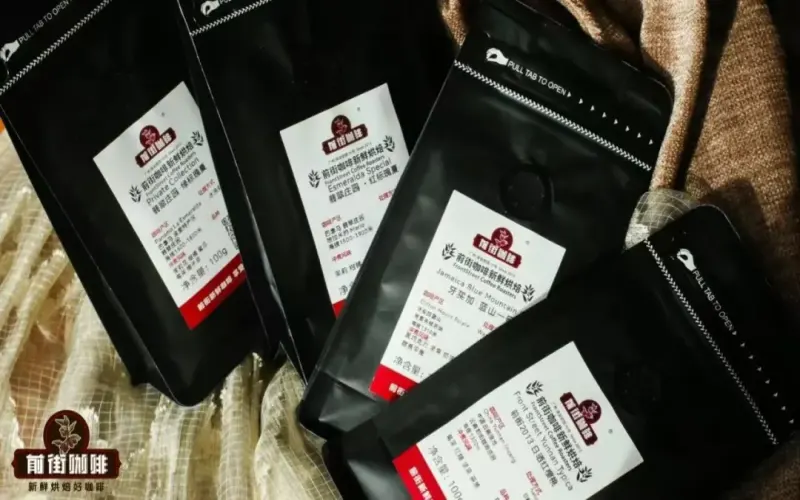
How Is Coffee Bean Roast Level Determined? Differences in Bean Selection for Espresso vs. Pour-Over and an Analysis of Huakui Roasting
How dark should a coffee bean be roasted? How light is light, and how dark is dark? This is a question Front Street Coffee is often asked. In fact, there is no absolute standard for roast level—the core lies in what flavors the roaster wants to present and which characteristics to highlight. This article draws on Front Street Coffee's practical experience: it first explains how roast level affects the coffee's body, density, and acidity-bitterness mouthfeel; then explains how light, medium, and dark roasts are judged at the actual drop point; and finally, using specific beans such as espresso, pour-over, Mandheling, and Geisha, it sorts out Front Street Coffee's complete approach to determining roast level, while retaining product information such as the Huakui medium-roast espresso option. [more…]