








What Role Does Coffee Six Hours Before Bed Play at a Sleep Café?
Nestlé Coffee Japan opened a sleep café in a busy part of Tokyo in March, giving tired office workers a place to eat and nap during their lunch break. Guests first drink an unsweetened decaf black coffee before sleeping, then have a caffeinated black coffee after waking. The format follows the coffee nap idea, and the shop sells nap and deep sleep packages with tryptophan-rich meals.
The café reflects the wider sleep economy, where pillows, masks, supplements and sleep-promoting dishes keep expanding. For anyone thinking about coffee six hours before bed, the practical takeaway is that timing and dose shape the outcome: decaf before the nap avoids stimulation, while the caffeinated cup afterward helps the person wake up and return to work.
Sleep problems plague more and more modern people, and being able to catch up on sleep during the lunch break has become a luxury. Nestlé Coffee has opened a sleep café in Tokyo, letting exhausted office workers enjoy food and take a short nap during their lunch break. Interestingly, before sleeping you first drink a cup of unsweetened decaf black coffee, and after waking you have another cup of caffeinated black coffee to perk up. Behind this is actually the recently popular concept of a "coffee nap." The sleep café offers two packages, "nap" and "deep sleep," and has also introduced sleep-promoting meals rich in tryptophan. What health risks does long-term sleep deprivation bring? If this model were introduced in China, would you go and try it?
Have you been sleeping well lately? Sleep deprivation and insomnia have become troubles faced by many people. In order to achieve better sleep quality, people keep trying various sleep-aid methods and products, and the sleep economy has flourished in recent years as a result.
From pillows and bedding to eye masks and earplugs, from medication aids to electronic devices, the boundaries of sleep products are expanding rapidly and continuing to move upmarket. Sleep-aid dishes keep emerging, and spraying sleep sprays, lighting aromatherapy candles, chewing melatonin gummies, and wearing steam eye masks have become a fixed bedtime routine for many people.
Even with a full set of gear, many people are still sleep-deprived, so the lunch break has become a chance to catch up on sleep that everyone especially treasures. But the napping conditions in offices are ultimately limited, so sleep lounges that provide lunch-break venues have emerged. Nestlé Coffee has also joined this trend.
"Wait! Isn't coffee used to wake you up? A coffee company opening a sleep lounge isn't very convincing, is it?" That's where you're mistaken! Coffee doesn't just wake you up—it can also help you sleep more soundly.
In March this year, Nestlé Coffee Japan opened a "Nestlé Sleep Café" in a bustling area of Tokyo, with the aim of letting physically and mentally exhausted workers use their lunch break or spare time to enjoy food at the shop while also taking a short nap. Is that all? Of course it's not that simple! Napping also needs a sense of ritual, and before sleeping you must first drink a cup of unsweetened decaf black coffee.
This sleep café has several independent sleep rooms, equipped with soft blankets, memory pillows of different firmness, comfortable sofas, and beds you can lie flat on, so customers can choose their way of falling asleep according to their needs. The room lighting can also be adjusted—either fully dark or kept at soft illumination—and if you like quiet, nature sounds can be played to help you fall asleep.

These sounds were recorded by Nestlé over a year in the Shirakami-Sanchi in Aomori Prefecture, Tenkawa Village in Nara Prefecture, and Naguri Valley in Saitama Prefecture, using high-spec recording equipment to capture the sounds of nature through the four seasons. The audio sources used are more than five hundred times more delicate than existing sources online, letting listeners feel more immersed, as if lying in nature falling asleep.
The sleep café offers two packages, "nap" and "deep sleep." The 30-minute "nap" package brings you a cup of caffeinated unsweetened black coffee after you wake up, priced at 825 yen (about 41 yuan); the 60-minute "deep sleep" package provides a cup of unsweetened decaf black coffee before you sleep to help you fall asleep, and after waking gives another cup of caffeinated unsweetened black coffee to perk you up, priced at 1,650 yen (about 82 yuan). Not enough sleep in an hour? You can extend the sleep time, charged at 825 yen (about 41 yuan) per 30 minutes.
Worried you'll be too comfortable and oversleep? You won't! When the time is up, a staff member will gently wake you.
The experience duration and flow set by the "Nestlé Sleep Café" actually come from the recently popular concept of "Coffee Nap." The principle is that when the brain operates, it naturally secretes a chemical called "adenosine," which slows down nerve cells and makes people feel sleepy. Caffeine can block the action of adenosine, which is why it has a stimulating effect. However, caffeine takes about 30 minutes to take effect, so if you drink a cup of coffee before sleeping and then take a short nap, the sleep process can also clear excess adenosine, making you feel more refreshed when you wake up.
The basic principles of living well include not only sleeping well but also eating well. Under the guidance of Hiroshima University professor Lin Guangxu, who studies sleep health, the café has also launched tryptophan-rich meals such as "spicy shrimp rice," "steak vegetable salad," and "grapefruit caramel crème brûlée," which help calm the mind and improve sleep quality.
Since the "Nestlé Sleep Café" opened, many people have gone there every day to sleep, showing that life is indeed not easy for everyone. According to feedback from netizens who have experienced it, this really does let you rest well for a short while, probably because the environment makes people relax.
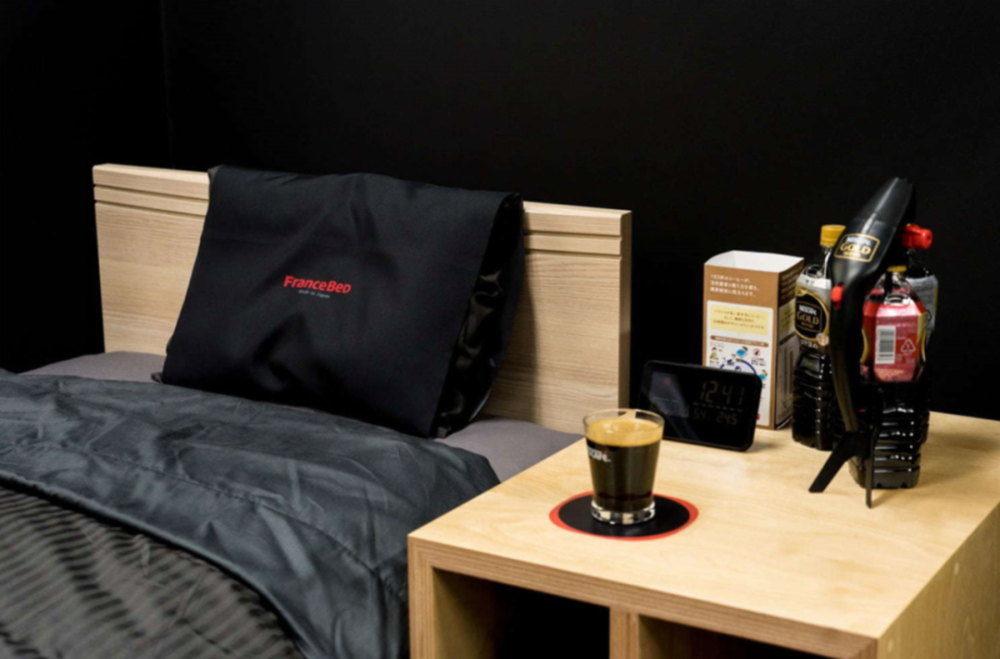
Work and life have given us a sense of "resistance" toward office and home environments, which is why we can't rest well or get enough sleep for long periods. But changing environments really does help a lot, especially paired with nature sounds, which truly make people very relaxed and calm their emotions considerably.
If such a sleep café opened in China, would you be willing to try it?
" Aside "
Many friends reading this may think these consumers are being "overly dramatic," but for people with insomnia, being able to sleep well for one hour is already incredibly precious!
As society keeps developing, everyone not only lacks sleep but also has unstable sleep schedules. Although we have the idea of "catching up on sleep," meaning the habit of staying up late on workdays and sleeping for long hours on weekends or holidays, this can hardly repay the "sleep debt" accumulated from staying up late normally, and may even be more serious than the bodily dysfunction caused by continuous sleep deprivation. It also makes you more tired the more you sleep, and after getting up you may experience dizziness, headaches, and muscle aches.
Besides sleep deprivation among adults, the problem of sleep deprivation among adolescents is equally serious. According to the "2019 White Paper on the Sleep Index of Chinese Adolescents and Children" released by the Chinese Sleep Research Society on this year's World Sleep Day, 62.9% of adolescents and children sleep less than 8 hours, and among junior and senior high school students this proportion reaches 81.2%, also due to stress and anxiety.
You may think these are very normal things, but long-term sleep disorders increase the risk of cardiovascular and cerebrovascular diseases. People with various sleep disorders in China account for about 38% of the population, higher than the world average of 27%.
Some domestic research reports point out that both insufficient and excessive sleep can damage memory. Sleeping less than 6 hours increases the risk of coronary heart disease or stroke by 11%, and proteins related to Alzheimer's disease grow exponentially; people who sleep more than 9 hours a day also have significantly more Alzheimer's-related proteins and are similarly prone to memory decline.
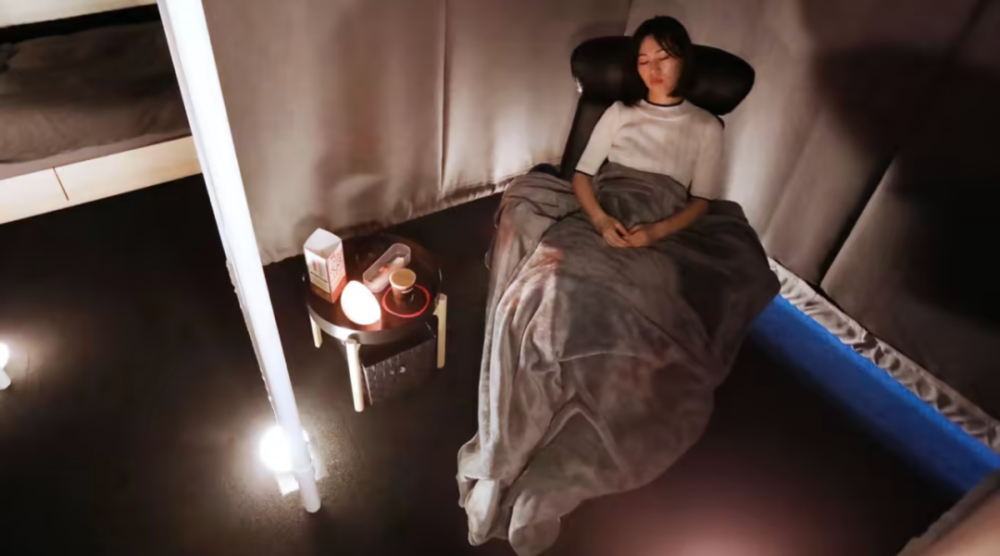
Although many sleep-aid products and methods are constantly being developed and promoted, the one who tied the bell must be the one to untie it. If you truly cannot regulate your state or sleep on your own for a long time, we need to pay more attention to mental health issues and seek treatment from relevant professionals as soon as possible.
Although coffee can refresh you and help you sleep, it is not a miracle drug, and it is still best not to rely on it excessively or consume too much.
Image source: Internet
For professional coffee knowledge exchange and more coffee bean information, please follow Coffee Workshop (WeChat public account cafe_style)
For more specialty coffee beans, please add the private WeChat of Front Street Coffee (FrontStreet Coffee), WeChat ID: qjcoffeex
The above content is compiled by CoffeeHunters, a coffee news website.


