







Search Results for: grade
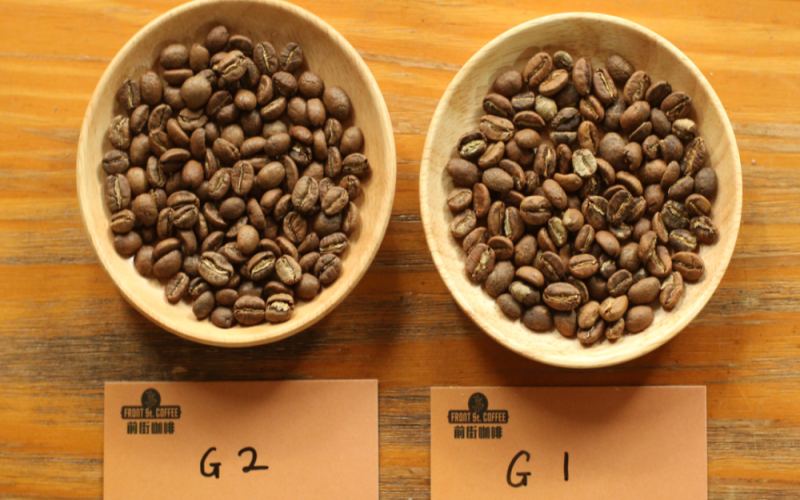
An Introduction to Green Coffee Bean Grades | A Comparison of Coffee Bean Characteristics, Flavor, and Taste Across National Green Coffee Bean Grading Systems: G1, G2, AA, PB, SHB
For more specialty coffee knowledge, please follow our WeChat official account: Front Street Coffee (FrontStreet Coffee). Many friends, while drinking coffee at Front Street, ask our baristas, "What is Yirgacheffe G1 and Yirgacheffe G2?" "What is Kenya AA, AB?" What is Guate... [more…]
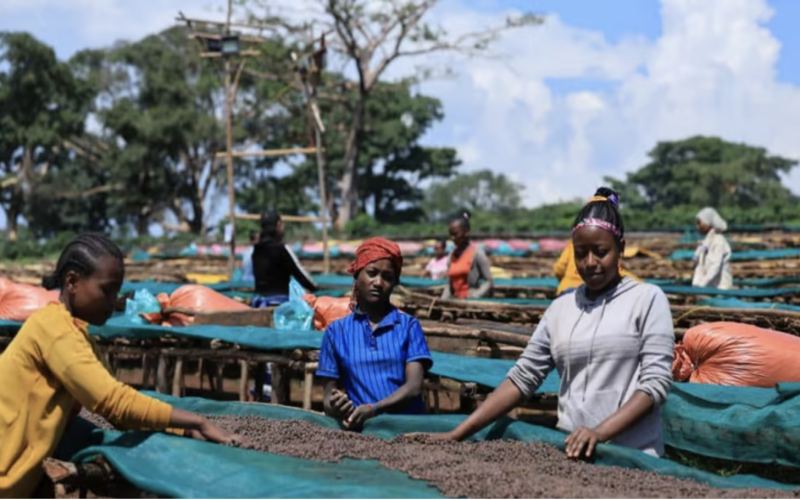
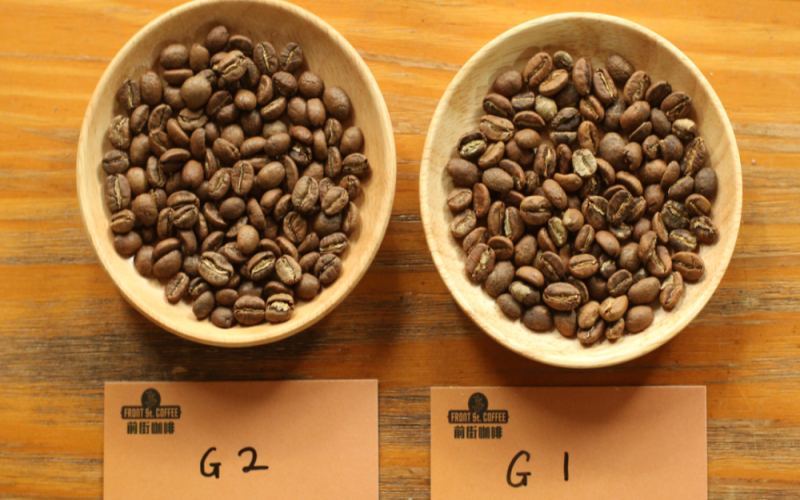
The grading system of Ethiopian coffee beans, the Yirgacheffe G1 and G2 grades.
We know that the grading method of coffee beans usually depends on the actual situation of the growing country, such as being divided according to the size of the coffee beans, like Kenyan coffee; being divided according to the altitude, like Blue Mo [more…]
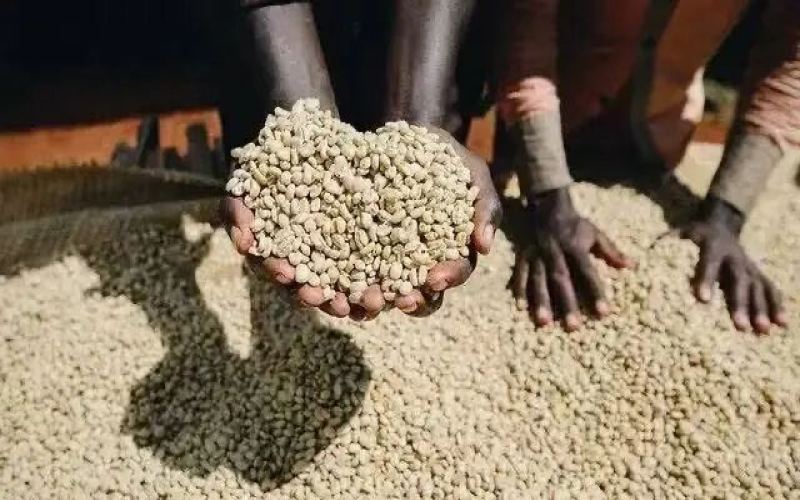
kenya coffee|What do Kenya coffee AA, AA+, and Top mean? What are the green bean grading standards for Kenyan coffee?
Friends who frequently buy coffee beans will surely notice that most coffee bean names are followed by English suffixes such as AA and AB. This is especially true for Kenyan coffee beans—Kenya AA, Kenya AB, Kenya PB, Kenya AA+, Top, and so on. "So what do these suffixes mean? [more…]
A Detailed Guide to Jamaican Blue Mountain Coffee Grades: Grade 1, Grade 2, Grade 3 Specifications and Authentic Price Reference
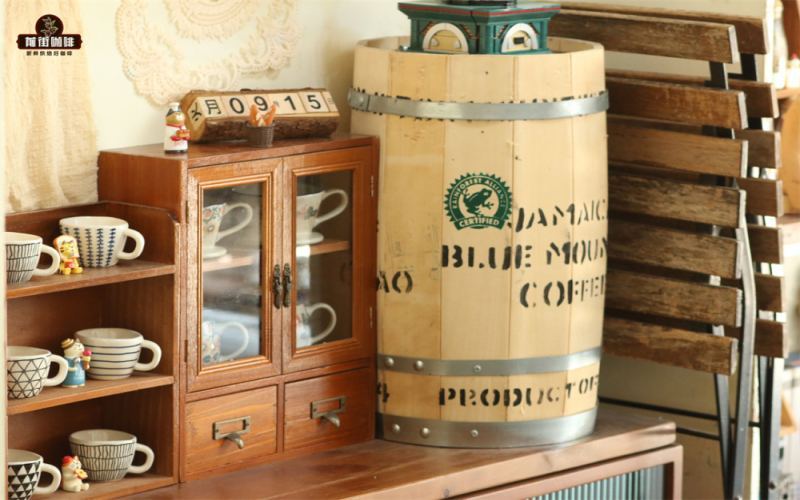
Jamaican Blue Mountain coffee is world-renowned for its unique flavor and strict controls. Jamaican law stipulates that only coffee beans grown in the Blue Mountain region may bear the name "Blue Mountain." High-grade Blue Mountain coffee is divided into three grades—No. 1, No. 2, and No. 3—corresponding respectively to screen size standards of 17–18 mesh and above, 16 mesh, and 15 mesh. The green beans of all three grades must be packed into wooden barrels for export, with the barrel bearing the estate name, importer's abbreviation, and batch information, along with a government-certified green certificate of origin. Understanding these grades and export regulations helps coffee enthusiasts verify authenticity and make informed purchases of genuine Blue Mountain coffee. Front Street Coffee recommends that consumers pay attention to the roast level and packaging format to judge the true quality of the Blue Mountain coffee in their hands. [more…]

Yirgacheffe Coffee Grading | Is There a Big Difference Between G1 and G2 Yirgacheffe Single-Origin Beans? Must-Buy Light Roast Pour-Over Coffee Beans for Coffee Lovers
We know that coffee bean grading methods are usually based on the actual conditions of the growing country. Some are graded by bean size, such as Kenyan coffee; some by altitude, such as Blue Mountain coffee; and some by defect rate, such as Ethiopian coffee. As the gene pool of Arabica, Ethiopia has a wide variety of coffee varieties. [more…]
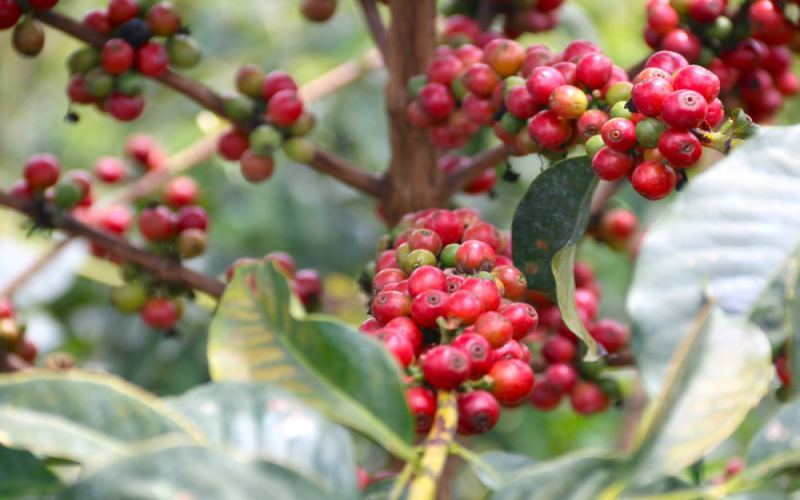
How Are Kenya Coffee AA and AA+ Grades Distinguished? A Detailed Explanation of Kenya Coffee Bean Grading Standards and Flavor Characteristics
Kenyan coffee is famous for its bright fruit acidity and rich flavors, making it a favorite among many coffee lovers. But when faced with grading labels such as AA, AA+, and AB, many people feel confused. From the perspective of Front Street Coffee, this article sorts out the development of Kenya's coffee industry, analyzes the origins and specific standards of its grading system, focuses on explaining the differences between AA grade and AA+ grade, and introduces the impact of the K72 washed processing method on flavor. At the end, it also includes the origin information and brewing parameters of Front Street Kenya Little Tomato coffee beans for daily reference. [more…]
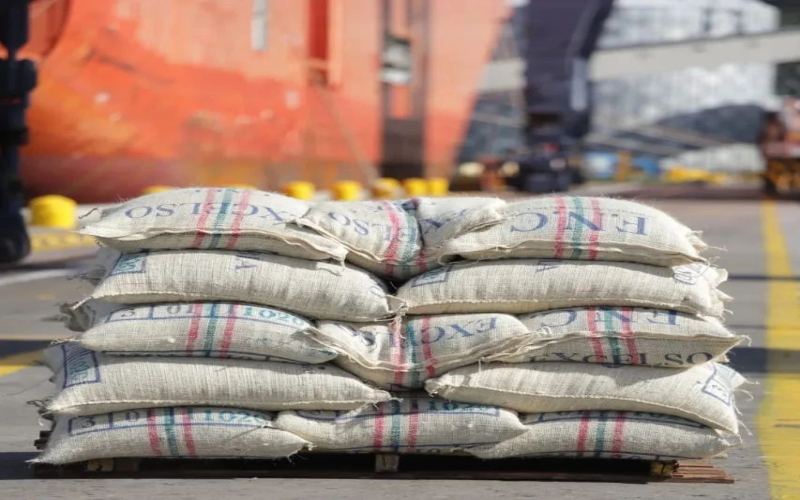
A Detailed Explanation of Colombian Green Coffee Bean Grading: The Meaning of Excelso and Supremo, and Front Street Brand Recommendations
Colombian coffee occupies an important place in the world of specialty coffee, and its green bean grading system is based primarily on defect rates and bean screen size. When buying Colombian coffee, what exactly do the words "Supremo" and "Excelso" commonly seen on burlap sacks mean? This article will systematically sort out the grading rules for Colombian green coffee beans from multiple angles, including export standards, defect scoring, and screen-size classification, and explain the specific differences among the three grades UGQ, EP, and Supremo. At the same time, the article will also introduce common Colombian coffee bean brands on the market, including product information recommended by Front Street Coffee, to help coffee lovers more clearly understand the grade and quality of the bag of beans in their hands. [more…]
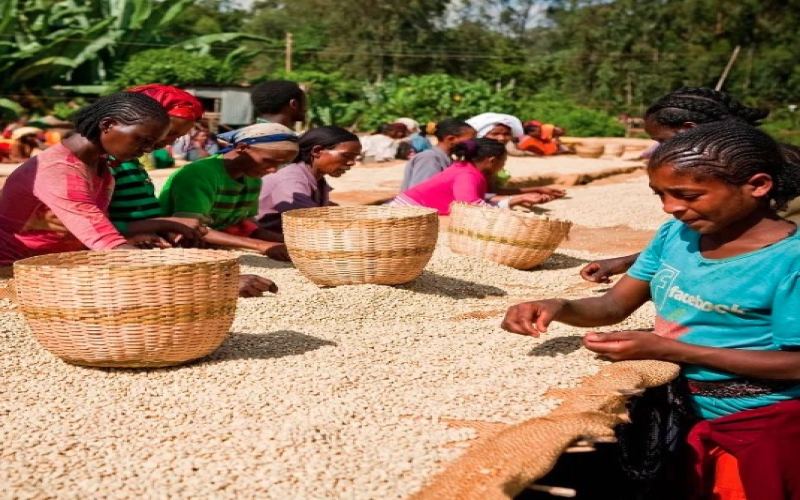
Coffee Grading | What are AA and AB in Kenya? What is the difference between AA TOP and AA?
Previously, we talked about the coffee grading in Ethiopia. Today, let's take a look at what the coffee grading in Kenya is like! After all, when we see Kenyan coffee, we will see things like AA and AB. What exactly do these refer to? What is AA TOP? [more…]
埃塞俄比亚咖啡豆分级体系详解:耶加雪菲等级划分与拍卖制度内幕
埃塞俄比亚作为咖啡的发源地,其咖啡豆分级体系在非洲产国中最为完善,却也让许多爱好者感到困惑。以耶加雪菲为例,Grade-1和Grade-2究竟意味着什么?为什么同样标注耶加雪菲G2的两批豆子品质可能天差地别?本文将深入解析埃塞俄比亚独特的产地命名规则、水洗与日晒豆的等级差异、Parchment Coffee拍卖分级制度,以及出口商混合拼配如何影响最终品质。文中特别涉及前街耶加雪菲Grade-2等实际案例,帮助你真正读懂埃塞豆的等级密码。 [more…]
埃塞俄比亚咖啡风味与产区品种解析:柑橘花香、豆相特征及分级制度
埃塞俄比亚是阿拉比卡咖啡的基因宝库,其咖啡以独特的柑橘香气和浓郁花果调闻名于世。然而,这片土地上的豆貌却常显得参差不齐,日晒豆尤其容易烘焙不均。本文将带您深入了解埃塞俄比亚咖啡的风味特征、品种多样性、豆相辨识方法以及严格的分级制度,同时解析水洗豆与日晒豆的稳定性差异,帮助咖啡爱好者在选购时做出更明智的判断。 [more…]
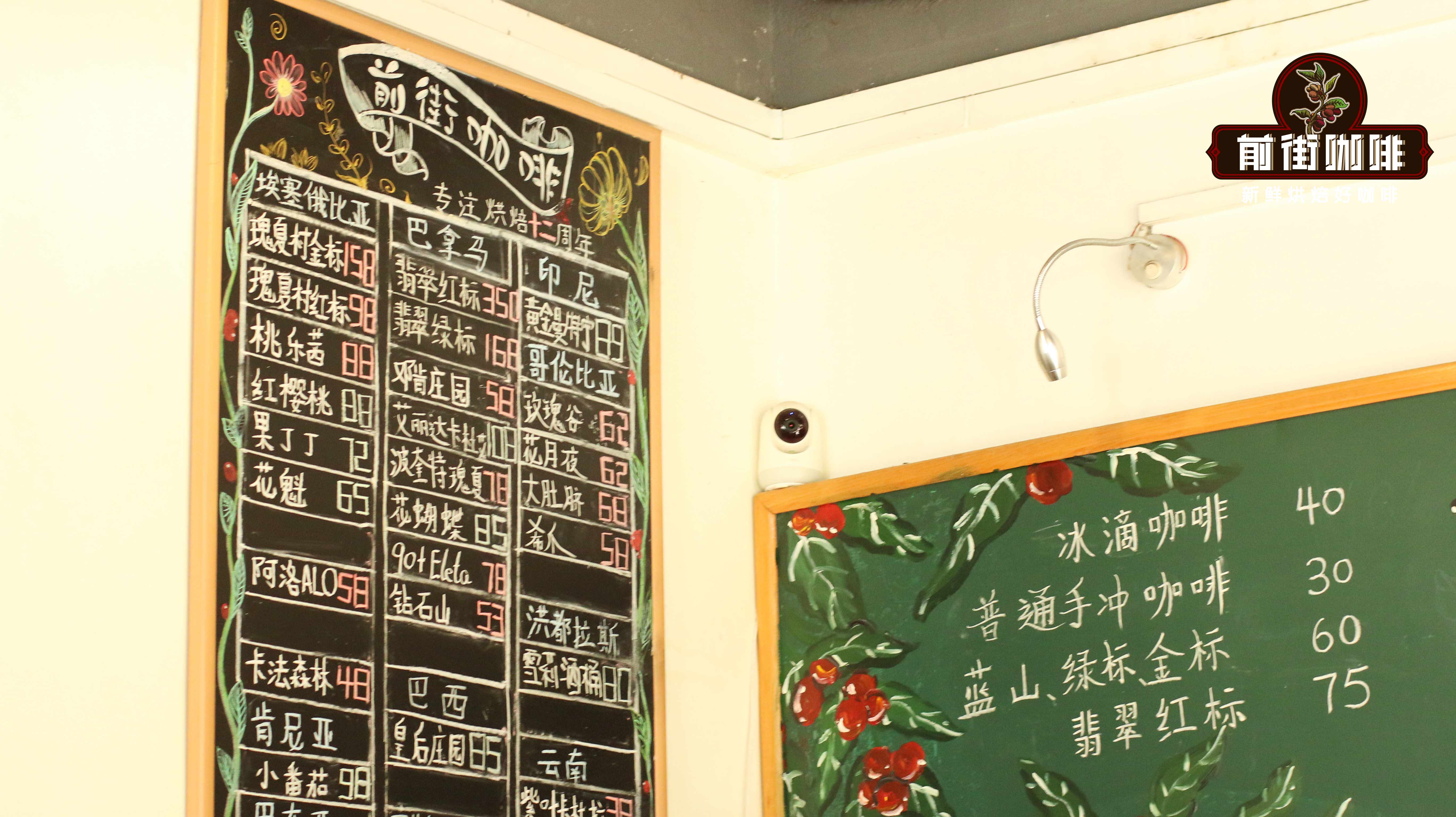
Colombia Coffee Prices | What Are the Differences Between Different Grades of Colombian Coffee Beans? What Are the Characteristics of Colombian Washed Coffee?
For more specialty coffee knowledge, please follow: Front Street Coffee (Frontsteet Coffee). When Colombian coffee beans are mentioned, the delicate berry-like sweet acidity, the aroma of roasted nuts, and the caramel-like finish, with a balanced coffee flavor, make many newcomers to pour-over coffee can't help but exclaim: This is just too [more…]

A Comprehensive Interpretation of the Quality Characteristics and Grading Standards of Yunnan Coffee Beans
As the core production region for China's domestic coffee, Yunnan's coffee bean quality and grading system have always attracted much attention. From the perspective of Front Street Coffee, this article systematically reviews the history of coffee cultivation in Yunnan, the current state of varieties, and the existing grading standards, while exploring in depth the opportunities and challenges Yunnan coffee faces on its path toward specialty status. At the same time, drawing on its own planting experience in Lincang, Yunnan, Front Street recommends representative washed and natural Yunnan arabica coffees, offering coffee lovers a reference for understanding the regional taste of Yunnan. [more…]

耶加雪菲咖啡豆G1与G2等级含义详解:从原生种到分级标准全解析
耶加雪菲咖啡豆常标有G1、G2等字样,这些等级究竟意味着什么?本文从前街咖啡的视角出发,先介绍埃塞俄比亚“当地原生种”的由来——该国拥有上万种未完全鉴定的传家宝品种,再详细解读耶加雪菲的分级制度:以瑕疵率定级,水洗与日晒处理各对应不同等级范围,并说明ECX与SCAA杯测如何将G1至G3细分为Q1、Q2精品及商业级。文中还梳理了耶加雪菲产区的海拔、合作社与微产区特点,并附上前街日晒红樱桃、水洗果丁丁及水洗口粮豆的产品信息,帮助读者全面理解耶加雪菲的等级体系与风味多样性。 [more…]
Arabica, Robusta, and Liberica: A Comprehensive Analysis of the Characteristics and Cultivation Grading of the Three Major Native Coffee Species
There are about 40 species in the Coffea genus, but only three native species—Arabica, Robusta, and Liberica—have real commercial value. They differ markedly in appearance, flavor, disease resistance, suitable altitude, and cultivation conditions: Arabica is elegant yet delicate, Robusta is hardy and intense, while Liberica is limited to localized trade in West Africa. Starting from botanical characteristics, this article systematically sorts out the origin distribution, climate and soil requirements, the complete cultivation process from sowing to harvesting, and the grading systems that producing countries have formed based on altitude, screen size, and defect bean ratios. Whether you are new to specialty coffee or want to understand the logic of origins more deeply, this foundational knowledge will help you more clearly judge the variety and terroir code behind the flavor in your cup. Front Street Coffee will also combine the key points in this article to recommend directions for your everyday purchases. [more…]
咖啡豆等级标识G1、G2究竟指什么?各国分级体系一次看懂
选购咖啡豆时,包装袋上常出现AA、G1这类字母标识,它们其实代表不同产地的生豆分级体系。本文前街将带你了解埃塞俄比亚按瑕疵豆比例划分的G1至G5等级,以及ECX成立后结合物理特征与杯测评分的九级分类方式,另外还会介绍肯尼亚以颗粒大小区分的AA、AB、PB等八个等级,并简要提及哥伦比亚、牙买加、巴西等国的分级依据,帮助你在买豆时更清楚这些标识背后的含义。 [more…]
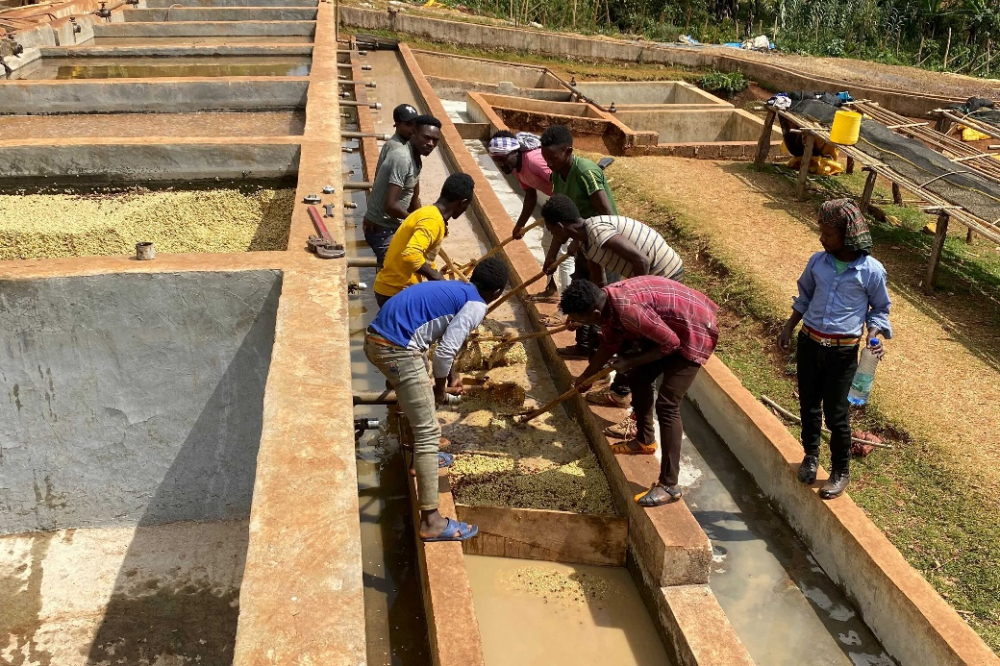
Top Ten Coffees in the World | Which brand of coffee beans tastes best? Which single-origin beans have high reputation and good quality? Which coffee beans can coffee beginners start with?
For more specialty coffee knowledge, please follow: Front Street Coffee (Frontsteet Coffee). At Front Street Coffee (FrontStreet Coffee), the coffee beans produced by the physical stores offer over 50 different coffee beans from various origins, satisfying different tastes. [more…]
Complete Guide to Arabica Coffee: Origins, Variety Characteristics, and Processing Method Flavor Guide
Coffee belongs to the Rubiaceae family, with over a hundred known species, but commercial cultivation is dominated by three major types: Arabica, Robusta, and Liberica. Among them, Arabica, with its outstanding aroma and flavor, accounts for over seventy percent of global production and is the core raw material for single-origin and specialty coffee. This article will systematically review the varietal characteristics, advantages and disadvantages, and sub-varieties of Arabica, and introduce one by one the cultivated varieties, processing methods, grading standards, and flavor profiles of representative producing countries such as Brazil, Colombia, Panama, Guatemala, Costa Rica, Jamaica, Ethiopia, Kenya, and Indonesia. It will also incorporate Front Street Coffee's sourcing experience and recommendations to help coffee enthusiasts build a complete framework for understanding origins. [more…]
Mandheling Coffee Flavor Characteristics | Is Authentic PWN Golden Mandheling Coffee Expensive? Recommended High-End Dark Roast Single-Origin Coffee Beans for Pour-Over, Moka Pot, and Siphon
Mandheling coffee is produced on the island of Sumatra in Indonesia, Asia, and is also known as "Sumatra coffee." It has a rich taste, combining aroma, bitterness, sweetness, and mellow body, with a slight smoky flavor, making it a favorite of many. Compared with other Indonesian coffees, Mandheling is often drunk as a single-origin black coffee because of its mellow aroma, and generally it is not [more…]
An In-Depth Analysis of Kenyan AA Coffee: Origin Terroir, Grading System, and the Causes of Its Bright Fruit Acidity
On the African continent, beyond Ethiopia, Kenya is equally a presence that cannot be overlooked in the specialty coffee landscape. Anyone who has come into contact with specialty coffee, after experiencing how remarkably vivid coffee acidity can be, will almost always ask the same question: where does the coffee with the most prominent acidity come from? The brewers at Front Street Coffee often point to Kenya in their answer. Kenyan coffee is renowned for its clean and translucent cup, full and rounded body, and highly recognizable fruity acidity, conquering the taste buds of countless coffee lovers. This article will systematically review Kenya's coffee-growing terroir, historical evolution, characteristics of the top ten producing regions, and official grading standards. Using the washed fermentation process as an entry point, it will explain the reasons behind the formation of its signature flavors, and finally include the specific brewing recipe for Front Street Kenya Azalea for reference. [more…]
咖啡生豆分级标准详解:埃塞G1、肯尼亚AA、蓝山No.1与SHB等级各有何讲究
经常有咖啡爱好者在店里询问,埃塞俄比亚的G1和G2究竟差在哪里,肯尼亚AA又代表什么含义,哥斯达黎加的SHB等级意味着什么。这些字母与数字的组合,实际上反映了各产国对咖啡生豆品质的评定方式。不同产地因历史、贸易、气候和地形差异,形成了各自的分级体系,评判标准涵盖瑕疵比例、豆粒尺寸、种植海拔、生豆密度以及处理方式等多个维度。本文将系统梳理咖啡分级的由来,并逐一介绍埃塞俄比亚、肯尼亚、哥伦比亚、牙买加、哥斯达黎加、巴拿马、危地马拉、萨尔瓦多、洪都拉斯和巴西等代表性产国的生豆等级标准。 [more…]