







Why Are Coffee Beans Roasted, and Who Decides the Level?
Coffee beans are roasted to develop the aromas and flavors people expect in the cup. Green coffee beans spend roughly ten minutes in a high-temperature roaster, undergoing chemical changes that alter size, moisture content, color and mouthfeel. There is no absolute standard for roast level: the choice rests on which traits the roaster wants to highlight in the finished coffee.
Front Street Coffee sets roast level by deciding what kind of cup a bean should make, then testing roast profiles and picking the plan that fits. Light, medium and dark roasts are judged at the actual drop point rather than by color alone. Beans such as espresso blends, pour-over options, Mandheling and Geisha each get separate treatment, including a medium-roast espresso choice for Huakui.
How dark should a coffee bean be roasted? How light is light, and how dark is dark? This is a question Front Street Coffee gets asked often. In fact, there is no absolute standard for roast level—the core lies in what flavors the roaster wants to present and which characteristics to highlight. This article draws on Front Street Coffee's hands-on experience, first explaining how roast level affects the coffee's size, density, and acidic-bitter taste, then explaining how light, medium, and dark roasts are judged at the actual drop point, and finally, using specific beans like espresso, pour-over, Mandheling, and Geisha, sorting out Front Street Coffee's complete approach to determining roast level, while preserving product information such as the medium-roast espresso option for Huakui.
Should a coffee bean be dark roasted or light roasted? If choosing light roast, exactly what stage should it be light to; if choosing dark roast, exactly how dark should it be? For the coffees Front Street Coffee sells, on what basis are their roasting curves determined? This is a question Front Street Coffee receives frequently.
To be honest, there's no need to over-mystify coffee roasting. It's similar to our everyday cooking—what kind of dish you want to make from an ingredient ultimately depends on the chef's own vision. In short, whether a coffee bean should be roasted dark or light depends on "what kind of cup the roaster wants to make with it," or "which trait they want to highlight." Thinking from these two directions, arriving at a goal, then roasting the coffee, and finally selecting the optimal plan—this is Front Street Coffee's complete process for finalizing a bean's roast level.
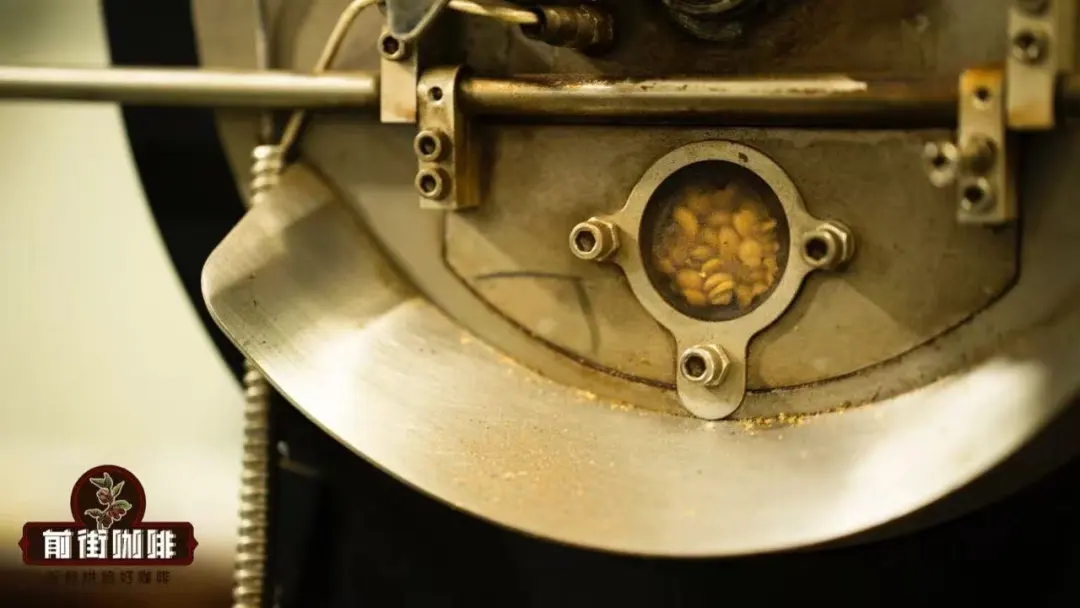
If that's hard to grasp, no worries—next, Front Street Coffee will share some ways of thinking about judging roast level. But before getting to the main topic, we need to briefly understand what effects roast level has on coffee, and what degree counts as light versus dark. Coffee Bean Roasting So-called coffee roasting can be understood as the process of heating the beans to release alluring aromas and flavors—not essentially different from roasting peanuts or nuts. Green coffee beans stay in a high-temperature roaster for about ten minutes or so, during which they undergo multiple chemical changes from the high heat. These changes affect the bean's size, moisture content, color, mouthfeel, taste, density, and aroma, among many other aspects. Generally, the darker the roast, the more the bean expands, the lower its density and moisture content, and the more its taste leans bitter; conversely, the lighter the roast, the less the bean expands, the higher its density and moisture content, and the more prominent the acidity in its taste.
There is actually no very clear standard for coffee bean roast level. Although internationally there are methods like French roast, Japanese roast, and Viennese roast that distinguish roast level based on the Agtron color value (the color number of the bean surface or ground coffee), these can only serve as reference. In actual roasting, the bean surface color will show different degrees of difficulty in browning depending on the processing method and roasting method. For example, Front Street Coffee's Front Street Finca La Divisa · Sidra from its bean list is an anaerobically sun-dried coffee bean. Because more sugars adhere to the bean surface during processing, this bean browns more easily than most conventionally processed coffee beans.
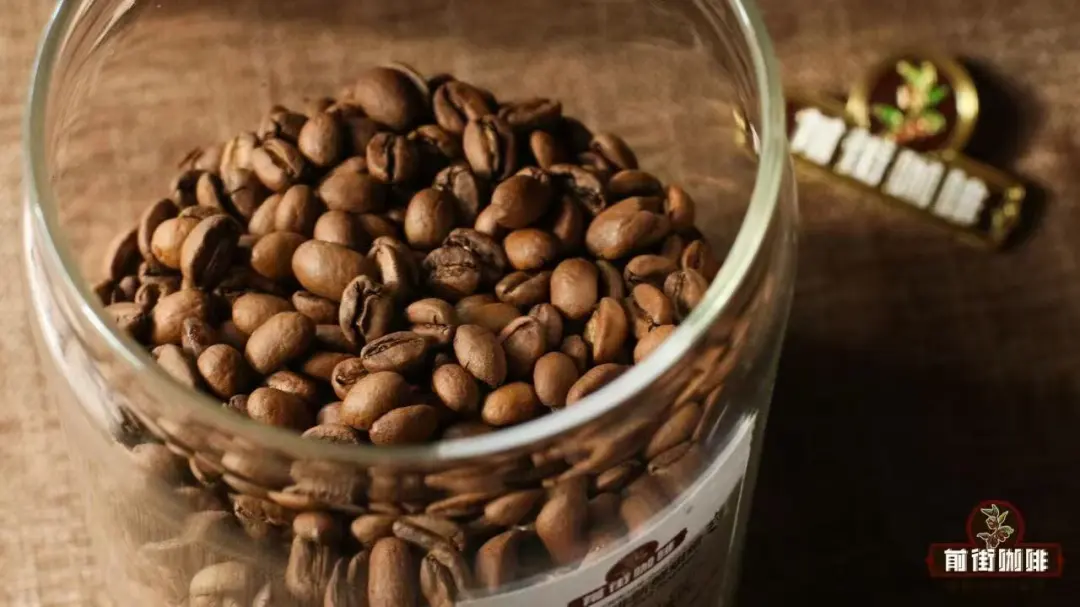
The color value Front Street Coffee measured is 59. If judged by the SCAA's Agtron color card, it already counts as a dark-roasted coffee bean. But in reality, it also has very rich floral and fruity acidity, such as grape, passion fruit, apricot, and florals. So if it were defined as a dark roast, many friends would probably misunderstand it, assuming it's a bitter coffee with no acidity and only burnt aroma. Therefore, our definition of roast level is judged more from its taste and the roasting progression of the coffee bean. For example, light roast refers to roasting where the beans are dropped in the range from after first crack to just as first crack ends; the beans dropped at this point, because the organic acids haven't been fully broken down and there isn't much burnt aroma, will have acidity as the dominant taste in the coffee, with relatively less bitterness and a light mouthfeel;
Medium roast generally refers to the period from the end of first crack to before the start of second crack. At this point, the beans dropped have undergone more caramelization and Maillard reactions, so the proportion of acidity in the coffee is no longer as much as with a light roast, but a certain fruity acidity is still retained. The taste leans balanced, with higher sweetness; Dark roast beans refer to beans dropped after second crack. Because the beans have undergone very thorough caramelization, the coffee itself carries very rich aromas of caramel, chocolate, nuts, and the like. The coffee's acidity is essentially broken down, and the small amount of acidity remaining is masked by the abundant burnt aroma. The coffee's mouthfeel becomes fuller and richer.
Once we are familiar with the differences between coffees of different roast levels, we can then roast the target coffee beans according to our needs. So, how should a coffee bean's roast level be determined? Usually Front Street Coffee first determines the bean's main use—for example, whether it focuses on espresso preparation or is for pour-over. If it's for espresso, then the roast level of this coffee bean will most likely fall between medium and dark. After all, espresso preparation includes milk coffee, and coffee with higher acidity isn't suitable for making milk coffee, because mixing acidity with milk's sweetness feels rather jarring. So beans focused on espresso usually have a slightly darker roast level—less acidity to reduce the jarring effect, while allowing more burnt aroma so the coffee's flavor isn't easily masked by milk. For example, Front Street Coffee's Front Street Ethiopia · Huakui from its bean list has a medium-roast option specially set up for espresso.
And if it focuses on pour-over or cold brew preparation, then what Front Street Coffee considers more is how to amplify its characteristics. But you should know that this characteristic isn't just flavor—it's also people's classic impression of a coffee from a certain origin. For example, when it comes to Indonesia's Mandheling, people's impression of it is more the rich burnt aroma brought by dark roasting. The unique herbal note, the agarwood of the forest, abundant spices, and a faint hint of acidity, the mellow mouthfeel and strong sweet aftertaste. All of these require a dark roast to bring out. So for items like Front Street Coffee's Front Street Lintong/Golden Mandheling from its bean list, Front Street Coffee uses a dark-roast curve for preparation, so everyone can drink the classic deliciousness they remember.
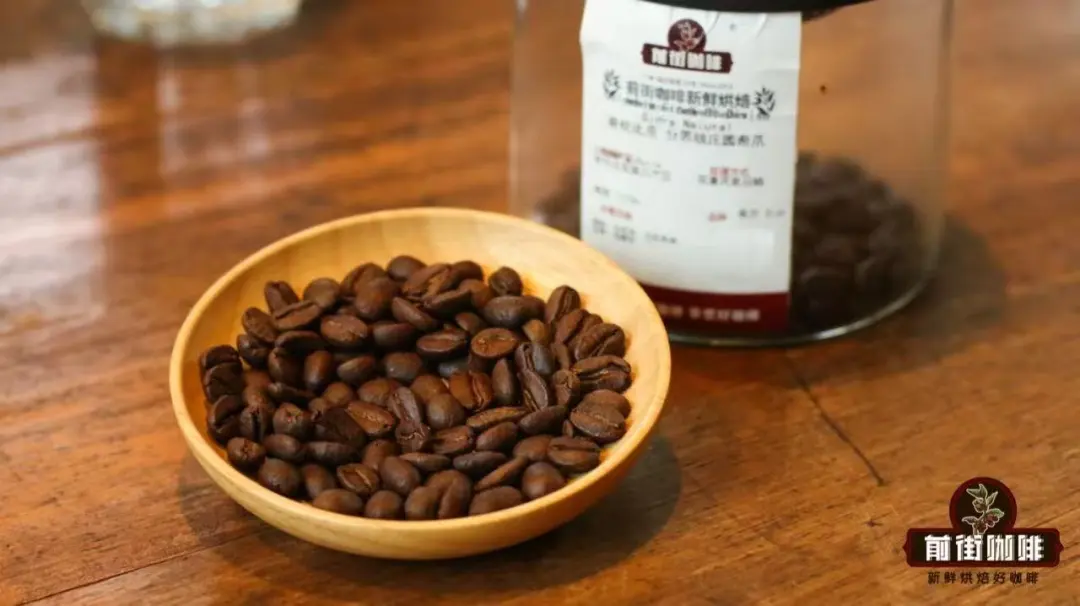
If it's Panama Geisha, then Front Street Coffee would want to highlight this variety and origin's unique flavors—the captivating jasmine aroma, the rounded citrus fruit notes. And to highlight floral and fruity flavors, we need to prevent the coffee bean's roast from progressing too deep, avoiding the fruit acidity being worn away and the floral aroma being masked by burnt aroma. So you can see that for the Panama Geisha in Front Street Coffee's Tmall/Taobao bean list, such as Front Street Panama · Boquete Geisha, Esmeralda Red Tag/Green Tag · Geisha, etc., all adopt a medium-light roast level.
Besides the bean's final use, when roasting we also need to consider various factors such as the bean's particle size, appearance, processing method, and moisture content to decide what roasting method and roast level to use. Quite a few aspects are involved, so roasting beans is actually not a simple matter. So that's all for Front Street Coffee's sharing this time. As we said, whether a bean's roast level should be dark or light mainly depends on what kind of coffee you want. We first envision the final goal, then formulate the roasting method and level based on the actual situation~
- END -
The above content is compiled by CoffeeHunters, a coffee news website.


