







For more coffee origin information and coffee knowledge, please followCoffeeHuntersToutiao account
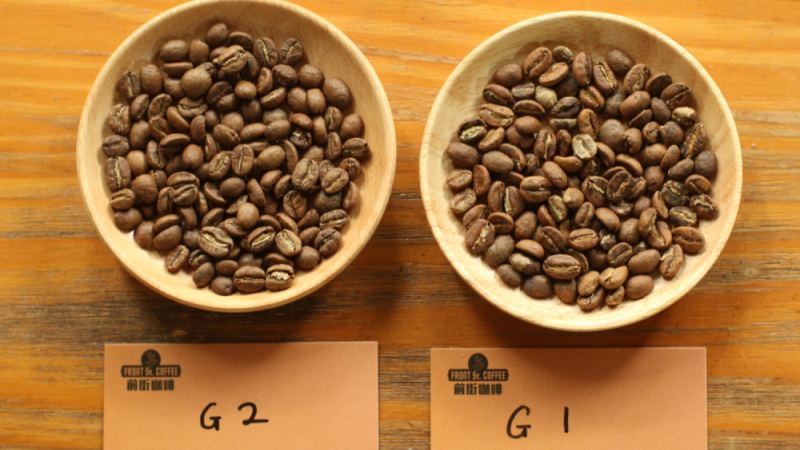
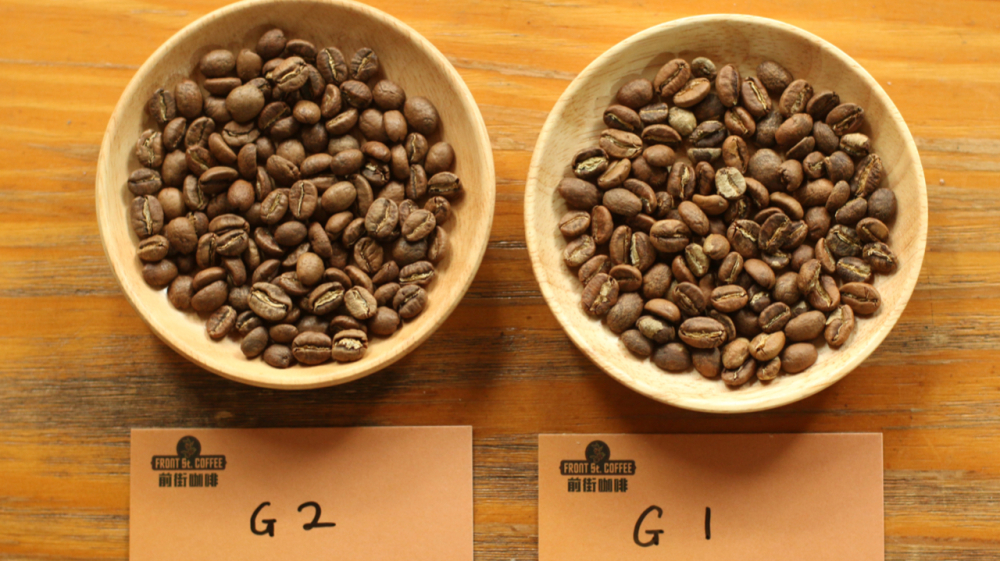
Many friends who drink coffee at Front Street Coffee ask our baristas, "What is Yirgacheffe G1 and Yirgacheffe G2?" What is "Kenya AA, AB?" What is the Costa Rica SHB grade?" Actually, these are all grading systems for coffee beans from various origins. So why do coffee beans need to be graded? In this article, Front Street Coffee will discuss what acoffee gradingsystem is, and share the green bean grade standards of several representative coffee-producing countries.

What iscoffee bean grading?
In order to distinguish high-quality coffee beans from low-quality ones, producers have to grade coffee. Coffee grading is usually based on defect rate, screen size, altitude, green bean density, processing standards, etc. However, because each country has different historical backgrounds, trade interests, climate and terrain, and various other factors, we cannot use a unified standard, the same defect calculation method, or simply judge by altitude alone. Nor can we compare a certain grade from one country with a certain grade from another country—these are incorrect and subjective direct comparisons. Front Street believes that whether a coffee bean tastes good or not cannot be entirely determined by its grade. Coffee bean grading is only a grading of green coffee bean quality. The flavor of coffee beans is influenced by factors such as cultivation and soil. Therefore, when tasting a coffee bean, one should not assume it must taste better than other grades just because it has a high grade.
Next, let's look at representative producing countries'green bean grading systems
Ethiopia (graded by proportion of defective beans)
Before the establishment of the Ethiopia Commodity Exchange (ECX), Ethiopia's coffee export grades were set by the CLU department (Cupping and Liquoring Unit) under the Ministry of Agriculture, mainly grading green coffee beans by the number of defective beans in 300g. The grading standards are shown in the table below. Generally, washed coffees are G1-G2. Due to sun-drying technical issues at the time, sun-dried green beans had more defects, generally G3-G5. With improvements in sun-drying technology, today's sun-dried beans can also reach G1-G2 grades.
Grade | Number of defective beans (per 300g) |
Grade1 | Less than or equal to 3 |
Grade2 | 4-12 |
Grade3 | 13-25 |
Grade4 | 26-45 |
Grade5 | 46-90 |
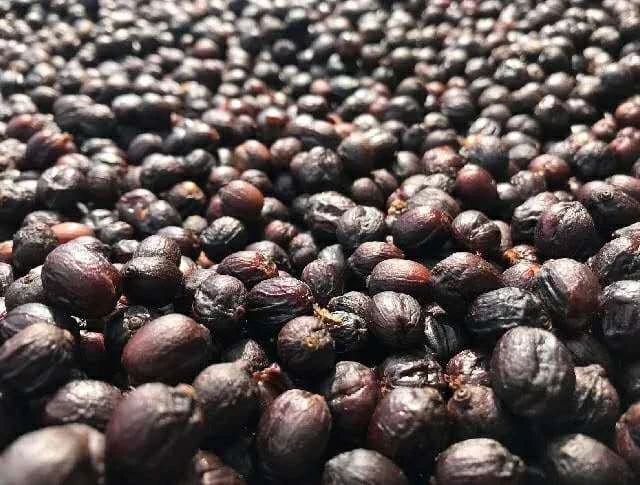
After the establishment of ECX (Ethiopia Commodity Exchange) in 2008, grading uses a combination of physical attributes of green coffee beans and cupping flavor characteristics.
ECX defines all coffee into three types based on processing method: unwashed and washed:
a. Specialty: few defects, high cupping flavor quality
b. Commercial: does not reach specialty grade, but higher than Local/Domestic consumption grade;
c. Local/Domestic: coffee with many defective beans (unripe beans), off-season, and poor storage resulting in relatively poor flavor.
Among them, Specialty and Commercial are for export to the international market. ECX grades green coffee beans into nine levels based on the total score of physical attributes and cupping flavor characteristics, with physical attributes accounting for 40% and cupping quality accounting for 60%.
Physical characteristics (40%):
Washed: defects (20%), appearance/size (10%), color (5%), odor (5%)
Unwashed: defects (30%), odor (10%)
Grade | Washed/Unwashed Score |
Grade1 | 91-100 |
Grade2 | 81-90 |
Grade3 | 71-80 |
Grade4 | 63-70 |
Grade5 | 58-62 |
Grade6 | 50-70 |
Grade7 | 40-49 |
Grade8 | 31-39 |
Grade9 | 20-30 |
Then G1-G3 are cupped again according to SCAA standards for a more detailed assessment of their flavor attributes. G1 and G2 scoring no less than 85 are rated Q1; G1, G2, G3 scoring between 80 and 85 are rated Q2; all G1, G2, G3 scoring below 80 are rated G3;
Q1 and Q2 are classified as specialty grade for export. G4-G9 remain unchanged and are classified together with G3 as commercial grade for export.
Representative Ethiopian G1 coffee beans—Front Street Coffee sun-dried Red Cherry coffee beans

Region: Yirgacheffe
Variety: Local heirloom varieties
Altitude: 1800-2000m
Processing method: Sun-dried
Kenya (graded by bean size)
Kenyan coffee grading is mainly based on coffee bean size, usually divided into eight grades. There are many other countries that grade by green bean size, such as Tanzania, Rwanda, Colombia, Jamaica, etc.
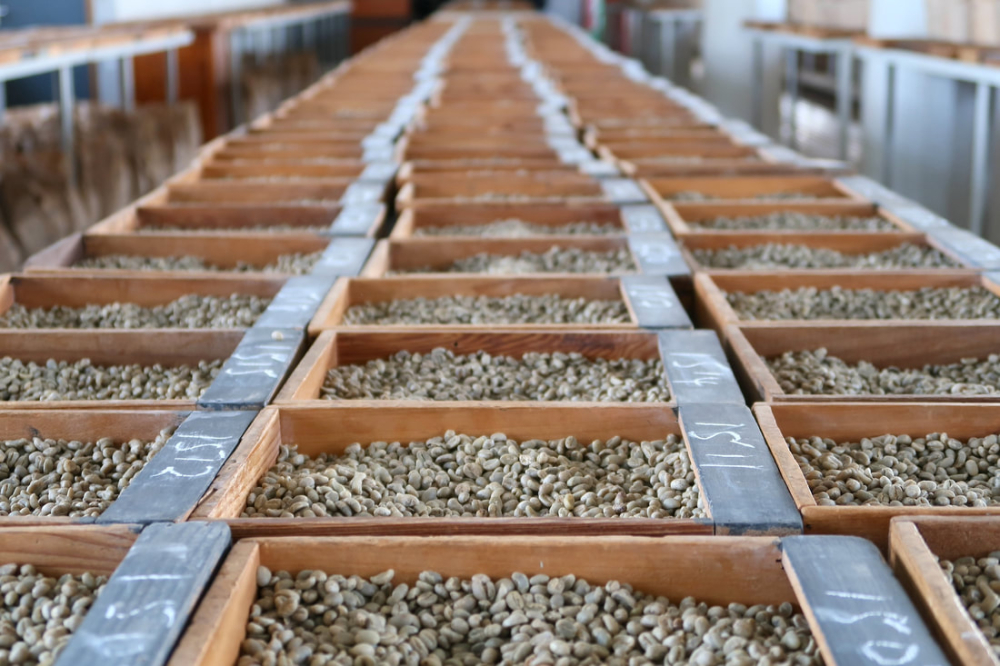
E (Elephant Bean): Here "E" stands for Elephant, but it is not the Maragogype variety of coffee. It is a bean formed by abnormal development where two seeds intertwine, forming what appears to be a single bean, considered a defect. Generally, a fruit contains two seeds pressed face to face, so one side is flat, called flat bean or mother bean. Grade E beans are two seeds that fused together during growth, becoming oversized beans. Grade E beans are approximately 18 screen size (one screen is 1/64 inch) or above, and are rare in quantity.
AA:This grade is approximately 17-18 screen size (about 6.7-7.1mm), the most commonly heard Kenyan coffee grade. In specialty coffee, this grade is usually called AA TOP, and it is also the bean most coffee shops promote. But AA does not necessarily mean the best—this is just bean size and should not be confused with flavor.
C: Bean size approximately 14-15 screen (about 5.6-6.0mm), slightly smaller than Grade B.
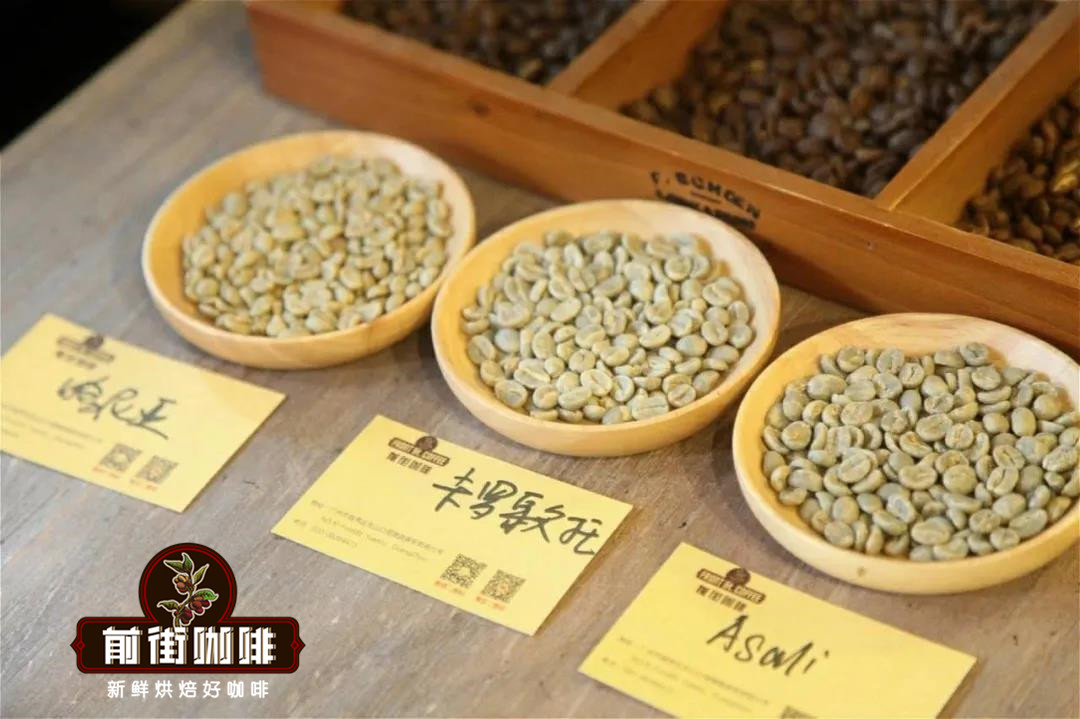
PB: Full name Peaberry, also called small round bean or male bean. Compared to normal flat beans, it accounts for about 10% of all coffee beans, mainly because only one seed develops in the fruit, resulting in a small round bean. Some people particularly love the flavor of PB, so they sort out PB to sell. Many people think PB beans are rare, but actually PB beans can be considered a type of defective bean~
TT: These coffee beans are light beans separated from AA and AB beans by air sorting machines. They are usually light in weight and do not meet hardness standards, and also contain broken and defective beans.
T: Lighter beans sorted from Grade C beans, mixed with broken beans, and even fragments of shattered beans.
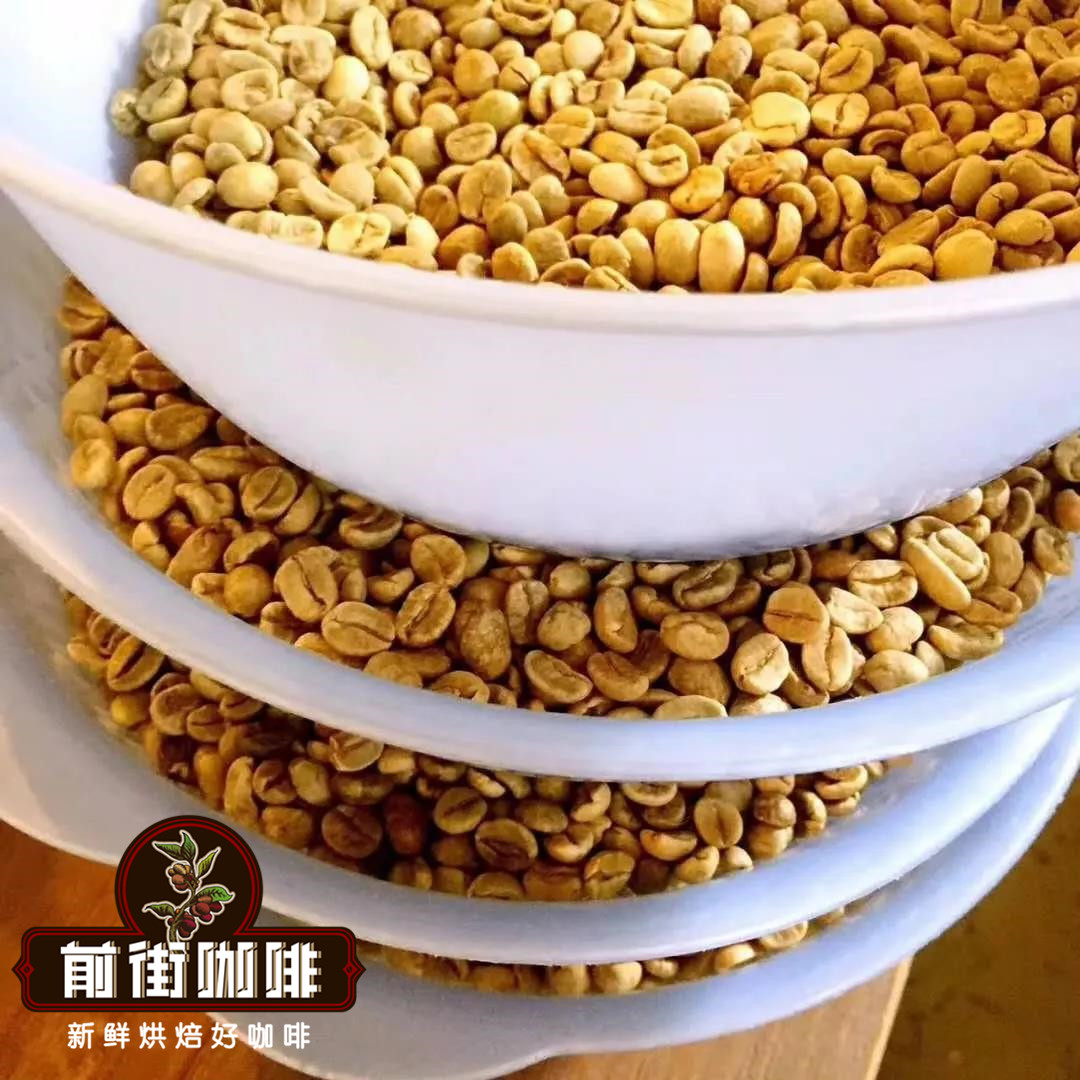
MH/ML: These coffee beans are not exported. They are usually overripe beans that fell to the ground. They are of poor quality, accounting for about 7% of all coffee beans, and are only for Kenya's domestic market.
AB:Most coffee beans fall into this grade. It is called AB mainly because A has a screen size of 6.80mm and B has 6.20mm. These two sizes (Grade A and Grade B) are mixed together and sold, so it is called AB, with a size of approximately 15-16 screen (about 6.0-6.4mm).
Representative Kenyan AA grade—Front Street Kenya Little Tomato coffee beans
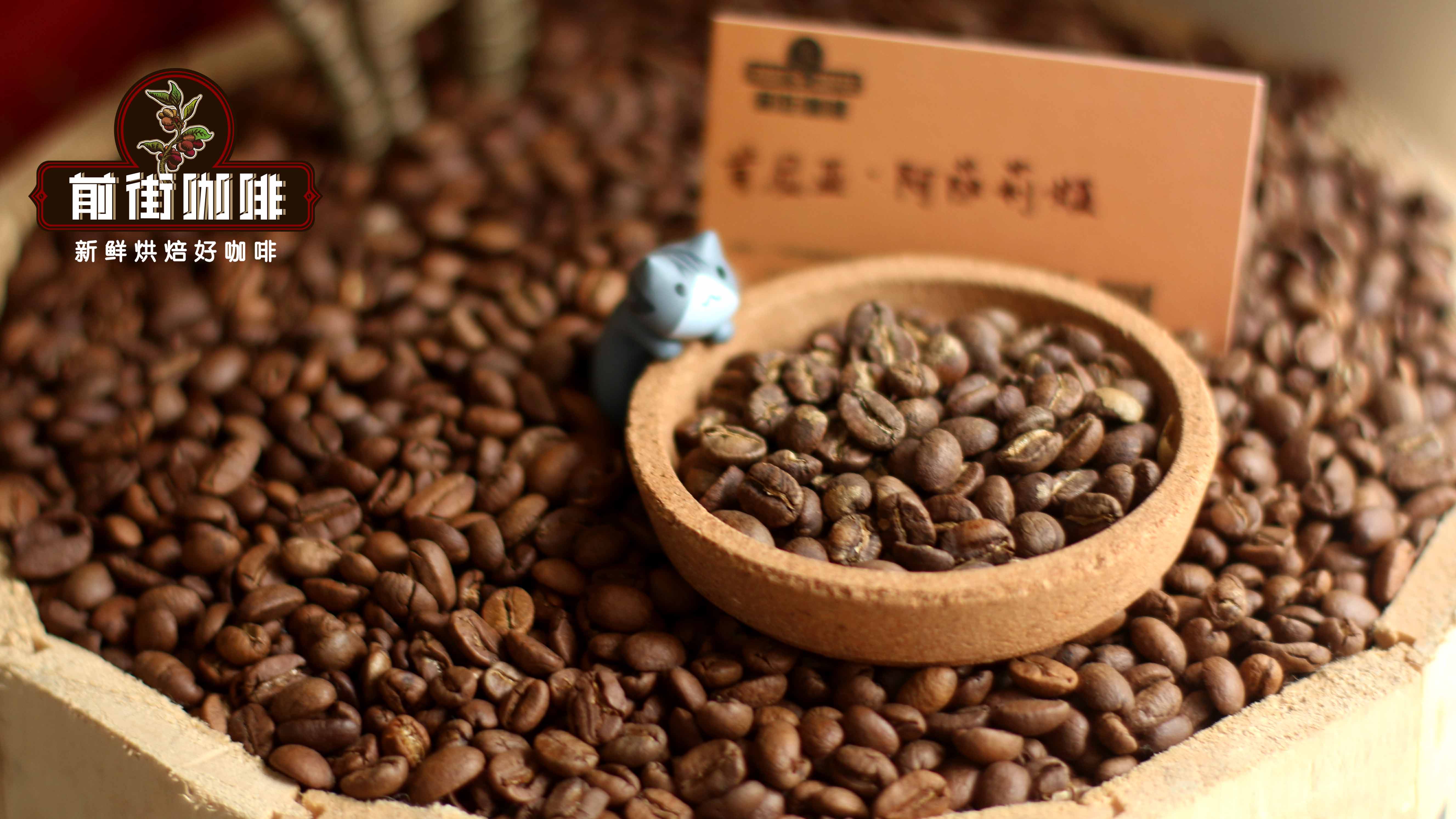
Region: Thika, Kenya
Altitude: 1550-1750 meters
Grade: AA TOP
Variety: SL28, SL34
Processing method: Kenya 72-hour washed
Colombia
Most areas in Colombia have switched to planting faster-growing coffee trees, meaning the goal is placed on the high-end commercial coffee market. Even the highest grade commercial coffee beans may not necessarily be worse than "specialty beans" from other origins. The No. 18 beans further selected from Supremo, known as Supremo 18, have good flavor and often appear in specialty coffee shops.
Grade | Size standard |
Supreme Screen 18+ | 95 screen and above |
Supreme | 95 screen and above |
Excelso Extra | 95 screen and above |
Excelso EP | 14-16 screen |
U.G.Q | 14 screen and above |
Jamaica
Based on the altitude of the coffee-growing mountains and the size of the green beans, Blue Mountain coffee is divided into three grades: Blue Mountain Jamaican, High Mountain Jamaican, and Prime Washed Jamaican. Of course, ordinary Jamaican coffee is called "Jamaica Coffee," mainly produced in mid- and low-altitude areas, belonging to the Prime Washed Jamaican series. Blue Mountain coffee bean exports are further divided into 7 grades:
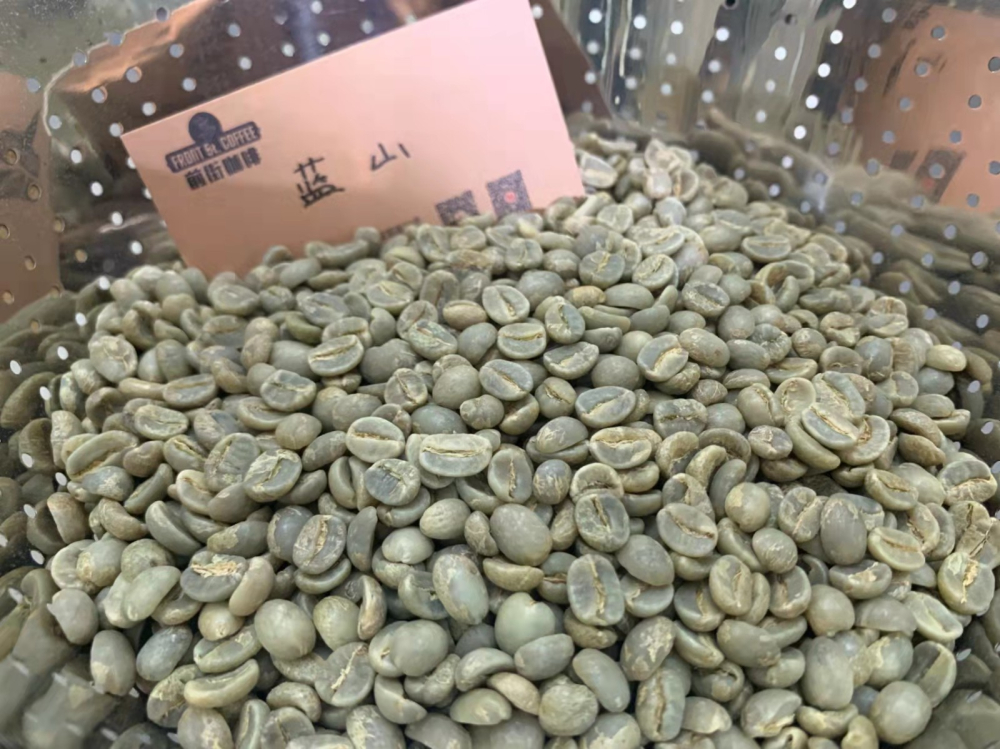
Blue Mountain No. 1:96% of beans must be screen size 17/18, with no more than 2% defective beans.
Blue Mountain No. 2:96% of beans must be screen size 16, with no more than 2% defective beans.
Blue Mountain No. 3:96% of beans must be screen size 15, with no more than 2% defective beans.
Blue Mountain Peaberry:96% of beans must be screen size 10 single round beans, with no more than 2% defective beans.
Blue Mountain Triage:A mix of Blue Mountain No. 1, 2, and 3 beans, with a small number of minor defects, but does not affect cup quality.
Blue Mountain Fine Beans:Coffee beans below screen size 15, with no more than 2% defective beans. This portion of beans is sold only as samples, with prices determined by demand.
Blue Mountain Triage Peaberry:A mix of Blue Mountain peaberry, with a small number of minor defects, but good cup quality, with no more than 4% defective beans.
Representative Blue Mountain No. 1 grade: Front Street Coffee Jamaica Blue Mountain No. 1 Coffee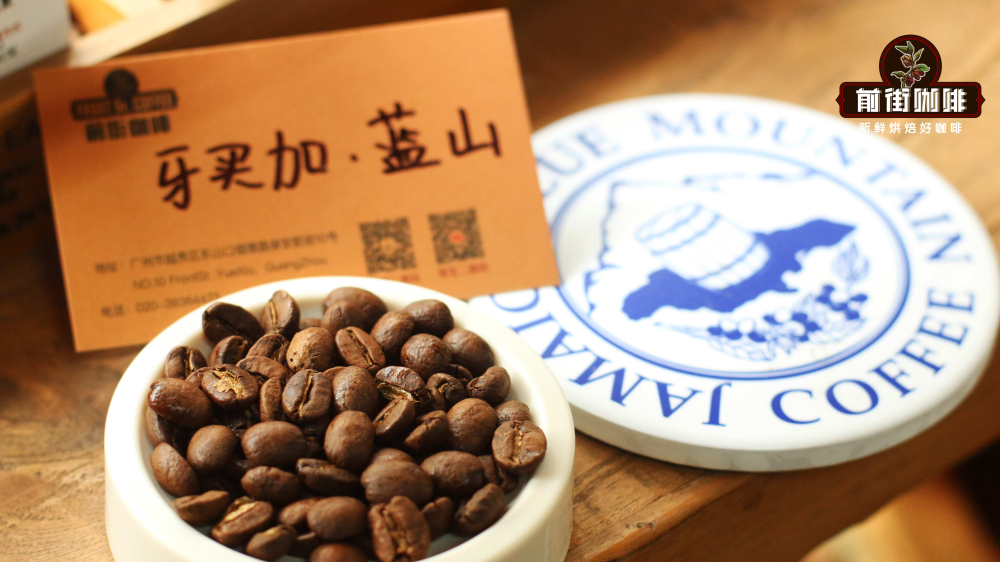
Farm: Clifton Farm
Owner: The Sharp family
Certification: Rainforest Alliance
Location: Newcastle area
Total area: 250 acres
Coffee planting area: 180 acres
Average altitude: 4300 feet (1310.64 meters)
Processing method: Washed
Variety: 100% Arabica Typica
Costa Rica, Panama, Guatemala (graded by green bean hardness)
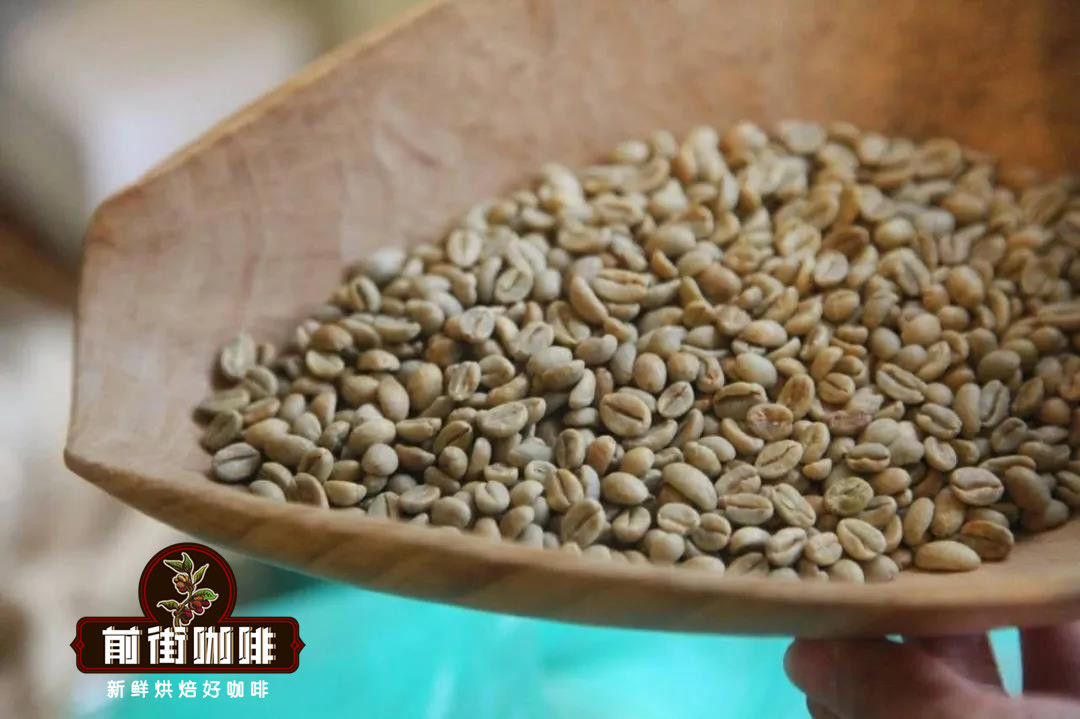
At the same latitude and same plot, the higher the altitude, the greater the temperature difference between day and night, the longer the coffee growing period, the harder the beans, the more nutrients absorbed by the beans, and the more pronounced the flavor compounds.
Grade | Altitude |
SHB (Strictly Hard Bean) | ≥1400m |
HB (Hard Bean) | 1200-1400m |
SH (Semi Hard Bean) | 1100-1200m |
EPW (Extra Prime Washed) | 900-1100m |
PW (Prime Washed) | 800-900m |
EGW (Extra Good Washed) | 600-800m |
GW (Good Washed) | Less than 600m |
Representative Costa Rica SHB—Front Street Costa Rica Musician Series Beethoven coffee beans
Coffee region: Tarrazu
Grading standard: SHB
Coffee variety: Yellow Catuai
Processing method: Washed
Growing altitude: 1980M
El Salvador, Honduras (graded by altitude)
Grade | Altitude (El Salvador) | Altitude (Honduras) |
SHB (Strictly High Grown) | Above 1200m | Above 1221m |
HG (High Grown) | 900-1200m | 915-1220m |
S (Standard) | 610-915m | |
CS (Central Standard) | 500-900m | —— |
Brazil (graded by bean size, defect rate, cup score)
Brazil considers that only completely defect-free beans can be NY.1, and completely defect-free beans do not exist. Therefore, among Brazilian green beans, the best is NY.2.
Type | Quality |
NY.2 | 17-18 screen FC |
NY.2/3 | 14-16 screen FC |
NY.3/4 | DD Quality |
NY.4/5 | 14-16 screen GC |
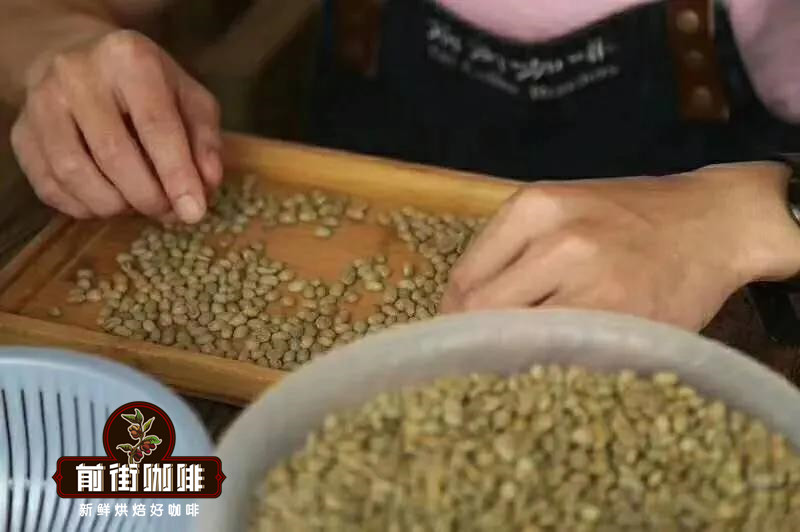
By number of defective beans
Type | Number of defective beans (per 300g) |
NY.2 | 6 |
NY.2/3 | 9 |
NY.3 | 13 |
NY.3/4 | 21 |
NY.4 | 30 |
NY.4/5 | 45 |
NY.5 | 60 |
NY.5/6 | >60 |
By cup grade:
Fine Cup (FC), Fine, Good Cup (GC), Fair Cup, Poor Cup, Bad Cup
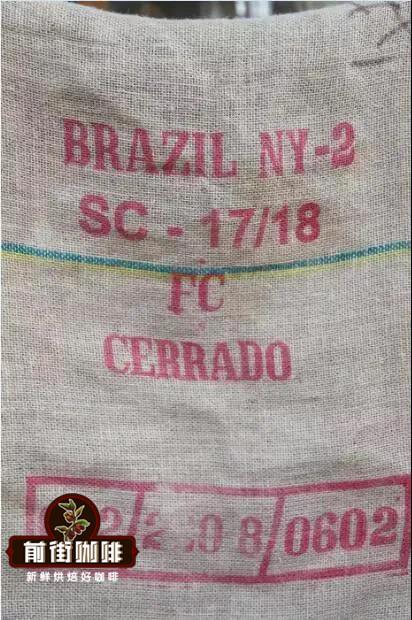
For example: Brazil Cerrado NY-2 SC-17/18 FC
This means Brazil Cerrado region, NY grading method is 2, coffee bean screen size is 17-18, flavor quality is Fine Cup.
The above content is compiled by CoffeeHunters, a coffee news website.

