







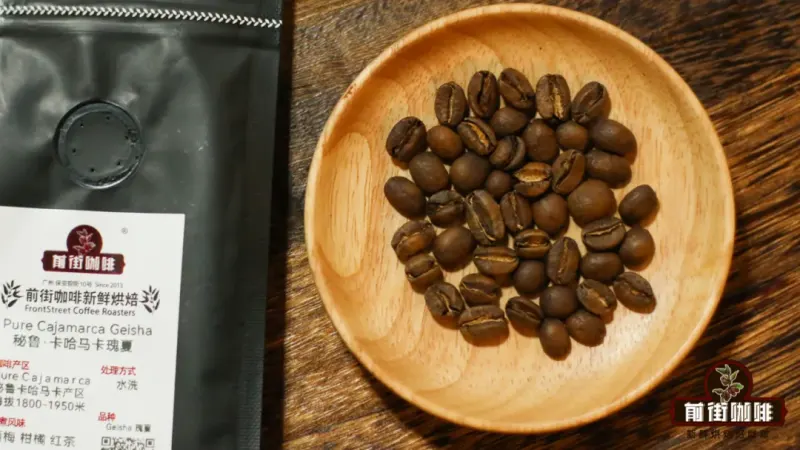
When does blending coffee beans make sense for leftovers?
Leftover coffee beans can still be used, and the amount on hand decides the method. Around 10g can be brewed directly if parameters are adjusted or a small-dose dripper such as the V30 is used. Under 6g is better handled by blending coffee beans with other lots to reach a full dose, and smaller remnants can go into desserts or aromatic accessories.
A smaller dose thins the coffee bed, so hot water passes through faster and total contact between water and grounds drops. Extraction efficiency falls and the cup risks tasting under-extracted. Blending coffee beans, or a blend coffee approach that combines several lots, restores the dose and keeps extraction in a normal range, which is why shops holding thirty-plus pour-over options rely on it.
Front Street Coffee stores always keep over thirty kinds of pour-over beans on hand, so it's inevitable that there will be leftover beans. It would be a shame to just throw them away, so Front Street Coffee chooses different ways to handle them based on the amount of grounds left: when there's around 10g of grounds, you can brew directly, but you need to adjust the parameters or switch to a small-dose dripper; if there's less than 6g, you can blend it with other beans to make up the amount; you can also turn the coffee beans into desserts like lemon coffee slices, or make them into decorative items like aromatic bracelets. This article explains in detail the principles and key points of each option, helping you make the most of every single coffee bean.
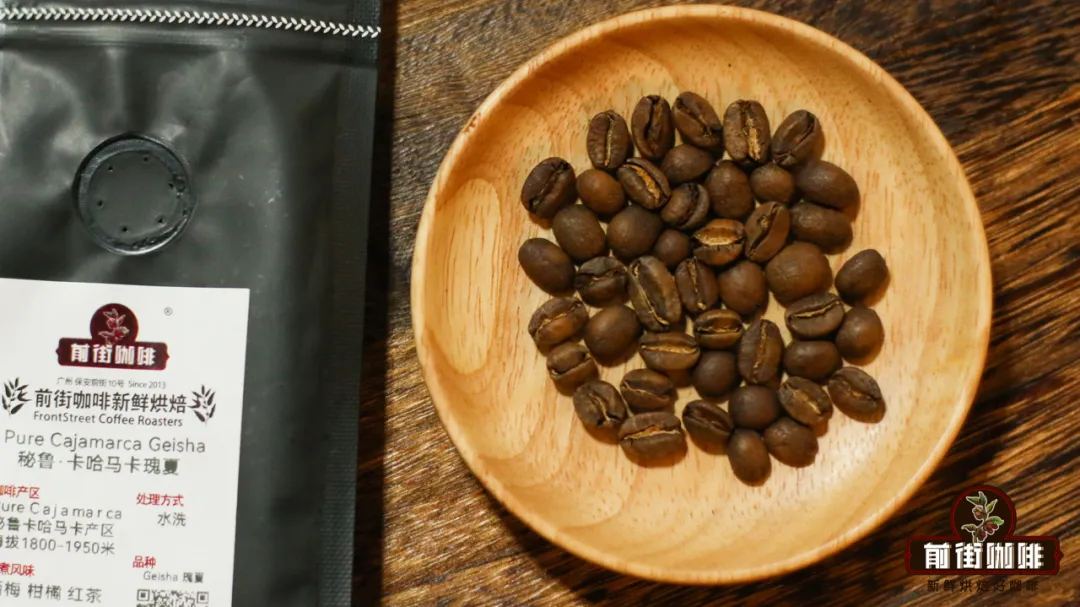
Front Street Coffee offers as many as thirty-plus kinds of beans for pour-over selection, so leftover beans are already commonplace. Throwing them away directly is of course out of the question—that would be too wasteful. Generally speaking, Front Street Coffee decides how to use these beans based on how much is left.
Option One: Brew Directly
If the remaining amount of coffee beans is still fairly decent, say around 10g, Front Street Coffee might choose to brew it directly. This dose merely falls short of our usual standard brewing amount; it doesn't mean it can't be brewed. However, before brewing, the parameters must be adjusted, otherwise it's hard to get a satisfying cup of coffee.
The reason isn't complicated: once the dose decreases, the thickness of the coffee bed drops accordingly, and hot water passes through faster. At the same time, a smaller dose means the amount of water is reduced as well, so the total contact between water and coffee grounds decreases, and overall extraction efficiency declines. If you still brew with the original parameters or technique, this cup of coffee will very likely suffer from under-extraction.
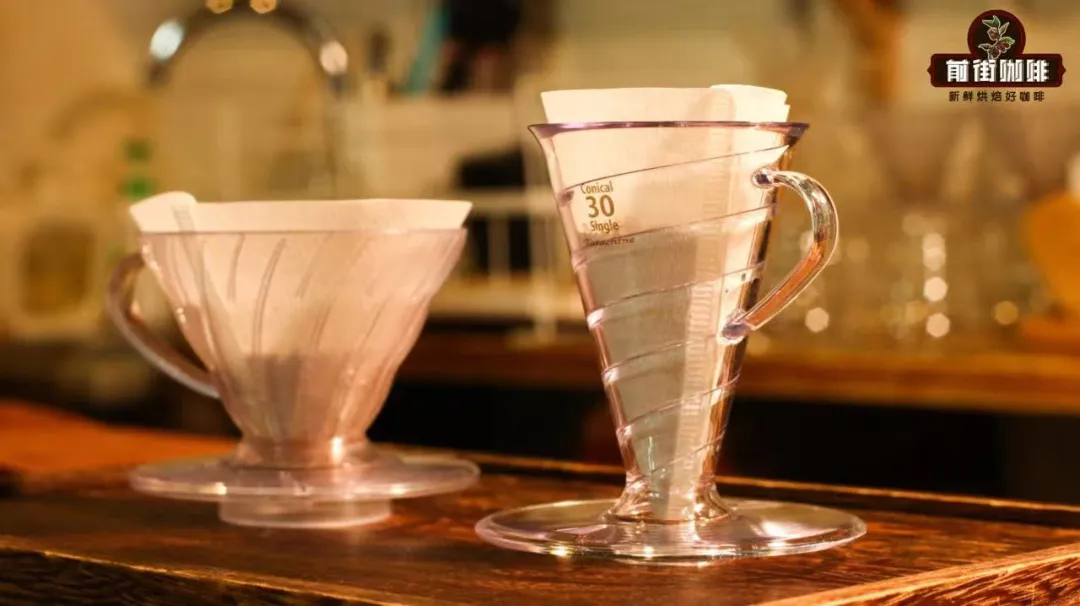
The solutions aren't difficult either; there are mainly two paths: one is to switch to a dripper designed specifically for small doses, such as V60's "little brother" V30. V30 has a narrower angle, so the same dose can pile up into a thicker coffee bed, thereby increasing the contact between water and coffee grounds and making it easy for small-dose brewing to achieve sufficient extraction (why does this sound a bit like an ad?); the other path is to start with other parameters to boost extraction efficiency, such as raising the water temperature a bit, adjusting the grind setting finer, adding more pouring stages... These operations can effectively raise the extraction rate and allow the coffee to release the flavor it deserves.
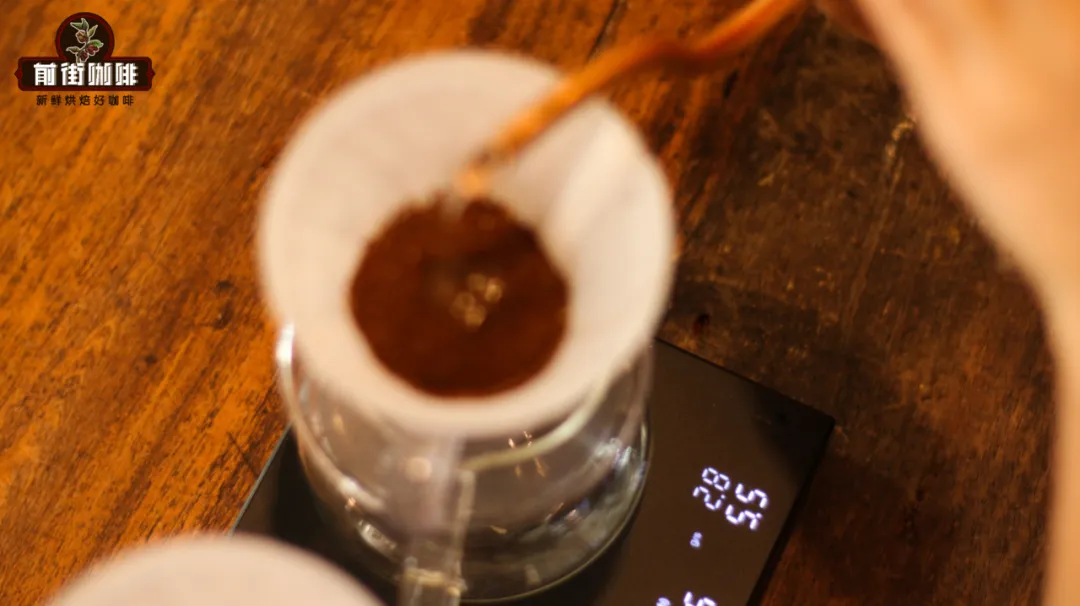
Option Two: Blend Coffee Beans ⟧7⟧But if too few beans are left—not even 6g—then you can't brew directly. In this situation, if you still have another bag of beans on hand, Front Street Coffee will use blending to consume it.
But if there are too few beans left, not even enough to make up 6g, then you can't brew it directly. In this case, if you have another bag of beans on hand, Front Street Coffee will use a blending method to use it up.
So-called blending is simply mixing two different kinds of coffee beans together. With the addition of another portion of beans, the amount needed for one brew is made up, so you don't have to adjust the parameters too much and can still smoothly brew a good pot of coffee.
Not only that, because other coffee beans are mixed in, the flavor and mouthfeel of the coffee will change accordingly, and the result is full of variables—one could say it's quite a fresh experience. Therefore, blending coffee beans is also a method many friends adopt.
However, coffee bean blending still has some tricks to it. If the two beans paired differ too much in style, it's easy to blend into a cup of coffee with a strange taste, especially when the two differ greatly in roast level. So when blending coffee beans, Front Street Coffee generally recommends choosing beans with similar roast levels to pair. Of course, you can also buy another bag of the same coffee beans and "blend" beans from different dates.
.
Option Three: Make Coffee Bean Desserts
Previously, a friend in the comments mentioned that when the coffee beans in the bag are almost gone, he makes them into desserts like lemon coffee slices. This is indeed a very good idea.
Lemon coffee slices are a little snack favored by the Italian Mafia, and the method is very easy! Just slice the lemon, then sprinkle ground coffee powder and white sugar on the lemon slices in turn, and finally bake them briefly. For the specific method, you can check out this article → "How to Make Lemon Coffee Slices"; Front Street Coffee won't spend more words on it here.
The only thing to note is that the coffee beans used for lemon coffee slices should ideally not be too hard, and the grind should not be too coarse. Otherwise, the chewing texture will be compromised.
Option Four: Make Coffee Decorations
Besides eating them, coffee beans can also be made into various accessories, decorations, or functional ornaments such as aromatherapy items. These have been very popular uses for coffee beans in recent years. As for this part, Front Street Coffee has no ready-made examples to refer to, because it's rather
lazy
busy... Everyone can search online for tutorials and do some DIY themselves.
- END -
The above content is compiled by CoffeeHunters, a coffee news website.


