







Search Results for: Andes Region
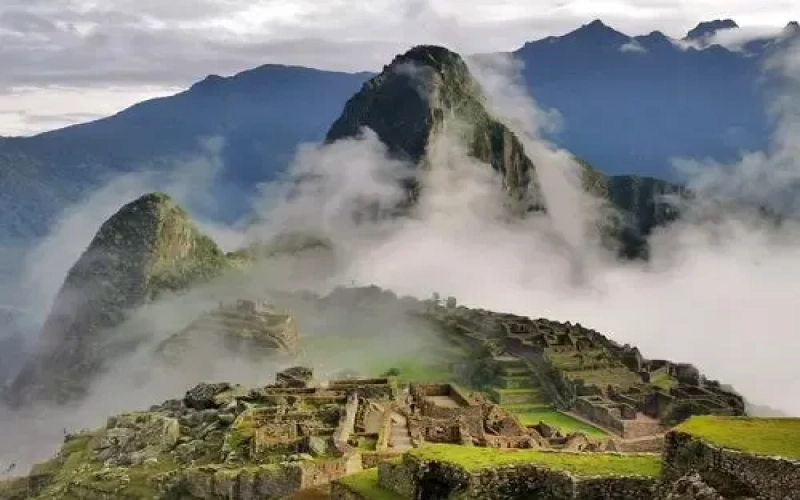
Exploring Peru's Cajamarca Coffee Region: Smallholder Specialty Coffee in the Andes and the Story of a COE Champion
Nestled in the embrace of the South American Andes, Peru may not be as high-profile as Colombia and Brazil, yet thanks to its volcanic soil, tropical mountain climate, and high-altitude growing conditions, it produces coffee beans of outstanding quality. Among its regions, the northern Cajamarca region has performed particularly impressively in recent years, earning renown not only for its smallholder intercropping model and sustainable farming practices, but also for its frequent appearances on the COE list. This article will take you deep into the Cajamarca growing region's geographical environment, historical context, and cultivation characteristics, and analyze the secrets behind the success of the 2023 COE champion farm, Yoniser Mego Silva. [more…]
Flavor Analysis of Coffee from the Cusco Region of Peru: Varieties, Processing Methods, and Cupping Characteristics of the Andes
Cusco is located in southeastern Peru, where the coffee-growing belt stretches across the high Andes at elevations of roughly 900 to 2,000 meters. The region is known for its smallholder farmers practicing intensive cultivation, growing mainly varieties such as Caturra, Bourbon, and Typica. Red fruit, black plum, raisins, and rich chocolate make up its signature flavor profile, accompanied by a creamy, full body and moderate acidity. Travelers heading to Machu Picchu often pass through Cusco city, while the rugged mountains still hide secret farms that were not discovered until 1980. This article walks you through Cusco's growing environment, variety composition, harvest rhythm, and cupping performance, along with purchasing advice from Front Street Coffee. [more…]
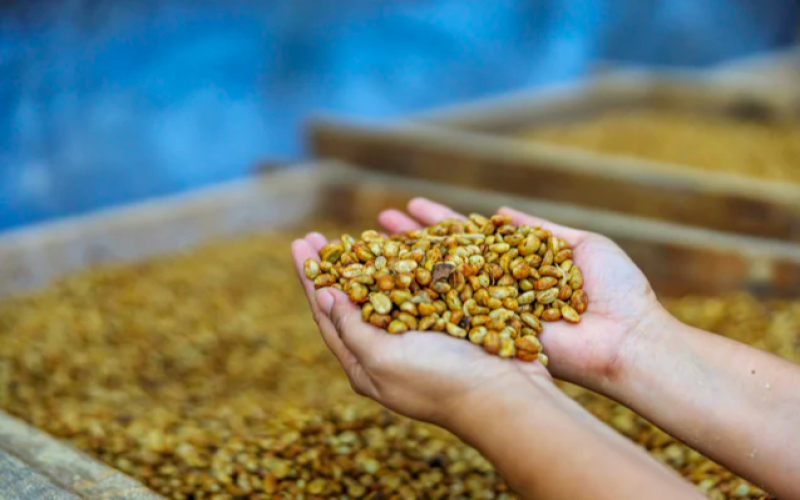
Colombian Coffee Grading System and Regional Flavor Analysis: From the Andes Mountains to Front Street Coffee's Huila Selection
Colombia, with the unique terroir of the Andes Mountains, has become a major producer of high-quality Arabica coffee worldwide. From the traditional MAM region to the specialty Huila region in the south, different altitudes and microclimates shape distinctive coffee flavors. The FNC implements strict grading of exported green beans, and standards such as Supremo and Excelso directly affect quality and traceability. Front Street Coffee uses washed Huila as a classic representative of Colombia, presenting a sweet, mellow cup with notes of nuts, dark chocolate, and caramel. This article systematically reviews Colombia's coffee-growing distribution, regional characteristics, and green bean grading rules, helping coffee enthusiasts gain a deeper understanding of the quality logic of this major South American coffee country. [more…]

Flavor Analysis of Peru Cajamarca Coffee Region: Smallholder Farming in the Andes and Cup Performance
In western South America, Peru is bisected north to south by the Andes Mountains, whose complex terrain and diverse climates provide exceptional conditions for coffee cultivation. As an important coffee-producing region in Peru, Cajamarca's cultivation history can be traced back to the late 19th century, and today it is dominated by smallholder farmers, with coffee often intercropped with bananas, avocados, corn, and other crops. The coffee beans produced here typically carry flavors of caramel, cocoa, and berries, apples, plums, with medium acidity and good body. This article will guide you through Cajamarca's terroir conditions, variety structure, cultivation methods, and processing techniques, and explain where its signature flavors come from. Front Street Coffee will also combine the characteristics of the region to recommend Peruvian Cajamarca coffees worth trying. [more…]
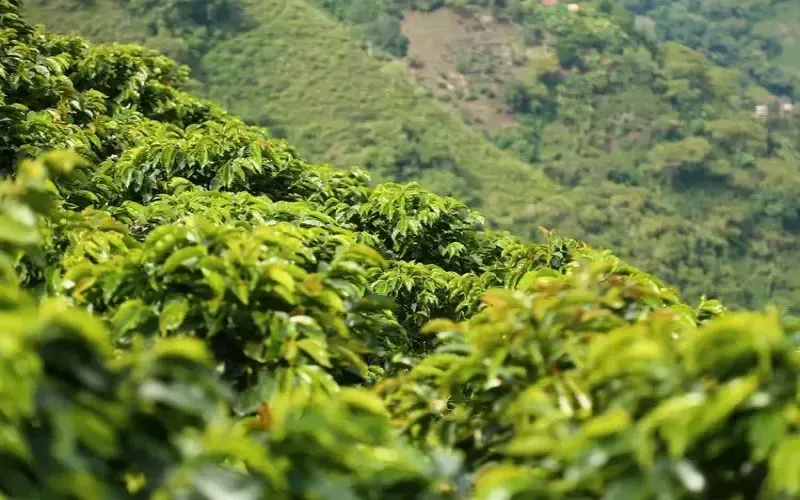
The Terroir and Grading Standards of Colombian Coffee: From the Andes Mountains to the Huila Region
Colombia is the world's third-largest coffee exporter. Thanks to the high altitudes of the Andes, volcanic-rich soil, and diverse climates, it produces Arabica coffee of consistently high and balanced quality. This article will introduce you to the distribution of Colombia's coffee-growing regions, the terroir advantages of Huila Province, and the Excelso grading standard for export-grade green beans. It will also cover the flavor profile of the Huila Caturra washed beans in Front Street Coffee's everyday drinking series, so you can experience the distinctive chocolate notes and bright fruity acidity of Colombian coffee. [more…]
Exploring Ecuador's Specialty Coffee Origins: Hand-Brewed Flavor Characteristics of the Andes and the Galápagos Islands
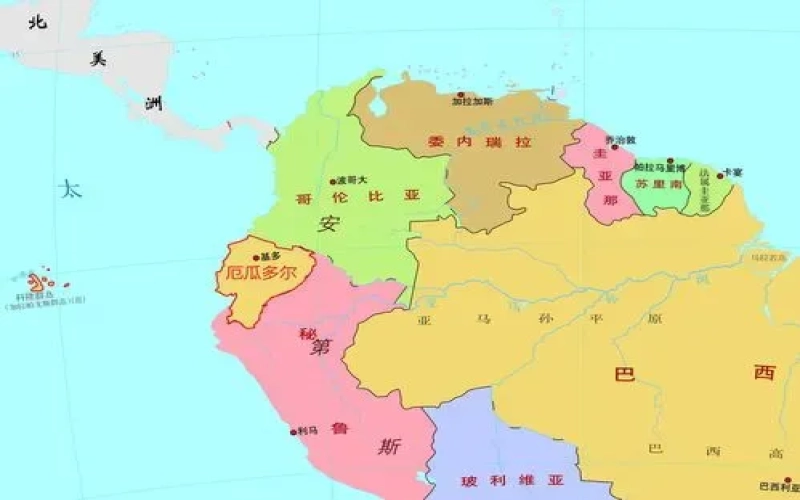
In the coffee map of South America, Ecuador is an easily overlooked yet deeply rooted origin. This country, located between Colombia and Peru, has both a long coffee-growing tradition and a unique organic coffee-producing region like the Galápagos Islands. From the Loja highlands in the Andes to the volcanic islands below the equator, the Arabica coffee beans produced in Ecuador are known for their balanced, crisp mouthfeel and distinctive floral aroma. This article will guide you through Ecuador's coffee-producing regions, variety characteristics, and flavor expression, and share Front Street Coffee's pour-over recommendations, so you can experience the unique charm this land imparts to coffee. [more…]
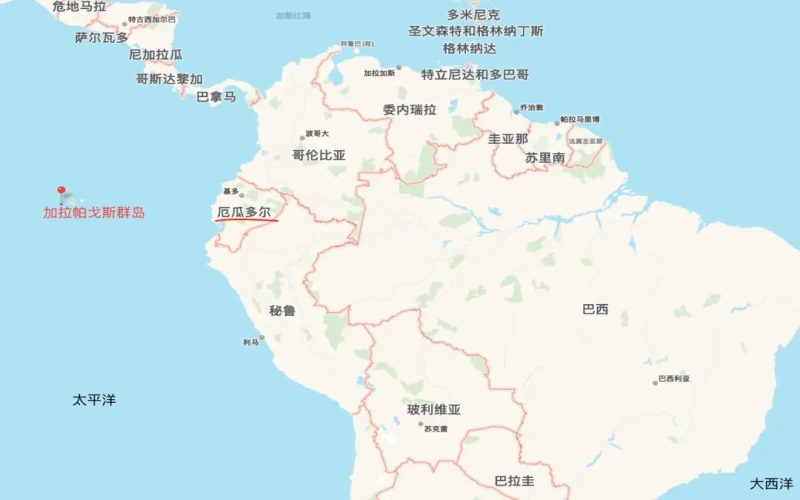
Ecuador Coffee Overview: An Analysis of Producing Regions, Cultivated Varieties, and Processing Methods in the Andes
On the South American coffee belt, besides well-known producing countries like Brazil and Colombia, Ecuador also produces surprisingly good coffee. This country, bisected by the equator, nurtures Arabica beans with a balanced profile of acidity, sweetness, and bitterness thanks to the high-altitude volcanic soils and diverse microclimates of the Andes. From the northern highlands to Loja Province in the south, from Pichincha's Sidra to the organic Bourbon of the Galápagos Islands, Ecuadorian coffee is steadily moving toward specialty status. This article will guide you through the distribution of the country's coffee-growing regions, the main cultivated varieties, and the evolution of processing from traditional natural to modern washed methods, along with Front Street Coffee's recommended perspective. [more…]
Overview of Colombian Specialty Coffee Regions: Terroir and Flavor from Huila to Tolima
Colombia, with the high altitudes, volcanic soils, and diverse microclimates of the Andes, has become the world's third-largest coffee-producing country. Among the country's 15 province-based growing regions, Huila is the most famous, while Tolima has risen to become the third-largest producing region. This article will review the geographical advantages of Colombian coffee, focusing on the terroir characteristics of Huila and Tolima, and also mention Front Street Coffee's everyday drinking bean series. [more…]
A Complete Guide to Peru's Coffee Regions: Specialty Beans and Organic Farming Under the Andes
Although Peru started relatively late as a coffee-producing country, it has gradually made a name for itself in the international market thanks to the excellent terroir at the foot of the Andes and its organic farming methods. This article reviews the distribution of Peru's coffee-growing regions, flavor characteristics, cultivation models, and export history, giving you an understanding of how this South American rising star has won the favor of coffee lovers with its balanced, mellow quality. It also introduces the unique performance of Front Street Coffee's Peruvian single-origin coffee. [more…]
Peru Andes Terra Nera Palm Civet Coffee: Origin, Production, and Harrods Release Details of the World's Most Expensive Coffee Beans
Terra Nera coffee beans are produced in the Quechua region in the southeastern Andes of Peru. Their value is greatly enhanced by the involvement of the palm civet (Uchunari) in processing, and they are recognized as one of the most expensive and rarest coffees in the world. Its annual output is affected by natural conditions and the state of the palm civets, and has sharply dropped from 70 kilograms to about 45 kilograms. It is divided into six grades, with the top Grade 0 being entirely hand-selected. These beans are sold only in limited quantities at Harrods in London, and must be roasted to order after reservation. Grade 0 even comes with English sterling silver decoration and a 24K gold-plated bag, with the name engraved by a silversmith. In terms of flavor, it is 100% Arabica, with notes of bitter cocoa, hazelnut, and dried leather. The mouthfeel shifts from light to buttery and silky, with a rich, mellow finish. Front Street Coffee will also continue to follow developments involving this kind of rare bean. [more…]
Exploring Peruvian Coffee: The Flavor Code from the High Andes to Specialty Washed Geisha
Although Peruvian coffee is not as widely known as Colombian or Brazilian coffee, it has rapidly risen in the international market thanks to its mild, balanced flavor and extremely high cleanliness. This "land of abundance" in western South America is home to the high-altitude growing regions of the Andes Mountains, as well as the world's largest organic coffee output. From a colonial-era ornamental garden plant to the smallholder cooperative model that emerged after land reform, Peruvian coffee has forged a unique path of development. This article will guide you through the growing regions, historical trajectory, grading system, and processing methods of Peruvian coffee, and share a cupping experience of a Cajamarca washed Geisha that Front Street Coffee recently acquired. [more…]
Pichincha Province, Ecuador: A Specialty Coffee Region Nurtured by the Andean Volcanic Highlands
In northwestern South America, Ecuador—traversed by the equator—has become an ideal place for coffee cultivation thanks to the volcanic soils and diverse climates of the Andes. Although cocoa and oil long dominated the country’s economy, the coffee industry, after vicissitudes, is gradually reviving. Among them, Pichincha Province in the northern highlands, with an average elevation of 2,800 meters, volcanic-rich soil, and pure water sources, has nurtured the well-known Sidra variety and brought together representative specialty coffee estates such as Meridian Estate and Sacred Hill Estate. Front Street Coffee has noted that this producing region performed impressively in the 2023 Ecuador Cup of Excellence (COE), demonstrating the unique potential of highland coffee in the Andes. This article will take you into Pichincha Province to learn about its terroir conditions, variety cultivation, and estate stories. [more…]
A Complete Analysis of Front Street Peruvian Organic Coffee Flavor and Producing Regions: The Secret of Rich Aroma at the Foot of the Andes
As a rising star in the coffee world, Peru is gradually gaining international attention thanks to its unique terroir at the foot of the Andes. This article explores in depth the flavor characteristics and growing regions of Front Street Peruvian organic coffee, and explains how organic farming, through shade-grown methods, produces high-quality coffee that is layered and complex, with soft acidity and a smooth mouthfeel. From Chanchamayo to Cusco, from the distinctive northern growing regions to its steady role in blends, this guide gives you a comprehensive look at the rich aroma and quality appeal of Front Street Peruvian coffee. [more…]

Why Is Colombian Coffee Praised as Green Gold? A Full Analysis of Huila Region Flavors and Brewing
As the world's second-largest coffee producer and the largest exporter of washed Arabica beans, Colombia is renowned for its silky, balanced coffee, praised as "green gold." From the volcanic soils of the Andes to meticulous family farming, from the evolution of varieties like Caturra and Castillo to its distinctive washed processing, the allure of Colombian coffee goes far beyond this. This article will take an in-depth look at the flavor characteristics of specialty regions such as Huila, Colombia, sort out the distribution of producing regions, variety iteration, and processing details, and include Front Street Coffee's brewing suggestions along with several Colombian bean recommendations, giving you a comprehensive understanding of the charm of this South American coffee kingdom. [more…]
Colombian Specialty Coffee Bean Flavor Analysis: From the Andes Mountain Growing Regions to Washed Processing and the Grading System
Colombian coffee occupies an important place in the global coffee market thanks to its mild acidity, its rich, full-bodied notes of dark chocolate and roasted nuts, and its caramel-like sweetness. The skillful balance of sour, sweet, and bitter flavors makes it a common choice for espresso blends, and Front Street Coffee's specialty blend includes beans from Colombia. This article will take you through an in-depth look at the growing environment, main producing regions, grading system, and processing methods of Colombian specialty coffee beans, and introduce several Colombian single-origin everyday beans from Front Street Coffee worth trying, so you can experience the unique flavors nurtured by the Andes Mountains. [more…]
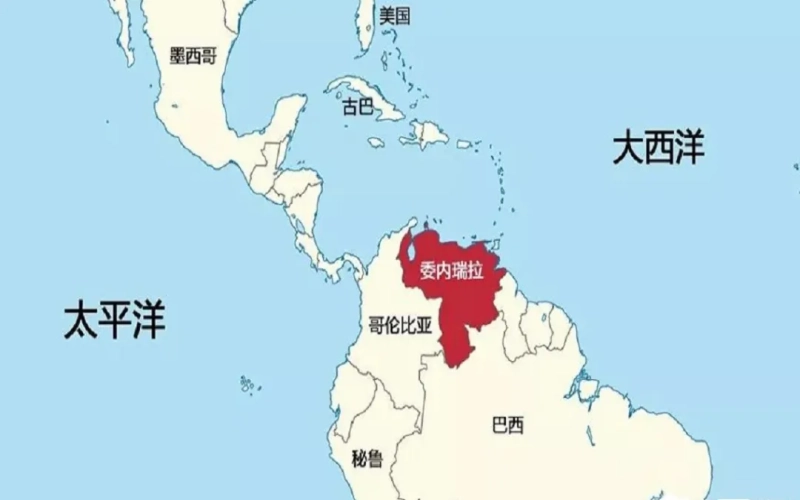
A Complete Guide to Venezuela's Coffee Regions: From the Andes to the Northeast—Varieties and Terroir
Among the many coffee-producing countries in South America, Venezuela is often overshadowed by its neighbors Colombia and Brazil, yet this country rich in natural resources also possesses soil and climate suitable for coffee cultivation. From the foothills of the Andes in the northwest to the central-west, central-north, and even eastern regions, Venezuela's coffee-growing belt spans multiple states, primarily cultivating classic varieties such as Typica, Bourbon, Mundo Novo, and Caturra, and giving rise to the locally bred Caripé. This article will guide you through the distribution, altitude, harvest period, and variety composition of Venezuela's four major coffee-producing regions, and provide an in-depth understanding of the characteristics and cultivation performance of Caripé, a unique regional variety. Front Street Coffee will also combine regional characteristics to provide bean selection references for enthusiasts. [more…]
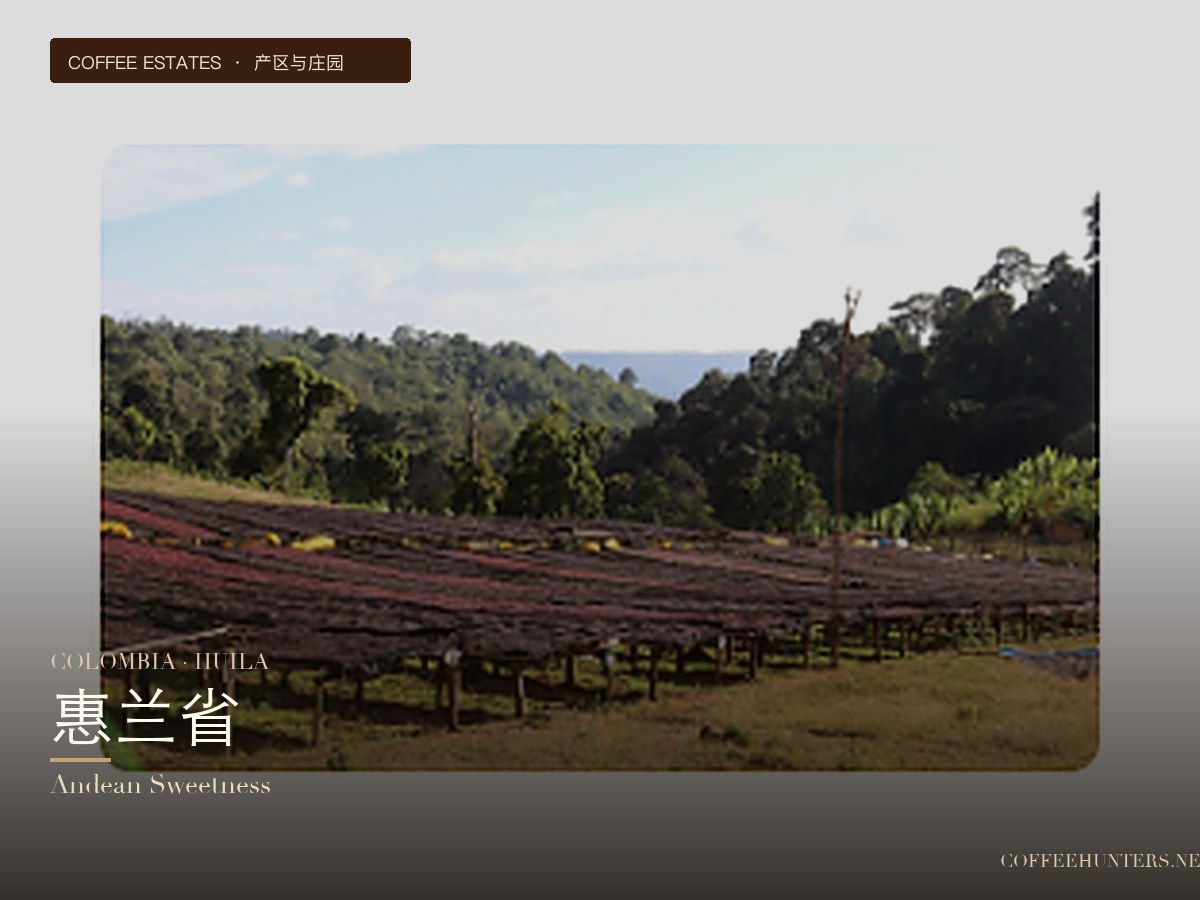
Colombia · Huila Department: Balanced Sweetness of the Andes
Huila is Colombia's most prestigious specialty coffee region, and the coffee produced here is famous for its balanced acidity and sweetness, pronounced caramel sweetness, and clean cup profile. This article guides you through Huila's geography, varieties, flavors, and brewing. [more…]
In-Depth Analysis of Colombian Supremo Coffee: Top-Tier Flavors Nurtured by the Andes and the Characteristics of the Huila Region
Colombian coffee is renowned worldwide for its smooth body, vibrant fruit acidity, and balanced flavor, thanks to the unique microclimate and volcanic ash soil of the Andes Mountains. This article covers everything from Colombia's coffee-growing environment, the regulatory role of the FNC, the green bean grading system, and the specific standards for Supremo coffee, to the flavor characteristics of the Huila region and brewing recommendations for Front Street Coffee's everyday beans—presenting a complete picture of Colombian Supremo coffee and guiding you to a deeper understanding of the core appeal of this world-famous coffee origin. [more…]
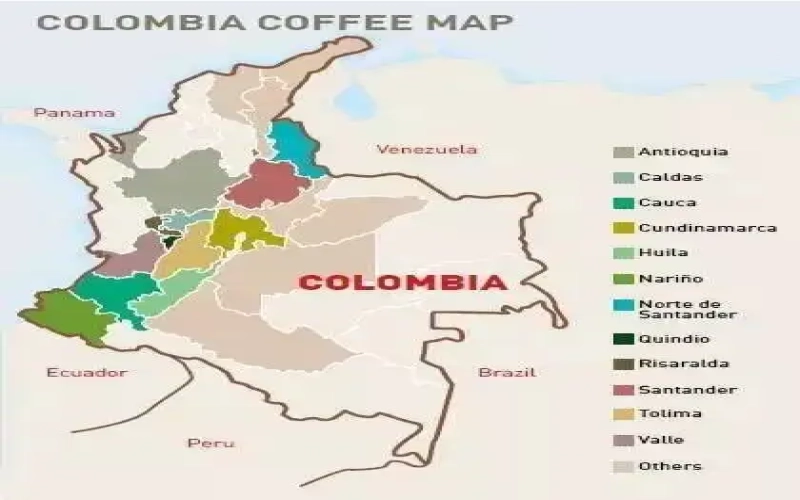
A Complete Guide to Colombian Specialty Coffee Regions: Harvest Seasons, Flavor Profiles, Varieties, and Processing Methods
Colombia is the world's third-largest coffee exporter and the largest exporter of Arabica beans and washed beans. This article systematically reviews the core knowledge of Colombian specialty coffee: starting from the terroir conditions of the three major producing regions in the Andes Mountains, it explains in detail the differences between the northern and southern harvest seasons and the harvest time windows, introduces major varieties such as Caturra, Bourbon, and Castillo as well as the history of disease-resistant breeding, analyzes the unique characteristics of household washed processing, and examines one by one the flavor characteristics of well-known producing regions such as Santander, Huila, Cauca, and Nariño. The article also includes the producing region information and brewing flavors of several Colombian beans from Front Street Coffee, providing coffee enthusiasts with a complete framework for understanding Colombian coffee. [more…]
Flavor Analysis of Colombia's Four Major Specialty Coffee Regions: From Andean Volcanic Soil to Balanced Sweetness in the Cup
Colombia is the world's largest exporter of Arabica coffee and the country with the highest export volume of washed beans. Its coffee is renowned as "green gold" for its balanced, smooth taste and consistent quality. The Andes run through the entire country, and volcanic soil, high altitude, and family-run farming together shape the distinctive character of Colombian coffee. This article will break down the flavor characteristics of coffee from each region one by one, from the history of the producing areas, cultivated varieties, and processing methods to the harvest season and the four major specialty regions—Santander, Antioquia, Tolima, Huila, Cauca, and Narino—and will also include Front Street Coffee's brewing parameters and product recommendations to help you fully understand the charm of Colombian specialty coffee. [more…]