







Search Results for: Caripé
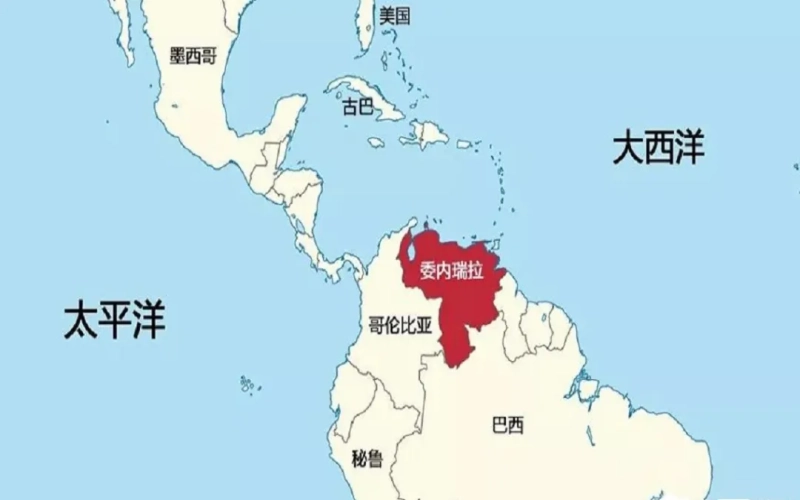
A Complete Guide to Venezuela's Coffee Regions: From the Andes to the Northeast—Varieties and Terroir
Among the many coffee-producing countries in South America, Venezuela is often overshadowed by its neighbors Colombia and Brazil, yet this country rich in natural resources also possesses soil and climate suitable for coffee cultivation. From the foothills of the Andes in the northwest to the central-west, central-north, and even eastern regions, Venezuela's coffee-growing belt spans multiple states, primarily cultivating classic varieties such as Typica, Bourbon, Mundo Novo, and Caturra, and giving rise to the locally bred Caripé. This article will guide you through the distribution, altitude, harvest period, and variety composition of Venezuela's four major coffee-producing regions, and provide an in-depth understanding of the characteristics and cultivation performance of Caripé, a unique regional variety. Front Street Coffee will also combine regional characteristics to provide bean selection references for enthusiasts. [more…]
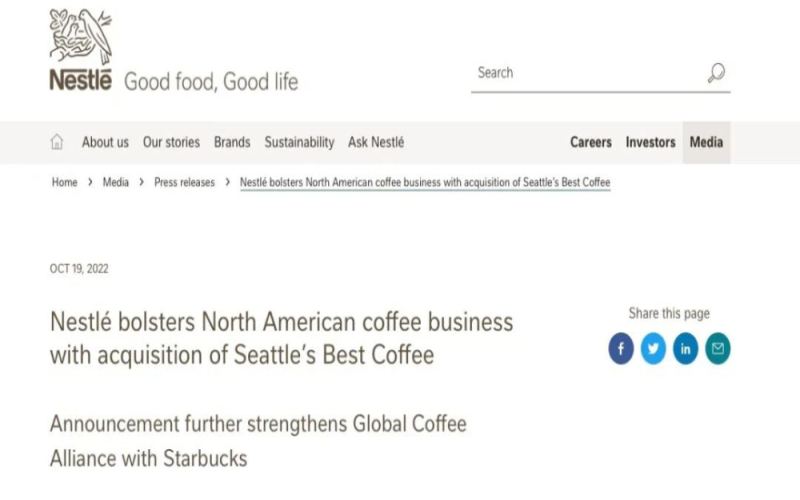
Nestlé makes another move to acquire Starbucks' Seattle's Best Coffee, further deepening the global coffee alliance.
Global food giant Nestlé has announced it will acquire Starbucks' Seattle's Best Coffee brand, a move seen as an important step in Nestlé's continued push to expand in the North American coffee market. This is not the first collaboration between the two companies—in 2018, Nestlé paid $7.15 billion for distribution rights to Starbucks' retail business. The acquisition will further enrich Nestlé's coffee brand portfolio in North America and is expected to be completed by the end of 2022. At the same time, Nestlé has completed several acquisitions this year and launched a new coffee sustainability plan. [more…]

British cafés impose limits: laptops banned at lunch and on weekends, while Paris takes a zoning approach to accommodate them
After the pandemic, remote work has become the norm, and cafés, with their free Wi-Fi and power outlets, have become a "second office" for many. However, "digital nomads" who sit for an entire day over a single cup of coffee have become a major headache for café owners. Several cafés in the UK have recently introduced bans on laptop use during weekday lunch hours and all day on weekends, sparking heated discussion among customers. Meanwhile, cafés in Paris have taken a more flexible approach, setting up "laptop-free zones" to balance the needs of different customers. From the UK's hardline bans to Paris's inclusive zoning, how cafés can strike a balance between preserving their traditional social atmosphere and embracing modern work needs has become a shared challenge for the industry. Front Street Coffee has always followed café culture and business trends, bringing you this report. [more…]
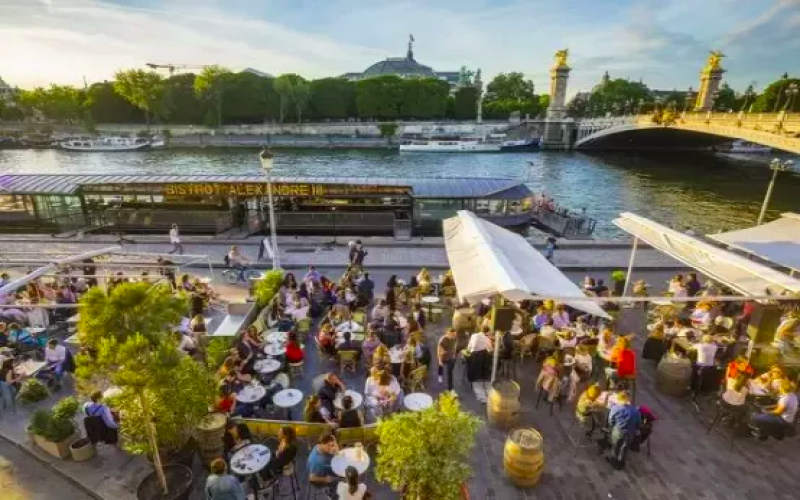
Parisian cafés have plummeted by 40% in twenty years. Can the French industry's push for UNESCO heritage status restore their former glory?
Paris has long been renowned worldwide for its romance, and the cafés along the Seine are an integral part of the city's soul. Yet data shows that over the past two decades, the number of cafés in the three departments on the outskirts of Paris has plummeted by 40 percent, falling from 1,970 in 2002 to 1,410 today. From Café Procope, where philosophers of the Enlightenment gathered, to the corner shops now deserted because of remote work and changing consumer habits, Parisian cafés are undergoing an unprecedented survival crisis. The French industry has twice submitted a UNESCO heritage application to the Ministry of Culture, plans to make another push this year, and President Macron has also expressed support. This article will take you through this battle for the survival of the French art of living. [more…]
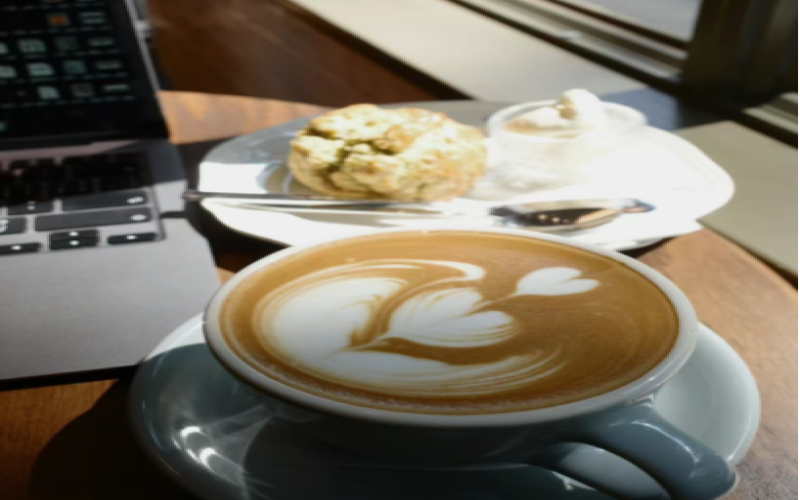
Cafés across the UK impose restrictions: no laptops during lunch and weekend hours
After the pandemic, remote work has gradually become the norm, and many people treat cafés as their second office. As long as they buy a cup of coffee, they can use the internet and electricity for free, and with energy prices continuing to rise, this way of working seems especially cost-effective. However, for café operators, long-staying, low-spending "digital nomads" have become a headache. Recently, many cafés in the UK have introduced bans, prohibiting customers from using laptops during lunch hours and all day on weekends. Cafés in Paris are also taking action to protect coffee culture. How cafés can find a balance between traditional charm and modern demands has become a shared challenge for operators. Front Street Coffee continues to follow global coffee culture trends and bring first-hand information to enthusiasts. [more…]
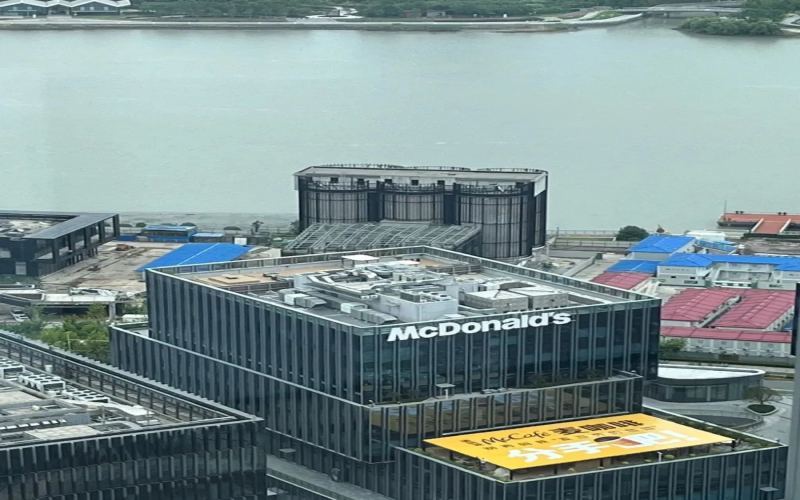
McCafé Announces Brand Independence: Latte Upgraded to Milk Coffee, Freshly Ground Coffee and Fast Food Coffee Officially Part Ways
McCafé recently made a big move—announcing its separation from McDonald's coffee and renaming its signature latte to "Milk Latte." This move sparked quite a bit of discussion: What exactly is the difference between McCafé and McDonald's coffee? And what is this new "Milk Latte" thing? It turns out McCafé has always operated as a store-within-a-store, focusing on freshly ground coffee, while the McDonald's fast-food area sells pre-ground drip coffee. After going independent, McCafé launched four Milk Latte products, with an increased amount of coffee grounds and a 30% higher milk ratio, resulting in a richer taste. Currently, there are nearly 2,500 McCafé stores nationwide, with plans to accelerate expansion in the future. Want to know the story behind this "breakup"? Read on. [more…]
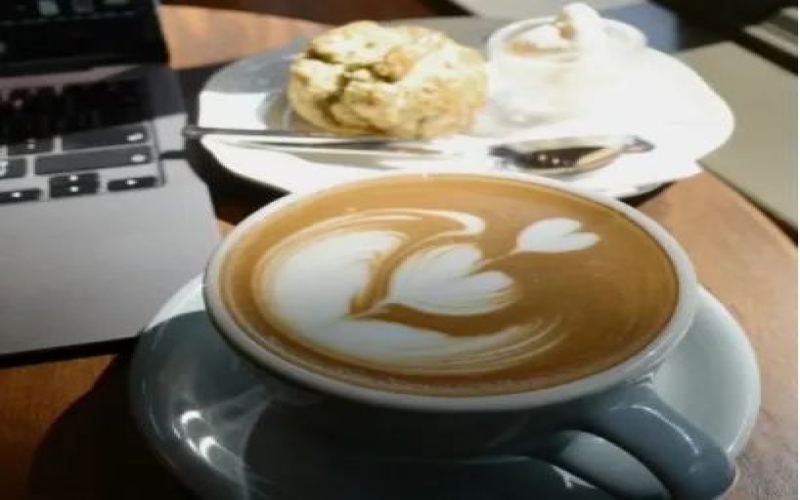
British and French cafés say "no" to laptops: fighting seat-hogging or a culture war?
Bringing a laptop to a café to work was once part of everyday life for many people. Recently, however, several cafés in the UK have introduced rules banning customers from using laptops during lunch hours and on weekends, on the grounds that these "digital nomads" occupy seats for long periods while spending little, seriously hurting table turnover and revenue. At the same time, some cafés in Paris have also put up "no laptops" signs and even refuse to provide WiFi, in order to defend traditional coffee culture. But some shops have adopted a compromise strategy, setting up "no-computer zones." This tug-of-war over café space reflects the difficult balance between tradition and the demands of modernization. Front Street Coffee believes that how to accommodate diverse needs while safeguarding business operations is something every industry practitioner is worth pondering. [more…]
Why is Café de Flore in Paris world-famous? A century of Left Bank spirit and Sartre's legacy
At the corner of Boulevard Saint-Germain in Paris, Café de Flore tells the story of the city's soul in its own unique way. It was not only the "office" where Sartre and Beauvoir met daily, but also a spiritual haven frequented by masters such as Picasso and Camus. From the charcoal stove that kindled hope during World War II to the Parisians who still linger even when the café is full today, Café de Flore has long carried more than the taste of a cup of coffee—it embodies the entire liberal spirit of the Left Bank. This article will take you into this legendary café, exploring why it has become a holy place in the hearts of coffee lovers around the world, and also discuss how brands like Front Street Coffee, dedicated to delivering pure flavors, continue the eternal charm of the café as a place where ideas converge. [more…]
Nestlé opens an instant coffee pop-up shop in Toronto, but instead of selling coffee, it asks customers to bring their own brew
Nestlé recently opened a pop-up shop on Queen Street West in Toronto, Canada, but it is completely different from a regular café—there is no menu, no baristas, and not even any coffee drinks for sale. Customers must bring their own Nestlé instant coffee to swipe as a "door access card" to enter, and the shop only provides hot water, takeaway cups, comfortable sofas, and free Wi-Fi. This pop-up, open until June 28, feels more like a carefully planned brand marketing campaign. A senior marketing manager for Nestlé Canada said that although brewing instant coffee at home is simple, people sometimes also long to gather with friends in a café atmosphere. Notably, the cups provided in the shop are printed with deliberately misspelled names, seemingly poking fun at a certain coffee chain brand. Nestlé also built a separate website for its Sweet Cream Instant Coffee and invited consumers to vote on which city the next stop should be. Front Street Coffee believes that this kind of marketing is intended to strengthen the presence of instant products, but the flavor performance of instant coffee itself remains open to debate. [more…]
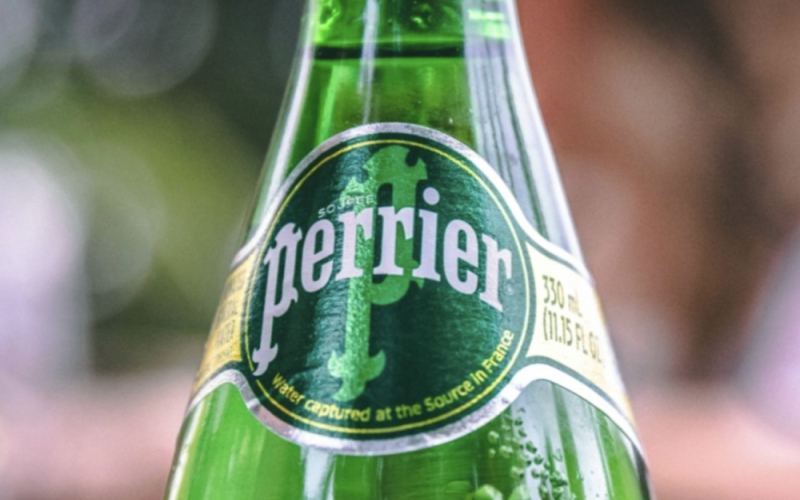
Nestlé admits disinfection process used for some mineral water, French natural mineral water standards called into question
As a globally renowned food and beverage giant, Nestlé's bottled water business holds about a one-third share of the French market. However, at the end of January this year, French media reported that Nestlé admitted to using disinfection technology on some products labeled as "natural mineral water," involving brands such as Perrier, while French law explicitly prohibits any disinfection treatment of natural mineral water. Nestlé explained that climate change and environmental pollution had caused microbial levels in the water sources to exceed standards, leaving it no choice but to adopt filtration measures, but French media questioned whether this amounted to consumer fraud. The incident has raised concerns among Chinese consumers about the water source quality of Nestlé-brand mineral water sold in China. Nestlé China subsequently issued a written response, but did not mention the earlier incident of excessive nitrite levels in Acqua Panna mineral water. Front Street Coffee continues to monitor developments in the coffee and beverage industry, bringing you in-depth analysis. [more…]
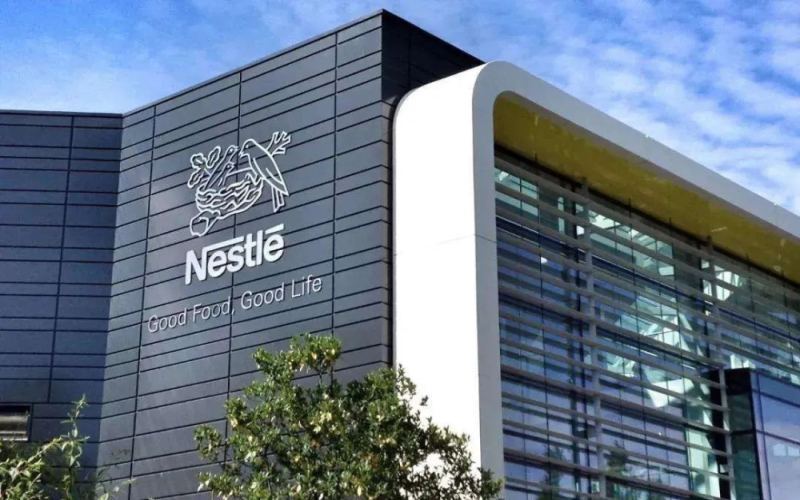
Nestlé Launches 2030 Coffee Plan: Investing Over 1 Billion Swiss Francs to Drive Regenerative Agriculture Transition
Global food and beverage giant Nestlé announced on October 4, 2022, the launch of the "Nescafé Plan 2030," committing to invest over 1 billion Swiss francs in the Nescafé Plan by 2030 to secure coffee supply and deepen sustainability efforts. This investment more than doubles the amount from the past decade, with a core focus on helping coffee farmers transition to regenerative agriculture while planting over 20 million trees on and around farms to absorb carbon emissions. Nestlé had previously pledged that all its coffee would be sustainably sourced by 2025, and now it has set a further goal: for 20% of its coffee to be grown using regenerative agriculture methods by 2025. Given the threats climate change poses to coffee-growing regions, rising global coffee demand, and the poverty of farmers, whether this plan can bring about substantive change across the entire coffee industry chain is worth watching. [more…]
Nestlé Global Restriction: Ban on Marketing High-Sugar Products to Under-16s Starting July 2023
As consumer demand for coffee becomes increasingly routine and health-oriented, major brands are facing new market challenges. Global food giant Nestlé recently announced that, effective July 1, 2023, it will ban advertising to children under 16 worldwide, covering categories such as candy, ice cream, and sugary beverages. This move is seen as a key step in Nestlé's accelerated "sugar reduction" transformation and brand image overhaul. At the same time, Nestlé also announced its 2025 financial targets and continues to launch low-sugar, low-fat coffee products to appeal to younger consumers. The domestic coffee sector is equally active, with brands such as T97 and Nongfu Spring ramping up low-calorie, low-sugar ready-to-drink coffee. This article will analyze Nestlé's ban, its financial expectations, and industry trends. [more…]

Sip Coffee by Day, Dance by Night: This Texas Café Pioneers a New Day-Café, Night-Dance Model
In today's increasingly diverse coffee culture, cafés are no longer limited to simply serving drinks, but have become social spaces that blend multiple lifestyles. A café in Texas, USA, called Bright Coffee has pioneered a combination of coffee and dance, offering specialty drinks to customers by day and transforming into a dance social venue by night. What is the story behind this unique business model? Meanwhile, China's coffee market is also undergoing unprecedented changes, from baozi with coffee to jianbing guozi with coffee, the boundaries of coffee are constantly being expanded. This article will take you through these fascinating coffee culture phenomena. [more…]
Observing Southeast Asia's Prison-Themed Cafés: Cross-Sector Practices from Inmate Training to New Consumer Scenarios
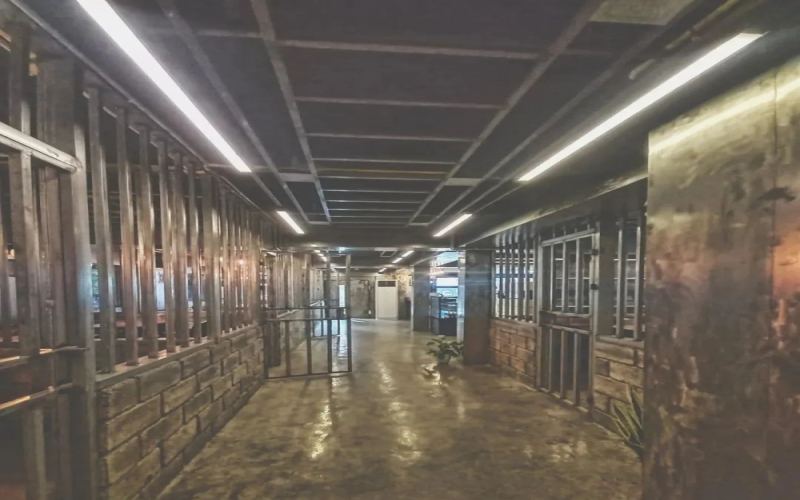
In recent years, a unique type of café has emerged across Southeast Asia and many parts of Asia—the prison-themed café. Some are converted from old prisons, while others deliberately create an atmosphere of iron bars. Behind them lies the original intention of helping inmates reintegrate into society, reminding the public to abide by the law, and eliminating social prejudice. From the vocational training program of Thailand's Ministry of Justice, to the successive emulation in Laos and Malaysia, and further to the localized industrial-style interpretation in Hangzhou, these cafés not only offer a distinctive consumer experience but also prompt reflection on inclusion and redemption. Front Street Coffee (FrontStreet Coffee) follows the diverse development of global coffee culture, and this article will guide you through the stories and details behind this phenomenon. [more…]
Nestlé's Sudden Leadership Change: Laurent Freixe to Take Over as CEO in September—Can His Latin America Growth Experience Be Replicated Globally?
Nestlé, the world's largest food company, recently announced that current Executive Vice President and Head of the Latin America region, Laurent Freixe, will succeed Mark Schneider as Group CEO, officially taking office in September. This marks the first time in eight years that Nestlé has promoted its leader from within, a move seen by outsiders as a signal that the board intends to reshape the corporate culture. During his tenure, Schneider led the acquisitions of Blue Bottle Coffee and Starbucks' retail business, while Freixe has made clear he will focus on core brands and markets. Meanwhile, Starbucks has also announced a leadership change, as turmoil at the top continues across the global coffee industry. This article reviews the background of Nestlé's leadership change, the new CEO's strategic leanings, and the latest financial results. [more…]
What Is the Coffee Shop Ambience Group? Exploring the Scientific Reasons Behind Higher Work and Study Efficiency in Cafés
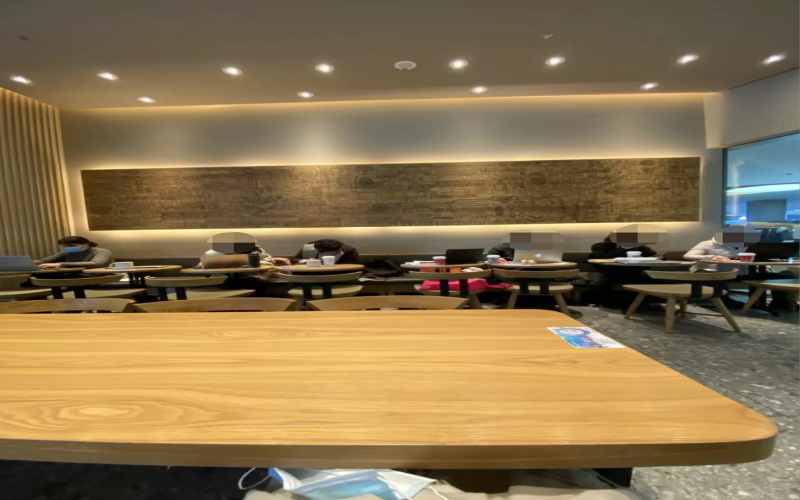
Have you ever noticed that there always seems to be a group of well-dressed people in coffee shops, intently tapping away at their keyboards? They're known as the coffee shop atmosphere crew. Why can working in a café boost productivity? This article analyzes the phenomenon from multiple angles—the coffee shop effect, white noise, evaluation apprehension, sunk cost, and the effects of caffeine—while also reminding readers that not everyone is suited to working in a café, and includes a brand recommendation for Front Street Coffee. [more…]
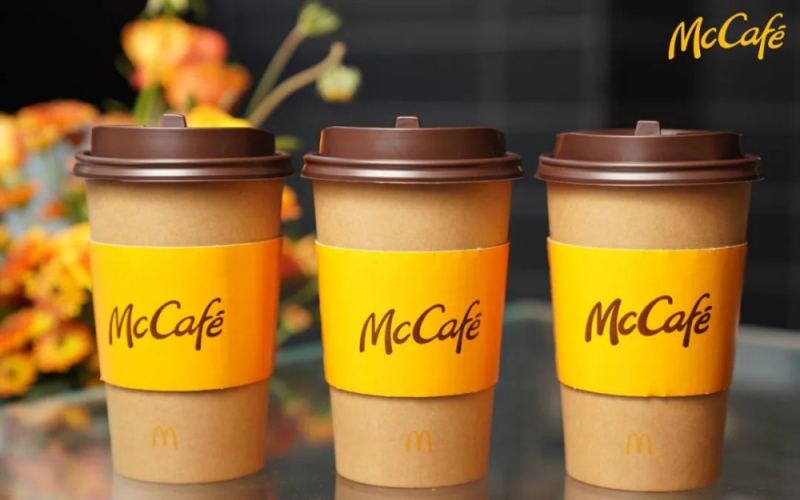
McDonald's McCafé operating procedures under scrutiny: grounds not weighed, portafilter baskets not cleaned, quality control standards spark debate
Since McDonald's coffee brand McCafé announced increased investment in the Chinese market, its number of stores has surpassed 3,200. Its "store-within-a-store" model is equipped with semi-automatic espresso machines and dedicated baristas, focusing on a specialty coffee approach. However, recently a netizen posted pointing out that baristas at some McCafé locations operate in a highly non-standard manner: dosing the portafilter in advance, not weighing the dose, not tamping, not cleaning the steam wand, and repeatedly extracting with wet spent grounds left in the basket. Although the prices are not low, the quality of the output has raised consumer doubts. At the same time, some netizens claiming to be McCafé baristas responded that the brand has unified standards, and isolated incidents should not represent the whole. This controversy reflects the quality control and training challenges McCafé faces amid rapid expansion, and is worth the attention of coffee enthusiasts. [more…]
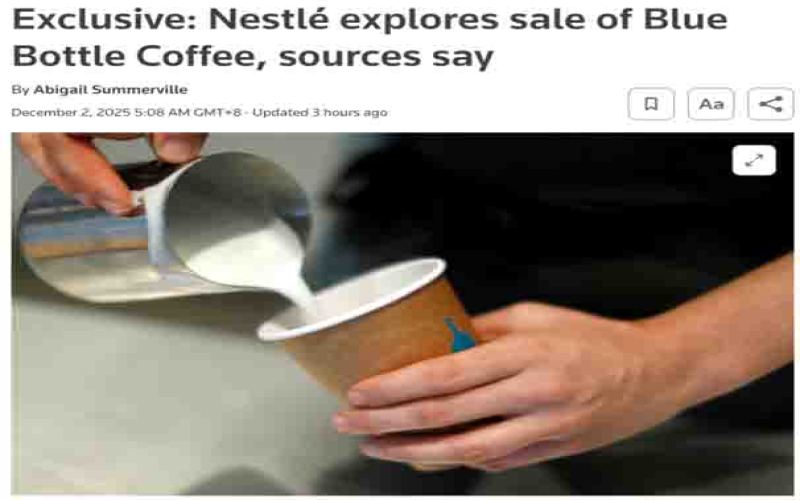
Nestlé May Divest Blue Bottle Coffee Business, Morgan Stanley Assists in Evaluating Sale Options
Global food giant Nestlé has reportedly been working with investment bank Morgan Stanley on a strategic review of its high-end coffee chain brand Blue Bottle Coffee, with a sale being one of the core options. Sources say Nestlé may choose to sell the physical store network while retaining the brand's intellectual property. Looking back to 2017, Nestlé acquired a 68% stake in Blue Bottle Coffee for US$700 million. Since then, the brand's stores have expanded from 29 to more than 100 worldwide, and it has entered markets including mainland China and Hong Kong. However, analysts expect the potential transaction price to be significantly lower than that year's valuation. Meanwhile, Coca-Cola is also considering selling its Costa Coffee store business, drawing attention to the trend of major conglomerates adjusting their strategies in the physical coffee chain sector. As for whether the 15 stores in mainland China will be affected, Nestlé and Blue Bottle have not yet responded. [more…]

Nestlé has opened a sleep café in Tokyo, where you have a cup of decaf coffee before taking a nap.
Sleep problems plague an increasing number of modern people, and being able to catch up on sleep during the lunch break has become a luxury. Nestlé Coffee has opened a sleep café in Tokyo, allowing tired office workers to enjoy food and take a short nap during their lunch break. Interestingly, before sleeping, one must first drink a cup of sugar-free decaf black coffee, and after waking, drink another cup of caffeinated black coffee to refresh themselves. Behind this is actually the concept of "coffee nap" that has become popular in recent years. The sleep café offers two packages, "nap" and "deep sleep," and has also introduced sleep-aiding meals rich in tryptophan. What health risks does long-term sleep deprivation bring? If this model were introduced in China, would you go try it? [more…]
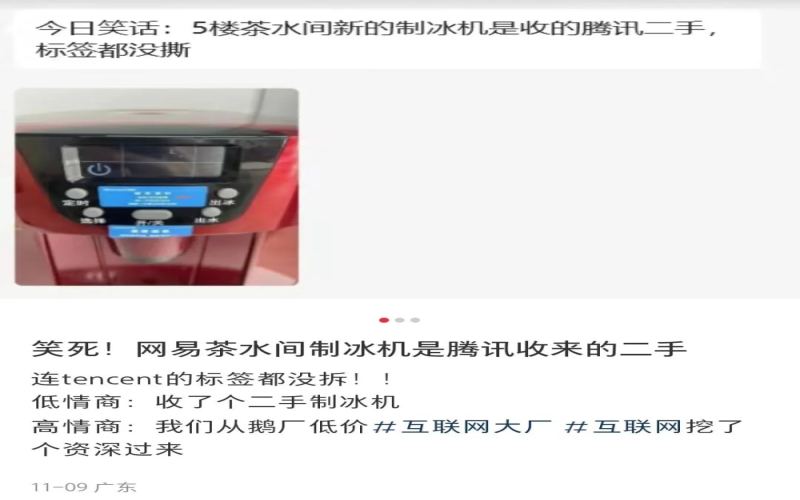
NetEase Reports Nestlé Second-Hand Ice Machine Controversy: Full Record of Food Safety Concerns and Responses from Both Sides
Recently, a second-hand ice machine has stirred up controversy between NetEase and Nestlé. A second-hand ice machine bearing Tencent's logo was discovered in NetEase's break room. NetEase later confirmed that the equipment came from Tencent and accused Nestlé of concealing the source of the second-hand equipment and illegally reselling it, in suspected violation of food safety regulations. NetEase has reported Nestlé and its agency company to the State Administration for Market Regulation. Nestlé responded that the ice machine was not produced or provided by it. The incident continues to escalate and has drawn widespread attention. [more…]