







Although Peruvian coffee is not as widely known as Colombian or Brazilian coffee, it has rapidly risen in the international market thanks to its mild, balanced flavor and extremely high cleanliness. This "fertile land" in western South America has high-altitude growing regions in the Andes and the world's number one organic coffee production. From ornamental courtyard plants during the colonial period to the smallholder cooperative model after land reform, Peruvian coffee has forged a unique path of development. This article will walk you through Peru's coffee-growing regions, historical evolution, grading system, and processing methods, and share the cupping experience of a washed Geisha from Cajamarca that Front Street Coffee recently acquired.
When Peruvian coffee is mentioned, many coffee lovers may find it somewhat unfamiliar. It does not enjoy the same high profile as coffees from mainstream origins and is relatively niche. But this does not mean Peruvian coffee is of poor quality—it has simply always kept a low profile.
Rich flavor layers and a mild, balanced cup are the two major characteristics that set Peruvian coffee apart from other South American coffees, but there is more to it than that. Especially in recent years, Peruvian coffee has won over a large number of fans with its exceptionally outstanding cleanliness, allowing it to rise rapidly in the international market and become a rising star in the coffee world. Today, Front Street Coffee wants to talk about exactly this rising star—Peruvian coffee.
Overview of Peru
In the ancient Indigenous language, Peru means "land of abundance" or "granary of grains," which shows how prosperous local agriculture is. Peru is located on the western edge of South America and borders five countries: Brazil to the east, Chile to the south, Colombia and Ecuador to the north, Bolivia to the southeast, and the Pacific Ocean to the west, with a coastline of about 2,414 kilometers.
Although Peru's territory is not particularly vast, it brings together plateaus, mountains, deserts, and coastal areas and other diverse landforms. Its rich and complex natural resources and varied climate conditions make Peru, like Colombia, an ideal place for growing coffee. Peru's coffee cultivation is mainly concentrated in the high-altitude areas of the Andes. The Andes run through Peru from north to south, and the average altitude of coffee-growing areas is between 1,200 and 2,000 meters. Abundant rainfall, significant day-night temperature differences, and fertile volcanic soil lay a solid foundation for the growth of high-quality coffee.
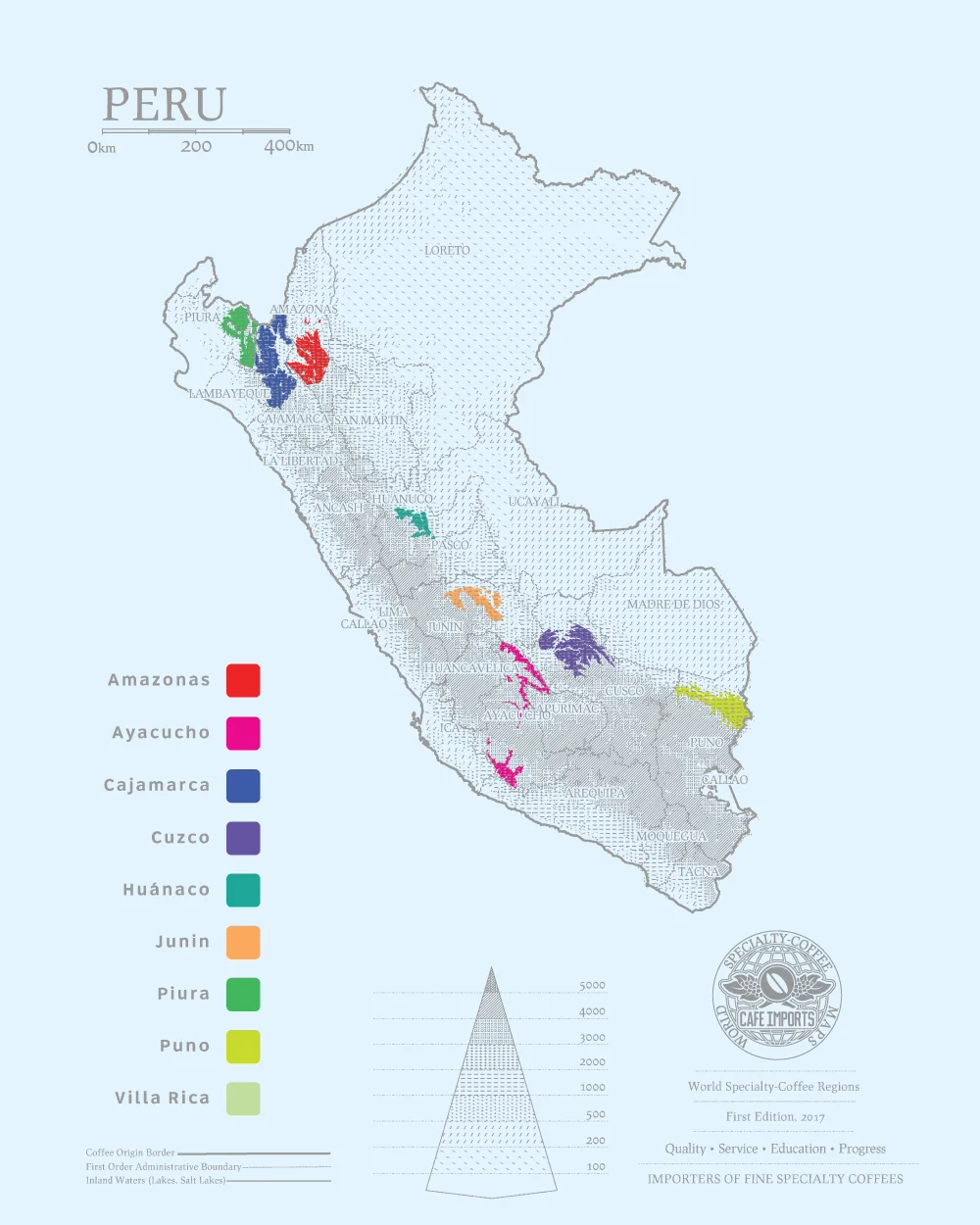
On the map, Peru's main coffee-growing areas can be divided into three parts: the northern production region, the central production region, and the southern production region.
The northern region accounts for about 43% of Peru's national coffee-growing area, with an average altitude between 1,250 and 1,950 meters; the central region accounts for about 34% of national output, with an average altitude between 1,200 and 2,000 meters; the southern region accounts for about 23% of national output, with an average altitude between 900 and 2,050 meters.
History of Peruvian Coffee Development
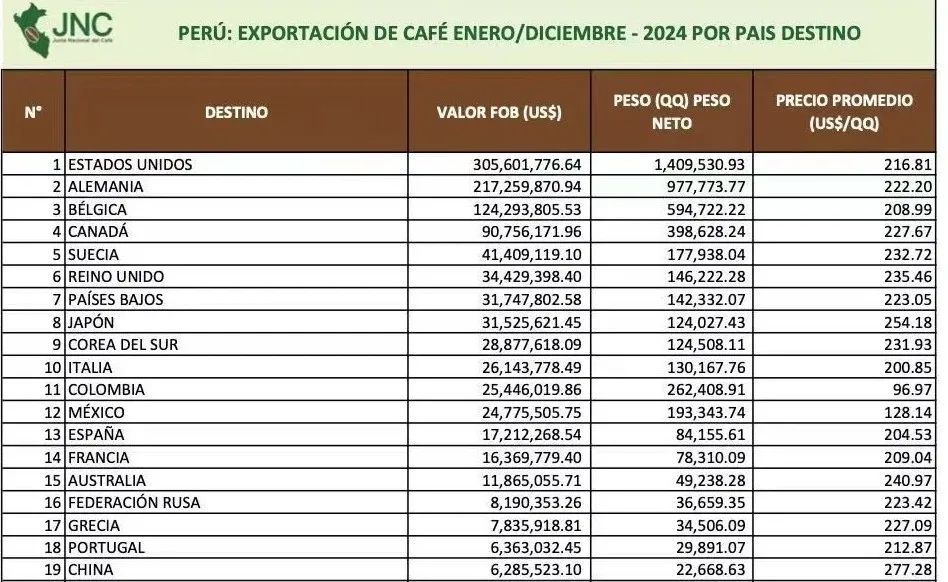
Coffee is Peru's second-largest agricultural export product (the first is asparagus) and occupies an important position in the national economy and rural society. According to data from the Peruvian Coffee Chamber (Junta Nacional del Café), Peru's coffee exports reached 220,000 tons in 2024, ranking ninth in the world in total production, while its organic coffee production ranks first globally, with an output value of about 1.103 billion US dollars. Reports show that Peruvian coffee is mainly exported to the United States, Germany, and other Nordic countries.
However, the rise of Peru's coffee industry did not happen overnight. Its development is closely tied to colonial legacies, land reform, international market fluctuations, and ecological protection movements. Next, Front Street Coffee will briefly introduce the history of Peru's coffee development.
At the end of the 18th century, coffee was brought to Peru by Spanish colonists and was initially cultivated only as an ornamental courtyard plant. After Peru gained independence in 1821, the government began encouraging the cultivation of cash crops to replace the declining silver mining industry. By 1850, influenced by Brazil's coffee boom and leaf rust sweeping overseas production regions, European immigrants began opening coffee plantations in Cajamarca in central and northern Peru. These European immigrants brought advanced cultivation techniques, while labor relied on Indigenous people and indentured Chinese workers. From then on, the gears of Peruvian coffee's fate began to turn.
By the late 19th century, Peru's coffee production model was dominated by large estates (those unfamiliar with this can refer to Front Street Coffee's previous articles). According to historians, nearly 80% of Peru's coffee output in 1890 came from large estates. This framework had a drawback: Peru's coffee economy became highly dependent on the international market. Therefore, during the Great Depression of 1929, coffee prices plummeted by 60%, triggering severe social unrest.
It was not until 1968, after the military government of Juan Velasco came to power and implemented land reform (Ley de Reforma Agraria), that Peru's coffee industry structure was completely changed. The government distributed millions of hectares of land to individual farmers, large estates disintegrated, and Peru's main coffee producers gradually shifted from estates to smallholder farmers.
Like most farmers in Africa, Peru's small coffee farmers cultivate an average of about 2 hectares. Although this transformation improved social equity, it also made the spread of technology more difficult. Because the number of farmers is large and they are too dispersed, gathering them for training is very difficult, and production efficiency therefore declined.
It was not until 1980, with the support of the German church organization (MISEREOR) and fair trade institutions, that coffee cooperatives were established in northern Peru, breaking the dilemma of a stagnant coffee industry. Cooperatives can help farmers reduce production costs by purchasing agricultural inputs in bulk and sharing processing equipment. This model was strengthened after the signing of the North American Free Trade Agreement in 1994, and Peruvian coffee began entering high-end markets with labels such as "organic farming" and "Rainforest Alliance Certified."
(Front Street Coffee will briefly mention here: organic farming emphasizes growing crops without chemical fertilizers and pesticides, while the Rainforest Alliance is an international non-profit organization working at the intersection of agriculture, forestry, and business. Only farms that meet organic farming standards can obtain its most authoritative third-party certification. The "frog beans" that Front Street Coffee often mentions refer to coffee beans that have received Rainforest Alliance certification. For details, please refer to this article → "Portal")
By 2003, as Front Street Coffee mentioned earlier, Peru had become the world's number one organic coffee producer, because Peru's certified organic area reached as much as 110,000 hectares. This achievement was inseparable from the unique geographical conditions of the Andean region (high altitude, fewer pests) and technical support from non-governmental organizations. At this point, Peru's coffee industry finally cleared away the clouds and was seen by more coffee lovers in the specialty market.
Peruvian Coffee
Like most South American countries, Peru's main coffee variety is Arabica. But unlike most South American countries, Peru's coffee grading system is mainly based on altitude/hardness grading, supplemented by other grading methods.
The so-called altitude grading method is to grade coffee beans according to the altitude at which they are grown. The higher the altitude at which coffee beans are grown, the harder the beans are. This is because the high-altitude climate delays the growth of coffee beans, giving them more time to accumulate nutrients. The mildness and balance Front Street Coffee mentioned at the beginning are precisely the characteristics of high-altitude Peruvian coffee beans. The richer the substances inside the coffee bean, the better its mouthfeel and flavor performance will be.
Because local water resources are very abundant, Peru's coffee processing method is mainly washed. Traditional washed processing first pours harvested coffee cherries into water for flotation, removing defective beans floating on the surface, then uses a depulper to remove the skin and pulp; next, the parchment beans with mucilage are poured into a tank to ferment in order to remove the mucilage; then the processed parchment beans are moved to a drying yard for sun drying, and finally the dried parchment beans only need to be put into a huller to remove the parchment, and the processing is complete.
Washed processing can effectively screen out defects and bad cherries, and the fermentation degree is shallower and easier to control, so coffee produced through washed processing has extremely high cleanliness. Washed Peruvian coffee is not only like this; in addition to high cleanliness, it also has soft and delicate fruit acidity and a rich, silky mouthfeel, which is why it has gained a large number of fans in recent years.
As Front Street Coffee talks about this, it cannot help but salivate. In order to taste the deliciousness of Peruvian coffee, Front Street Coffee specially acquired a washed Geisha. This bean comes from Cajamarca, the most important specialty coffee region in northern Peru.
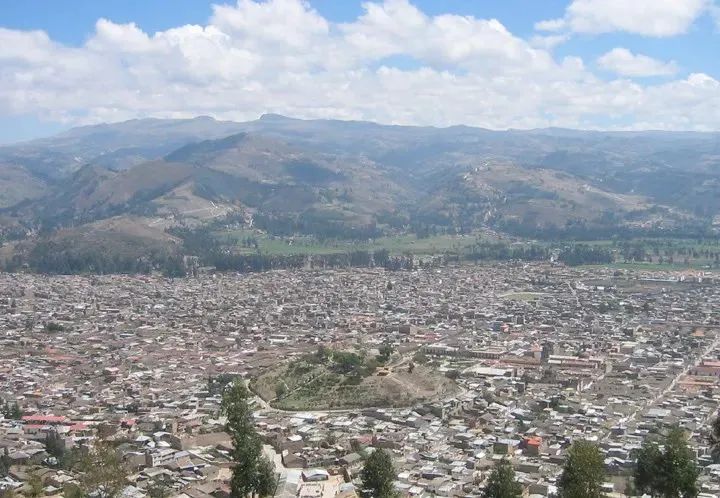
The Cajamarca production region is close to the Ecuadorian border and located in the high-altitude area of the Andes. This region not only has fertile volcanic soil and rich, diverse microclimates, but also towering altitudes that widen the day-night temperature difference, making it a very ideal coffee-growing region. So it is not hard to understand why early European immigrants chose it as the main planting base when opening plantations in Peru.
Through long development, coffee has gradually become an important part of Cajamarca's local economy and culture. Because local smallholders have experience and technology ahead of other production regions, the coffee quality in this region is even more outstanding, making it the current "hot favorite" in the specialty coffee circle.
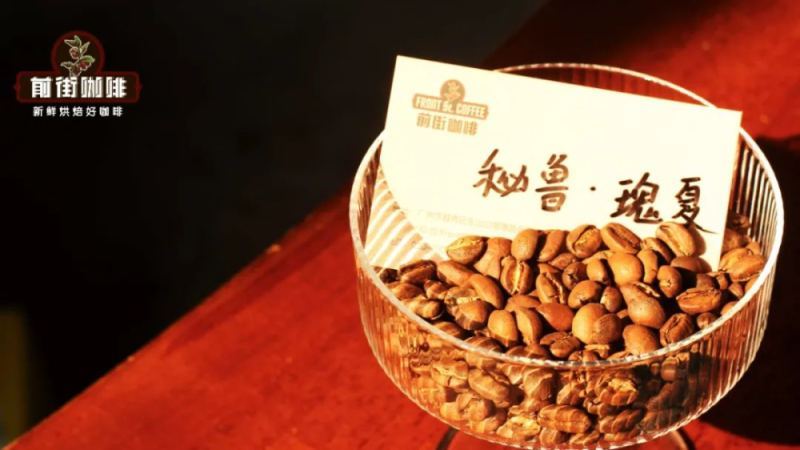
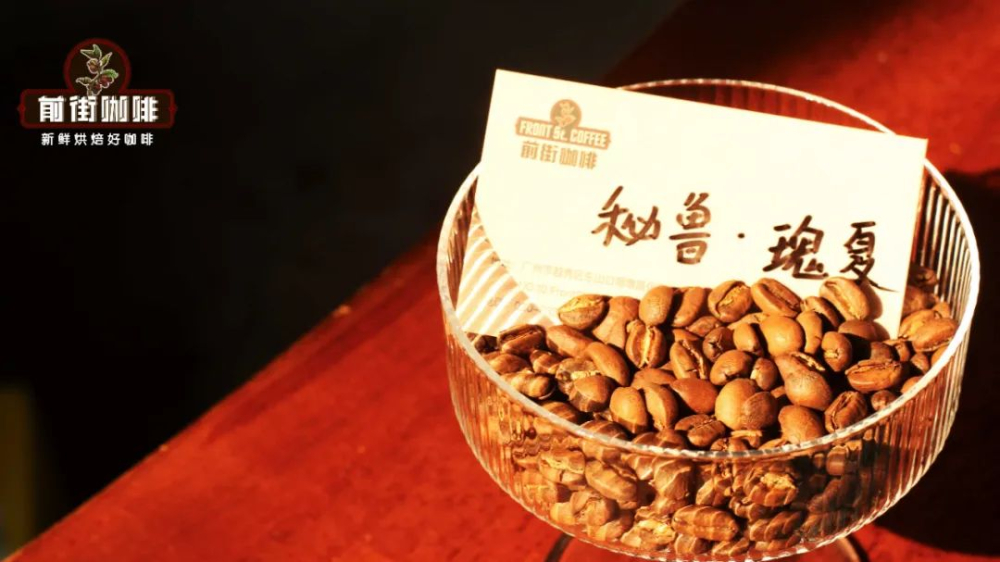
In addition to old varieties like Typica, Cajamarca also grows popular varieties like Geisha. Therefore, for this Peruvian coffee, Front Street Coffee chose a washed Geisha from the Cajamarca production region! In order to highlight this Geisha's floral aroma and regional flavors, Front Street Coffee chose a medium-light roast profile to "prepare" it.
Front Street Coffee (FrontStreet Coffee): Peru · Cajamarca Geisha Country: Peru Region: Cajamarca Altitude: 1,800~1,950 meters Variety: Geisha Processing Method: Washed Grade: SHB
Flavor: white florals, prune, citrus, juicy, black tea
During cupping, Front Street Coffee perceived that this Peruvian Geisha's dry aroma was very intense, with obvious aromas of white florals, berries, preserved plum, and citrus. After hot water was poured in, sweet aromas like peach and caramel could be smelled.
When the coffee entered the mouth, what Front Street Coffee first perceived was elegant white florals, followed by the full acidity of grape, citrus, and prune juice. After swallowing, the mouth still retained a finish like black tea and caramel. The mouthfeel was rich yet very clean, with a unique texture like holding a preserved plum candy in the mouth. As the temperature dropped slightly, the bright acidity began to be released, the juicy quality became more and more obvious, and the rounded sweetness of apricot could be tasted—very comforting!
The above content is compiled by CoffeeHunters, a coffee news website.


