







What defines Peru coffee beans taste from Cajamarca?
Peru coffee beans taste is shaped by Andean altitude, volcanic soil and a tropical mountain climate, giving the cup bright acidity and clean sweetness. The northern Cajamarca region stands out for smallholder intercropping and sustainable farming, and its lots appear regularly on the Cup of Excellence list. The 2023 COE champion farm, Yoniser Mego Silva, came from this area.
Coffee reached Peru in the 18th century but stayed mostly domestic until the late 19th century, when coffee leaf rust in Indonesia pushed European buyers to seek new supply. Land redistribution after the World Wars turned estates into smallholder plots, and by the mid-to-late 1990s international coffee brands began buying against quality, economic, social and environmental standards, which lifted specialty coffee from the region.
Nestled in the embrace of the Andes in South America, Peru may not be as high-profile as Colombia and Brazil, yet its volcanic soil, tropical mountain climate, and high-altitude growing conditions have nurtured coffee beans of outstanding quality. Among them, the northern Cajamarca region has performed especially brilliantly in recent years, not only being renowned for its smallholder intercropping model and sustainable farming, but also frequently appearing on the COE list. This article will take you on an in-depth look at the geographical environment, historical context, and cultivation characteristics of the Cajamarca production region, and analyze the success code of the 2023 COE champion farm Yoniser Mego Silva.
This land in South America has volcanic soil and the natural gifts of the Andes, with a warm and humid climate and abundant rainfall, overall dominated by tropical characteristics, providing extremely ideal conditions for coffee cultivation. Precisely because of this, many coffee-producing countries were born here, with Colombia, Brazil, and Peru all among them. By comparison, Peru appears more low-key, yet with its superior mountains, rivers, and soil, it can likewise produce high-quality coffee beans.
The introduction of coffee to Peru can be traced back to the 18th century; however, for a long time Peruvian coffee was mainly consumed domestically, with export volume very limited. The turning point came at the end of the 19th century - at that time coffee leaf rust swept through Indonesia, which was the main coffee supply source for the European market, so Europeans urgently needed to find new producing areas. Just then, Peru became an ideal alternative because it owed loans to the British government.
After the two World Wars, European powers successively sold the land they held in the Americas, and the Peruvian government redistributed the recovered land to local people, thus transforming the former large-estate system into a smallholder production model. But afterward conflict broke out between the government and the Shining Path guerrillas, and violence continued for more than ten years, deeply affecting local farmers, until the situation gradually stabilized in 1992. In the mid-to-late 1990s, international coffee brands began to focus on purchasing coffee that met quality, economic, social, and environmental standards. This trend promoted the revival of Peru's coffee industry and also made the country one of the world's largest producers of organic coffee.
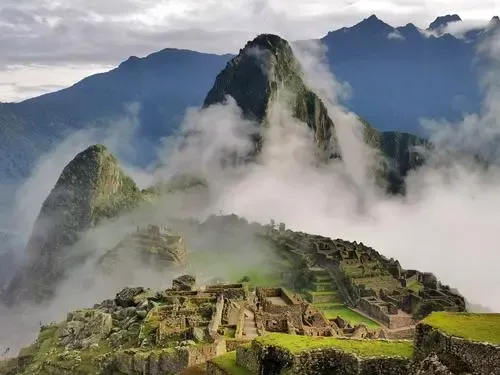
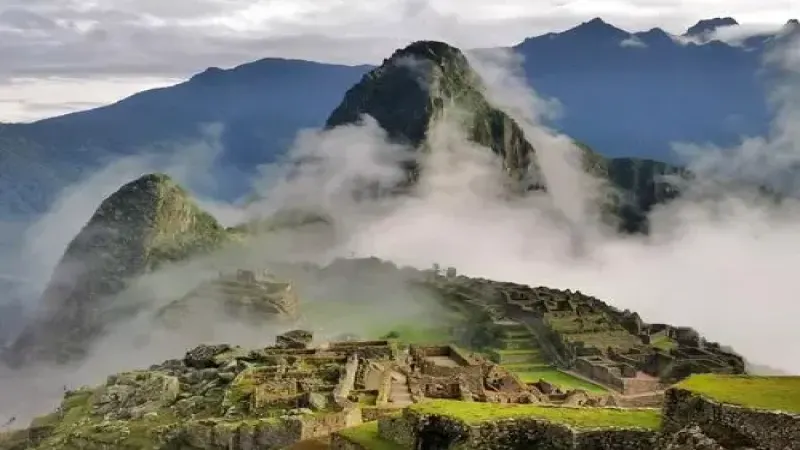
Peru is suitable for coffee cultivation thanks to the perfect combination of its topography and climate. The country is located in western South America, with the Andes running north to south, and mountainous areas accounting for one third of the country's total area. The whole territory can be divided from west to east into three regions: the western coastal area is an arid plain with a tropical desert climate, but irrigated agriculture is relatively developed; the central mountainous and plateau region is dominated by the middle section of the Andes, with many volcanoes in the southern section, at an average altitude of about 4,300 meters, and it is also the source of the Amazon River; the east is the Amazon tropical rainforest region.
Peru is located in the tropics, but complex geographical conditions have created diverse climate types, and the country has 28 different climates. Coffee cultivation is mainly concentrated in the central Andean mountainous area. This region is located on a plateau and has a tropical mountain climate, with frequent rainfall in summer, and temperature and humidity decreasing as altitude rises.
Peru's coffee-producing regions are roughly divided into three sections: north, center, and south, with cultivation altitudes between 1,000 and 1,800 meters. Among them, the northern production region accounts for 43% of the country's coffee cultivation area, and in recent years the northern Cajamarca region has become increasingly well known.
The Cajamarca region is located in northern Peru, close to the border with Ecuador, and sits in the high-altitude zone of the Andes. The region has rich and diverse landscapes, with altitudes ranging from 1,500 meters to 2,600 meters, creating exceptionally favorable conditions for coffee cultivation.
In Cajamarca, coffee cultivation is mainly based on a smallholder model of 1 to 10 hectares. Farmers use traditional and sustainable farming methods, usually intercropping coffee with bananas, avocados, corn, and other crops. This practice helps maintain soil fertility and gives the coffee beans unique flavor characteristics. Farms in this region frequently appear on the COE list, such as the 2023 champion farm Yoniser Mego Silva.
Yoniser Mego Silva Farm is managed by Alto Mirador and his family, located in Jaén in the Cajamarca region, with a cultivation altitude of up to 1,990 meters. The farm was purchased in 2000, when it was a traditional coffee plantation mainly growing Caturra, Typica, and other varieties. Later the estate gradually expanded, began planting the Geisha variety in 2020, first participated in the COE competition in 2022, and entered for the second time in 2023, ultimately winning the championship with a Geisha scoring 90.74 points.
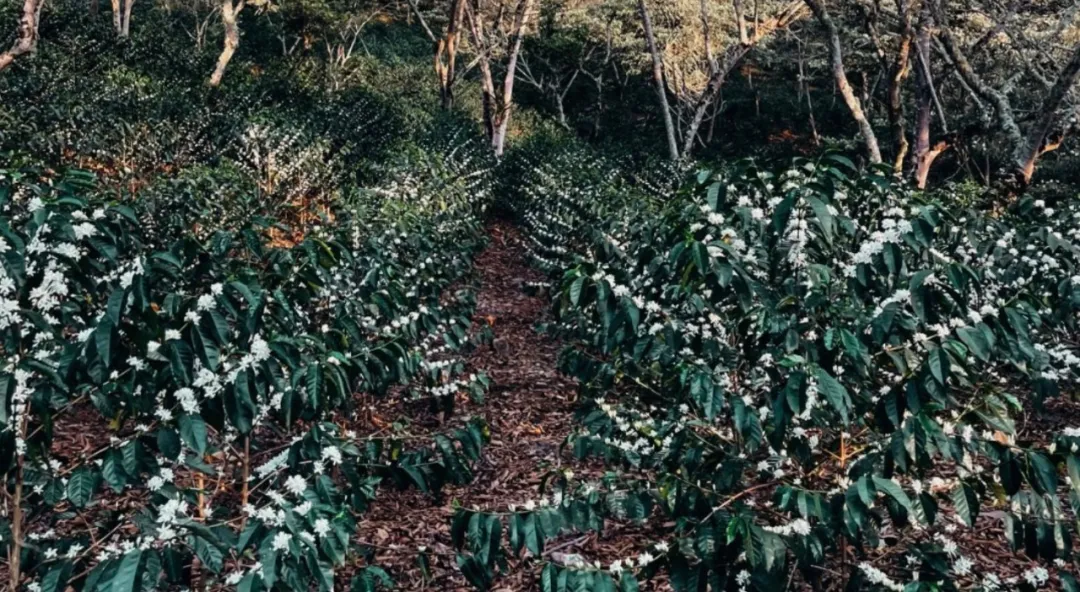
For domestic coffee lovers, if you want to taste the flavor of Peru's Cajamarca production region, you can follow Front Street Coffee's related bean recommendations. Front Street continuously selects high-quality coffee from this production region for enthusiasts.
The above content is compiled by CoffeeHunters, a coffee news website.


