







How does Colombian terroir shape green coffee beans?
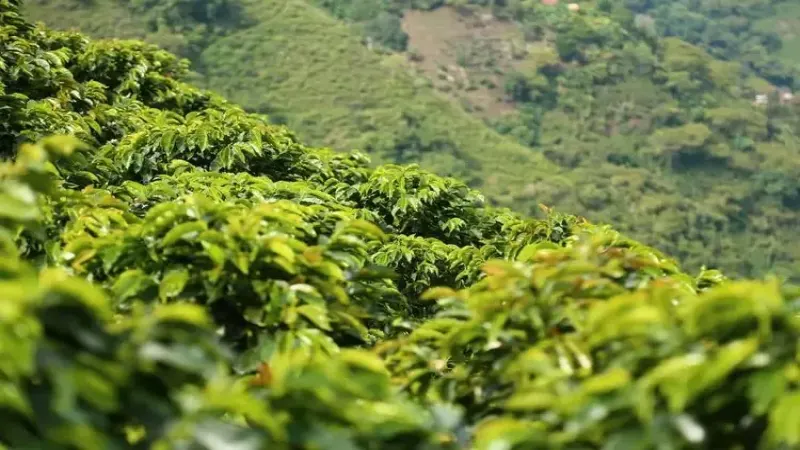
Colombia is the world's third-largest coffee exporter, and its output rests on the Andes: three Cordillera ranges run north to south, averaging over 3,000 meters and dotted with volcanoes. Volcanic ash feeds the soil, coffee is planted along high-altitude belts, and the result is stable, well-balanced arabica coffee, including export-grade green coffee beans graded as Excelso.
The country lies in the tropics, so eastern plains and the Pacific coast are rainy, mountain areas from 1,000 to 2,000 meters are subtropical, and the northwest is savanna. That range lets coffee ripen successively through the year. Colombia has 15 growing regions, and Huila is among the most recognized, producing washed Caturra with chocolate notes and bright fruity acidity.
Colombia is the world's third-largest coffee exporter. Thanks to the high altitudes of the Andes, volcanic-rich soil, and diverse climates, it produces stable, well-balanced Arabica coffee. This article will guide you through Colombia's coffee-growing regions, the terroir advantages of Huila, and the Excelso grading standard for export-grade green beans. It will also introduce the flavor profile of the Huila Caturra washed beans from Front Street Coffee's daily-drinker series, letting you experience the chocolate notes and bright fruity acidity unique to Colombian coffee.
South America is one of the continents with the most intensive volcanic activity, and it is also home to numerous plateaus, hills, and mountains. Forest coverage exceeds half of its total area, rivers crisscross the land, and overall natural resources are quite abundant. Because of this, the continent has a strong agricultural foundation, with cash crops such as coffee standing out in particular, and many countries grow it. Among them, Brazil ranks first in the world in coffee production, while Colombia comes in third.
Colombia's ability to achieve such considerable output is inseparable from its special climatic conditions. The country lies in the tropics. The eastern plains and the Pacific coast have a tropical rainforest climate, the mountainous areas at elevations of 1,000 to 2,000 meters have a subtropical climate, and the northwest has a tropical savanna climate. The differences in mountainous terrain bring a rich variety of climate types, allowing coffee throughout Colombia to ripen successively all year round, with harvests possible in different periods.
Of course, Colombia also produces a large amount of high-quality coffee beans. In the west, three Cordillera ranges run north to south and extend into the Andes. These mountains average over 3,000 meters in elevation and are densely dotted with volcanoes. Volcanic ash provides ample nutrients to the soil, and coffee is planted along the high-altitude belts of the mountains. Diverse climates, high-altitude mountainous areas, and fertile volcanic soil together create ideal conditions for coffee cultivation.
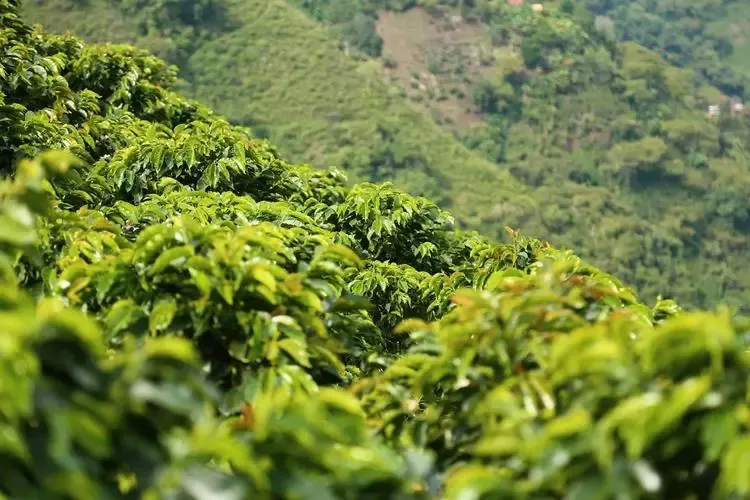
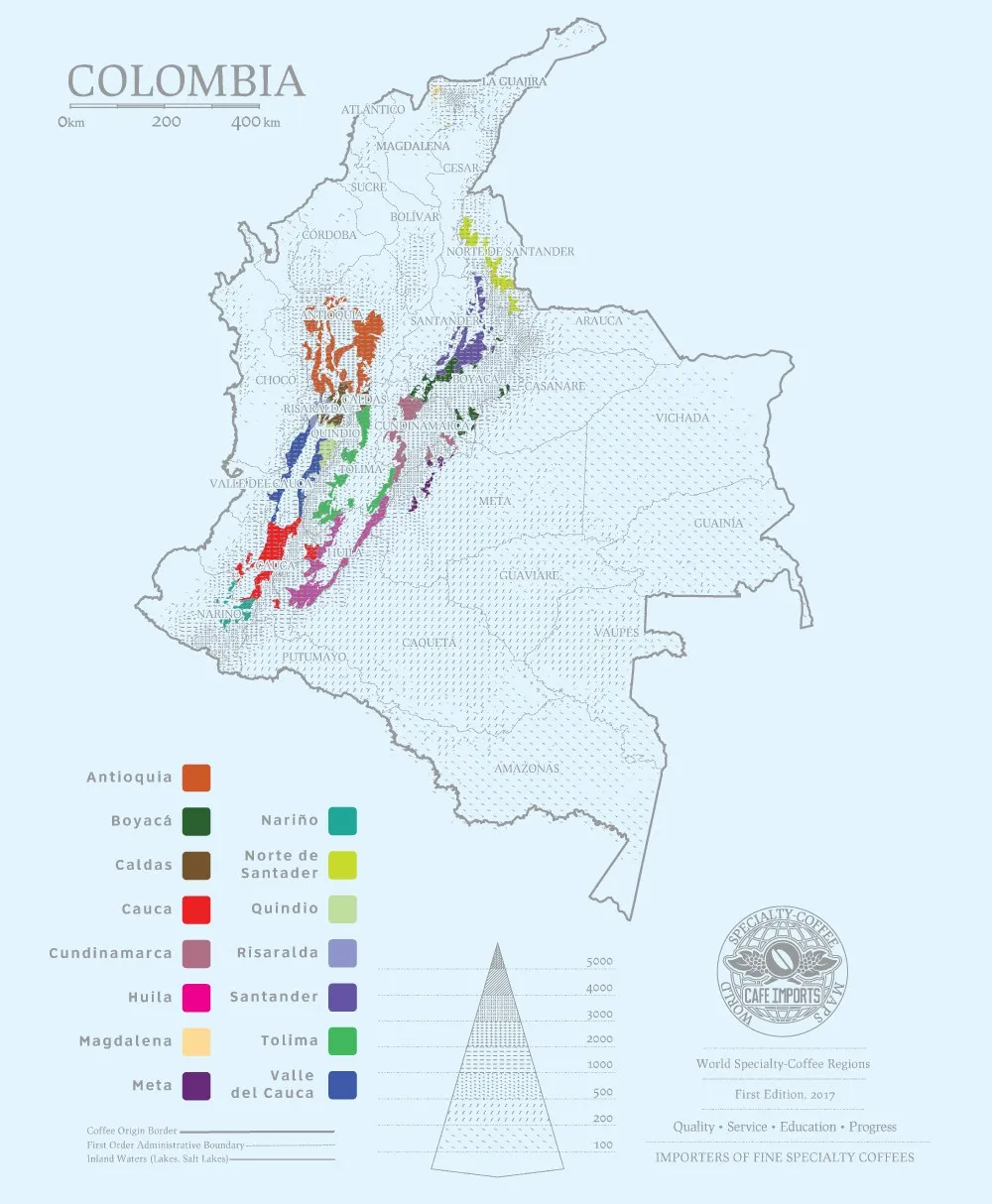
Colombia has 15 coffee-growing regions in total. Divided by province, the main producing regions include Cauca, Santander, Antioquia, Narino, Tolima, and Huila.
Among these regions, the most famous is undoubtedly Huila, whose name comes from the nearby Huila Volcano, also the highest volcano in Colombia. The Huila region is located in southwestern Colombia, in the valley between the Cordillera Oriental and the Cordillera Central. The canyon terrain blocks cold winds from intruding while also bringing cool mountain breezes, giving the area a mild and pleasant climate. In addition, water resources here are abundant, with ample rainfall. Colombia's largest river, the Magdalena, flows through this area, and coffee is mostly planted on hillsides above 1,500 meters on both sides of the river valley.
The Huila area has a relatively high altitude, a suitable climate, and is surrounded by mountains, making it less vulnerable to severe weather. The soil here is rich in volcanic ash, with ample sunlight and abundant water, producing coffee of excellent and stable quality. As a result, the Huila region is home to many well-known coffee estates, such as El Diviso and El Rorble.
In Colombia, green coffee beans are graded according to defect rate and bean size. Export-grade green coffee packaging is printed with the word "Excelso." The Excelso grade requires beans to be above screen size 14, with no more than 5% of green beans falling between screen sizes 12 and 14, and overall at least 50% of the green beans must be larger than screen size 15. In addition, there must be no live insects, the color must be uniform, there must be no off-odors, and the moisture content must not exceed 12.5%. A 500-gram sample of green coffee is also taken for defect classification, and the cumulative defects must not exceed the limit of 24 full defects.
In Front Street Coffee's daily-drinker series, there are also coffee beans from Colombia's famous Huila region, using the Caturra variety and the washed processing method. After brewing, they present flavors of dark chocolate, nuts, and caramel, with a pronounced sweet aftertaste and an overall balanced profile, carrying soft fruity acidity when cooled.
Front Street Coffee believes that Colombia is the third-largest coffee exporter, mainly exporting Arabica varieties. Its overall balance and large output make Colombian coffee commonly used in blends. Although it is in South America like Brazil, Colombian coffee is not as intense in taste as Brazilian coffee. Beneath its chocolate flavor, it also carries a touch of fruity acidity and a relatively bright, silky mouthfeel, capable of showcasing Colombia's unique regional flavor.
To learn more about coffee origins and related information, please scan the QR code to follow: Coffee Review
Long-press the QR code to follow:
The above content is compiled by CoffeeHunters, a coffee news website.


