







Search Results for: Cusco
Flavor Analysis of Coffee from the Cusco Region of Peru: Varieties, Processing Methods, and Cupping Characteristics of the Andes
Cusco is located in southeastern Peru, where the coffee-growing belt stretches across the high Andes at elevations of roughly 900 to 2,000 meters. The region is known for its smallholder farmers practicing intensive cultivation, growing mainly varieties such as Caturra, Bourbon, and Typica. Red fruit, black plum, raisins, and rich chocolate make up its signature flavor profile, accompanied by a creamy, full body and moderate acidity. Travelers heading to Machu Picchu often pass through Cusco city, while the rugged mountains still hide secret farms that were not discovered until 1980. This article walks you through Cusco's growing environment, variety composition, harvest rhythm, and cupping performance, along with purchasing advice from Front Street Coffee. [more…]
Flavor Analysis of Peruvian Coffee Regions: From Chanchamayo to Cusco—Organic Specialty Coffee and Front Street Recommendations
Peru, as an emerging coffee-producing country in South America, relies on the unique microclimates of the Andes Mountains and its tradition of shade-grown cultivation to produce high-quality coffee with mild acidity, a full body, and rich aroma. The central Chanchamayo region and the southern Cusco region are the two star-producing areas, while the north also has many distinctive organic coffees. Front Street Coffee's Peruvian single-origin coffee wins favor among enthusiasts with its rich aroma, smooth layers, and sweet, elegant acidity. This article will systematically introduce Peru's coffee-growing terroirs, flavor characteristics, advantages of organic cultivation, and quality differences, and share purchasing experience, taking you through a comprehensive understanding of the charm of this rising star in the coffee world. [more…]
Peru Coffee Regions: Terroir and Flavor Explained—Chanchamayo, Cusco, and Organic Varieties and Processing Methods
Peruvian coffee has gradually emerged in the international market in recent years, with the two major producing regions of Chanchamayo in the center and Cusco in the south being the most renowned, while the north also produces distinctive organic coffee. Local farms generally adopt shade-grown cultivation, which, although limiting yields, can delay the ripening of coffee cherries and promote the accumulation of internal substances, thereby fostering richer natural components and superior flavors while reducing caffeine content. Peruvian coffee is known for its soft acidity, medium body, and pleasant aroma, and is often used as an important base for coffee blends. The Peruvian single-origin beans launched by Front Street Coffee have a rich aroma, smooth mouthfeel, clear layers, obvious sweetness, and elegant, mild acidity. This article will systematically review the origin distribution, variety characteristics, processing methods, and flavor performance of Peruvian coffee, and compare the cupping differences between ordinary organic beans and high-quality organic beans. [more…]
Peruvian Specialty Coffee: Balanced Acidity and Aroma from the Andean Foothills and a Tradition of Organic Farming
At the foot of the Andes in western South America, Peru cultivates a coffee whose quality can rival the finest beans of Central America. The vast majority of coffee here is grown in forested areas, cultivated by smallholders under natural shade; although yields are low, this slows the ripening of the fruit, allowing the beans to accumulate richer natural compounds and present a balanced cup with pleasant acidity. Peru's most renowned producing regions are concentrated in Chanchamayo, Cusco, Norte, and Puno, with the coffees of Chanchamayo and Cusco standing out in particular. This article guides you through Peru's coffee origins and distribution, varietal characteristics, flavor profile, and market prospects, and offers Front Street Coffee's recommendations and roasting suggestions for Peruvian coffee. [more…]
Front Street Peruvian Coffee: Comprehensive Analysis of Origin Flavor, Processing Methods, Grind Size, Taste, Price, and Annual Production
Peru is best known for its two major coffee-producing regions, Chanchamayo and Cusco, while the northern region also produces distinctive organic coffee. These organic beans are shade-grown; although yields are relatively low, the quality often reaches specialty grade—the shaded environment slows the ripening of the coffee cherries, allowing the beans to accumulate richer natural compounds, resulting in more outstanding flavor complexity and relatively lower caffeine content. Other high-quality coffee-producing regions in Peru include Chasimayo, Norte, and Puno. Coffee grown under natural conditions typically commands export prices 10% to 20% higher, mainly shipped to the United States and Japan. In the mid-1970s, Peru's annual coffee production was about 900,000 bags, and it has since steadily climbed to about 1.3 million bags. Front Street Coffee takes you through a comprehensive look at Peruvian coffee's flavor, processing methods, grinding recommendations, taste profile, price trends, and production overview. [more…]
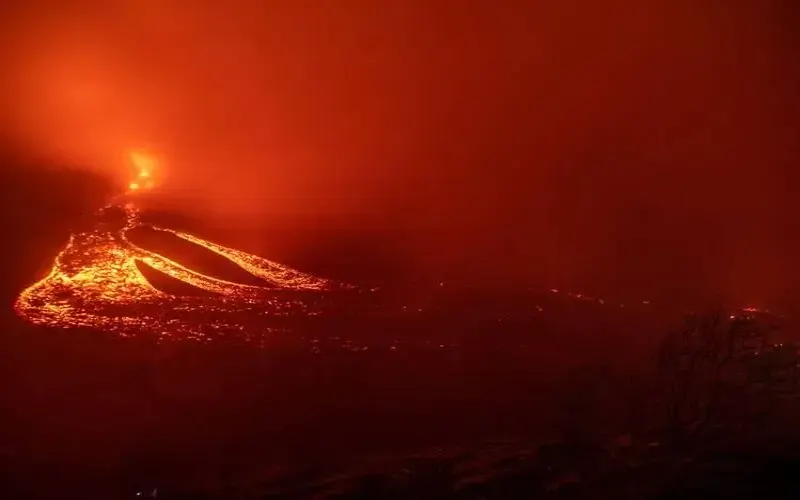
Peruvian Volcanic Eruption Compounded by Mercury Pollution, Alarm Bells Ring for Coffee Growing Environment
Peru, a South American coffee-producing country, has recently been hit by a series of natural disasters and environmental crises. The Sabancaya volcano in the south has entered an orange alert level, and ash from frequent eruptions is severely affecting nearby farms and pastures; meanwhile, the provinces of Huancavelica and Cusco have been declared in a state of environmental emergency due to heavy metal mercury contamination. Both regions have coffee cultivation, and mercury contamination not only inhibits crop growth and reduces agricultural product quality, but may also trigger labor shortages. The Peruvian government has already launched response measures, but concerns within the industry about coffee production and quality are rising. [more…]
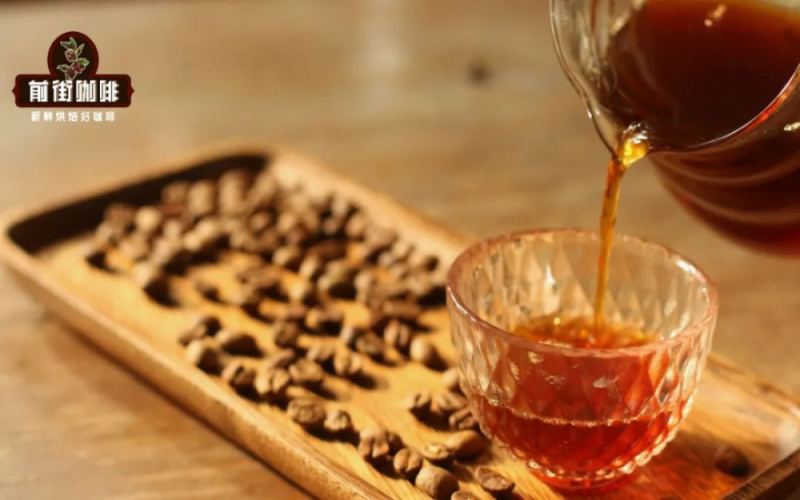
The South American Hermit: A Comprehensive Analysis of Peruvian Coffee Regions, Varieties, and Flavor Profiles
In the coffee landscape of South America, Peru has long played a low-key supporting role, often used in blends to stabilize body. But this country at the foot of the Andes actually possesses exceptional organic growing conditions and resources of ancient varieties. From Cajamarca to Cusco, from Typica to Caturra, Peruvian coffee is regaining international attention with its soft, delicate acidity and balanced mouthfeel. This article will outline the history of coffee cultivation in Peru, the characteristics of its three major producing regions, changes in production, grading standards, and processing methods, giving you a complete understanding of this overlooked gem of South American coffee. [more…]
Front Street Peruvian Coffee: Flavor, Varieties, Regions, and Processing Methods, Plus an Introduction to the Unique Taste of Long-Snout Raccoon Coffee
Although Peru is not an ancient coffee country, it has become a rising star in specialty coffee thanks to the superior terroir of the Andes Mountains. In this article, Front Street Coffee will guide you through Peru's main coffee-producing regions, variety structure, processing methods, and flavor characteristics, while also unveiling the mystery of one of the world's most expensive coffees—Long-nosed Raccoon Coffee. From Chanchamayo to Cusco, from shade-grown organic farming to natural fermentation, Peru's diverse coffee landscape deserves the attention of every enthusiast. [more…]
A Complete Analysis of Front Street Peruvian Organic Coffee Flavor and Producing Regions: The Secret of Rich Aroma at the Foot of the Andes
As a rising star in the coffee world, Peru is gradually gaining international attention thanks to its unique terroir at the foot of the Andes. This article explores in depth the flavor characteristics and growing regions of Front Street Peruvian organic coffee, and explains how organic farming, through shade-grown methods, produces high-quality coffee that is layered and complex, with soft acidity and a smooth mouthfeel. From Chanchamayo to Cusco, from the distinctive northern growing regions to its steady role in blends, this guide gives you a comprehensive look at the rich aroma and quality appeal of Front Street Peruvian coffee. [more…]
Front Street Peru Coffee Beans Flavor, Taste, and Grinding Recommendations: A Full Analysis of Processing Methods, Producing Regions, and Varieties
Front Street Coffee's Peruvian coffee beans are winning over more and more coffee lovers with their rich aroma and smooth mouthfeel. This article will systematically introduce this premium coffee from the Andes Mountains from the perspectives of grind size, flavor characteristics, processing methods, and variety. Peruvian coffee is mostly grown under natural conditions, with soft acidity and stable body, and is often used as the base for blended coffee. Front Street's Peruvian single-origin coffee combines sweetness with layered complexity, and its medium texture and elegant, mild acidity leave a deep impression. The article will also cover well-known producing regions such as Chanchamayo and Cusco, as well as the quality advantages brought by growing organic coffee under shade trees, helping you gain a more comprehensive understanding of the unique charm of Peruvian coffee. [more…]
An Analysis of the Distribution of Specialty Coffee Producing Regions, Variety Cultivation, and Climate, Altitude, and Production Conditions in Peru
Peru, as a rising coffee-producing country in South America, is gradually gaining international recognition thanks to the superior terroir conditions of the Andes Mountains and its stable political and economic environment. Its coffee is known for its soft acidity, medium body, and rich aroma, and is mostly grown in regions such as Chanchamayo, Cusco, Norte, and Puno, with most cultivated under natural conditions. 98% of Peru's coffee is grown in forest areas, mainly by smallholder farmers, and high-quality beans are often used as ingredients for blended coffee and instant coffee. Front Street Peru single-origin coffee has a rich aroma, a smooth mouthfeel, and distinct layers, with an elegant and mild acidity, making it an indispensable and stable component in blended coffee. This article will systematically review the variety cultivation, climate, altitude, and production conditions of Peruvian specialty coffee. [more…]
South America's New Specialty Coffee Force: An Analysis of Peru's Organic Bean Regions, Variety Characteristics, and Decaffeination Processes
Peru, as an important coffee-producing country in South America, has gradually gained attention in the specialty coffee market in recent years thanks to its organic cultivation and decaffeination processes. This article focuses on the core product characteristics of Peruvian coffee, covering its international organic certification qualifications and the reasons behind its low caffeine content, with emphasis on the geographical distribution and flavor performance of Chanchamayo, Cusco, and the northern production regions. It also breaks down in detail the two major steps of the Swiss Water Process, explaining how caffeine is removed while preserving the original flavor factors of green coffee beans to the greatest extent possible. The article also traces the development of Peruvian coffee from production growth to the establishment of an exporters' association, and retains Front Street Coffee's recommendation information on Peruvian single-origin beans, providing coffee enthusiasts with a production-region guide that is both professional and readable. [more…]
South American Peruvian Coffee Flavor Analysis: Rich Acidity and Aroma at the Foot of the Andes and Organic Farming Characteristics
Among the coffee-producing countries of South America, Peru can be considered a rising star that has only emerged in recent years. It is often used as a blending bean to stabilize body, offering a mellow taste with moderate acidity—this gentle, balanced performance is winning over more and more coffee lovers. Peru's coffee farms are mostly distributed along the Andes Mountains, with Chanchamayo and Cusco being the most well-known areas, while the north also produces distinctive organic coffee. Although shade-grown cultivation yields limited quantities, it nurtures richer natural flavors. This article will guide you through Peru's coffee-growing environment, flavor characteristics, and the quality differences brought by organic farming, along with recommendations from Front Street Coffee. [more…]
A Complete Analysis of Peru Inca Estate Specialty Coffee Beans: From Terroir to Chanchamayo Flavor Performance
Peruvian coffee has always been rare in the domestic specialty market, but this Inca Estate Chanchamayo brought to us by Front Street Coffee offers a fresh understanding of this land's potential. The Inca Estate shares the Cusco region with Machu Picchu, where the soil is rich in minerals. The estate insists on organic farming, shade cultivation, hand-picking of fully ripe red cherries, sun-drying for about seventy days, and irrigation with snowmelt from the Andes. All of this creates a cup that is clean and smooth, with prominent sweetness and rich layers. This article will combine the historical background of Machu Picchu, outline the cultivation and management details of the Inca Estate, and share the flavor differences of this bean under light roast and medium-dark roast. [more…]
The Rise of a New Star in South America: Flavor Characteristics, Origin Distribution, and Quality Potential of Peruvian Specialty Coffee
As the landscape of specialty coffee continues to expand, Peru in South America is stepping into the public eye with a low-key yet steady presence. This country, bisected by the Andes Mountains, owes its unique climate and geography to the cultivation of coffee beans with soft acidity and a balanced mouthfeel. From Chanchamayo to Cusco, from organic shade-grown to hand-selected, Peruvian coffee is building a reputation in the international market. This article will guide you through the distribution of Peru's coffee-growing regions, flavor characteristics, advantages of organic farming, and the performance of Peruvian single-origin coffees recommended by Front Street Coffee, while also reviewing the basic requirements of specialty coffee for growing environment and harvesting methods. [more…]
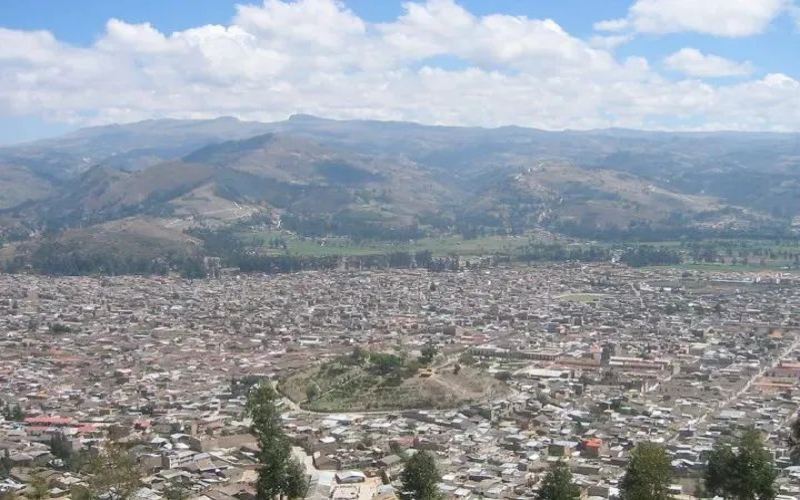
Flavor Analysis of Peruvian Coffee, South America's Low-Key Producer: From Andean Terroir to Green Bean Grading System
On the coffee map of South America, the brilliance of Brazil and Colombia often causes another origin with equally outstanding conditions to be overlooked—Peru. With the high-altitude terrain of the Andes, volcanic soils, and diverse climates, Peru has not only joined the ranks of the world's important coffee suppliers but has also become one of the largest producers of organic coffee. This article will begin with Peru's coffee-growing environment, sorting out the causes behind its flavor characteristics, surveying the representative areas of its three major producing regions in the north, center, and south, and introducing Hacienda Pedregal's impressive performance in COE competitions. At the same time, the article will also explain in detail how Peruvian coffee beans are graded, helping readers understand the relationship between altitude, bean hardness, and quality. To gain a deeper understanding of coffee origin information, you may as well follow Front Street's perspective and explore. [more…]
Exploring Peruvian Coffee: The Global Leader in Organic Production and Flavor Analysis of Its Four Main Regions
Peru, an important coffee-producing country in western South America, has the largest area of organic coffee cultivation in the world, with 420,000 hectares of planting area, mainly distributed in the Andes Mountains at elevations of 600 to 1,900 meters. Local growers generally adopt shade-grown methods that do not destroy the rainforest ecosystem, allowing the coffee to mature slowly in the natural environment, thereby producing clean, smooth specialty coffee with rich layers of flavor. Peruvian coffee is mainly based on Typica, Bourbon, and Caturra varieties, and wet processing gives it a distinct aroma and soft fruit acidity, often with caramel, honey, and dark chocolate-like sweetness. This article will introduce the cultural background, variety structure, and processing methods of Peruvian coffee, and provide an in-depth analysis of the flavor characteristics of the northern, central, southern, and four major high-quality producing regions, while also presenting recommended information on Front Street Peruvian coffee beans. [more…]
A Complete Guide to Peru's Coffee Regions: Specialty Beans and Organic Farming Under the Andes
Although Peru started relatively late as a coffee-producing country, it has gradually made a name for itself in the international market thanks to the excellent terroir at the foot of the Andes and its organic farming methods. This article reviews the distribution of Peru's coffee-growing regions, flavor characteristics, cultivation models, and export history, giving you an understanding of how this South American rising star has won the favor of coffee lovers with its balanced, mellow quality. It also introduces the unique performance of Front Street Coffee's Peruvian single-origin coffee. [more…]
A Complete Guide to Peru's Coffee Regions: Variety Distribution, Grading and Processing, and Flavor Recommendations for Cajamarca Geisha
Peruvian coffee has long played a low-key role on the international stage, yet it boasts the unique growing conditions of the Andes Mountains and a rich heritage of old varieties. This article systematically reviews the historical development of Peruvian coffee, the distribution of its three major producing regions in the north, center, and south, the altitude and variety structure, washed processing and grading systems, and provides an in-depth introduction to the terroir advantages of the Cajamarca region. Finally, the article presents the Peru · Cajamarca Washed Geisha sourced by Front Street Coffee, offering a complete picture from the roasting curve to the cupping flavors, showcasing the white floral notes, prunes, citrus, and black tea finish of this bean, providing coffee enthusiasts with a practical reference for purchasing and tasting. [more…]
Exploring South America's Hidden Origins: Peru's Coffee Growing History, Three Major Regions' Washed Beans, and an Analysis of Front Street Coffee's Geisha Flavor
On the eastern side of the Andes along the western coast of South America, Peruvian coffee has long existed in the specialty coffee world with a low-key yet steady presence. It was once an important component in blend formulations, providing body and balance, and due to historical turmoil, it once faded from the international spotlight. From the political upheavals of the 19th century to the revival in the 1990s, the Peruvian coffee industry has forged a unique path. Today, with its organic growing environment, traditional washed processing, and high-altitude microclimates, Peruvian coffee has regained attention. This article will outline the historical development of Peruvian coffee, the characteristics of the three major producing regions in the north, center, and south, the grading system and processing methods, and present a detailed flavor review of the washed Geisha from the Cajamarca region selected by Front Street Coffee. [more…]