







Search Results for: Anaerobic Process
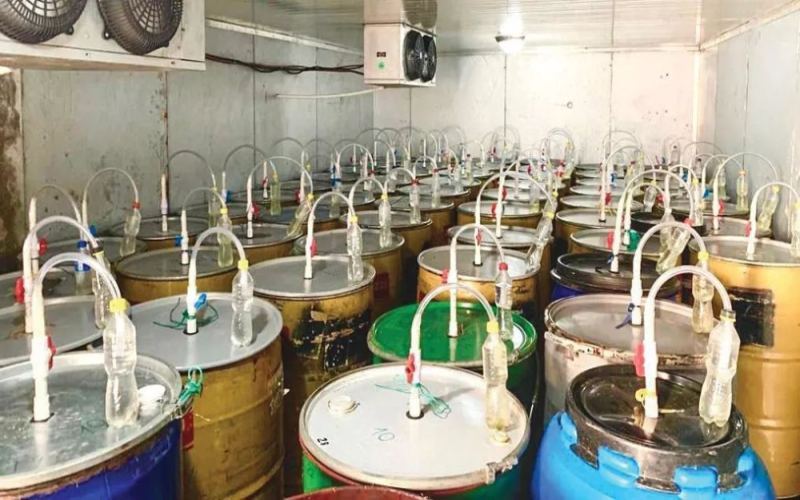
A Complete Guide to Anaerobic Fermentation Processing: The Differences Between Anaerobic Natural, Anaerobic Washed, and Double Anaerobic Methods
Anaerobic fermentation processing is a green bean processing technology that has attracted much attention in the coffee industry in recent years. Since Sasa Sestic, the 2015 WBC champion, brought it to the forefront, it has quickly swept through the specialty coffee world. Inspired by red wine-making techniques, this processing method injects carbon dioxide into a sealed container to expel oxygen, creating an oxygen-free environment that allows precise control of the fermentation process, giving coffee beans higher sweetness and more unique flavor layers. As processing technologies continue to evolve, experimental methods such as anaerobic natural, anaerobic washed, and double anaerobic have emerged one after another, each presenting distinctly different flavor expressions. This article will systematically sort out the principles and origins of anaerobic fermentation, and analyze one by one the process steps and flavor characteristics of these three common anaerobic processing methods, while also explaining them in conjunction with specific Front Street Coffee bean offerings. [more…]

A Complete Guide to Anaerobic Coffee Processing: Key Differences from Traditional Natural and Washed Methods and Flavor Expression
Anaerobic coffee has been appearing on coffee bean lists frequently in recent years. Although many people have tried it, they only have a vague understanding of its specific process, and some even develop an aversion to it due to unfamiliarity. In fact, anaerobic processing is not as complicated as imagined. In most cases, it simply adds an extra anaerobic fermentation step before traditional natural or washed processing. The depth of fermentation is precisely the key that determines the direction of coffee flavor. From the perspective of Front Street, this article sorts out the basic principles of anaerobic processing, common methods, and their connection with traditional processing. Combined with three specific beans, it helps readers understand the flavor differences brought by different anaerobic treatments, so they can find the cup that suits their taste. [more…]
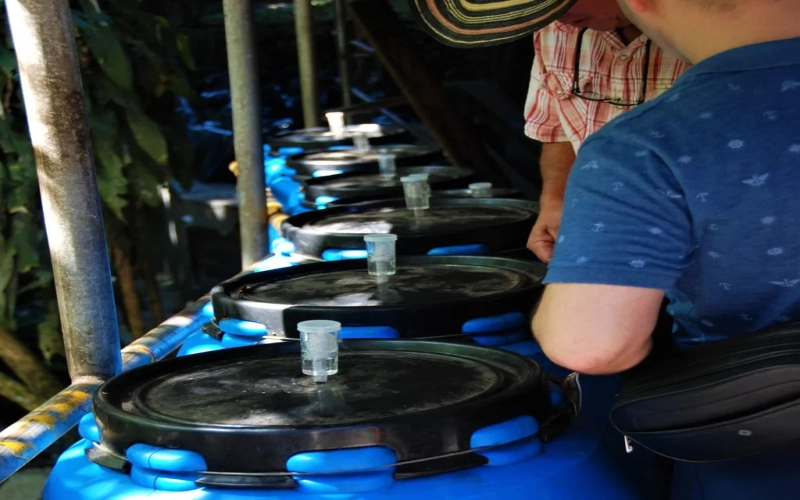
How Do You Distinguish Anaerobic-Processed Coffee from Flavored Coffee? Is Added Flavoring Harmful to Health? A Detailed Explanation of Special Processing Methods
In recent years, the processing method descriptions on coffee bean labels have become increasingly long, with various special processing methods, primarily anaerobic, emerging one after another. When many consumers drink anaerobically processed coffee with unique flavors, they wonder whether flavorings were added during roasting. This article sorts out the differences between anaerobic natural and anaerobic washed, explains why special processing methods are mostly led by well-funded estates, and cites the views of world champion Sasa to clarify the essential differences between flavored coffee and the addition of enzymes or yeast fermentation. It also answers questions such as whether anaerobic coffee is equivalent to flavored beans and whether it harms health, helping coffee lovers understand more transparently where the flavors in their cup come from. [more…]

What Makes Anaerobic Process Coffee Beans So Special? A Full Breakdown of Their Differences from Natural and Washed Processes and Their Flavor Characteristics
Anaerobically processed coffee beans have always been a hot topic among enthusiasts—some are captivated by them, while others find the flavors too unconventional. Compared with traditional methods like natural and washed, the anaerobic fermentation process still feels unfamiliar to many, which makes it prone to misunderstanding and controversy. Today Front Street Coffee will talk about what anaerobic processing is, how it differs from natural and washed, and what characteristics anaerobically fermented coffee beans display. [more…]

How Anaerobic Fermentation Reshapes the Coffee Flavor Landscape: From WBC Championship to Santa Viny 96-Hour Natural
In recent years, the coffee consumer market has continued to expand, and various novel green bean processing methods have emerged one after another. The industry habitually refers to them collectively as special processing methods. These techniques give coffee a more diverse and distinctly individual flavor expression, and also bring richer layers of mouthfeel, thus winning the favor of a large number of enthusiasts. At present, the more mainstream special processing methods include anaerobic washed or natural, enzyme washed, lactic acid fermentation, and barrel-aged processing, among others. Among them, anaerobic fermentation has especially high exposure. This trend can be traced back to 2015, when the WBC World Barista Championship winner that year, Sasa Sestic from Australia, brought anaerobic fermentation processing into the public eye, and discussions around the fermented feel of coffee have not ceased to this day. This article will sort out the development of anaerobic processing, analyze the specific process of anaerobic natural, and introduce anaerobic-processed coffee beans such as Santa Vini currently sold by Front Street. [more…]

Rose Valley Flower Moonlight Coffee Beans Pour-Over Guide: A Complete Analysis of Anaerobic Enzyme Washed and Natural Processing Methods
Coffee enthusiasts' taste demands are becoming increasingly refined. The original terroir flavors produced by traditional washed and natural processing methods can no longer satisfy diverse expectations, and various specialty processing methods have emerged as a result. From the perspective of Front Street, this article systematically reviews the principles and classifications of anaerobic fermentation processing, compares the differences between natural fermentation and temperature-controlled fermentation, and provides an in-depth analysis of three processing workflows: anaerobic natural, anaerobic washed, and anaerobic enzyme-washed. At the same time, using Front Street Huayueye coffee beans from the Huila region of Colombia and Rose Valley coffee beans from Big Tree Estate as examples, it presents a complete approach from green bean processing to roasting curve selection, and then to pour-over parameter development, helping readers understand how specialty processing methods shape the flavors in the cup. [more…]

Front Street Coffee Rose Valley Double Anaerobic Enzyme Washed Process Explained: A Complete Guide to Flavor Sources and Brewing Techniques
Front Street Rose Valley coffee beans have become a favorite among many coffee lovers thanks to their unique flavors of rose, peach, and liqueur chocolate. Where exactly does this bean's alluring aroma come from? The answer lies in the double anaerobic enzyme washed processing method it uses. This article will break down each stage of this processing method step by step, from the coffee cherry's first anaerobic fermentation to the coffee bean's second enzyme anaerobic stage, and then to the drying stage, helping readers understand the principles behind the formation of these special flavors. At the same time, in response to the brewing difficulties of this type of anaerobically processed coffee bean, the article will also share practical techniques such as grind size calibration, water temperature control, bloom assessment, and three-pour brewing, so that you can consistently bring out the rich fruity aroma and sweetness of Front Street Rose Valley at home. [more…]

Anaerobic Fermentation and Red Wine Processing: The Principles, Evolution, and Front Street Brewing Practices of Specialty Coffee Bean Processing Methods
In recent years, anaerobic fermentation and red wine processing methods have continued to gain popularity in the specialty coffee world. From the promotion by 2015 WBC champion Sasa Sestic to the early explorations of Costa Rican coffee farmers, these processing techniques, which draw on winemaking ideas, have brought coffee rich flavors such as strawberry jam, fermented wine aromas, and tropical fruits. This article systematically reviews the scientific principles of anaerobic fermentation, its essential differences from traditional processing methods, and the specific operational workflow of carbonic maceration. It also combines two representative beans from Front Street Coffee—Colombia Flower Moon Night and Panama Hartmann—to share roasting and brewing parameters, helping coffee lovers gain a deeper understanding of the core logic of this special processing method. [more…]
Front Street Coffee Colombia Pine Tree Estate Anaerobic Dried Fruit Natural Coffee Beans: Fruit Wine Flavor and Castillejo Variety Analysis
This anaerobic dried-fruit natural coffee from Finca El Pino in Antioquia, Colombia, brought to you by Front Street Coffee, is a micro-lot custom-flavored bean from the 2019 harvest. It uses the Castillo variety and, through a refined anaerobic dried-fruit natural process, presents rich layers and extremely high sweetness. This coffee, named "Fruit Brew," is intended to express notes of ripe dried fruit and fruit wine. Front Street designed a well-developed light roast profile for it, striving to maintain a clear and intense flavor expression from high to low temperatures, with excellent smoothness and sweetness. This article will introduce in detail the background of Finca El Pino, the characteristics of the anaerobic dried-fruit natural process, and the flavor profile and roasting approach of this coffee, taking you deeper into the charm of this unique micro-lot coffee. [more…]
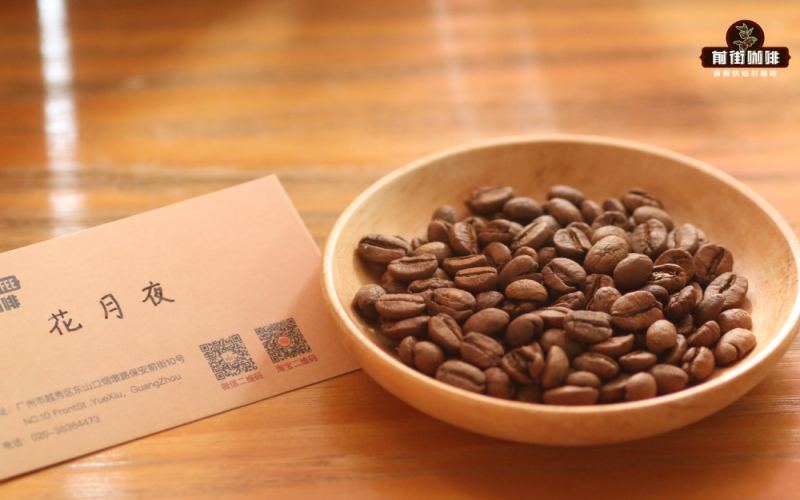
Introduction to Anaerobic Fermentation in Coffee | What Is the Anaerobic Fermentation Processing Method? What Is the Difference Between Anaerobic Natural, Anaerobic Washed, and Double Anaerobic Coffee Processing Methods?
Anaerobic Fermentation has been very popular in the coffee world in recent years, mainly because Sasa Sestic, the Australian competitor who won the 2015 WBC, started this trend, and even in 2018 WB [more…]

Brewing Highlights of Colombia Finca La Divisa Sidra Coffee Beans: An Analysis of Double Anaerobic Natural Extraction Techniques
Front Street's Sidra coffee beans come from Finca El Diviso in Colombia, processed using the double anaerobic natural method, with intertwined flavors of grape, passion fruit, and apricot, and they have performed impressively in world competitions. However, many enthusiasts encounter a problem of bland taste and thin body when brewing, which is usually related to under-extraction. This article will focus on the characteristics of the double anaerobic natural process, analyze the reasons for the loose structure of Sidra beans, and explain step by step how to let this champion bean release a suitable and full-bodied flavor, from Front Street's grinding setting, water temperature, coffee-to-water ratio, to the three-stage pouring technique. [more…]
A Detailed Explanation of the Anaerobic Double Fermentation Process: The Flavor Code and Processing Craft of Colombian Rose Valley Coffee
Anaerobic fermentation has garnered significant attention in the specialty coffee world in recent years, and double anaerobic fermentation has become a popular choice thanks to its clean finish and distinctive flavor profile. Starting with the anaerobic processing methods introduced by Front Street Coffee, this article takes a deep dive into the origin background of the Colombian Rose Valley beans, the cultivation and processing details at Big Tree Estate, and how anaerobic double enzyme washed processing imparts better sweetness and balance to the coffee. If you are interested in the principles and flavor expression of special processing methods, this article will take you on a journey of discovery. [more…]

What Exactly Is Coffee Fermentation? Analyzing the Differences Between Aerobic, Anaerobic, and Double Anaerobic Fermentation
In coffee tasting, "fermentation" is a term that is often mentioned but easily misunderstood. It does not mean that the coffee contains alcohol; rather, it describes an aroma and mouthfeel reminiscent of ripe fruit or even overripe fruit. Coffee itself is a fermented food, and its flavor is deeply influenced by the way it is processed. This article starts from everyday conversations at Front Street stores and systematically explains the essence and sources of fermenty notes, as well as the differences between aerobic fermentation, anaerobic fermentation, and double anaerobic fermentation. At the same time, we will also explore how the fermentation process shapes coffee's aroma and complexity, and recommend Front Street's natural, honey-processed, and anaerobic-processed coffee beans for different preferences, helping you find the cup that suits you best in your everyday purchases. [more…]
Front Street Coffee Explains Finca El Burro Anaerobic Slow Dry: How the ASD Process Shapes Ultimate Flavor
Front Street Coffee takes you on an in-depth look at Hacienda La Esmeralda's anaerobic slow natural process. In 2019, the estate's natural coffee set a new record with 95.25 points, and its washed lot also scored 95 points, both reaching new highs. The Lamastus family uses an anaerobic slow-dry technique, fermenting the coffee beans in oxygen-free tanks for five days, then drying them slowly over five weeks, resulting in intense wine aromas and cocoa notes in the cup. This article not only reviews the details of this breakthrough processing method, but also analyzes its flavor impact on coffees of different altitudes and varieties, especially how Geisha retains its clean and elegant character at high altitudes. [more…]

Why Do Anaerobic Process Coffee Beans Drain Faster? Master Grind Adjustment Strategies to Extend Extraction Time
Have you ever encountered a situation like this: using the same brewing parameters, regularly processed coffee beans complete extraction in about 2 minutes, but when you switch to anaerobically processed beans, the process always finishes early—dripping through in 1.5 minutes or even less? The resulting coffee tastes bland and thin-bodied, a classic sign of under-extraction. Why do anaerobic beans drain so quickly? The core reason is that anaerobic fermentation alters the internal structure of the coffee beans, making them more porous, less dense, and more brittle at the same roast level. After grinding, the particles tend to be coarser with larger gaps, so hot water meets less resistance as it passes through the coffee bed. To solve this problem, the key is to extend the contact time between hot water and coffee grounds. This article will start from how anaerobic processing affects bean structure, combine it with Front Street Coffee's hands-on experience, focus on specific methods for extending extraction time by grinding finer, and offer ideas for subsequent fine-tuning. [more…]
How is the quality of Elida Estate Catuai coffee beans? A detailed explanation of the ASD slow anaerobic natural process
As a veteran famous estate in the Boquete production region of Panama, Elida Estate has won championships in BOP competitions for many years, and its Catuai variety coffee beans have always attracted much attention. This article focuses on the newly listed Elida Estate · Anaerobic Natural Catuai from Front Street, providing a detailed interpretation of the ASD (slow anaerobic natural) processing method, analyzing the flavor performance and roasting approach of this bean, and sharing Front Street's specific parameters and serving experience in pour-over and espresso preparation. Whether you want to understand the tier positioning of this bean or are curious about the unique flavors brought by ASD processing, you can find the answers here. [more…]
Colombia Special Processing Dual-Bean Analysis: A Comprehensive Comparison of Rose Valley and Flower Moon Night from Origin to Flavor
In recent years, specialty-process coffee beans have attracted considerable attention in the specialty coffee world. This article focuses on two star products from Colombia—Rose Valley and Flower Moon Night, both selected by Front Street Coffee. Both use the Caturra variety, but they come respectively from the Santander Finca El Diviso and the Huila Finca Astorga, and their processing methods use double anaerobic enzyme wash and anaerobic natural, respectively. The article will break down in detail their origin backgrounds, variety characteristics, and processing differences, helping coffee lovers understand how these factors shape the strikingly different flavor expressions in the cup. [more…]

A Complete Guide to Anaerobic Natural and Anaerobic Washed Processing Methods: Step-by-Step Procedures, Flavor and Mouthfeel Differences, and Front Street Coffee Bean Recommendations
As coffee enthusiasts deepen their understanding of coffee, more and more people are paying attention to coffee bean processing methods. As a post-harvest processing method that has attracted much attention in recent years, anaerobic fermentation has brought more possibilities to coffee flavors. This article will analyze in detail the step-by-step processes and flavor and taste differences between anaerobic natural and anaerobic washed processing methods, and share Front Street Coffee's cupping and brewing experience. By comparing the characteristics of washed, natural, and anaerobic processing, it helps readers understand how different processing methods affect the final flavor of coffee. The two anaerobic natural beans, Huayueye and Monster Manor, launched by Front Street Coffee, will also be used as examples to demonstrate their unique charm. Whether you are a beginner or a seasoned enthusiast, you can gain practical references for purchasing and tasting. [more…]
Yirgacheffe Worka Cooperative Coffee Flavor Analysis: Strawberry, Magnolia, and Small Taiwan Mango Notes from Anaerobic Natural Processing
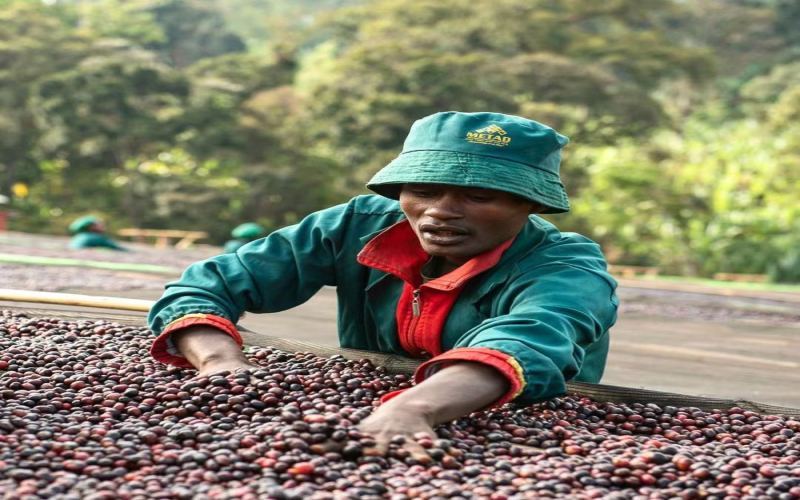
Yirgacheffe, as a representative producing region of Ethiopian specialty coffee, is world-renowned for its floral and citrus notes. This article focuses on a Yirgacheffe from Front Street Coffee's Worka Cooperative that uses a non-traditional processing method—neither the ancient natural process nor the traditional washed process, but rather anaerobic natural processing. The article will outline the Worka Cooperative's geographical location, founding background, and organic certification status, explain why Heirloom native varieties have become the collective term for Ethiopian varieties, and detail how the specific steps of anaerobic fermentation give the coffee its strawberry, magnolia, and small Taiwan mango flavor profile, bringing you a comprehensive understanding of what makes this bean unique. [more…]
Analysis of the Reasons for Fast Pour-Over Flow Rate with Anaerobic Process Coffee Beans and Grind Adjustment Solutions
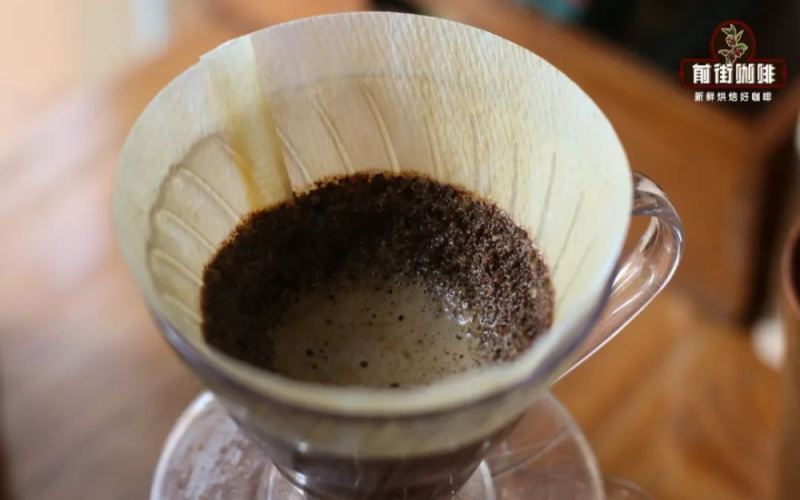
In the daily practice of pour-over coffee, many enthusiasts encounter a puzzling phenomenon: when brewing anaerobically processed coffee beans, the drawdown speed is noticeably faster than with regular washed or natural beans, and the extraction time can even be less than a minute and a half. What exactly causes this abnormal flow rate? Is it due to the inherent characteristics of the beans themselves, or is there a problem in the grinding stage? Starting from Front Street Coffee's actual measurement data, this article will take an in-depth look at how the loose texture and vigorous water absorption and degassing of anaerobic beans affect flow rate, and with the help of a comparison of the No. 20 sieve pass-through rate, reveal the deviation between the grinder setting and the actual coarseness of the particles. At the same time, the article will also provide targeted suggestions for adjusting the grind finer and a plan for adjusting the pouring technique, to help you steadily extract a rich, full-bodied cup of coffee even when dealing with anaerobic beans. [more…]