







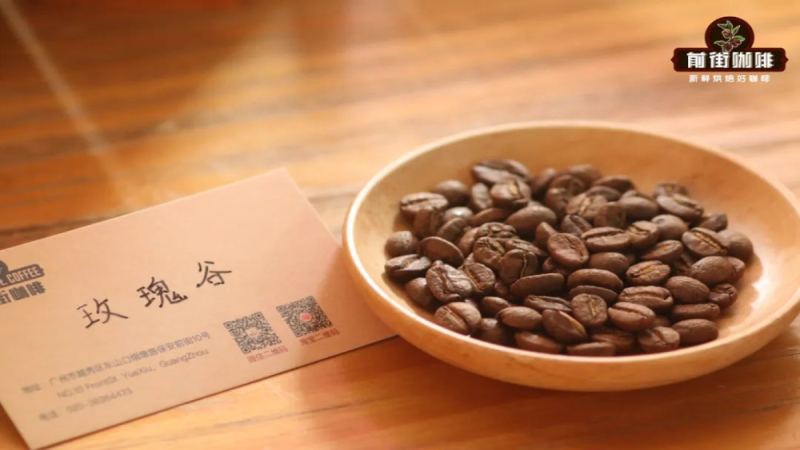
How does front street coffee use the double anaerobic enzyme washed process?
Front Street Coffee Rose Valley beans get their rose, peach, and liqueur chocolate flavors from a double anaerobic enzyme washed process. The method ferments the coffee cherries anaerobically first, then ferments the beans a second time with enzymes before drying. Anaerobic bacteria break down sugars into organic acids such as lactic acid and acetic acid, plus aromatic esters and aldehydes.
The peach note comes mainly from that first anaerobic step on the cherries; the second enzyme fermentation builds the floral and liqueur chocolate layers. Brewing these beans takes grind size calibration, water temperature control, bloom judgment, and three-stage pouring. Anaerobic lots are often labeled anaerobic natural, anaerobic washed, or anaerobic honey because the base method still applies.
Front Street Rose Valley coffee beans have become a favorite among many coffee lovers thanks to their unique flavors of rose, peach, and liqueur chocolate. Where exactly does the captivating aroma of these beans come from? The answer lies in the double anaerobic enzyme washed processing method they use. This article will break down each step of this processing technique, from the first anaerobic fermentation of the coffee cherries to the second enzyme anaerobic fermentation of the coffee beans, and then to the drying stage, helping readers understand the principles behind the formation of these special flavors. At the same time, in response to the brewing challenges of this type of anaerobically processed coffee beans, the article will also share practical tips such as grind size calibration, water temperature control, bloom judgment, and three-stage pouring, so that you can consistently present the rich fruity aroma and sweetness of Front Street Rose Valley at home.
Front Street Rose Valley is a coffee bean with a relatively unique flavor that is loved by many, and its flavors are rose, peach, and liqueur chocolate. Many people really want to know how the flavor of these Front Street Rose Valley coffee beans is produced, and the answer lies in the processing method.
Front Street Colombia Rose Valley uses double anaerobic enzyme washed processing. It looks very complicated, but if you follow Front Street step by step, it will be easy to understand.
Anaerobic is a processing step, and generally processing methods will be labeled as anaerobic natural, anaerobic washed, or anaerobic honey. Essentially, these coffee beans are still processed by natural, washed, or honey methods; it is just that the anaerobic step is added on top of these traditional processing methods.
When the anaerobic step is added during processing, the main function is to use anaerobic bacteria in an oxygen-deficient environment to decompose sugars in coffee into organic acids such as lactic acid and acetic acid, as well as aromatic substances such as esters and aldehydes. This gives the coffee beans special flavors. The very distinctive peach flavor of Front Street Rose Valley coffee beans comes from this anaerobic step.
Double anaerobic enzyme washed processing means carrying out anaerobic fermentation twice: the first time is anaerobic fermentation of the coffee cherries, and the second time is anaerobic fermentation of the coffee beans. Enzymes can actually catalyze the fermentation with the help of microorganisms such as yeast. Anaerobic enzyme washed actually means that during the anaerobic step, enzymes are added to help better ferment the desired flavors.
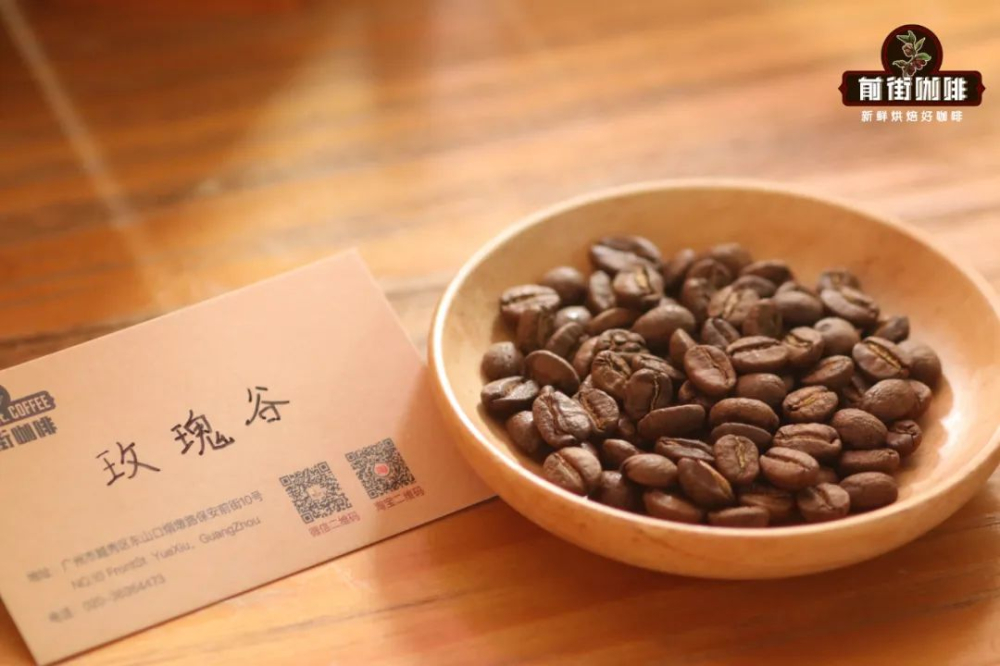
Freshly picked coffee cherries are placed into a sealed container for 12-24 hours of anaerobic fermentation, then the coffee cherries are removed and the peel and pulp are removed. The remaining coffee beans are then put back into the sealed container, enzymes are added, and anaerobic fermentation is carried out for 12-24 hours. After that, the coffee beans are removed and spread on raised drying beds for drying or placed in a dryer for drying.
After two rounds of anaerobic fermentation, the flavor of Front Street Rose Valley becomes very prominent, and the fermented aroma is very enticing.
It is precisely the anaerobic processing that creates the highly recognizable peach flavor of Front Street Rose Valley. Although the obvious flavor of Front Street Rose Valley can be expressed no matter how it is brewed, brewing Front Street Rose Valley well is not an easy task. Below, Front Street shares some key brewing points for anaerobic coffee beans like Front Street Rose Valley.
-Pay attention to grind size
Anaerobically processed coffee beans differ from traditionally processed coffee beans in terms of grind setting. If you are used to using the grind setting for traditionally processed coffee beans to grind anaerobic beans, then the actual particle size produced will be coarser than that of traditionally processed coffee beans.
For example, when Front Street uses an EK-43s at setting 10 to grind washed Front Street Colombia coffee beans, the passing rate measured with a No. 20 sieve is 80%. When using the same setting 10 to grind Front Street Rose Valley, the passing rate measured with a No. 20 sieve is 75%. If you want the grind size of Front Street Rose Valley to reach a passing rate of 80%, you need to adjust the grind setting finer. So when brewing an unfamiliar coffee, do not directly substitute your usual grind setting; it is best to use a sieve to calibrate the grind size, as this is the most reliable.
-Water temperature issue
Anaerobically processed coffee beans have a relatively loose structure, good water absorption capacity, and release coffee substances easily. Therefore, Front Street recommends controlling the initial water temperature at 90-91°C. Water that is too hot can easily cause obvious bitterness in the coffee, while water that is too cool makes the coffee flavor dull and insipid.
-How to brew
For brewing parameters, you only need to pay attention to grind size and water temperature; the other parameters are the same as usual, with 15g of coffee powder and a ratio of 1:15.
During the blooming stage, anaerobically processed coffee beans expand and release gas relatively noticeably when absorbing water, so it is also easy to over-bloom. The specific sign is that many holes appear on the surface of the blooming coffee bed. Therefore, the blooming time is not necessarily fixed at 30 seconds. You can observe the blooming state specifically, and only pour water after the expanded coffee bed remains unchanged for 3 seconds. The time is about 25-30 seconds.
For the pouring technique, Front Street recommends using a three-stage method: first, pour 30ml of water for the bloom; second, pour 120ml of water; third, pour 75ml of water. The normal extraction time is about 1 minute 40 seconds.
Front Street Rose Valley brewed this way will have a very rich aroma of peach and rose, a fruity sweetness like strawberry and peach, and not a trace of bitterness.
For professional coffee knowledge exchange and more coffee bean information, please follow Coffee Workshop (WeChat public account: cafe_style) For more specialty coffee beans, please add the private WeChat of Front Street Coffee (FrontStreet Coffee), WeChat ID: qjcoffeex
The above content is compiled by CoffeeHunters, a coffee news website.


