







How does anaerobic fermentation fit into coffee bean processing?
Anaerobic fermentation is coffee bean processing carried out with limited oxygen, letting microbes build the jammy, wine-like and tropical flavors associated with strawberry and fermented fruit. It spread after 2015 World Barista Champion Sasa Sestic promoted the method, and Costa Rican farmers were already experimenting along similar lines. It differs from traditional washed and natural methods mainly in the control of oxygen and time.
Carbonic maceration, borrowed from winemaking, is one version of this approach: whole cherries rest in sealed tanks under a carbon dioxide layer. Roasters then adjust curves for the denser, more soluble beans, and brewers often lower temperatures to keep the fruit notes from tipping into alcohol. The category keeps expanding as lots like Colombia Flower Moon Night and Panama Hartmann reach the market.
In recent years, anaerobic fermentation and red wine processing methods have continued to heat up in the specialty coffee field. From the promotion by 2015 WBC champion Sasa Sestic to the early exploration by Costa Rican coffee farmers, these processing techniques inspired by winemaking have brought rich flavors such as strawberry jam, fermented wine aroma, and tropical fruits to coffee. This article systematically sorts out the scientific principles of anaerobic fermentation, its essential differences from traditional processing methods, the specific operational process of carbonic maceration, and combines two representative beans from Front Street Coffee—Colombia Flower Moon Night and Panama Hartmann—to share roasting and brewing parameters, helping coffee enthusiasts deeply understand the core logic of this special processing method.
Today's coffee industry is changing rapidly, with various batches, rare varieties, and coffee beans processed in different ways constantly emerging, which not only broadens the industry's choices but also greatly enriches the diversity of specialty coffee. Front Street currently has several coffee beans using anaerobic fermentation. Whether customers tasting in-store or buyers ordering through Taobao, they all show strong interest in such beans—innovative processing methods have given rise to many unexpected flavors, which is exactly an important force driving the coffee industry forward. Today Front Street will talk about this special processing method that has swept the world.
In recent years, anaerobically fermented coffee beans have become a major hot spot in the new wave of processing. Some people prefer the flavors brought by fermentation, while others do not accept them so well. This itself varies from person to person, but what is certain is that it represents a new direction in coffee processing. This processing method can be traced back to the 2015 WBC champion, Australian competitor Sasa Sestic, and afterward set off a wave in the coffee world and triggered a great deal of discussion.
Patrik Rolf, runner-up of WBRC 2019, once shared his views on anaerobic fermentation, roughly meaning: anaerobic fermentation, as a brand-new taste experience, has various names. Some call it "anaerobic fermentation," others call it "carbonic maceration," but in the end, it is a fermentation method carried out under low-oxygen or oxygen-free conditions. It usually uses pressure-resistant stainless steel tanks and is achieved by regulating temperature, time, pH, and other required fermentation parameters. At present, the anaerobic beans from many roasters on the market allow people to taste varietal characteristics as well as the enhancing effect of fermentation on flavor.
[What is fermentation?]
Fermentation is a chemical reaction that relies on the life activities of microorganisms under aerobic or anaerobic conditions to prepare microbial cells themselves, or directly produce metabolites and secondary metabolites. In short, fermentation is the process of converting sugar into various compounds and producing alcohol and carbon dioxide.
[What is anaerobic fermentation processing?]
Anaerobic fermentation processing originated earliest in Costa Rica, the most imaginative country in coffee processing, and was invented by coffee farmer Luis Eduardo Campos during his tenure at the well-known coffee company "Café de Altura." Several years later, it became widely known through promotion by WBC champion Sasa Sestic. The anaerobic fermentation processing of coffee beans actually references winemaking technology. For example, Sasa Sestic was inspired by the Beaujolais nouveau winemaking process and injected carbon dioxide into stainless steel fermentation tanks to expel air, allowing the coffee beans to ferment in an oxygen-free environment. This slows the decomposition rate of sugars in the coffee bean mucilage and the decline in pH, thereby obtaining higher sweetness and more unique flavors. Therefore, it is also called carbonic maceration (red wine processing method).
Is the difference between anaerobic fermentation processing and traditional processing methods merely the anaerobic, oxygen-free environment?
Of course not.
Anaerobic: oxygen-free environment
Carbon dioxide: environment rich in carbon dioxide
Broadly speaking, all current coffee processing methods undergo some degree of anaerobic fermentation (the concept of fermentation itself includes "anaerobic"), only with different degrees and directions. For example, in fully washed processing, after removing the peel and pulp, it also undergoes a human-designed fermentation stage, using open-air tanks, plastic barrels, or even plastic bag devices for fermentation to remove mucilage and pectin. In natural processing and honey processing, although the coffee is exposed to oxygen throughout, oxygen does not participate in all fermentation processes. Oxygen promotes the rapid reproduction of certain yeasts, and then when oxygen is absent or lacking, these fermentative yeasts still quietly carry out anaerobic respiration, converting sugars into carbon dioxide and ethanol. Overall, coffee processing cannot be separated from fermentation. Fermentation can both enhance coffee flavor and damage flavor, and striking the balance is crucial!
There are also many types of anaerobic fermentation processing. In ordinary anaerobic fermentation processing, coffee cherries are first peeled like washed processing, then placed with mucilage in a sealed container (usually made of stainless steel), with only one valve left to allow gas to escape. This fermentation method can extend the traditional 12-36 hour fermentation time by several hours, sometimes even several days.
In the carbonic maceration process, coffee cherries are placed in a sealed container while kept whole and injected with carbon dioxide. Because the coffee cherry skin remains intact, fermentation may take several days or weeks. Different pressures in the tank produce different sugars and pectin for microorganisms to decompose. Coffee near the bottom of the sealed container is crushed and broken by gravity, while coffee cherries near the top are not squeezed and thus remain intact, resulting in different degrees and effects of fermentation. In the process of anaerobic fermentation converting sugar into various compounds and producing alcohol, CO2 is generated, which gradually creates high pressure in the sealed container; this high pressure helps the green beans absorb flavor substances from the mucilage.
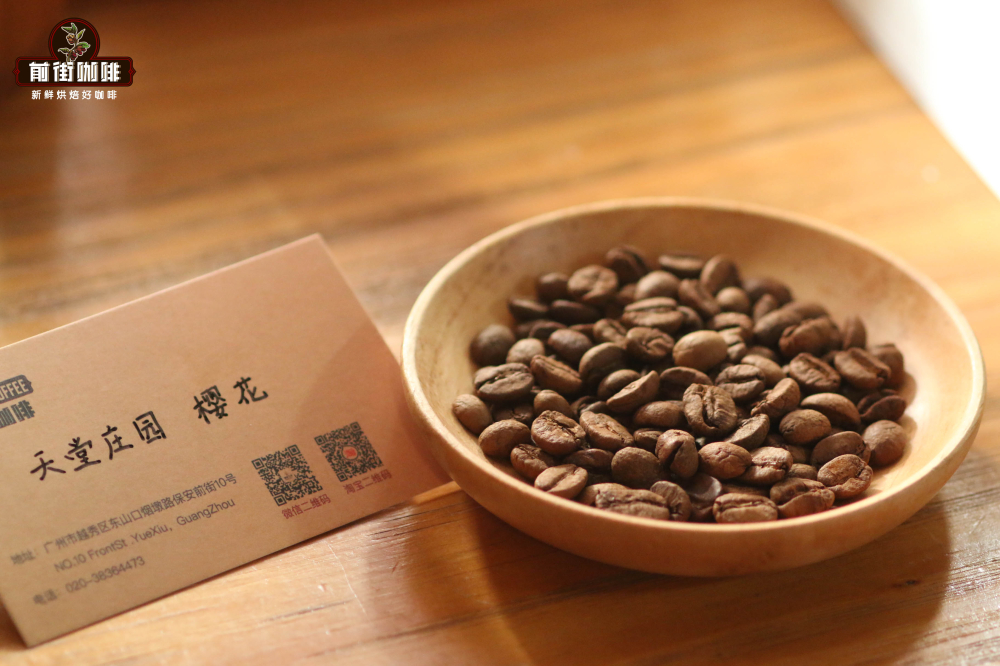
The fermentation process of traditional processing methods is relatively difficult to control, with too many variables during processing, thus posing considerable risk and being difficult to reproduce, which is one reason why coffee bean quality differs noticeably between batches. Anaerobic fermentation is similar to fermentation in winemaking. It not only brings richer and more complex flavor and body performance, but the key is that subtle changes in the fermentation tank can be monitored and adjusted, thereby allowing operations to be replicated and production quality to be stabilized. This is why anaerobic fermentation is increasingly sought after by more and more people.
In anaerobic fermentation processing, whether or not carbon dioxide is manually injected, and whether the peel and pulp are removed before fermentation or the whole fruit is used, the principle is to limit the oxygen content in the air, thereby controlling to a certain extent the types of microorganisms that survive and participate in fermentation, and finally controlling the termination of fermentation through strict regulation of temperature and pH changes. The word "controllable" is the most essential part of the entire complex anaerobic fermentation processing system.
[Anaerobic natural fermentation processing]
It is divided into two processing stages: first, fully ripe coffee cherries are hand-picked and washed, then the coffee beans are packed in bags to isolate air for fermentation, and the fermentation time lasts 72 hours. After fermentation is completed, the coffee cherries are spread flat on drying racks for natural sun drying. The characteristic of this two-stage processing is, first, that the degree of fermentation of the coffee beans is higher than in traditional processing, and the flavor and mouthfeel are relatively improved. The flavor has strawberry jam and fermented wine aroma, and the mouthfeel is richer, thicker, and more delicate. After brewing, the coffee presents rich flavors of strawberry, chocolate, and peach, yet also has the mellow richness of wine and chocolate cream, with a thick texture, a long finish after drinking, and a lasting sweet aftertaste.
Front Street Coffee: Colombia · Flower Moon Night Coffee Beans Coffee region: Huila Farm: Acevedo Farm Altitude: 1,800 meters Coffee variety: Caturra Processing method: Anaerobic natural
Front Street roasting suggestions
Roaster Yangjia 800N, charge temperature 180°C. The initial power is 120, and the damper is 3. At 140°C, keep the power unchanged and open the damper to 4. At this stage, the beans slowly change from the original green of green beans to yellow, and the grassy smell of the raw beans gradually disappears as they enter the dehydration state. 6'25" is the turning point when the beans turn yellow. At this moment, the beans show a sweet aroma like baking bread. At 180°C, lower the power to 100, and keep the damper at 4. At 9'38", ugly wrinkles and dark spots appear on the bean surface, and the bread-baking smell clearly turns into coffee aroma, which can be defined as the prelude to first crack. At this time, it is necessary to listen clearly for the sound of first crack. First crack begins at 10'20", and the damper is opened to 4. After first crack, develop for 1'50 and drop the beans at 196°C.
Front Street took into account that this Colombia anaerobic natural Flower Moon Night bean is anaerobically natural processed, so the dehydration time should be extended as much as possible to around 9 minutes to 9 minutes 30 seconds, allowing the beans to be roasted thoroughly and avoiding underdevelopment. After first crack, develop to 1'50'' and discharge at 196°C.
Front Street brewing parameters: Brewing device: hario v60
Dose: 15 grams
Grind size: medium-fine grind (80% passing through a No. 20 standard sieve)
Coffee-to-water ratio: 1:15
Suggested water temperature: 90°C
Front Street brewing method: Use 30 grams of water for a 30-second bloom. Pour in a small stream in circles until 125 grams, then pause in stages. When the water level is about to expose the coffee bed, continue pouring until 225 grams and stop. When the water level is about to expose the coffee bed, remove the dripper. (Start timing from the beginning of the bloom.) Extraction time is 2'00".
Flavor description: Balanced flavor, with floral and strawberry notes accompanied by a finish of dark cocoa, cream, and a fermented impression.
[Pressure honey processing]
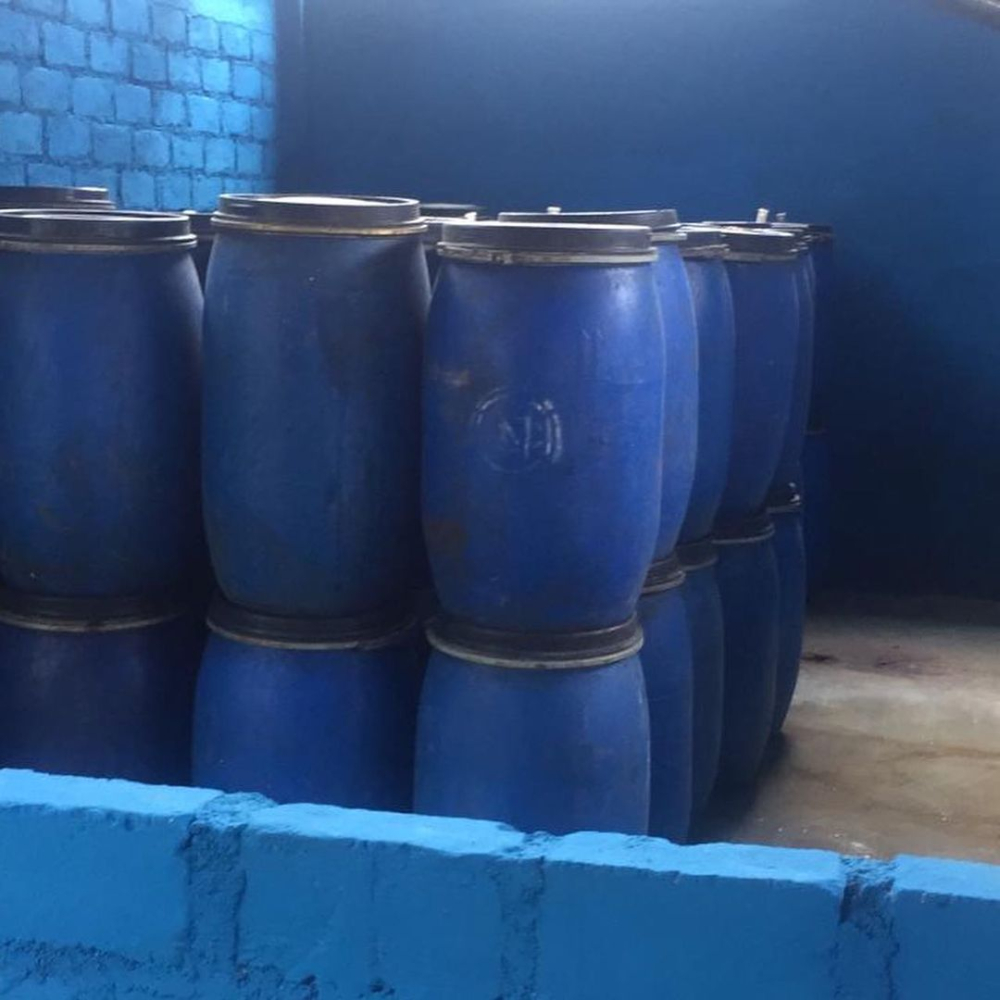
Pressure honey processing is what is now very popular as anaerobic processing, or oxygen-free fermentation! Like making red wine, the removed coffee pulp and mucilage-covered coffee beans are placed together in a stainless steel tank for fermentation. The high pressure inside the tank makes the fermentation speed very slow, giving the coffee more sweetness and wonderful acidity! This is the ultimate goal!
Carbonic maceration is a new processing method applied in red wine processing. It places whole grapes into carbon dioxide gas, causing them to enter an oxygen-free state. In this way, even without yeast, the grape fruit itself converts its own sugar into alcohol, thereby bringing special aromas. The wine made by this method has soft aroma, rich mouthfeel, and stable color.
So how is it applied to coffee?
1) After removing the pulp and peel from the coffee beans, place them in a stainless steel container. Why choose a stainless steel container? Stainless steel containers can better ensure clean flavor. Then control different temperatures to affect the speed of the reaction.
2) Place the stainless steel container indoors where temperature is easier to control. They found that if more complex acidity is needed in the beans, the temperature is controlled at 4-8°C, while if higher sweetness is needed in the beans, the temperature is controlled at 18-20°C.
3) Seal the fermentation tank, which allows more aromatic substances to develop.
4) This is the most critical and important step. Add carbon dioxide to the fermentation tank. Carbon dioxide is denser than oxygen, thereby expelling the air. This places the coffee beans in an oxygen-free environment. Because there is no oxygen, the decomposition rate of sugars in the coffee bean mucilage slows down, and the pH also decreases at a relatively slower rate.
With the help of carbon dioxide, the entire fermentation process at 22°C will be extended by 3 days, and if the temperature is lower, the fermentation time can be even longer. This reduces the dry, astringent mouthfeel and the acetic acid taste.
Front Street Coffee's [Panama Hartmann] uses this processing method. The red wine processing method gives this bean a rich fermented wine aroma that is stunning!
Front Street Coffee: Panama · Hartmann Estate Coffee region: Volcán Estate: Hartmann Estate Altitude: 1,250-1,700 meters Coffee variety: Catuai Grade: SHG Processing method: Red wine processing
Front Street roasting suggestions Front Street's Hartmann coffee beans are relatively small, with slightly higher density and medium water content. Front Street's roasting goal is around light-medium roast, in order to preserve its acidity, tropical fruit flavors, and red-wine-like fermented aroma, making its overall expression sweet, balanced, round, fresh, and elegant. Charge temperature 200°C, and the power is relatively high. During roasting, it was found that although this bean's altitude is not particularly high, the bean texture is fairly hard, so a roasting approach of gradually reducing power and stably climbing was adopted. Power was reduced separately when the beans entered the yellowing point, completed dehydration, and showed signs before first crack, to avoid scorching the bean surface. It was chosen to discharge from the dense stage of first crack to before the end of first crack, shortening the caramelization reaction time and preserving the cleanliness of flavor and floral-fruity aroma.
Front Street brewing parameters: Brewing device: hario v60
Grind size: medium-fine grind (80% passing through a No. 20 standard sieve)
Coffee-to-water ratio: 1:15
Suggested water temperature: 90°C
Front Street brewing method: Use 30 grams of water for a 30-second bloom. Pour in a small stream in circles until 125 grams, then pause in stages. When the water level is about to expose the coffee bed, continue pouring until 225 grams and stop. When the water level is about to expose the coffee bed, remove the dripper. (Start timing from the beginning of the bloom.) Extraction time is 2'00".
Flavor description: The texture is relatively mellow and thick, with obvious sweet and sour notes. It is smooth on entry with a very rich red wine mouthfeel, high sweetness, lively and bright acidity, and rich layers. Tropical fruits, nuts, red wine finish, honey, and sucrose flavors are obvious. After completely cooling, it has a brown sugar flavor.
For more specialty coffee beans, please add the private WeChat of Front Street Coffee. WeChat ID: kaixinguoguo0925
The above content is compiled by CoffeeHunters, a coffee news website.


