








What Is Anaerobic Coffee Processing?
Anaerobic processing adds an extra anaerobic fermentation step before the traditional natural or washed stage. Most anaerobic lots are not a separate, complicated method: the beans ferment in a sealed tank first, then continue through the usual drying route. The depth of that fermentation is what determines how far the flavor moves.
Early coffee processing existed to dry beans for transport and storage, and only later did people notice that each method shapes flavor. Because anaerobic lots involve more human intervention, some drinkers treat them with suspicion, but the operation itself is straightforward once the fermentation stage is understood.
Anaerobic coffee has been appearing on bean lists frequently in recent years. Although many people have tried it, they only have a vague understanding of its specific process, and some even develop an aversion to it due to unfamiliarity. In fact, anaerobic processing is not as complicated as imagined. In most cases, it simply adds an extra anaerobic fermentation step before traditional natural or washed processing. The depth of fermentation is precisely the key that determines the direction of coffee flavor. From the perspective of Front Street, this article sorts out the basic principles of anaerobic processing, common methods, and its connection with traditional processing, and combines three specific beans to help readers understand the flavor differences brought by different anaerobic processes, so as to find the cup that suits their taste.

On the other hand, the reason anaerobic processing makes people suspicious is that it does not belong to the traditional route. Many friends lack understanding of its specific operations and only know that the degree of human intervention may be relatively high. When facing an unfamiliar processing method, they naturally develop a defensive mentality.
But the actual situation is that anaerobic processing is far less mysterious than everyone thinks. The vast majority of anaerobic processing is simply an additional anaerobic fermentation step before the coffee beans enter the regular natural or washed stage. Today Front Street will talk about what anaerobic processing actually is, and why it can make coffee present a unique flavor.
First, we need to understand — the purpose of processing
When Front Street discusses content related to processing methods, it always mentions that whether it is natural, washed, honey, or wet-hulled, these early processing methods all had only one original purpose: to dry the coffee beans to an appropriate level for easy transportation and storage. They were methods adapted to local conditions based on origin conditions.
But later people gradually discovered that different processing methods would cause coffee beans to develop different flavor characteristics. From then on, coffee processing was no longer merely in service of drying, but also took on the task of shaping flavor.

And in the entire processing process, the key step that truly causes coffee flavor to diverge is the degree of fermentation of the coffee beans. Regardless of which processing method is used, coffee beans will undergo fermentation during processing. The depth of fermentation directly determines the direction of flavor. After realizing this, some people wondered: if the fermentation step were taken out separately and controlled through artificial means, could coffee develop a more unique flavor that better meets expectations? Anaerobic processing was thus born.
Anaerobic processing
Many friends first encountered anaerobically processed coffee in 2015. That year, Sasa used a carbonic maceration coffee in the World Barista Championship and won the championship in one go, and this processing method then entered the public eye. Since then, various anaerobic processes have continued to emerge, so much so that many people mistakenly believe that anaerobic processing only appeared in 2015. In fact, anaerobic processing already existed long before that.
So what is anaerobic processing? As Front Street said earlier, it is arranging a step in the processing so that the coffee beans complete fermentation under anaerobic or low-oxygen conditions. The purpose of doing this is to control the content of fermentation, using anaerobic bacteria in an oxygen-deficient environment to decompose the sugars in coffee into various organic acids and generate special aromatic substances.
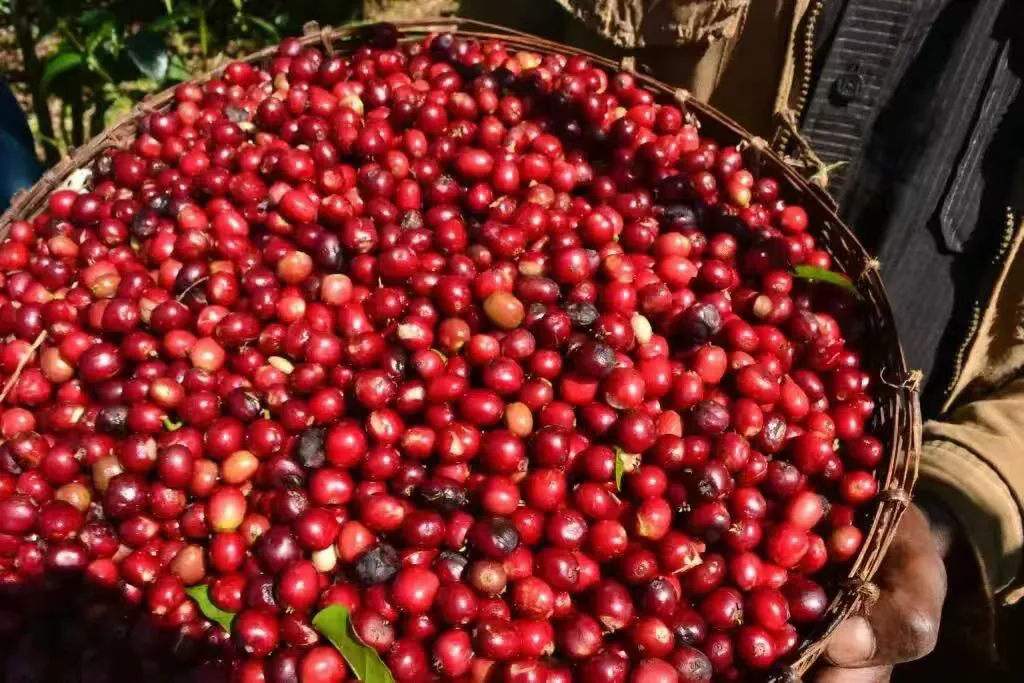
A couple of days ago, Front Street saw a blogger give a very apt example: if you cannot understand anaerobic fermentation, you can think of pickling sauerkraut. The process of pickling sauerkraut is not complicated. Put napa cabbage into a sealed bag or jar and wait for the sugars in the vegetable to convert into lactic acid, and the food gains a unique sourness and aroma.
The idea behind anaerobic processing of coffee beans is similar, except that on this basis people have developed richer variations. For example, filling the fermentation tank with carbon dioxide to further isolate oxygen (carbonic maceration); or soaking the coffee beans in hot or cold water before anaerobiosis (thermal shock); and also having the coffee beans undergo multiple anaerobic steps (double anaerobic). The purpose of these operations is the same, all to regulate the fermentation process of the coffee beans and guide the final flavor in the desired direction.
Since anaerobic fermentation is only one step in the entire process, after fermentation ends, the coffee beans or coffee cherries still need to be dried. And the drying adopts exactly the traditional natural or washed processing. Simply put, the coffee cherries or coffee beans that have completed anaerobic fermentation are then put through a natural or washed process for drying. When the coffee beans are dried to the specified level, the processing is considered complete.

In order to let consumers understand the processing flow more clearly, producers usually condense the processing process into the bean name, hence various slightly strange names such as anaerobic natural, anaerobic washed, and double anaerobic natural.
That said, many anaerobic processes are still quite complicated in actual operation, requiring strict control of fermentation time, fermentation environment temperature, and various other details, in order to avoid excessive fermentation and the production of negative flavors. But precisely because of this, anaerobic processing can allow coffee beans to develop flavor characteristics completely different from traditional processing, which is also the reason it allows people to experience an entirely new coffee flavor.
Flavor differences among different anaerobic processes
Here Front Street must first remind everyone that anaerobically processed coffee is not necessarily coffee with a very heavy degree of fermentation. Because the anaerobic processes used by different producers are their own “secret recipes,” they adjust and control fermentation according to their own needs, so even if the beans use anaerobic processing, their degree of fermentation may be lighter than that of traditionally processed coffee beans.
There are quite a few anaerobically processed coffees on Front Street’s bean list. If you want to experience different anaerobic processing flavors, Front Street recommends starting with the following three: Front Street Panama Elida Estate · Anaerobic Catuai, Colombia Diviso Estate · Sidra, and Panama 90+ Estate · Eleta Geisha.
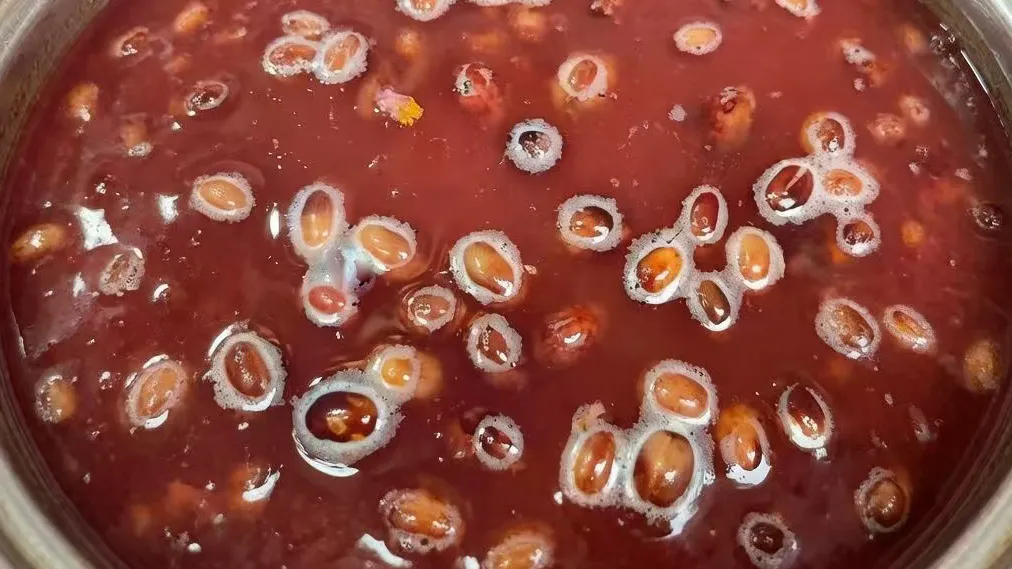
The Panama Elida Estate · Anaerobic Catuai on Front Street’s bean list can be said to belong to a relatively traditional anaerobic process. The fermentation degree of this bean is not deep compared with the other two, so it does not have a very heavy fermented taste. Its flavor profile is sweet orange, berries, chocolate, caramel, with a faint fermentation aroma.
Colombia Diviso Estate · Sidra should be quite familiar to everyone. Front Street often shares this bean because its flavor is truly very pleasing. It is a double anaerobic natural coffee bean, with a heavier degree of fermentation than the former and a relatively obvious fermented taste. When drinking it, it carries a flavor similar to wine, and you can also taste obvious grape, apricot, passion fruit, and floral notes. Very special!
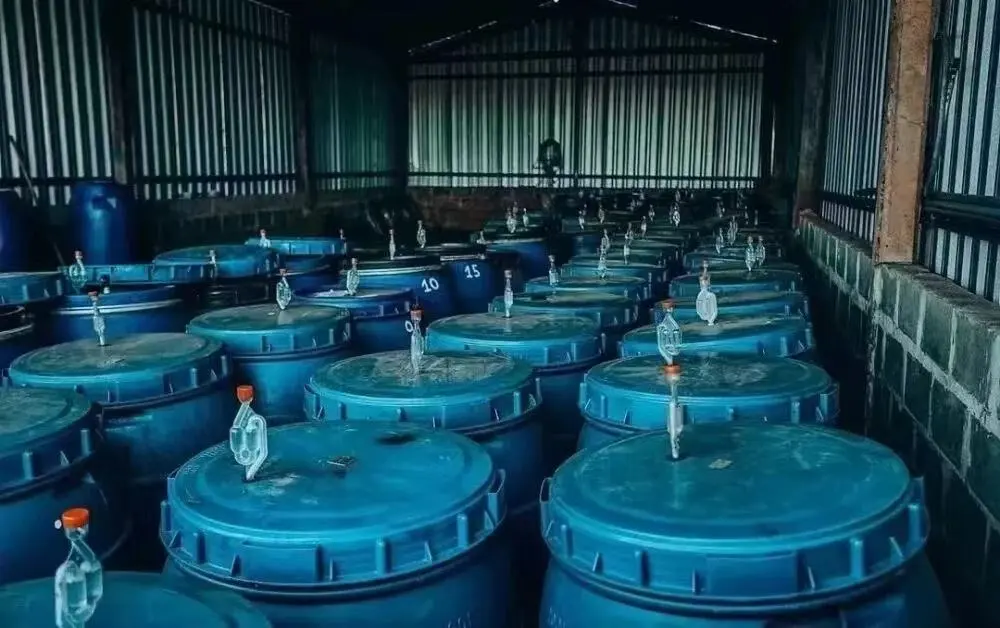
And Panama 90+ Estate · Eleta Geisha is the most special among these three beans. In fact, looking at the entire coffee world, 90+ beans are also quite special. This specialness is reflected both in processing and in taste. Among the three beans, 90+ Eleta has arguably the heaviest degree of fermentation, with a very obvious fermented taste, but the flavor is also, as Front Street said, very unique in taste, with flavors of longan, pineapple, and candied fruit.
Because the degree of fermentation is deeper, the expression of various flavors will be relatively stronger. If you are someone who cannot drink coffee that is too strong, you can choose to pour more water to dilute the concentration of the coffee, which will make the coffee easier to drink~
- END - Front Street Coffee Frontstreet coffee
No. 315 Donghua East Road, Dadong Street, Yuexiu District, Guangzhou, Guangdong Province
The above content is compiled by CoffeeHunters, a coffee news website.


