







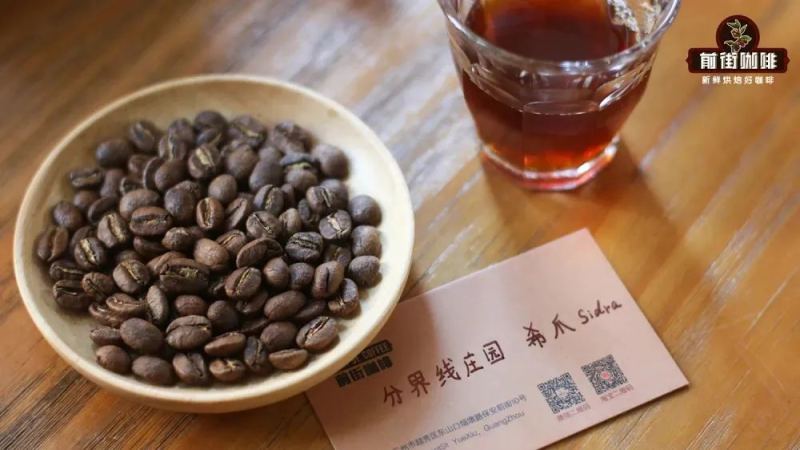
How do geisha coffee beans brew with double anaerobic natural?
Front Street's Geisha coffee beans come from the Colombia Diviso Estate and use a double anaerobic natural process, which layers grape, passion fruit, and apricot flavors into the cup. Brewers often get a bland, thin result instead, usually a sign of under-extraction. The loose structure of geisha beans releases flavor quickly, so grind, water temperature, ratio, and pour timing all need adjustment.
The double anaerobic natural method extends the natural process by splitting fermentation into two sealed stages before drying, giving more control over flavor direction. Sugar residue left on the beans varies, so roasted surfaces show uneven shades. For geisha coffee, start with a Front Street grind setting suited to the bean, then tune the coffee-to-water ratio and a three-pour technique to reach a full body.
Front Street's Geisha coffee beans come from the Colombia Diviso Estate, using a double anaerobic natural process, with grape, passion fruit, and apricot flavors interwoven, performing brilliantly in world competitions. Many enthusiasts, however, encounter issues of bland taste and thin body when brewing, which is usually related to under-extraction. This article will focus on the characteristics of the double anaerobic natural process, analyze the reasons for the loose structure of Geisha beans, and explain step by step how to let this champion bean release a suitable and full-bodied flavor, from Front Street's grinding setting, water temperature, coffee-to-water ratio, to the three-pour technique.
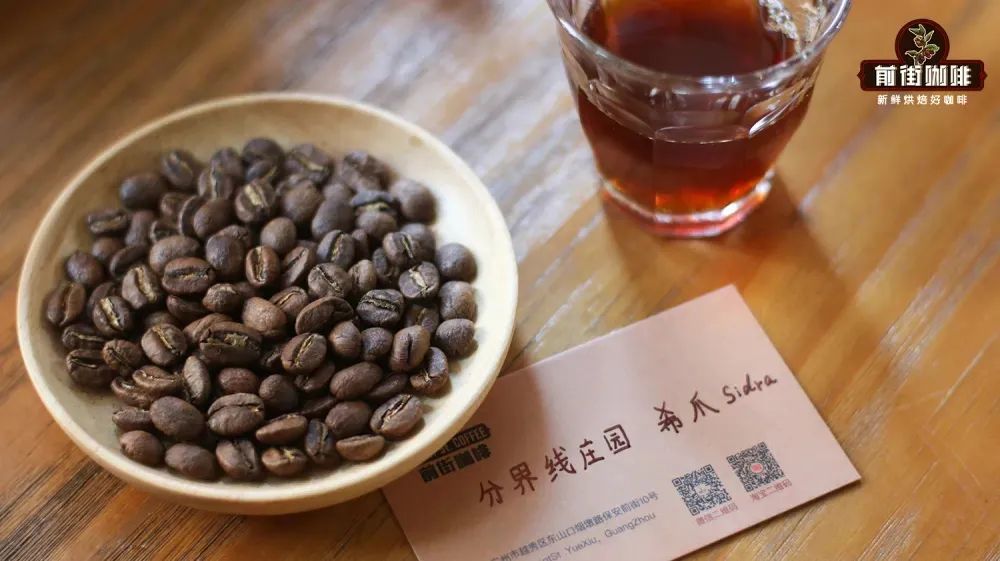
This Geisha from Front Street originates from the Diviso Estate in Colombia and is processed using a double anaerobic natural method. It is precisely this processing method that gives the already fruit-filled Geisha a more intense fruity character, with grape, passion fruit, and apricot aromas particularly vivid, helping it stand out in international competitions, and many coffee enthusiasts are deeply captivated after tasting it.
Regarding the varietal background of Geisha, Front Street has previously published a detailed article (those interested can refer to the article "The Origin of Geisha")~ So, what exactly is the double anaerobic natural process?
Double Anaerobic Natural
Everyone should be familiar with the natural process by now—it involves spreading out harvested ripe coffee cherries to dry directly, then hulling once the moisture content drops to around 11%. Natural beans often carry rich fruity aromas with a slight fermented note.
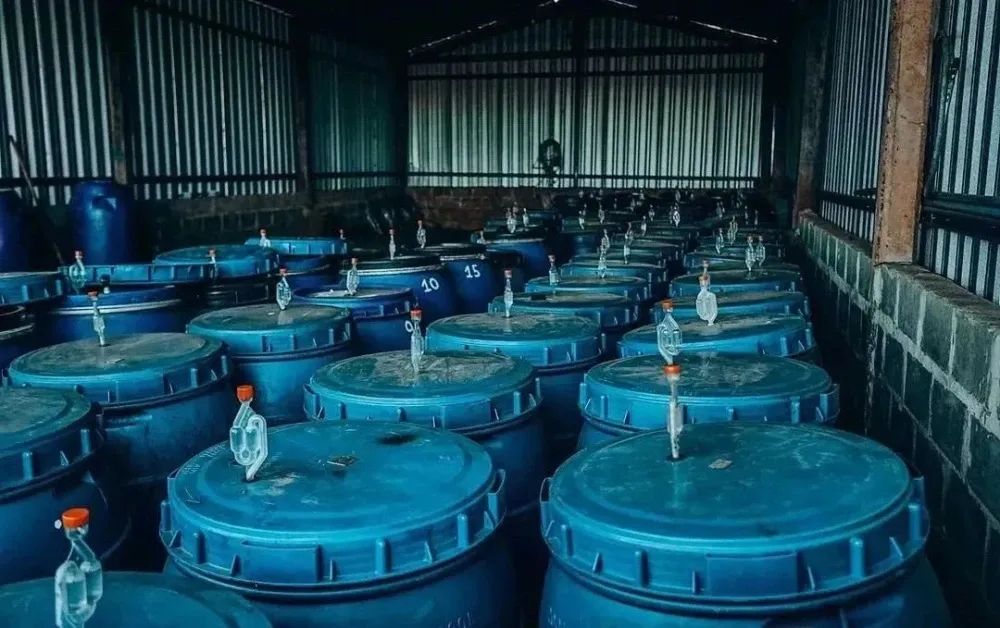
Anaerobic fermentation, on the other hand, embeds a sealed stage into the natural process: first, the coffee cherries are placed into tanks with the air removed for fermentation, then transferred to drying. Double anaerobic natural, however, splits the anaerobic step into two separate stages, allowing for more precise control of the fermentation rhythm and steering the flavor in the desired direction.
Because during the anaerobic process, each bean ferments to a different degree, the surface color of the beans varies accordingly (different amounts of sugar residue retained). After roasting, the bean surface shows varying shades depending on the amount of sugar residue: those with less sugar residue appear lighter; those with more sugar residue appear darker due to caramelization. Now, let's officially move on to the brewing stage of Geisha!
Brewing Preparation
If your brewed Geisha tastes bland and thin-bodied, as some friends have experienced mentioned at the beginning, it can basically be judged as under-extraction. The problem mostly lies in water temperature and grind size. By adjusting these two points, you can brew a cup of Geisha coffee with proper extraction and full flavor.
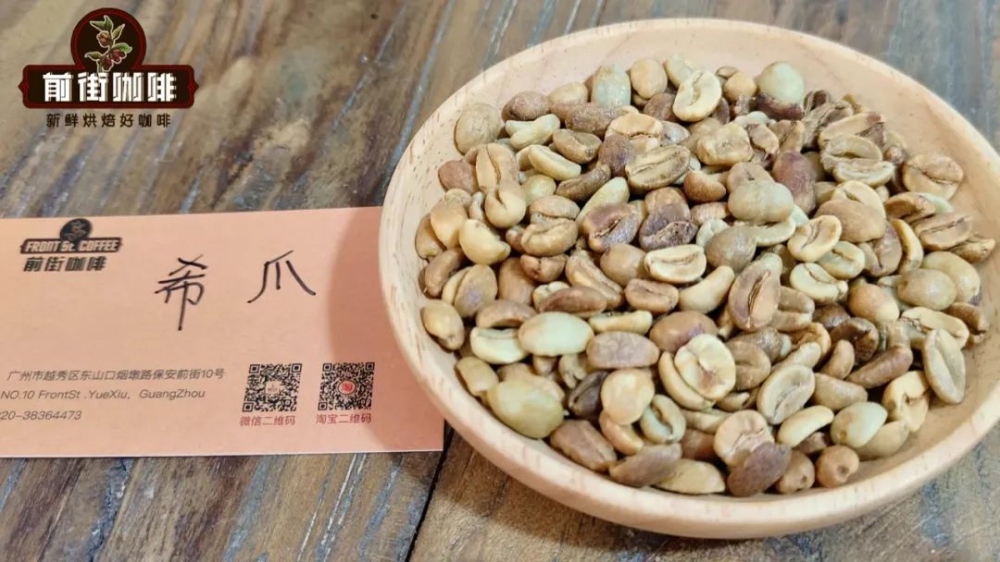
Let's start with grind size, which is where most people tend to stumble. Anaerobically processed beans have an internal structure that becomes very loose after heavy fermentation. If you follow the grinding parameters for regular beans, the water flow rate during brewing will be too fast, leading to insufficient extraction, and the entire cup will taste thin and bland—in short, the concentration is too low, not enough extraction.
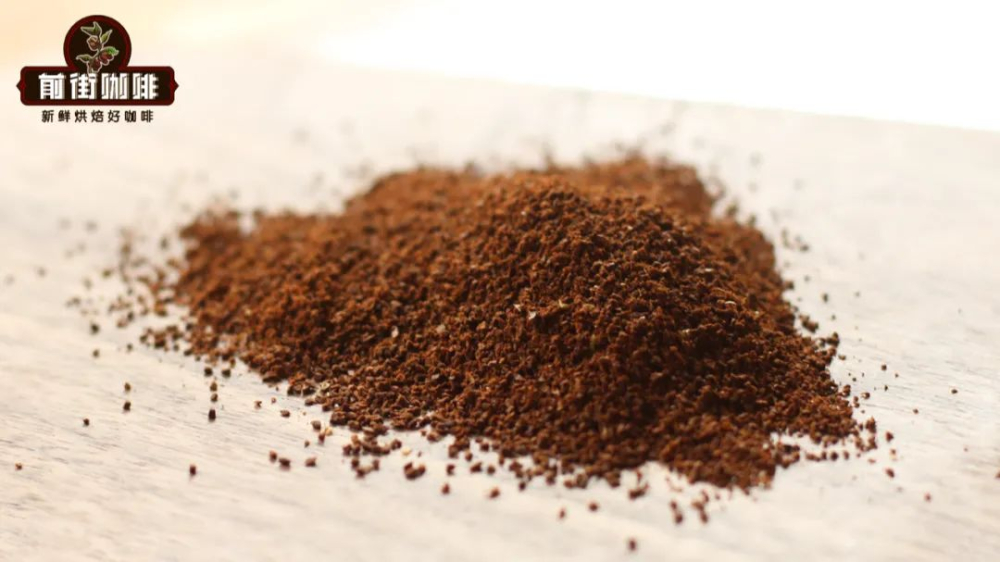
Therefore, we should adjust the grind slightly finer than the original setting, slowing down the water flow through the coffee bed for more complete extraction. Taking Front Street's grinding standard as an example, regular light-roast beans use an EK43 setting of 10, while for anaerobic beans like Geisha, it is adjusted finer by 0.5, which is an EK43 setting of 9.5.
Regarding water temperature, Geisha is a medium-light roast, and Front Street uses 92°C water paired with a finer grind, achieving just the right extraction efficiency.
The dose is set at 15g, with a coffee-to-water ratio of 1:15 (i.e., pouring 225ml of hot water). This ratio both fully releases the flavor of Geisha and avoids being too diluted and thin. Combined with the three-pour brewing method, the coffee's layers will be more distinct.
Brewing Stage
First is the blooming stage. Pour twice the dose of hot water from the center of the dripper, which is 30ml, and let it bloom for 30 seconds. Visually, you can clearly see that the loose nature of anaerobic beans makes the coffee bed puff up and degas particularly prominently.
After blooming, begin pouring the second stage of hot water. This stage is 120ml, pouring in a steady circular motion from the center outward until all is poured. Note that it is best to use a small stream for this stage to avoid raising the coffee bed too high, otherwise the drainage speed will increase and the coffee may become thin.
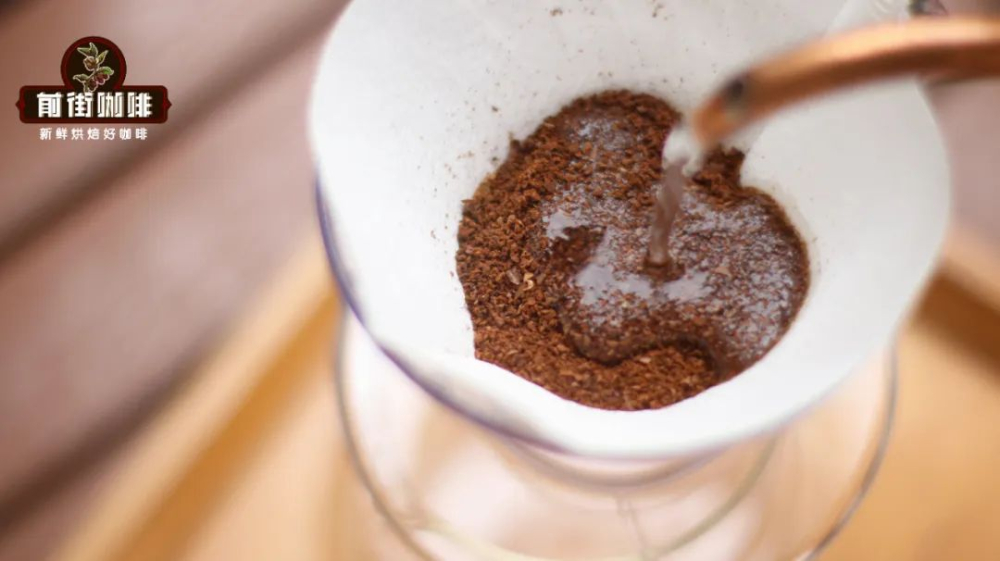
When the water level is about to reach the bottom, pour the final stage of hot water. For this stage, pour in a circular motion at the center of the coffee bed with a larger stream, keeping the circling range to about the size of a coin.
Once all the coffee has dripped through, remove the dripper, gently swirl the coffee, and it's ready to enjoy.
FrontStreet Coffee
No. 10, Baoqian Street, Yandun Road, Dongshankou, Yuexiu District, Guangzhou, Guangdong Province
The above content is compiled by CoffeeHunters, a coffee news website.


