








How does anaerobic coffee bean processing differ from natural and washed?
Anaerobic coffee bean processing ferments coffee cherries in an oxygen-free or oxygen-scarce environment for a set period. Sealing the cherries limits oxygen, so microorganisms break down sugars in the pectin and convert them into alcohol and carbon dioxide. That controlled fermentation produces the striking, complex flavors that set these beans apart from natural and washed lots, and it is why the method draws both fans and critics.
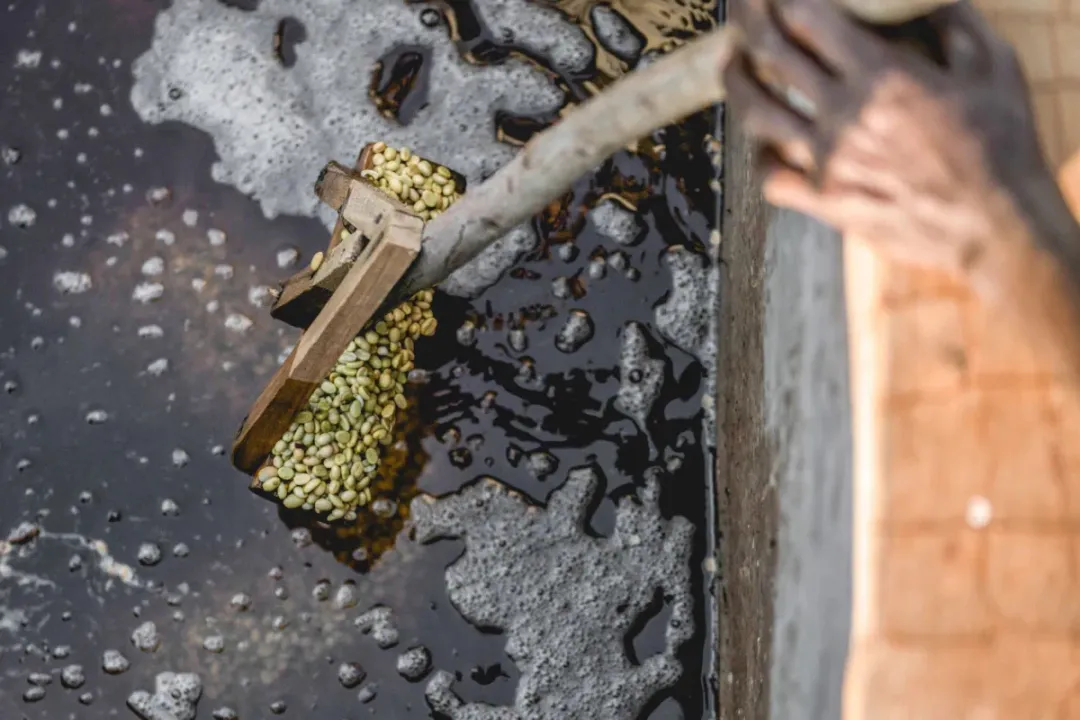
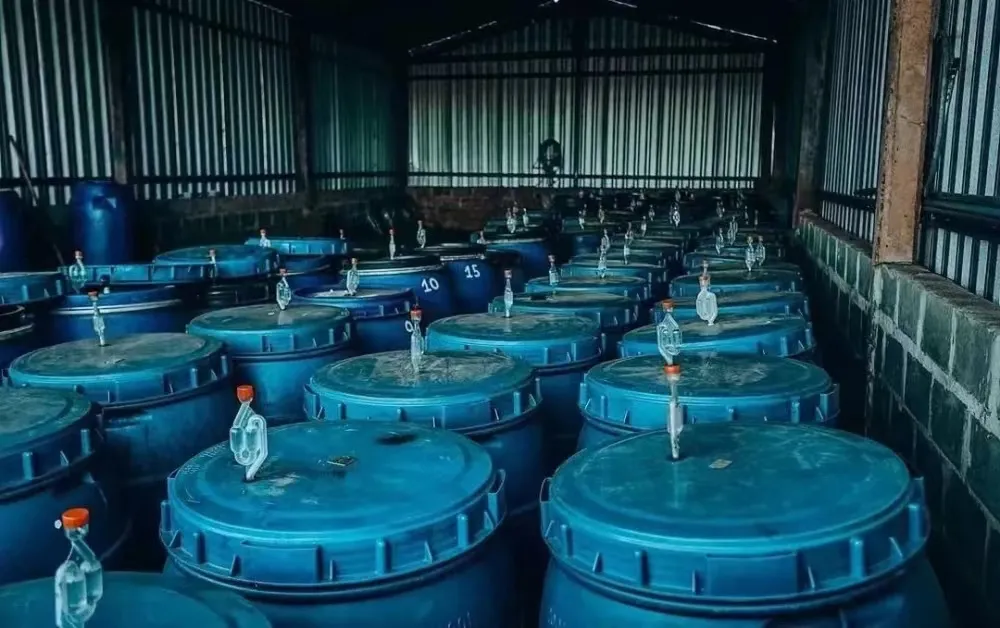
Natural and washed processing remain the traditional reference points. Natural drying leaves fruit around the seed, while washed processing removes it before drying. Anaerobic lots diverge because green coffee beans ferment inside a sealed tank, where oxygen levels and time can be managed. The results are often described as unconventional, which is why these coffees sit at the center of ongoing debate among enthusiasts.
Anaerobic coffee beans have always been a hot topic in enthusiast circles—some people are obsessed with them, while others find the flavors too unconventional. Compared to traditional methods like natural and washed processing, the anaerobic fermentation process still feels unfamiliar to many, which easily leads to misunderstandings and controversy. Today, Front Street Coffee will talk about what anaerobic processing is, how it differs from natural and washed processing, and what characteristics anaerobic fermented coffee beans exhibit.

However, judging from feedback from friends around us or discussions online, anaerobically processed coffee beans don't win everyone's favor the way traditional processing methods do. On one hand, the flavors brought by anaerobic processing are simply too "distinctive," and not every drinker can readily accept them; on the other hand, the specific process of anaerobic processing is still relatively unfamiliar to the general public, making it easy to misunderstand. For this reason, anaerobically processed coffee beans are often at the center of controversy. So today, Front Street Coffee will chat with you about what exactly "anaerobic processing" is.
What Is Anaerobic Processing?
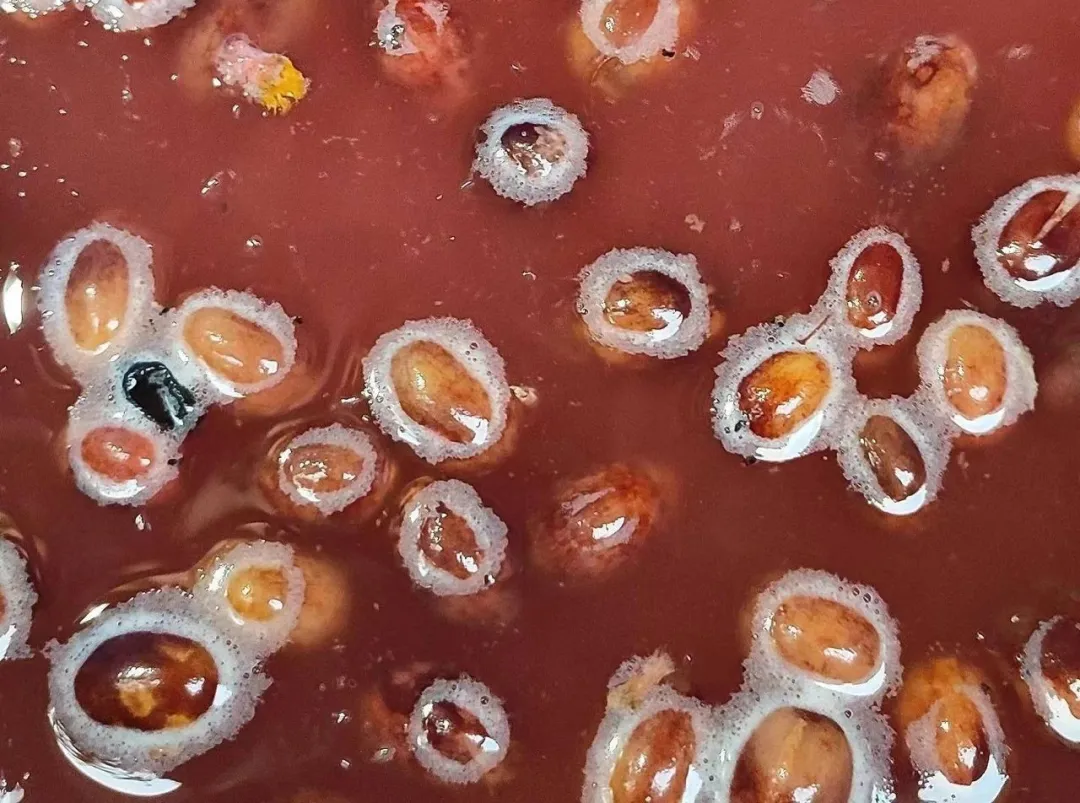
"Anaerobic processing," also called "anaerobic fermentation," is a method in which green coffee beans (i.e., coffee cherries) are placed under oxygen-free or oxygen-scarce conditions and allowed to ferment for a period of time. In this oxygen-deprived environment, the fermentation process of the green coffee beans (coffee cherries) can be effectively controlled, giving rise to strikingly different and complex flavors.
Front Street Coffee would like to briefly touch on fermentation here as well—though it is very close to everyday life, it has an importance that cannot be overlooked.
So-called "fermentation" is essentially a biochemical reaction process that, through the life activities of microorganisms, converts one substance into another. For example, the fermentation of green coffee beans is the conversion of sugars in the pectin into alcohol and carbon dioxide!
The above content is compiled by CoffeeHunters, a coffee news website.


