







Search Results for: Ana Sora Farm
Ethiopia Guji Ana Sora Farm Natural Sidamo G1: Single Estate Lot 3 Flavor and Origin Interpretation
Located in the Guji region of Ethiopia, the Anasora Farm is a rare single-estate coffee production site in the country, covering about 250 hectares at an altitude of 1,900 to 2,350 meters. This Lot3 batch is processed using the African raised-bed single-layer slow sun-drying method, presenting a complex aroma of strawberry cookie, mixed berries, citrus, and florals, accompanied by maple-syrup-like sweetness and a solid, rich mouthfeel. The delicate blueberry aroma from high fermentation, the sweet, full-bodied coffee, and the typical Sidamo depth at medium temperatures give this bean a long finish and lingering sweetness. Front Street Coffee recommends it to enthusiasts who love sun-dried Ethiopian coffee. This article will outline the estate's background, trends in the Guji region, and relevant Oromo context to help readers fully understand the origins and story of this bean. [more…]
Ethiopia Guji Ana Sora Estate Dorothy Coffee Beans: An In-Depth Analysis of the Peach Oolong Flavor from Enzyme Washed Processing
Ethiopia, as the birthplace of coffee, has given rise to countless stunning specialty coffees. From the classic natural and washed processes to the enzyme-washed method that has attracted much attention in recent years, different techniques impart entirely different flavor expressions to coffee beans. The Dorothy coffee beans offered by Front Street Coffee are a representative work from the Annasola Estate in the Guji region. Processed using the enzyme-washed method, they present delicate floral notes, rich peach aroma, and an oolong tea-like sweet finish, altogether resembling a cup of white peach oolong tea. This article will provide an in-depth introduction to the background of the Annasola Estate, the processing method of Dorothy, and roasting and brewing suggestions, taking you through a comprehensive understanding of the unique charm of this popular fruit-tea-flavored coffee bean. [more…]
Exploring Ethiopia Guji Ana Sora: White Peach Oolong Flavor Coffee Bean Varieties and Brewing Analysis
In recent years, coffee with floral and fruity notes has become increasingly popular, and an Ethiopian bean with a white peach oolong tea character is especially refreshing. It comes from Ana Sora in the Guji zone of Sidama, a specialty coffee stronghold that was independently demarcated in 2010 and has won numerous awards in recent years. Dorothy on Front Street Coffee's bean list comes from here, processed using enzyme-washed method, at an altitude of 1,900 to 2,350 meters. This article will walk you through the background of Ana Sora Estate, its processing methods, and how to brew that honey-sweet white peach oolong with a Hario V60. [more…]
Gu Ji Ana Sora Dorothy Coffee Beans: Enzymatic Washed Process and Peach Oolong Flavor Analysis
Ethiopia, as the birthplace of coffee, has nurtured many stunning regions and flavors. Among them, the Guji region, after gaining independence from Sidamo in 2010, rose rapidly with champion beans such as Huakui and Huaxu, becoming a focal point in the specialty coffee world. The "Dorothy" recently launched by Front Street Coffee comes from the Anasora Estate in the Guji region, using an enzyme-washed processing method, presenting rich notes of white peach, jasmine, and oolong tea. This article will provide an in-depth analysis of this coffee's regional background, estate story, processing techniques, and brewing parameters, offering a comprehensive understanding of this peach oolong-flavored coffee that overturns the traditional Ethiopian impression. [more…]
Ethiopia Guji Ana Sora Estate Enzyme Washed G1 Coffee Beans: Price, Flavor, and Estate Scale Analysis
Ethiopia, the birthplace of coffee, has always drawn the attention of coffee enthusiasts to its Sidamo and Guji regions. This article focuses on the enzyme-washed G1 coffee beans from the Guji Anna Sora estate, analyzing their price, flavor characteristics, and the estate's cultivation scale. The estate covers 250 hectares, of which 150 hectares are dedicated to coffee cultivation, with an additional 100 hectares expanded, and a washing station established relying on the water source of the Turo River. These beans present sweet floral notes, citrus gummy candy sweetness, delicate acidity of lemon and grapefruit, accompanied by a subtle black tea aroma, with a sweet, rich, and full-bodied mouthfeel. Currently, Front Street Coffee offers a roast-to-order service, with half a pound (227g) priced at 105 yuan. [more…]
Ethiopia Guji Ana Sora Estate Coffee Analysis: Exploring Enzyme Washed Processing and White Peach Oolong Flavor
In recent years, the Guji region of Ethiopia has risen to prominence in the specialty coffee world, and its intense floral and fruity aromas have drawn the attention of coffee lovers around the globe. As a young private estate in this region, the Annasora Estate leverages its unique geographical setting and enzyme-washed processing method to craft a coffee flavor reminiscent of white peach oolong tea. This article takes an in-depth look at the Annasora Estate's growing background and processing techniques, as well as how Front Street Coffee brings out this coffee's refined taste through roasting and brewing, offering you a comprehensive understanding of this much-talked-about Guji coffee. [more…]
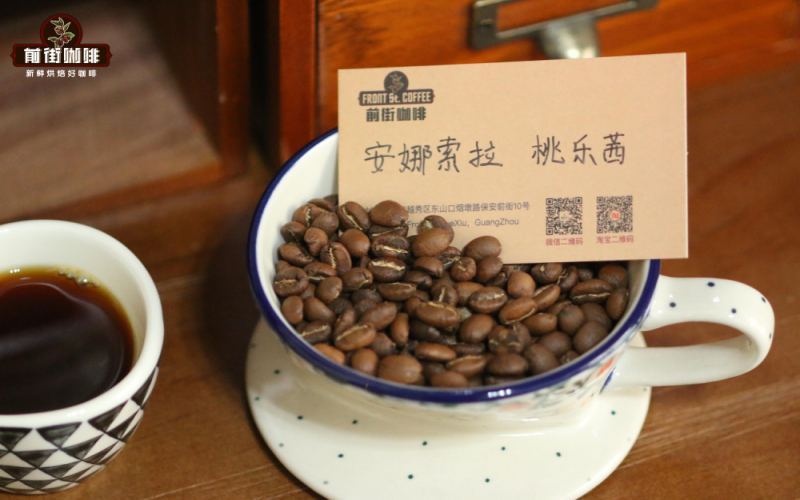
Flavor Analysis and Brewing Guide for Ethiopia Guji Ana Sora Estate Dorothy Coffee Beans
As the birthplace of coffee, Ethiopia has always held an important place in the global specialty coffee landscape, thanks to its exceptional heirloom variety resources and diverse processing methods. Located in the Guji region, the Annasola Estate, with its high-altitude growing environment of 1,900 to 2,350 meters and innovative enzyme-washed processing method, has crafted these Dorothea coffee beans that combine the flavors of lemon, peach, plum, and oolong tea. This article will guide you through an in-depth understanding of the geographical advantages of the Guji region, the background story of the Annasola Estate, and Front Street Coffee's roasting analysis and brewing suggestions for these beans, fully presenting their unique flavor charm. [more…]
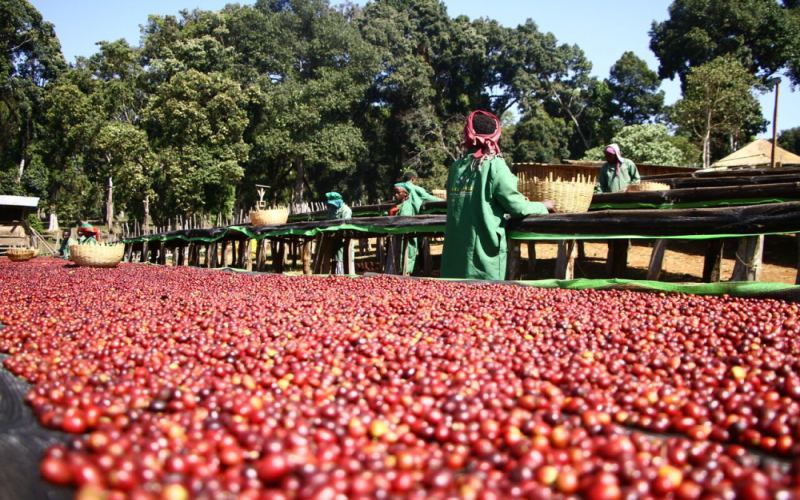
Ethiopia Guji Hambela Natural G1 Flavor Analysis: Hualgui Coffee Pour-Over Taste and Origin Background
Geisha—this Ethiopian natural bean that has drawn countless coffee lovers into the specialty world—what is its true origin and flavor? This article begins with the evolution of the Sidamo and Guji growing regions, sorts out the background of the Hambela farm and METAD, and explains in detail how Geisha went from a TOH champion to being named by batch. At the same time, Front Street Coffee brings the cupping and pour-over performance of the latest harvest Geisha 8.0: guava, jackfruit, and floral notes in the dry aroma; dried mango, passion fruit, and a juicy mouthfeel on the palate; and, as the temperature changes, the clean sweetness of peach and a black tea finish. Whether you are a beginner just getting into single-origin coffee or a veteran eager to understand batch differences, you will find useful information here. [more…]
The Origin of Huakui Coffee: The Historical Relationship Between Guji and Sidama and the Evolution of Hambela Natural Beans
In Ethiopia's coffee landscape, the relationship between Sidama and Guji often confuses people. From the perspective of Front Street Coffee, this article traces the historical evolution of the Sidama region, explains how Guji became independent from Sidama, and takes a deep dive into the Hambela region to tell the story of how the Huakui natural coffee bean rose to fame and how its versions changed over time. Whether you are new to single-origin coffee or want to understand the story behind Huakui, you will gain a clear framework and practical flavor references from it. [more…]
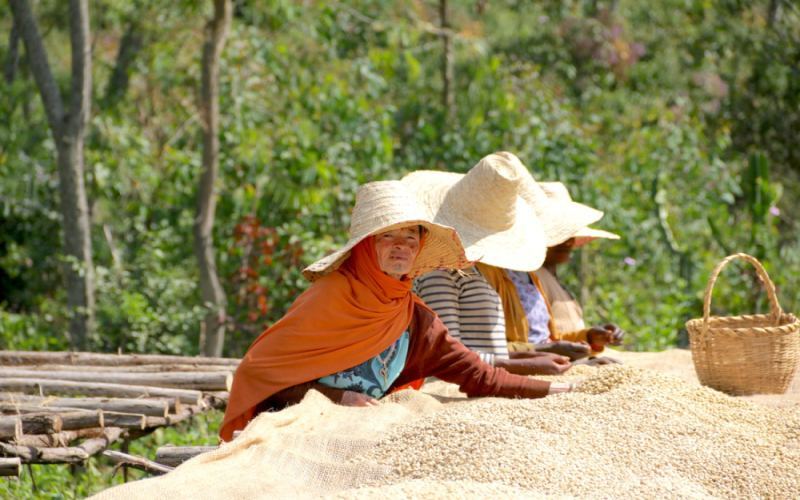
Ethiopia Guji Hambela: The Coffee Geography Evolution from Sidamo Separation to the Legend of Huakui
Ethiopia, as the birthplace of coffee, has a regional division far more complex than any administrative map. In the past, we were accustomed to labeling the origin of Huakui as "Sidamo," but today "Guji" has become the more common traceability information. Behind this change is the process by which the Guji region, relying on high altitude, fertile soil, and refined processing methods, became independent from Sidamo and rose rapidly. Hambela, as a star sub-region of Guji, is both a farm and a processing station, and gave birth to the Huakui series that has swept the specialty coffee world. Front Street Coffee will guide you through this evolution of coffee geography and retain detailed interpretations of products such as Huakui 8.0. [more…]
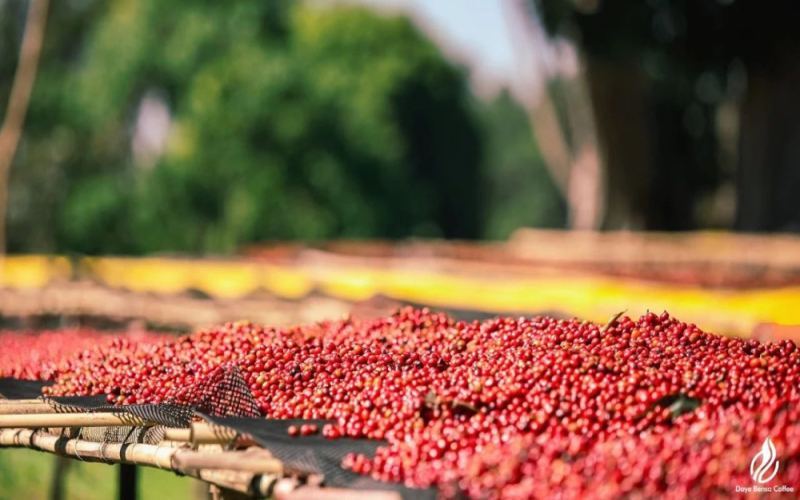
Ethiopia Guji G1 Natural Coffee Bean Flavor Analysis and Pour-Over Parameter Recommendations
Guji, as a rising star on Ethiopia's coffee map, has rapidly ascended to the ranks of core specialty coffee regions in recent years thanks to its outstanding flavor performance. From its early days under the Sidama region to being classified as a separate new category by the ECX in 2015, Guji's rise has followed a trajectory similar to that of Yirgacheffe. Hambela, as Guji's most representative sub-region, produces Huakui coffee beans that have become a favorite among domestic coffee enthusiasts thanks to their excellent sun-dried G1 quality. In this article, Front Street Coffee will systematically sort out the complete picture of this bean, from the region's historical evolution, terroir conditions, and the background of Hambela farms to the evolution of Huakui lots and specific brewing parameters, guiding you to a deeper understanding of Guji coffee's quality characteristics and brewing key points. [more…]
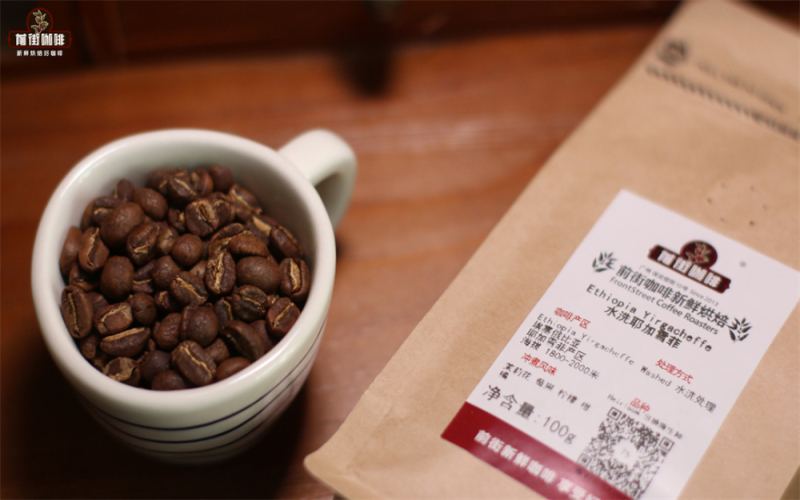
A Full Analysis of Natural Processing of Green Coffee Beans from Ethiopia's Sidama and Guji Regions and the Flavor of Huakui Lots
Sidamo and Yirgacheffe both belong to Ethiopia, yet Sidamo is renowned for its natural processing method, and Guji is an even newer rising star that has since broken away from it. This article covers geography, grading, and historical entanglements, then traces the origins of Hambela and Huakui, and explains the natural processing method and pour-over recommendations in detail. Front Street Coffee's daily bean selections and brewing parameters are also included, making it suitable for enthusiasts who want to gain a deeper understanding of Ethiopian natural coffee. [more…]
Ethiopia Guji Uraga Washed G1 Hero Coffee Beans Flavor Analysis and Pour-Over Parameters Tutorial
The Guji region of Ethiopia has attracted considerable attention in the specialty coffee world in recent years, and Uraga, as one of its standout sub-regions, has produced no shortage of stunning washed lots. In this installment, Front Street Coffee takes you deep into this Hero Washed G1: from the terroir conditions of Guji Uraga and Ethiopia's coffee bean grading system, to the jasmine, bergamot, and apricot flavors expressed under a light roast, and finally a complete set of pour-over extraction parameters and staged pouring technique. Whether you want to understand the classic style of Ethiopian washed beans or are looking for a reliable reference plan for your daily brewing, this article will give you clear answers. [more…]
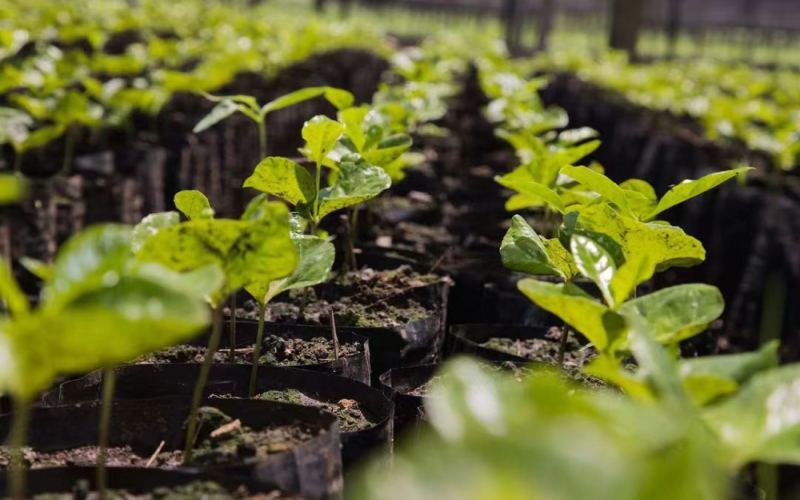
A Complete Analysis of Salvadoran Coffee Bean Origins: From Historical Changes to the Flavor of Bourbon and Pacamara Varieties
Although El Salvador is a small country, it occupies an important position on the coffee map of Central America. Here, there is both the delicate acidity and sweet balance nurtured by volcanic fertile soil, as well as a tumultuous history of dye substitution, land reform, and the ravages of leaf rust. Front Street Coffee has long been deeply involved in estates across multiple producing regions in El Salvador, accumulating a large number of flavor samples through roasting and cupping. This article begins with the coffee story of El Salvador, sorting out its growing conditions, the characteristics of nine major producing regions, and the main varieties (Typica, Bourbon, Pacas, Pacamara), and includes Front Street's roasting and brewing approach for the Santa Ana Chocolate Lover, taking you through a comprehensive understanding of the coffee charm of this "Volcano Country." [more…]
A Complete Analysis of Salvadoran Coffee Origins: Pipil Brand and the Flavor Characteristics of Six Major Regions, Plus Front Street Coffee's Roasting and Brewing Practices
Although El Salvador is a small country, its volcanic soil and high-altitude microclimates nurture specialty coffee with delicate acidity and a balanced mouthfeel, and Pipil Coffee is one of its most representative brands. This article traces the development of Salvadoran coffee from the 18th century to the present, analyzes the flavor differences and main variety characteristics of its nine major producing regions, and shares Front Street Coffee's specific approach to roasting and brewing Salvadoran beans, including how it handles beans such as Santa Ana Chocolate Lover and the brewing parameters, offering coffee lovers a complete origin reference. [more…]
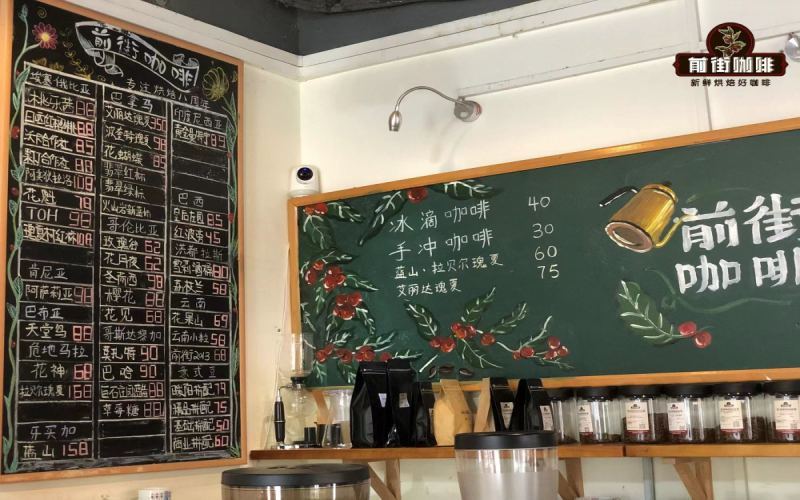
A Complete Guide to Bolivia's Coffee Regions: From Yungas Terroir to Java Variety and the Tomorrow's Sun Project
As a landlocked country in South America, Bolivia produces only a small amount of coffee, yet its extremely high altitudes and unique microclimates give rise to specialty beans. This article walks you through the historical origins of Bolivian coffee, the flavor differences between its main producing regions of Yungas and Caranavi, the story of how the local distinctive variety Java spread, and an in-depth analysis of how the "Tomorrow's Sun Project" launched by the Rodriguez family saved the specialty coffee industry. Front Street Coffee also shares the roasting and brewing parameters for the Waliki Estate Coco Natural Java, along with its cupping profile of a slight fermented note interwoven with grape and floral aromas. [more…]
Front Street Selection: El Salvador Himalaya Estate — Honey-Process Red Bourbon Flavor Analysis and Origin Story
The El Salvador Himalaya Estate is located in the Santa Ana region, at an altitude of 1,500 meters in the Apaneca mountain range, and is managed by Aida Batlle, primarily cultivating Bourbon varieties. This lot of Red Bourbon and Typica is washed at the El Divisadero processing station and then dried on African raised beds using the semi-dry process, presenting a complex flavor profile of red wine acidity, plum, and brown sugar, with a full body and a long-lasting finish. Front Street Coffee brings you this specialty roasted bean, and also introduces the Project Origin green bean sourcing initiative founded by Sasa Sestic—a project that works directly with farmers in impoverished regions, improves production conditions, and purchases at 20% above fair trade prices, supporting the sustainable development of high-quality coffee. [more…]
Cup Tasting Flavor Profile and Origin Characteristics of El Salvador Finca Neblina Champion Lot Pacamara and Bourbon Coffee Beans
This article provides an in-depth introduction to the legendary Salvadoran coffee producer Ernesto Menéndez and his award-winning lots from Finca Las Brumas. This lot includes two varieties, Pacamara and Bourbon, sourced from microclimatic blocks above 1,700 meters, with a clean and sweet flavor profile featuring notes of cherry, berries, creamy chocolate, and spice sweetness. The article details the estate's history, the arduous journey of twice winning the Cup of Excellence, the characteristics of the Pacamara variety, and includes a cupping report and roasting degree recommendations. It also introduces an overview of El Salvador's coffee-producing regions and information recommended by Front Street Coffee, making it suitable for coffee enthusiasts to gain a comprehensive understanding of the unique charm of Central American specialty coffee. [more…]
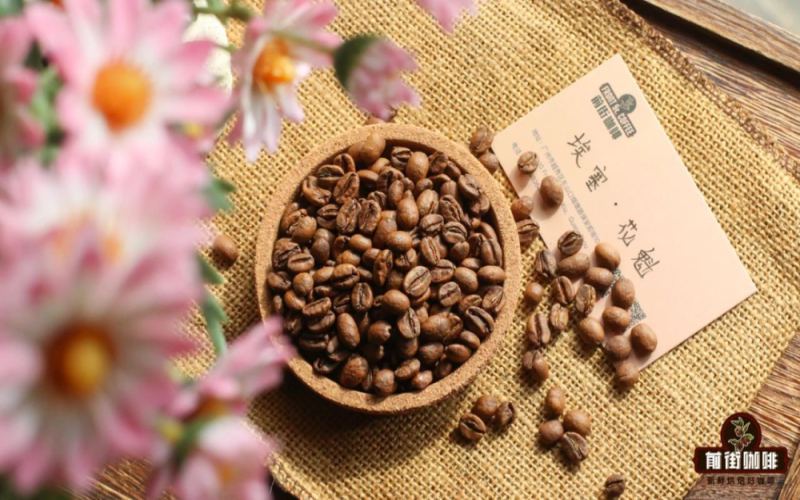
What is Huakui 6.0 Coffee? A Comprehensive Analysis of Its Origin, Variety, Processing Method, Flavor, and Mouthfeel
Huakui coffee has remained a hot topic in the specialty coffee circle in recent years, yet many people still have only a partial understanding of it. In fact, Huakui specifically refers to the sun-dried coffee beans produced by the Buku Abel processing station in Hambela, Guji region, Ethiopia—not all sun-dried beans from Sidamo or Guji can bear this name. This article will introduce the origin of the name Huakui, the traceability of its producing region, varietal characteristics, processing methods, and brewing suggestions one by one. It will also discuss the logic behind the version divisions from Huakui 2.0 to 6.0, as well as Front Street Coffee's roasting and brewing insights on this bean. Whether you are just getting to know Huakui or want to delve deeper into its terroir code, this article can give you clear answers. [more…]
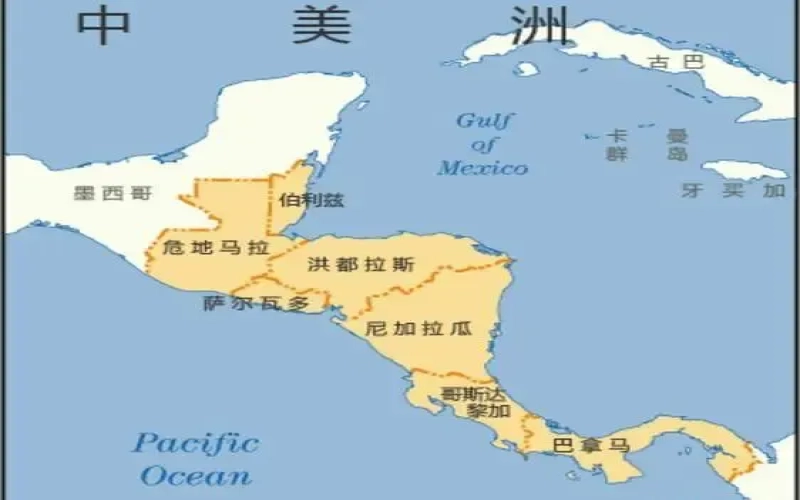
El Salvador Apaneca-Ilamatepec Region Analysis: Volcanic Soil, Historical Changes, and Finca El Angel
Among the many coffee-producing countries in Central America, El Salvador may not stand out in terms of volume, yet its volcanic ash soils and diverse microclimates give rise to a highly distinctive flavor profile. This article begins with the historical context, tracing how coffee replaced indigo as the backbone of the nation's economy and, after civil war and land reform, shifted toward competing on quality. The focus then turns to the largest producing region in the west, Apaneca-Ilamatepec, interpreting the high-altitude growing conditions around the Santa Ana volcano and the ecological value of shade cultivation, and introducing the varietal layout and terroir characteristics of Angel Estate, this year's COE Natural category runner-up. Front Street Coffee will also combine the region's characteristics to offer enthusiasts some reference ideas on bean selection and brewing. [more…]