







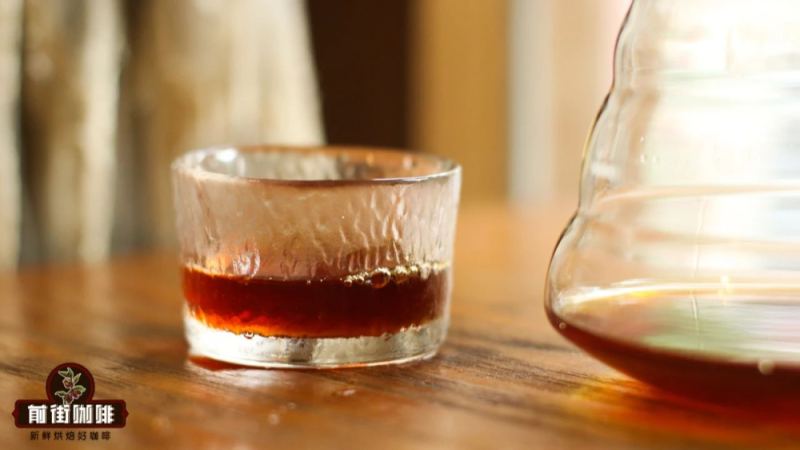
What Makes Ana Sora Green Coffee Bean Flavor Distinct?
Ana Sora sits in the Guji Zone of Sidama, Ethiopia, demarcated as a separate production area by the Ethiopian Commodity Exchange in 2010. The estate grows its green coffee bean at 1,900 to 2,350 meters and uses an enzyme-washed process, giving the cup a white peach oolong tea character rather than the usual jasmine and citrus profile.
Guji has performed well in national and continental competitions, and Ethiopian government support has pushed the region alongside Yirgacheffe. The rise of Hambela Hachira since 2017 brought Guji beans to wider attention. Brew on a Hario V60 to keep the floral aromatics and honeyed sweetness intact.
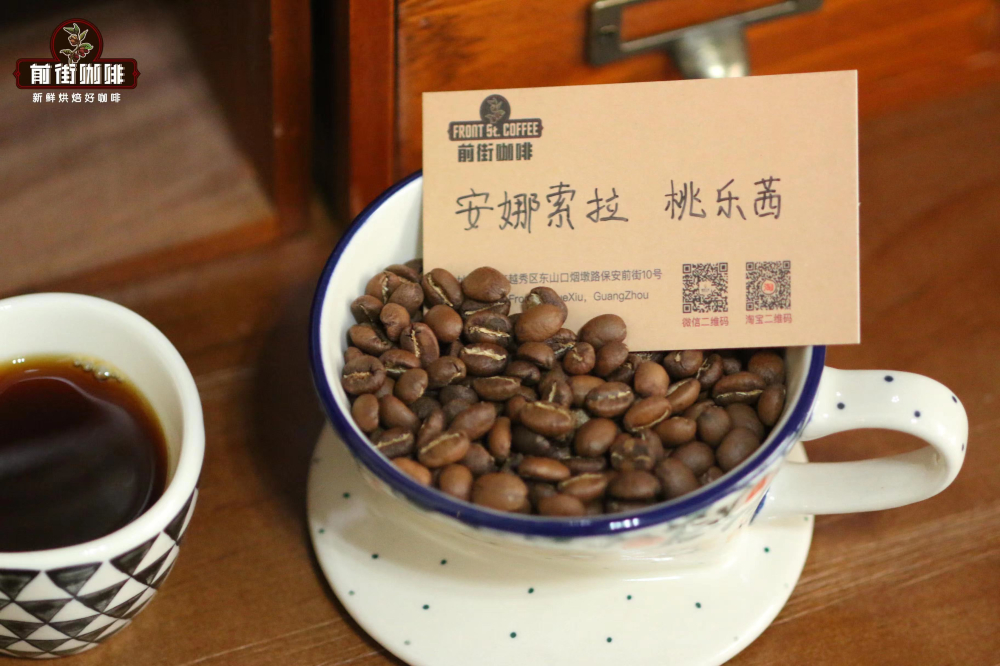
In recent years, coffee with floral and fruity notes has become increasingly popular, and an Ethiopian bean with a white peach oolong tea character is especially refreshing. It comes from Ana Sora in the Guji Zone of Sidama, a specialty coffee stronghold that was independently demarcated in 2010 and has won numerous awards in recent years. Dorothy on Front Street Coffee's bean list comes from here, processed using enzyme-washed method, at an altitude of 1,900 to 2,350 meters. This article will walk you through the background of Ana Sora Estate, its processing methods, and how to brew that honey-sweet white peach oolong with a Hario V60.
Today, coffee that weaves together floral and fruity aromas is increasingly sought after. The two Colombian beans with fruity and chocolate notes on Front Street Coffee's bean list can no longer satisfy everyone's desire to explore fresh flavors. A coffee that tastes like fruit tea has even appeared on the market, seen everywhere from street-side shops to chain cafés.
Surprisingly, many people's impression of Ethiopian coffee still remains stuck on fresh and natural, with delicate jasmine aromas and bright citrus-berry acidity. But when they learn that the coffee smelling like white peach oolong and tasting like white peach oolong actually comes from Ethiopia, many find it hard to believe.
In fact, this sweet and delicious bean comes from Ana Sora in the Guji Zone of Sidama, Ethiopia. Guji's performance in recent years has been evident to all—whether in national-level or continental-level coffee competitions, Guji is often on the list.
Guji originally belonged to the Sidama production area and was independently demarcated as a new production area by the Ethiopian Commodity Exchange (ECX) in 2010. In recent years, the Ethiopian government has intentionally developed specialty coffee regions similar to Yirgacheffe, and Guji is one of the key targets of support. With the rise in popularity of Hambela Hachira, specialty beans from the Guji region have gained international fame and become a pursuit for many coffee enthusiasts. Hachira Coffee Since 2017, Hachira Coffee has been sold in the Chinese market every year and has accumulated a large base of loyal fans.
On Front Street Coffee's bean list, there are Small-Bean Hachira, Hachira 5.0, and the 2020 TOH Washed Group Champion Bean—these Sidama coffee beans have also won continuous praise from Front Street Coffee's baristas. Of course, there is also an upcoming White Peach Oolong Dorothy.
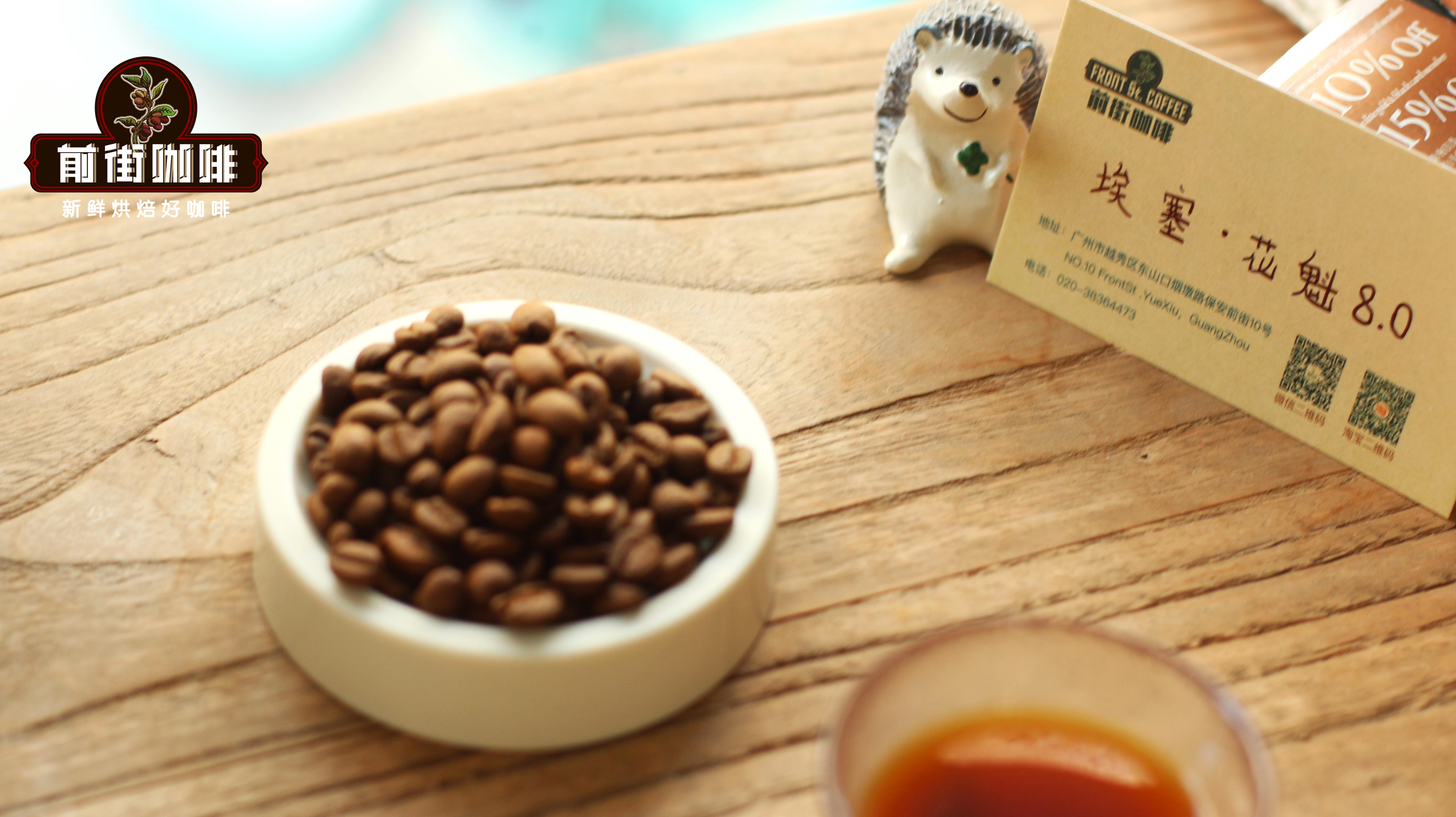
Front Street Coffee (FrontStreet Coffee): Ethiopian White Peach Oolong Dorothy Coffee Beans
Region: Guji
Estate: Ana Sora
Altitude: 1900m—2350m
Grade: G1
Variety: Local Heirloom
Processing Method: Enzyme-Washed
Harvest Season: 2021
Ana Sora Estate is a young plantation, established in 2010, with a total area of 250 hectares, of which about 150 hectares are planted with coffee. The estate takes its name from the local Ana Sora village. You may still be unfamiliar with this name, but that does not prevent it from being one of Guji's high-quality coffee origins.
Coffee cultivation in the Ana Sora area is carried out under the forest belt jointly maintained by the local government and social conservationists. The coffee trees are shaded by acacia, Cordia africana, legume trees, and false banana trees. Fallen branches and leaves return to the soil, and after decomposing they become natural fertilizer. Surrounding farmers have also formulated a set of environmental protection plans. Relying on the high altitude of 1,900 to 2,350 meters and eco-friendly cultivation methods, they produce high-quality coffee beans with balanced acidity and sweetness.
Ana Sora is actually a washing station, but unlike most washing stations, it is privatized and currently taken over by second-generation operator Israel Degfa. When Israel Degfa was young, his father ran a coffee cooperative while his mother sold green coffee beans at the station. His understanding of coffee production came precisely from his parents.
Before 2018, Ana Sora only produced natural-process beans, until the washing station was built. Because it is adjacent to the Turo River, they took advantage of this and built a green bean washing plant, with washing water also drawn from the river. Ana Sora's coffee beans thus became one of the rare estate-style washed beans in Ethiopia with self-production and self-sales.
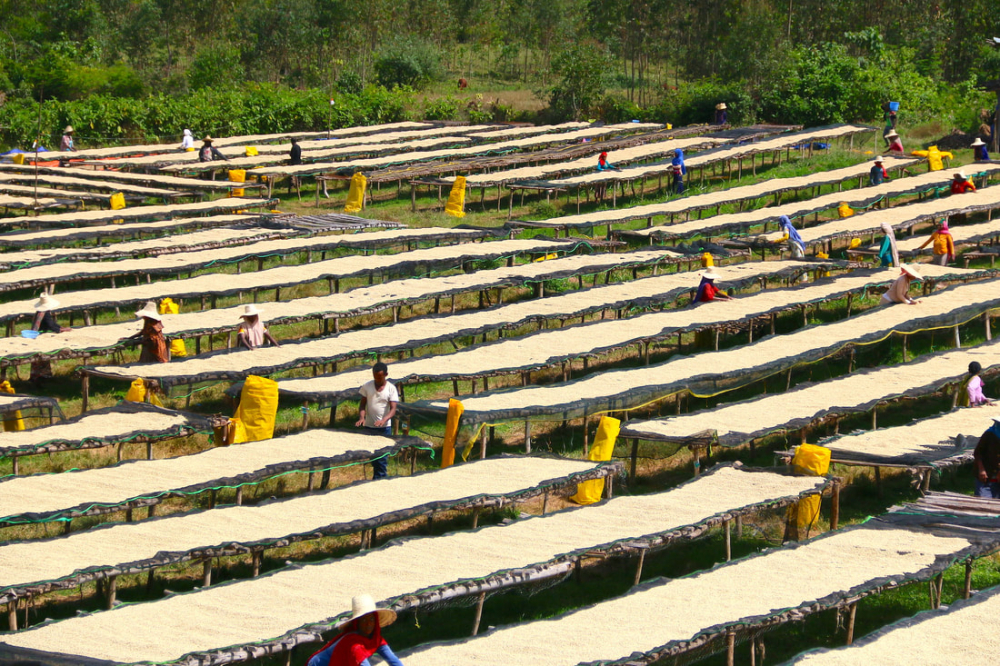
This Guji Ana Sora White Peach Oolong Dorothy from Front Street Coffee uses the enzyme-washed method: after removing the peel from ripe cherries, they are put into sealed tanks with added enzymes and fermented for 24 hours; then poured into water tanks to soak for 48 hours, separating the pectin layer, and then spread on drying beds to dry.
After Front Street Coffee (FrontStreet Coffee)'s roaster received the green Dorothy beans, in order to ensure that heirloom varieties of varying sizes roast evenly while retaining fruity aromas and bright acidity, they decided to use a medium-light roast.
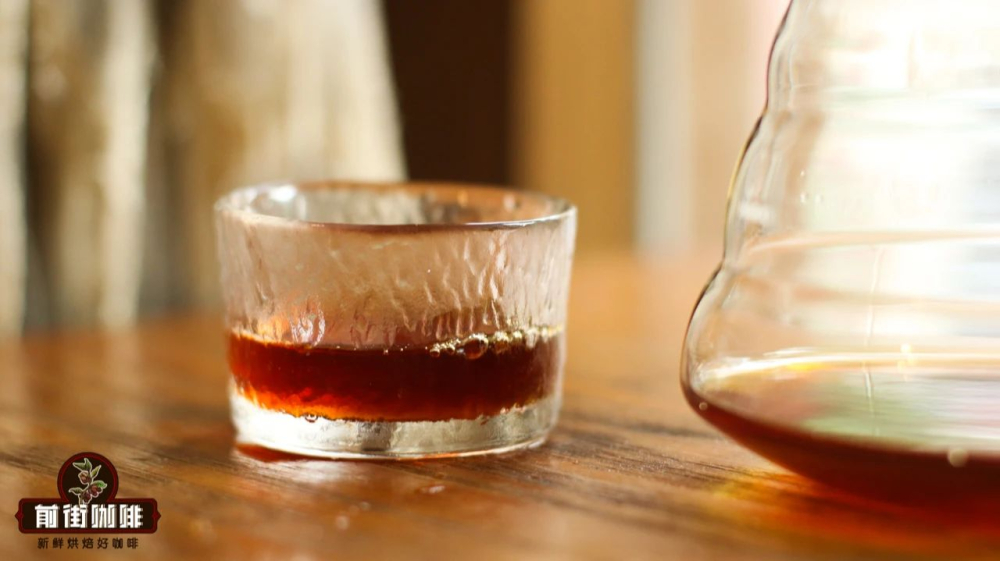
After cupping, Front Street Coffee (FrontStreet Coffee)'s baristas found that this Dorothy has a faint jasmine aroma, a rich white peach oolong fragrance, and a honey-like sweetness—overall, it feels like drinking a cup of white peach oolong tea.
When brewing, Front Street recommends using a Hario V60 dripper, a water temperature of 91 degrees Celsius, and a medium-fine grind.
Friends who often read Front Street articles will notice that when brewing this kind of medium-light roasted bean, Front Street often uses a Hario V60 dripper. After medium-light roasted beans come into contact with hot water, flavor compounds dissolve more slowly, so a finer grind and a high temperature of 90 to 93 degrees Celsius are usually used to speed up extraction. At the same time, to avoid over-extraction and bitterness caused by too slow a flow, a dripper with a relatively fast flow rate is chosen, such as the Hario V60.
Dripper: Hario V60
Water Temperature: 91 degrees Celsius
Dose: 15 grams
Coffee-to-Water Ratio: 1:15
Grind Level: 80% passing through China Standard No. 20 sieve
First pour 30 grams of hot water to fully wet the coffee grounds and bloom for 30 seconds. After the bloom, pour slowly in a circular motion from the center point with a small stream until 125 grams, in stages. When the water level in the dripper drops to the point where the coffee bed is about to be exposed, continue pouring slowly in a circular motion from the center point until 225 grams and stop. Wait for the water in the dripper to fully drip into the server, then remove the dripper. Total extraction time is about 2 minutes.
For more coffee bean information, please follow Coffee Workshop (WeChat public account: cafe_style) For professional coffee knowledge exchange, please add WeChat ID kaixinguoguo0925
The above content is compiled by CoffeeHunters, a coffee news website.


