





Why do coffee trees thrive in El Salvador's Apaneca-Ilamatepec?
El Salvador's Apaneca-Ilamatepec region, the country's largest western producing area, grows coffee trees on volcanic ash soils at high altitude around the Santa Ana Volcano. Those soils and varied microclimates give the coffee a distinctive flavor profile even though national output is small compared with neighboring Central American countries.
The article traces how coffee replaced indigo as El Salvador's main export crop, then moved toward quality competition after the civil war and land reforms. Shade cultivation supports local ecology, and estates such as El Angel, runner-up in this year's COE Natural category, show how variety choice and terroir shape the cup.
Among the many coffee-producing countries in Central America, El Salvador may not lead in volume, yet its volcanic ash soils and diverse microclimates give rise to a highly distinctive flavor profile. This article begins with the historical context, tracing how coffee replaced indigo as the backbone of the nation's economy, and how it shifted toward quality competition after the civil war and land reforms. The focus then narrows to the largest western producing region, Apaneca-Ilamatepec, interpreting the high-altitude growing conditions around the Santa Ana Volcano and the ecological value of shade cultivation, while introducing the variety lineup and terroir characteristics of this year's COE Natural category runner-up, El Aangel Estate. Front Street Coffee will also combine the region's characteristics to offer enthusiasts reference ideas on bean selection and brewing.
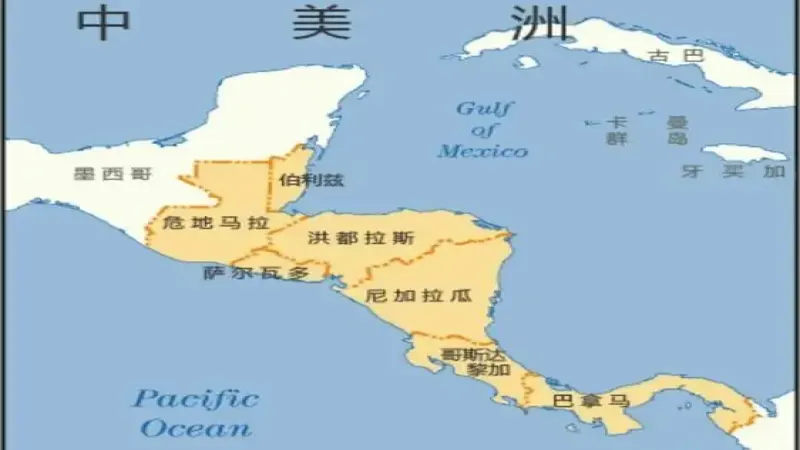
The economic structure of Central America has long been rooted in agriculture, with exports of tropical cash crops such as bananas, coffee, and sugarcane occupying a key position. This characteristic is inseparable from the region's topography—plateaus, mountains, and forests are widespread, and combined with a volcanic belt stretching over 1,300 kilometers, they form a unique natural foundation.
The volcanic ash deposits brought by volcanic activity make the soil exceptionally fertile, and together with varied climatic conditions, they have allowed many Central American countries to secure a place on the coffee map. El Salvador is one of them: although its output is far below that of its neighbors, the superiority of its growing environment and the richness of its flavor expression have always been valued by the coffee world.
Before coffee took root, indigo, a plant-based dye, was El Salvador's most important export commodity. After entering the 19th century, lower-cost synthetic dyes hit the market, and the indigo trade gradually shrank. Coffee then filled the gap and became the country's largest export crop.
However, most coffee-growing land was in the hands of politicians, and the president at the time himself owned more than 6,000 hectares of land. These powerful figures used their authority and military force to compel farmers to give up their land and to work on estates for low or even no pay. At the same time, they were willing to invest in infrastructure, which objectively drove the rapid expansion of the coffee industry. In 1920, coffee accounted for 90% of El Salvador's total exports; by 1970, the country had risen to become the world's fourth-largest coffee producer.
This momentum did not last. The civil war broke out in 1979 and did not end until 1992. While the war dealt a heavy blow to the coffee industry, it also gave rise to new land reforms: large estates were broken up, divided, and redistributed to landless workers. To this day, about 95% of El Salvador's coffee growers operate less than 20 hectares. Although production has fallen sharply, the industry's focus has clearly shifted toward quality improvement.
This transformation would not have been possible without the country's exceptional natural conditions. El Salvador is known as the "Land of Volcanoes," with 25 volcanoes distributed across its territory, and its terrain is mainly mountainous and plateau, with fertile soil. The country has a tropical climate, but mountainous areas are relatively cool, with annual rainfall exceeding 1,800 millimeters. Due to urbanization, forest coverage now stands at only 11%, of which 7% is coffee estates, yet these estates play an important role in ecological protection—more than 90% of coffee trees grow under shade, which slows fruit ripening, provides habitat for local and migratory wildlife, and also helps recharge aquifers through water retention and reduce soil erosion.
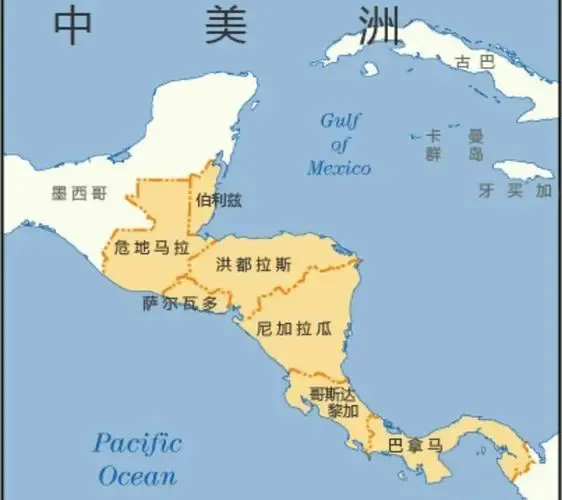
Coffee-producing regions are found throughout El Salvador, with the northern Alotepec-Metapán highlands and the western Apaneca-Ilamatepec volcanic region being the most renowned, frequently appearing on the country's COE competition lists. These regions mainly cultivate Pacamara and Pacas, and have repeatedly won awards in various competitions.
Apaneca-Ilamatepec is El Salvador's largest producing region, located in the west of the country, where forests, lakes, and mountains interweave, and four volcanoes are also distributed, with the Santa Ana Volcano (also known as the Ilamatepec Volcano) at its core. Coffee trees are planted on slopes at elevations ranging from 800 to 2,300 meters on both sides of the mountain range. Although frequent volcanic activity brings risks, it also continuously replenishes fertile volcanic ash, and combined with diverse microclimates, this gives the area the conditions to produce high-quality coffee. In this year's El Salvador COE, most of the winning estates came from this region, including the runner-up in the Natural category—El Aangel Estate.
The owner of El Aangel Estate is Rafael Gerardo Silva Esteves. The estate was originally purchased by the Mathies family in 2016, when it was only a piece of land, and coffee planting began in 2018. Rafael had long worked at the farm's processing plant until he acquired the estate in 2022.
The estate is located on a volcano in Santa Ana, at an elevation of 1,650 meters. Compared with other nearby estates, the climate here is hotter and drier, making it very suitable for natural processing; the large temperature difference between day and night, combined with mineral-rich volcanic soil, together contribute to the production of high-quality coffee. Currently, varieties such as Pacamara, Pacas, Geisha, and SL28 are grown on the estate. Owner Rafael revealed that he plans to introduce new varieties such as Sidra and Chiroso in the future.
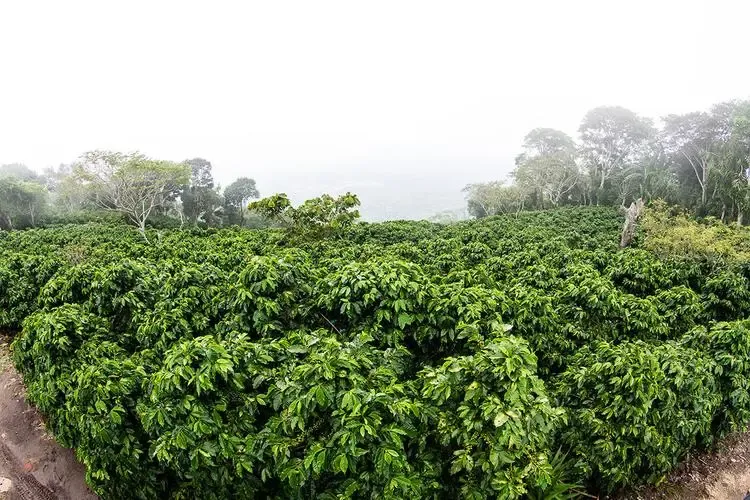
For domestic coffee enthusiasts, Front Street Coffee has long paid attention to the performance of the El Salvador region, especially Pacamara and Pacas from the Apaneca-Ilamatepec volcanic region. When selecting beans, Front Street favors natural-process lots to highlight their tropical fruit and chocolate-like rich sweetness. For brewing, it is recommended to use a medium-fine grind, a water temperature of around 92°C, and staged pouring to balance sweetness and clarity, which can better present the complex layers imparted by the region's volcanic soil.
The above content is compiled by CoffeeHunters, a coffee news website.


