







Search Results for: Apaneca-Ilamatepec
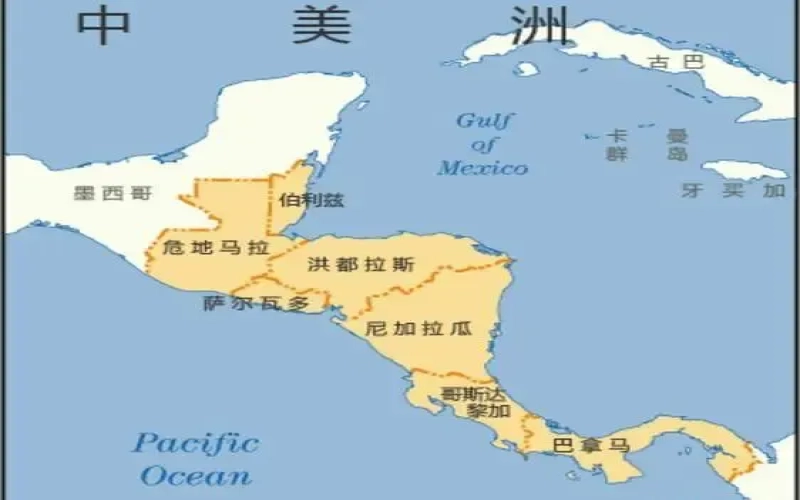
El Salvador Apaneca-Ilamatepec Region Analysis: Volcanic Soil, Historical Changes, and Finca El Angel
Among the many coffee-producing countries in Central America, El Salvador may not stand out in terms of volume, yet its volcanic ash soils and diverse microclimates give rise to a highly distinctive flavor profile. This article begins with the historical context, tracing how coffee replaced indigo as the backbone of the nation's economy and, after civil war and land reform, shifted toward competing on quality. The focus then turns to the largest producing region in the west, Apaneca-Ilamatepec, interpreting the high-altitude growing conditions around the Santa Ana volcano and the ecological value of shade cultivation, and introducing the varietal layout and terroir characteristics of Angel Estate, this year's COE Natural category runner-up. Front Street Coffee will also combine the region's characteristics to offer enthusiasts some reference ideas on bean selection and brewing. [more…]
El Salvador Finca Colombia Estate Pacamara Natural: Variety Characteristics and Flavor Analysis
Pacamara is a well-known variety developed in El Salvador, attracting attention in the specialty coffee world for its unique flavor performance. This article focuses on Finca Colombia estate in the Apaneca-Ilamatepec mountain range of El Salvador, reviewing its century-long history, variety cultivation, and natural processing methods, and analyzing El Borbollon processing station's practices in quality control and social responsibility. The estate owner Rafael Gerardo Caceres family adheres to traditional varieties and meticulous processing, presenting flavor layers of strawberry, lemonade, and creaminess. Front Street Coffee also recommends paying attention to this estate's natural batch, suitable for pour-over enthusiasts to experience its flavor characteristics. [more…]
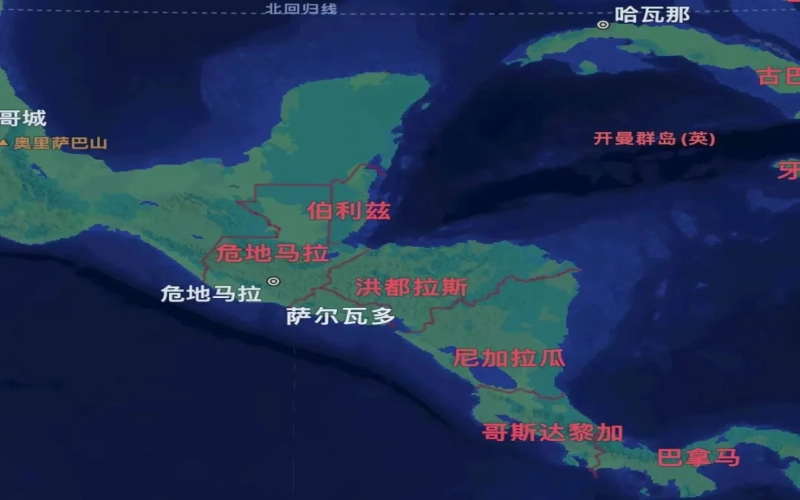
A Complete Analysis of El Salvador's Coffee Regions: The Flavor Codes of the Pacas and Pacamara Varieties
Although El Salvador is one of the smallest countries in Central America by land area and its coffee production is less than that of its neighbors, its volcanic soil, Pacific sea breezes, and high-altitude mountains give rise to specialty coffees with diverse flavors. This article will guide you through El Salvador's geographical and climatic conditions, the distribution of its main coffee-producing regions, and the origins and characteristics of two highly representative varieties—Pacas and Pacamara. Whether you are a coffee enthusiast just getting started or a seasoned connoisseur looking for your next bag of beans, you will gain practical knowledge about this producing region. [more…]
A Complete Analysis of Salvadoran Coffee Origins: Pipil Brand and the Flavor Characteristics of Six Major Regions, Plus Front Street Coffee's Roasting and Brewing Practices
Although El Salvador is a small country, its volcanic soil and high-altitude microclimates nurture specialty coffee with delicate acidity and a balanced mouthfeel, and Pipil Coffee is one of its most representative brands. This article traces the development of Salvadoran coffee from the 18th century to the present, analyzes the flavor differences and main variety characteristics of its nine major producing regions, and shares Front Street Coffee's specific approach to roasting and brewing Salvadoran beans, including how it handles beans such as Santa Ana Chocolate Lover and the brewing parameters, offering coffee lovers a complete origin reference. [more…]
A Complete Analysis of Salvadoran Coffee Bean Origins: From Historical Changes to the Flavor of Bourbon and Pacamara Varieties
Although El Salvador is a small country, it occupies an important position on the coffee map of Central America. Here, there is both the delicate acidity and sweet balance nurtured by volcanic fertile soil, as well as a tumultuous history of dye substitution, land reform, and the ravages of leaf rust. Front Street Coffee has long been deeply involved in estates across multiple producing regions in El Salvador, accumulating a large number of flavor samples through roasting and cupping. This article begins with the coffee story of El Salvador, sorting out its growing conditions, the characteristics of nine major producing regions, and the main varieties (Typica, Bourbon, Pacas, Pacamara), and includes Front Street's roasting and brewing approach for the Santa Ana Chocolate Lover, taking you through a comprehensive understanding of the coffee charm of this "Volcano Country." [more…]
A Detailed Explanation of El Salvador Coffee Grading SHG Standards: Origin History, Flavor Characteristics, and Front Street Coffee Roasting and Brewing Practices
Although El Salvador is a small country in terms of land area, it occupies an important place in the specialty coffee landscape of Central and South America thanks to its volcanic-rich soil and mild climate. Starting from its historical development, this article traces how coffee replaced indigo as the country's economic pillar, and details the impact and reconstruction of the industry brought by events such as the civil war, land reform, and leaf rust. It also systematically introduces the three-tier elevation grading system of SHG, HG, and CS, the flavor differences among the nine major producing regions, and the characteristics of the four major varieties: Typica, Bourbon, Pacas, and Pacamara. Front Street Coffee further uses two beans, Lemus Estate and Chocolate Lover Estate, as examples to share roasting approaches and V60 brewing parameters, helping readers gain a comprehensive understanding of the unique charm of Salvadoran coffee. [more…]
Flavor Characteristics of Major Coffee Regions Around the World: A Guide to Tasting Profiles and Mouthfeel from Africa to the Americas
Even different plots within the same estate can produce coffees with distinct flavors, let alone major regions spanning continents. The three great specialty coffee belts—Asia, Africa, and Central & South America—nurture vastly different flavor profile characteristics due to terroir differences: Ethiopia's floral and citrus notes, Indonesia's rich herbal undertones, and Central America's balanced chocolate character, each with its own following. Before deciding to put a coffee on the shelf, Front Street Coffee repeatedly roasts and cups samples from each region, selecting the most representative lots before recommending them to consumers. This article systematically organizes the flavor characteristics and taste descriptions of major coffee-producing countries worldwide, covering Ethiopia and Kenya in Africa; Indonesia and India in Asia; Guatemala, Costa Rica, and Panama in Central America; and Colombia and Brazil in South America, providing coffee lovers with a complete flavor profile reference. [more…]
How to Describe Coffee Flavors? A Comprehensive Analysis of Flavor Characteristics of Major Coffee-Producing Countries and Regions Worldwide
Even coffee from different plots within the same estate can vary in flavor, let alone regions spanning different countries. The three major specialty coffee regions—Asia, Africa, and the Americas—each display distinctly different regional characteristics due to their unique terroir. Ethiopia's floral and citrus notes and the rich, full-bodied character of Asian coffees each have their own following. When recommending single-origin beans to customers, Front Street Coffee matches them based on taste preferences—those who prefer acidity can choose Front Street Kenya Small Tomato or Front Street Yirgacheffe, while those who enjoy a full-bodied cup can try Front Street Jamaica Blue Mountain or Front Street Golden Mandheling. Front Street currently offers more than 200 specialty coffee beans, and every bean has undergone repeated roasting tests and cupping screenings, only being recommended to consumers after confirming it is representative of its region. The following content is a coffee flavor guide compiled by Front Street after multiple rounds of roasting and cupping of common coffee regions around the world. [more…]