







What Does the Huakui Coffee Bean Processing Method Involve?
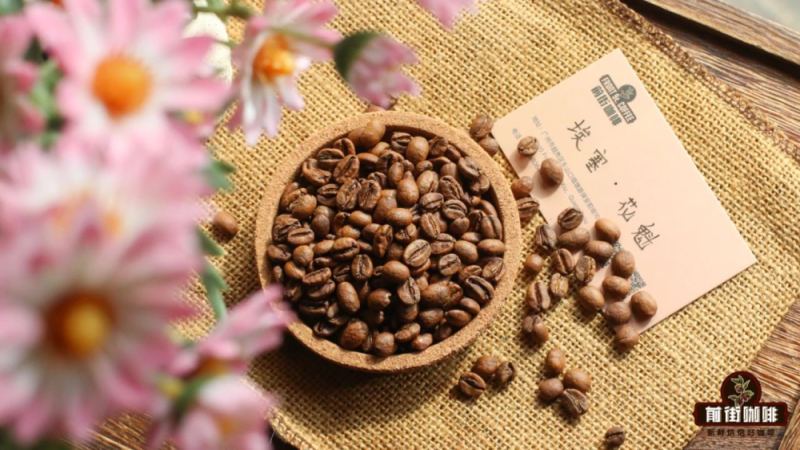
Huakui coffee refers to naturally processed beans from the Buku Abel processing station in Hambela, Guji, Ethiopia. The name is not a general label: naturally processed beans from elsewhere in Sidamo or Guji cannot use it. The Chinese name Huakui and the English name Hambella do not match directly, which is one reason the naming causes confusion among drinkers.
Huakui grew out of the old greater Sidamo region, once made up of 23 zones, over 50 cooperatives and more than 200 processing stations. When Yirgacheffe split off and registered its trademark in 2007, regional identity became a market signal. From Huakui 2.0 to 6.0, the version numbers track changes in lot, harvest and coffee bean processing rather than a single fixed recipe.
Huakui coffee has remained popular in the specialty coffee scene in recent years, yet many people still have only a partial understanding of it. In fact, Huakui specifically refers to the naturally processed coffee beans produced by the Buku Abel processing station in Hambela, Guji region, Ethiopia—not all naturally processed beans from Sidamo or Guji can bear this name. This article will introduce the origin of the name Huakui, trace its producing region, varietal characteristics, processing methods, and brewing suggestions one by one. It will also discuss the version naming logic from Huakui 2.0 to 6.0, as well as Front Street Coffee's roasting and brewing insights on this bean. Whether you are new to Huakui or want to deepen your understanding of its terroir code, this article can give you clear answers.
For more specialty coffee knowledge, please follow the WeChat public account: Front Street Coffee (FrontStreet Coffee)
The word "Huakui" applied to coffee is indeed unexpected. In ancient times, among courtesans, only those with both talent and beauty could earn the title of Huakui (the top beauty). But did you know that this coffee from the Guji region of Sidamo is called Huakui, actually borrowing this Chinese term? If you pay close attention, you will notice that the Chinese name and English name of this bean do not correspond—the Chinese name is "Huakui," while the English is often written as "Hambella," which literally translates to "Hanbella." Below, Front Street will discuss how the name Huakui coffee actually came about.
Front Street Huakui Coffee Origin of the Name
Sidamo in southern Ethiopia was once a vast coffee-producing region, encompassing 23 zones, over 50 cooperatives, and more than 200 coffee processing stations. Its scope spanned multiple administrative districts, with varying terroir and climatic conditions, resulting in coffees with rich and varied flavor profiles.
In the last century, Yirgacheffe was originally part of the Sidamo producing region and was uniformly labeled as "large Sidamo coffee" for export. However, because Yirgacheffe quickly gained attention for its outstanding flavor, it was the first to become independent from the Sidamo classification. With the push from the Ethiopian government, the coffee of this small town was successfully registered globally as the "Yirgacheffe®" flavor trademark in 2007.
Similarly, when the Ethiopia Commodity Exchange (ECX) was established around 2008, Guji coffee was also categorized under "Sidama A" in auction classifications. Later, as more and more small producing areas under Guji frequently ranked high in international green bean competitions such as COE with their excellent flavors, Guji's reputation grew. In 2015, the ECX separated it into a new category representative.
Looking at the coffee distribution map, Guji's well-known sub-regions include Ana Sora, Hambela, Shakiso, Uraga, Rogicha, and others. The Front Street Huakui coffee mentioned earlier comes from Hambela, with more detailed traceability pointing to the Buku Abel processing station, using natural processing. Below we introduce them one by one.
Front Street wants to remind everyone of one point: not all naturally processed coffee from the Sidamo Guji region can be called Huakui. Only the naturally processed coffee produced and processed by the Buku Abel processing station is truly "Huakui," which is why the Buku Abel processing station is also known as "Huakui Estate." Coffee flavor is influenced by the growing environment. Huakui's growing area is surrounded by sugarcane and bananas. Under high-altitude climatic conditions, this creates Front Street Huakui Coffee with a smooth mouthfeel, passion fruit acidity, and fermented wine notes brought by natural processing.
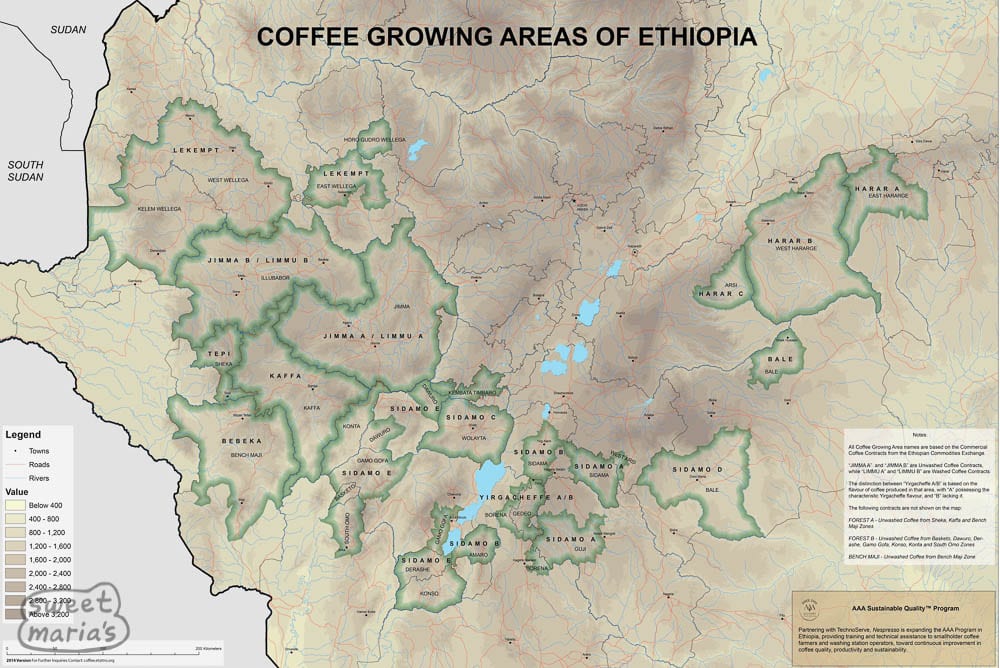
Sidamo Guji Producing Region - Hambela
It is said that coffee flavor is closely related to climate and altitude; high altitude and a superior environment naturally nurture high-quality coffee beans. The Guji producing region was once part of Sidamo, but in 2010 it was separated into a new producing region by the Ethiopia Commodity Exchange (ECX). Guji is located southeast of Yirgacheffe, with complex terrain where high mountains, deep valleys, and plains interlace. The soil in this area is nutrient-rich black soil (Vertisol), nearly two meters deep, with an average altitude above 1,800 meters. The significant diurnal temperature difference brought by geographical characteristics gives the area all the terroir conditions for producing high-quality specialty coffee.
Front Street Huakui Coffee Beans come from Hambella (Hambella), located in Guji (GUJI), a famous specialty coffee producing region in Ethiopia (formerly part of the Sidamo coffee producing region), and administratively part of Oromia State. Hambella faces Yirgacheffe's Kochore across the mountains to the west. The two producing regions are separated by a highland about 3,200 meters high and about 30 kilometers wide. To the southeast, north, and south, it borders Guji's Shakiso, Uraga, and Kercha sub-regions. It is the highest-altitude coffee sub-region in Ethiopia (Harrar is Ethiopia's highest-altitude main producing region).
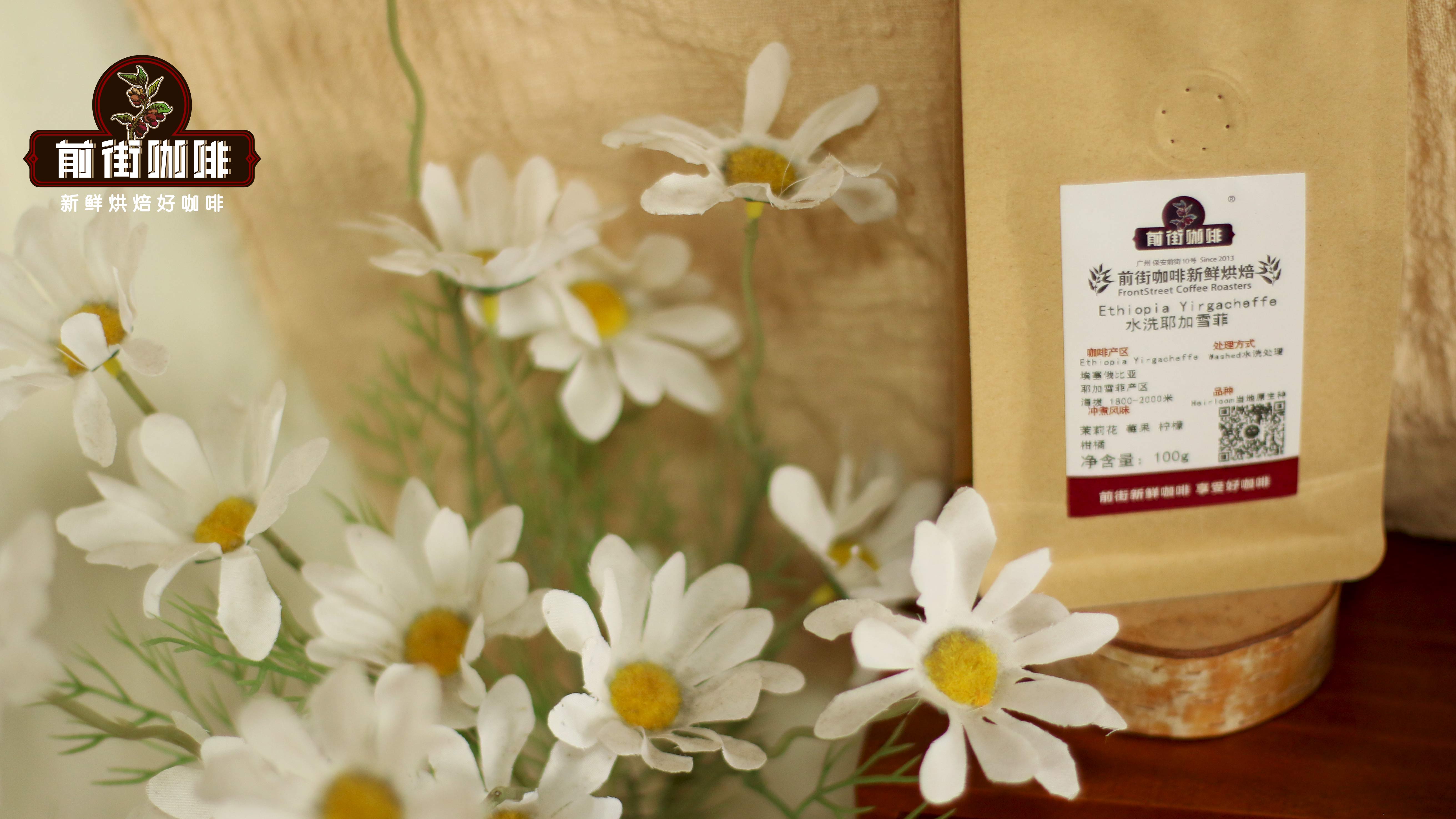
Currently, the Hambella region has nearly 20 processing stations of various scales. In 2017, a naturally processed bean from DW Company's "Buku Abel" processing station won the Ethiopia National Taste of Harvest Competition championship. Chinese green bean importers named this bean Huakui. At that time, this bean had a rich strawberry and cream aroma. In other words, only coffee beans produced by the "Buku Abel" processing station are called Huakui. Front Street Coffee (FrontStreet Coffee) also offers coffee products produced by the Buku Abel processing station.
Front Street Huakui Coffee Variety
What coffee variety is Front Street Huakui Coffee from Ethiopia? Why is it written as a local heirloom variety? Front Street tells everyone: Ethiopia is the genetic homeland of coffee, with an extremely large number of coffee varieties, unlike coffee estates in the Americas where coffee varieties were artificially brought in. Therefore, it is simply impossible to distinguish varieties. There may be thousands of varieties in one coffee-growing area. The uneven size of Ethiopian coffee beans precisely proves this point. Faced with this situation, Ethiopia can only use the term "heirloom" to cover native coffee varieties.
Front Street Huakui Coffee Bean Processing Method
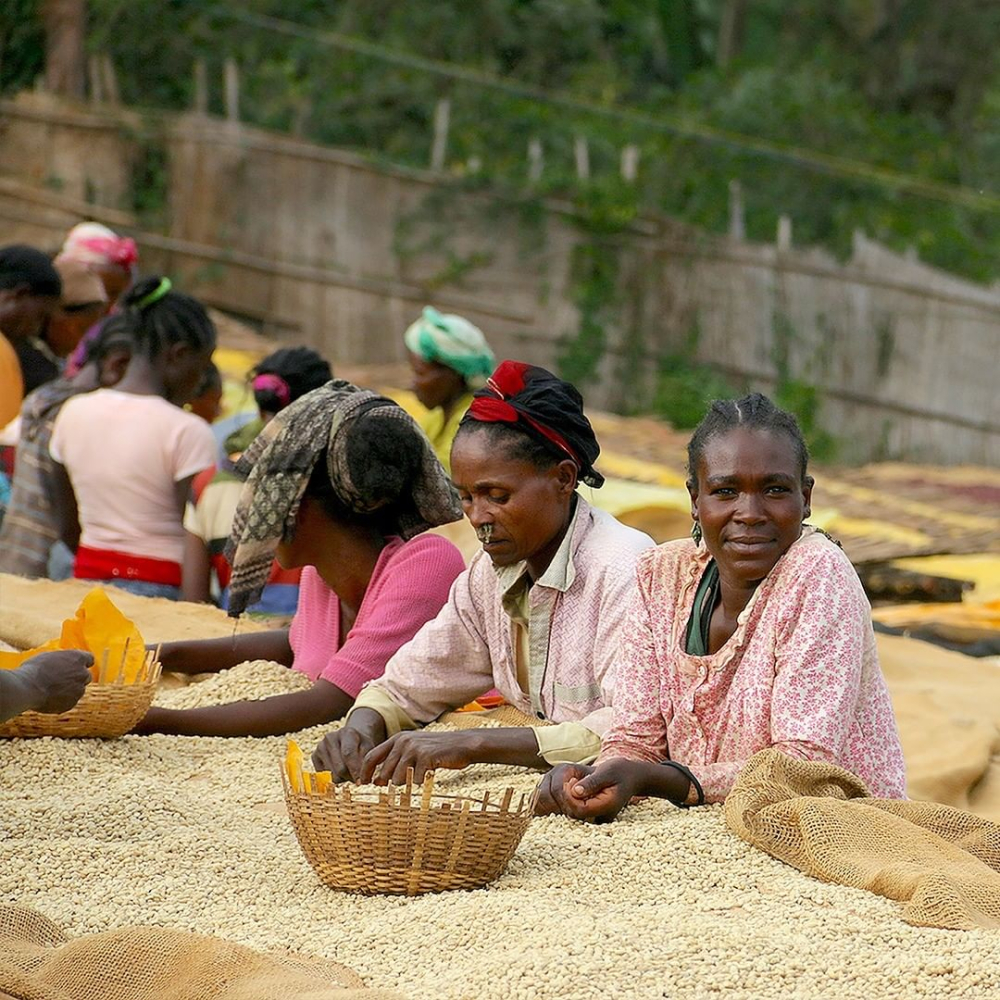
Besides producing region and variety, coffee flavor is actually also influenced to some extent by the coffee bean processing method. Front Street Huakui Coffee uses the oldest natural processing method—sun-drying. According to Front Street's understanding: coffee farmers pick coffee cherries from December to January each year. The coffee red cherries must reach a sugar degree of over 30% before sun-drying. The sun-drying process is very particular. In the first two days, the humidity of the coffee red cherries must be maintained so that the fruit sugars fully undergo fermentation. When the temperature is relatively high at noon, shade must be provided in time to prevent the red cherries from being sunburned, which would be unfavorable for fermentation. Then at night, to prevent sudden rain, they must be wrapped with thick plastic.
Coffee is a type of agricultural product, and its flavor is of course affected by climate, so the flavor of Huakui coffee varies slightly each year. Therefore, Hongshun Company distinguishes coffee beans introduced from the "Buku Abel" processing station in the Hambella producing region by year, naming previous Huakui coffees and representing different batches or harvest seasons as Front Street Huakui 2.0, Front Street Huakui 3.0, Front Street Huakui 3.1, Front Street Huakui 4.0, and Front Street Huakui 5.0. By analogy, should this year's Huakui be called Front Street Huakui 6.0? Front Street is also looking forward to the arrival of Huakui 6.0. Front Street believes that the future Front Street Huakui 6.0 will certainly not disappoint everyone!
Front Street Coffee (FrontStreet Coffee) Brewing Suggestions:
For coffee brewing, Front Street always recommends that freshly roasted coffee beans better express the rich flavors of coffee. Therefore, all coffee beans sold by Front Street are within 5 days of roasting. Front Street's roasting philosophy is "Freshly roasted good coffee," so that every customer who places an order receives the freshest coffee. The resting period for coffee is about 4-7 days, so when customers receive it, it is exactly at its best flavor.
Of course, some customers need Front Street to help grind the coffee. That is also fine, but Front Street must remind you: if coffee beans are ground in advance, they need to be brewed promptly; if already ground into coffee powder, there is no need for further resting, because during transportation, the pressure generated by carbon dioxide inside the package can also round out the coffee flavor, so once you receive the coffee powder, you can immediately brew a cup and drink it.
However, coffee powder oxidizes relatively quickly after contact with air, meaning the coffee flavor dissipates relatively quickly and the coffee flavor becomes less good. Therefore, Front Street recommends buying whole beans and grinding fresh for each brew, so you can better taste the rich flavors of coffee.
Front Street Huakui Coffee Brewing Suggestions: In order to fully extract the rich layering of Front Street Huakui Coffee Beans, Front Street uses: dripper: Hario V60, water temperature: 90°C, dose: 15 grams, coffee-to-water ratio: 1:15, grind size: medium-fine grind (80% passing through a Chinese standard No. 20 sieve).
Use staged extraction, blooming with twice the amount of water as the coffee dose, that is, 30 grams of water for a 30-second bloom. The reason a blooming process is needed is to allow the coffee grounds to release internal carbon dioxide gas, thereby making the later extraction more stable. Pour in a small stream in circles until 125 grams, then pause, continue pouring until 225 grams and stop. After the water in the dripper has dripped through, remove the dripper. Start timing from the beginning of pouring; extraction time is 2'00". Next, pick up the entire cup of coffee and swirl it to mix evenly, then pour it into a cup for tasting.
Front Street Natural Huakui Coffee Flavor Description : citrus acidity, full berry juice body, lemon black tea tea-like quality, lasting sweetness.
Professional coffee knowledge exchange. For more coffee bean information, please follow Coffee Workshop (WeChat public account: cafe_style)
For more specialty coffee beans, please add private WeChat Front Street Coffee (FrontStreet Coffee), WeChat ID: qjcoffeex
The above content is compiled by CoffeeHunters, a coffee news website.


