







Search Results for: Air Fryer

Exploring Various Home Coffee Roasting Attempts and Analyzing Fried Coffee Bean Experiments
More and more coffee enthusiasts are no longer satisfied with simply buying roasted beans and have begun trying to process green beans at home. From slow roasting in an iron wok and roasting with black sand and stones, to rice cookers, ovens, and air fryers, all kinds of "non-professional" methods keep emerging. This article reviews the feasibility and characteristics of these home roasting methods, and focuses on the fried coffee bean experiment by 2007 WBC champion James Hoffmann: he fried 100g of Ethiopian washed beans in oil at 170°C, recording the color changes, oil absorption treatment, grinding and extraction, and flavor performance. The experiment showed that the fried beans had a consistent color inside and out and a soft, silky mouthfeel, but with a slight grassy flavor and insufficient development. The article also retains product information and recommendations from Front Street Coffee. [more…]
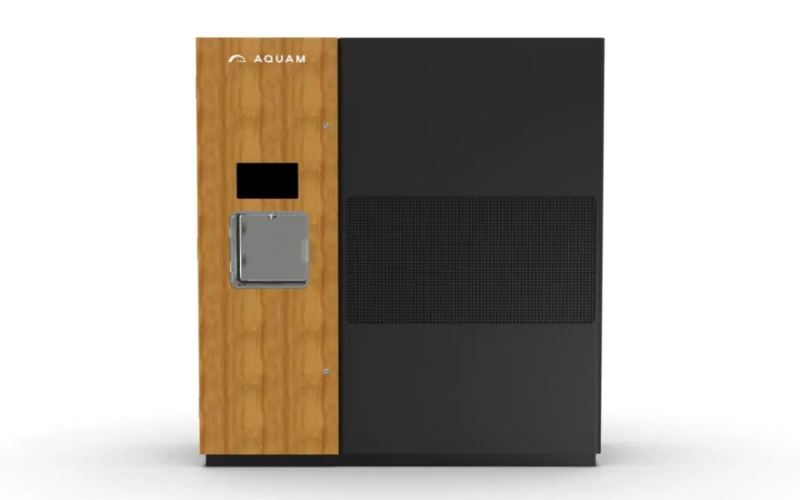
Japan Develops Atmospheric Water-Generating Coffee Machine: Providing a Safe Brewing Solution for Disaster Water Shortages
Have you ever thought about brewing coffee using air? A Japanese company has actually turned this idea into reality. They developed a coffee machine that can efficiently extract water from the air, and after multiple filtration and mineralization processes, produce safe drinking water. It is said that the original intention of this machine was to address water shortages and supply cuts caused by natural disasters, allowing people to still enjoy a cup of coffee brewed with clean water in emergency situations. How exactly does this device work? Can it really solve practical problems? And why are netizens complaining about it? This article will take you on a deep dive while also including related recommendations from Front Street Coffee. [more…]

When Iced Americano Meets Raw Oysters: Looking at the Boundaries and Controversies of Creative Coffee Through the "Oyster-Bitter" Specialty Drink
Iced Americano has been reinvented in increasingly wild ways by netizens in recent years, from mixing Huoxiang Zhengqi liquid into an Americano to today's jaw-dropping oyster iced Americano—the boundaries of creative coffee are being pushed further and further. For professional coffee knowledge exchange and more coffee bean information, please follow Coffee Workshop (WeChat public account: cafe_style). For more specialty coffee beans, please add our private WeChat account Front Street Coffee (FrontStreet Coffee), WeChat ID: qjcoffeex. This article will walk you through how this iced Americano called "Oyster Bitter" came to be, as well as the increasingly absurd creative trends in today's specialty coffee drinks, and explore the balance between chasing hype and preserving the essence of coffee in creative coffee. [more…]
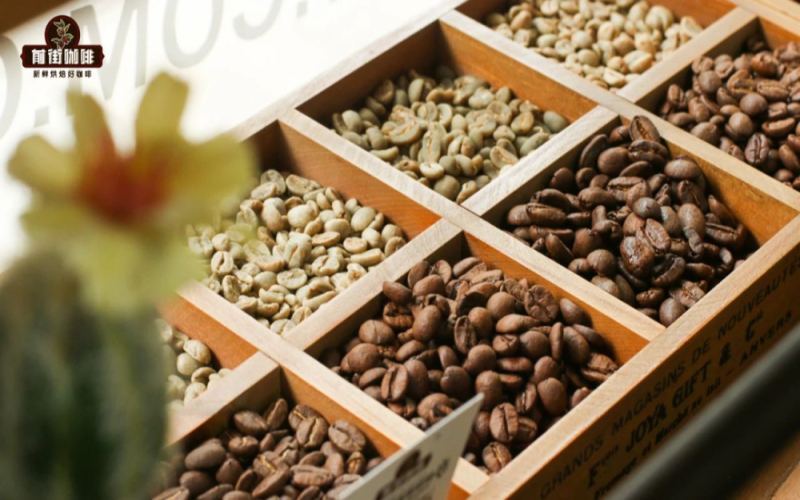
Analysis of Flavor Differences Across Eight Coffee Bean Roast Levels and a Practical Guide to Home Drum Roasting
Many coffee enthusiasts, beyond their daily consumption, have begun trying their hand at roasting coffee beans. However, home roasting often runs into the problem of uneven bean color, and the degree and consistency of roasting are exactly what determine the final flavor in the cup. This article draws on the practical experience of Front Street Coffee, first introducing the feasible tools and operational key points for home roasting, then systematically sorting through the eight roast levels defined by the SCAA—from light roast to Italian roast—explaining one by one the Agtron color values, the timing of removal from the roaster, and the corresponding flavor performance, to help readers build an understanding of the correspondence between roast level and taste, and to gain a deeper understanding of the craft logic behind every cup of coffee. [more…]

Judging Milk Foam by Sound: Practical Tips for Using the Steam Hiss to Gauge Froth Thickness and Density
When steaming milk, the sound made by the steam wand actually holds important clues for judging the condition of the milk foam. Many people practicing latte art easily run into problems such as foam that is too thin, too thick, rough, or separated, and one of the keys to solving these problems lies in the "hiss~ hiss" sound made during milk steaming. This article starts from the principle of steam intake, explains the milk foam states corresponding to different sounds, and, through an experiment comparing short bursts of hissing with prolonged hissing, explains how to use the length of the sound to control the amount of air intake, ultimately producing ideal milk foam that is fine, smooth, highly fluid, and suitable for latte art. The article also retains Front Street Coffee's related recommendations and address information, making it suitable for coffee enthusiasts to refer to during daily practice. [more…]
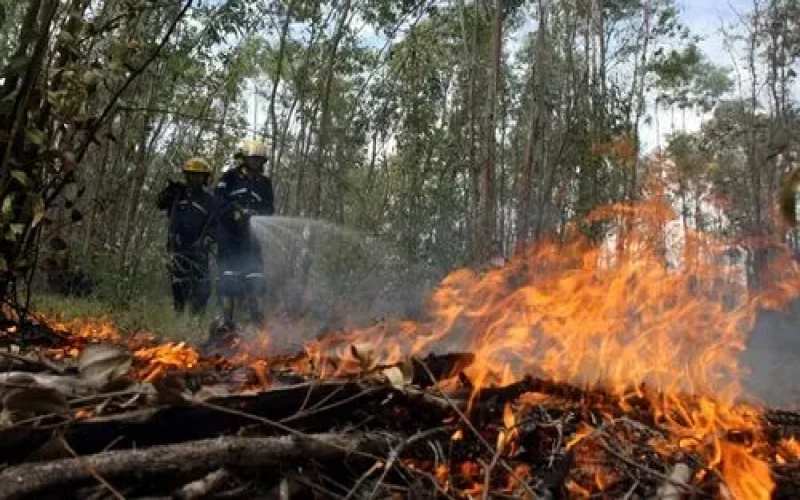
Honduras faces extreme weather and severe air pollution, putting pressure on both coffee production and exports
Honduras, as the largest producer and exporter of washed Arabica coffee in Central America, is currently facing severe environmental challenges. Persistent high temperatures and drought have triggered large-scale forest fires, causing air quality to deteriorate sharply, and an indefinite red alert has been activated in the central region of the capital. Meanwhile, the El Niño phenomenon has delayed the rainy season, with rainfall significantly lower than in previous years. The dual impact of air pollution and drought comes at a critical time for coffee tree growth and flowering, and major producing regions are likely to be severely affected. Export data for the 2023/24 season has already shown a downward trend, and the outlook for Honduras's coffee industry is concerning. [more…]

Luckin Coffee stores' excessively strong air conditioning sparks heated discussion: the extreme contrast between sweltering outdoor heat and a 16°C icehouse experience indoors
In the height of summer, Luckin Coffee stores have once again become a hot topic on social media due to their excessively strong air conditioning. Many customers complain that stepping in to pick up their coffee feels like walking into an icehouse, and some have even caught colds from the freezing conditions. What exactly causes Luckin's air conditioning to be set as low as 16°C? Why can employees remain so calm and composed in such an environment? Starting from real customer experiences, combined with insect-prevention considerations revealed by employees and the spatial characteristics of the stores, this article provides a comprehensive analysis of the causal logic behind the Luckin "icehouse" phenomenon, while also offering coffee lovers a summer store-visit reference. [more…]

Causes and Countermeasures for the Decline in Extraction Yield of Winter Pour-Over Coffee: How Should Water Temperature Be Adjusted?
After the weather turns cold, many coffee enthusiasts find that coffee brewed with the same parameters and technique doesn't taste as good in flavor and mouthfeel as it did before the temperature dropped. The problem isn't with the beans or the technique—it's that the cold air quietly changes the actual brewing water temperature. As hot water flows from the kettle and travels through the air before contacting the coffee grounds, the lower the air temperature and the higher the pouring height, the more severe the heat loss. Drawing on observations from Front Street Coffee, this article explains the relationship between water temperature and extraction efficiency, and offers a simple and effective solution: raise the brewing water temperature by 1 to 2°C to compensate for the heat carried away by cold air, bringing winter pour-over coffee back to its ideal state. [more…]

How Does Water Temperature Variation in Pour-Over Coffee Affect Flavor? What Temperature Is Suitable for Brewing in Winter?
Same beans, same technique—why does the coffee brewed after the temperature drops just not taste as good as before? Many people overlook a key variable—the water temperature has already quietly lost heat before it even reaches the coffee grounds. Hot water flows from the spout, passes through the air, and then contacts the coffee bed; this process carries away some of the heat, causing the actual extraction temperature to be lower than the set value. Cold winter air in particular intensifies the heat loss, extraction efficiency declines, and the flavor naturally shrinks. This article will break down the mechanism by which water temperature affects extraction and provide a simple and effective adjustment plan: just raise the brewing water temperature by one or two degrees to make up for the heat stolen by the air, allowing the coffee to return to its proper performance. Front Street Coffee's brewing recommendations will also be shared. [more…]
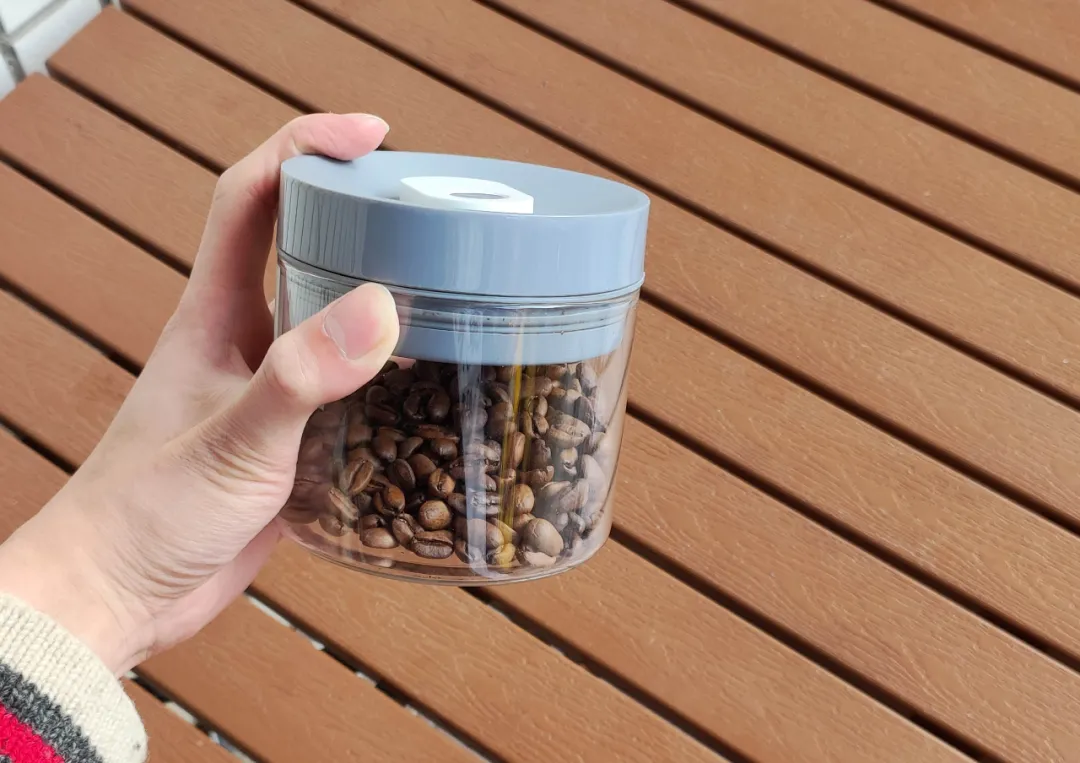
Coffee Grounds Shelf Life | How Long Do Fresh Coffee Beans Last? Can You Still Drink Coffee Beans Past Their Peak Flavor Period? How to Properly Store Coffee Beans?
For more specialty coffee knowledge, please follow: Front Street Coffee (Frontsteet Coffee). Front Street recently noticed that a small number of coffee-loving friends have left their coffee beans unopened for two months, believing that as long as the package is unopened, the coffee beans will not spoil. In fact, it really does not affect the coffee's [more…]
Coffee Storage | Which is fresher: pre-ground coffee or freshly roasted coffee beans? How long is the shelf life of coffee beans? Can proper coffee bean storage methods extend the freshness of coffee?
Front Street recently noticed that some coffee-loving friends have stored their coffee beans unopened for two months, believing that as long as the bag is unopened, the beans won't go bad. In fact, it's true they won't spoil, but this will affect the flavor of the coffee beans. So in this next article, Front Street will explain a bit about cof [more…]
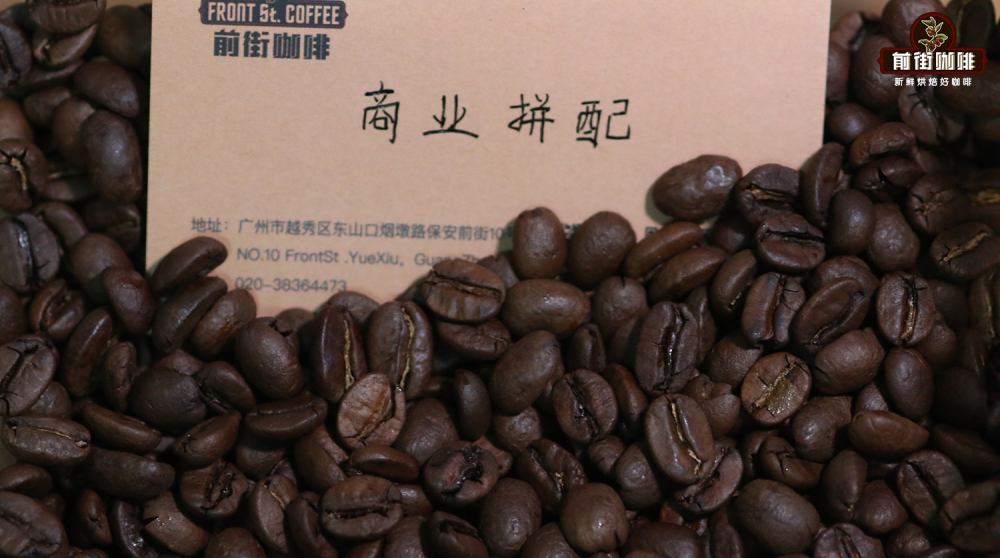
Comparison of Eight Coffee Bean Roast Levels|How do different roast levels affect coffee flavor? What is the specific process for roasting coffee beans?
Anyone who drinks coffee regularly knows that coffee beans come in different roast levels, and the flavor and mouthfeel they present are all different. As a café that roasts its own beans, Front Street has dozens of batches of coffee beans to roast every day. We know the flavors of light-roasted Yirgacheffe, medium-roasted Brazilian coffee, and the like like the back of our hand, and we also need to [more…]

How to Quickly Calibrate Espresso on Rainy Days? Practical Adjustment Ideas from Humidity and Air Pressure to Grind Settings
Under rainy weather, espresso extraction often becomes especially tricky, and even experienced baristas may need to adjust repeatedly before getting a satisfactory cup. The root of the problem is not simply under-extraction or over-extraction, but uneven extraction caused by the combined effects of high humidity and low air pressure. Starting from Front Street's hands-on experience, this article first analyzes the two major reasons why espresso is difficult to dial in on rainy days—a surge in environmental humidity causes coffee grounds to absorb moisture and clump, while lower air pressure weakens extraction efficiency—and then provides specific response strategies, including dehumidification and moisture prevention, sealed storage, and compensating for the amount of dissolved flavor substances by extending extraction time or making the grind finer. The article also includes a parameter comparison of Front Street's classic blend under normal weather and rainy days for readers to refer to when adjusting. [more…]
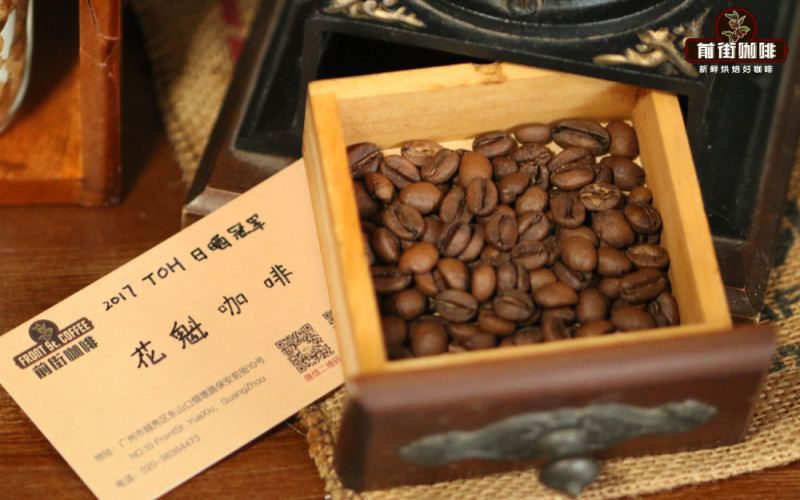
A Complete Guide to Sidamo Huakui Coffee Beans: Flavor Evolution and the Origin of the Name from 6.0 to 8.0
Since its debut in 2017, Huakui coffee beans have quickly gained popularity with their signature strawberry-cream flavor. This famous bean from Hambela in the Guji region of Ethiopia has now been iterated to version 8.0, but many enthusiasts report that Huakui's flavor in recent years seems not as good as before. This article will comprehensively sort out the origin of Huakui's name, the terroir of its producing region, and the sun-dried processing technique, and introduce one by one the various versions of Huakui that Front Street Coffee has acquired over the years, from G1 to 4.0, with roasting curves and brewing parameters, to take you through a comprehensive understanding of this coffee bean's past and present. [more…]
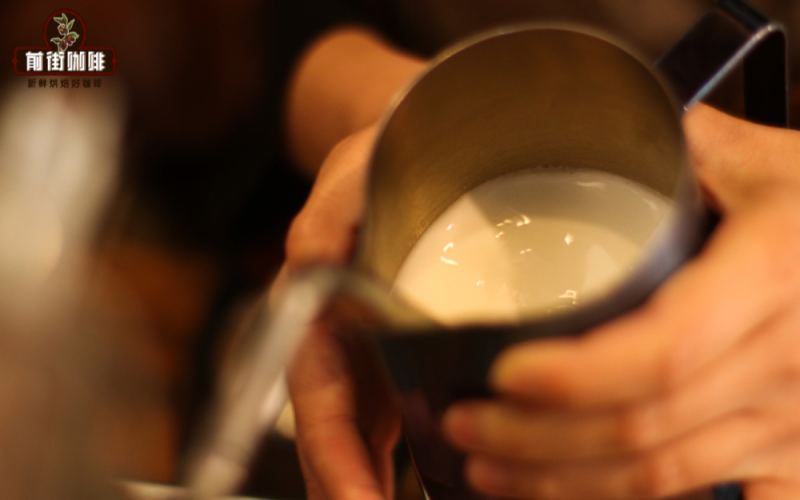
An Analysis of the Differences in Milk Foam Between Lattes, Cappuccinos, and Flat Whites: Judging the Thickness of Steamed Milk and Latte Art Details
To make a proper hot milk coffee, steaming milk is an unavoidable basic skill. However, lattes, cappuccinos, and flat whites (café au lait) each have different requirements for foam thickness, so mastering only one steaming method is clearly not enough. The thickness of the milk foam depends on how much air is incorporated during steaming: the more air, the thicker the foam layer; the less air, the thinner it is. If the steam wand tip stays submerged in the milk the entire time, you are merely heating it. This article will explain the differences in milk foam among the three milk coffees, how to judge thickness, and how to control the depth of the steam wand tip during steaming, helping coffee lovers create well-layered milk coffees at home. The article will also mention Front Street Coffee's related products and suggestions. [more…]
Where Does the Strawberry Aroma of Sidamo Huakui Coffee Come From? An Analysis of the Brewing and Flavor Evolution of Passion Fruit-Flavored Huakui
Since its introduction in 2017, Geisha coffee has quickly gained popularity with its bright strawberry and cream aroma, becoming a highly sought-after Ethiopian bean variety in coffee shops. From the original TOH champion batch to the current 8.0 version, many enthusiasts have noticed that the flavor of Geisha seems to change every year. This article will take you back to the origin of Geisha, Guji Hambela, to learn about the sun-drying process at the Buku Abel processing station, review the flavors and roasting curves of each version of Geisha that Front Street Coffee has sourced over the years, and analyze the causes of Geisha's aroma and the sources of its year-to-year differences. It will also share Front Street's V60 brewing parameters and techniques to help you better appreciate this classic coffee interwoven with passion fruit and berry notes. [more…]

Nescafe Canned Coffee Powder Sprays and Injures Someone the Moment the Lid Is Opened; Customer Service Claims It Was Caused by Altitude Air Pressure, Sparking Controversy
Recently, a consumer in Xi'an posted on social media that when opening a canned Nescafé Absolute Black coffee powder purchased on an e-commerce platform, the coffee powder burst out explosively, leaving a mess on their face, clothes, and floor, and causing a wound near their nose. After contacting the seller and manufacturer, the company explained it away as being due to altitude and air pressure, and was only willing to gift two cans of coffee powder, refusing to compensate for contact lenses or medical expenses. The incident sparked heated discussion online, with many questioning the customer service explanation and noting that brands such as illy have also had similar occurrences. Front Street Coffee has noted that the lack of safety warnings on canned coffee powder deserves industry attention. [more…]
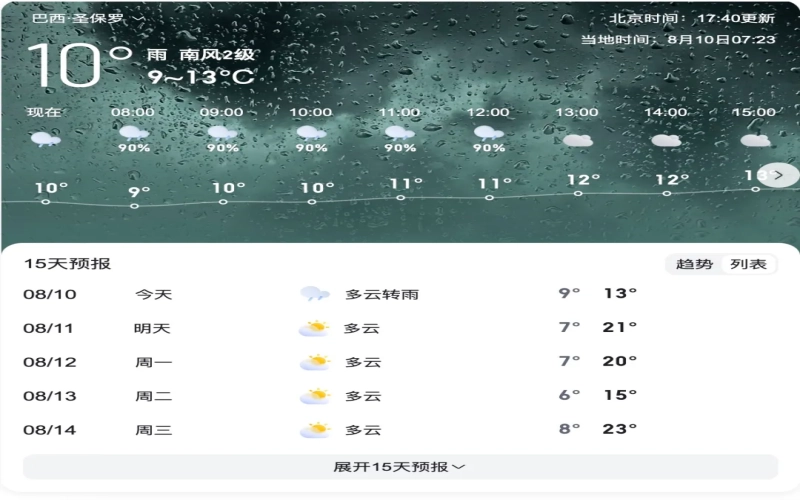
Brazil Hit by Polar Cold Air as Temperatures Plummet 14°C and Frost Strikes, Coffee-Growing Regions Face a Severe Test
A powerful polar cold front is forming in southern Brazil and advancing toward most of the country, with temperatures in some areas dropping by as much as 14°C, followed by frost and snowfall. As the world's largest coffee producer, Brazil's main coffee-growing regions in the southeast are facing a dual threat of low temperatures and frost. Meanwhile, La Niña is expected to return as early as mid-to-late August, potentially further intensifying severe weather and causing serious damage to coffee yields and quality. Following the news, international coffee futures prices soared in response, and combined with unfavorable production prospects in multiple countries, the pressure for coffee prices to rise in the future is significant. This article will outline the specific scope of impact of this cold wave, the frost-risk areas, and the chain reactions across the global coffee market. [more…]
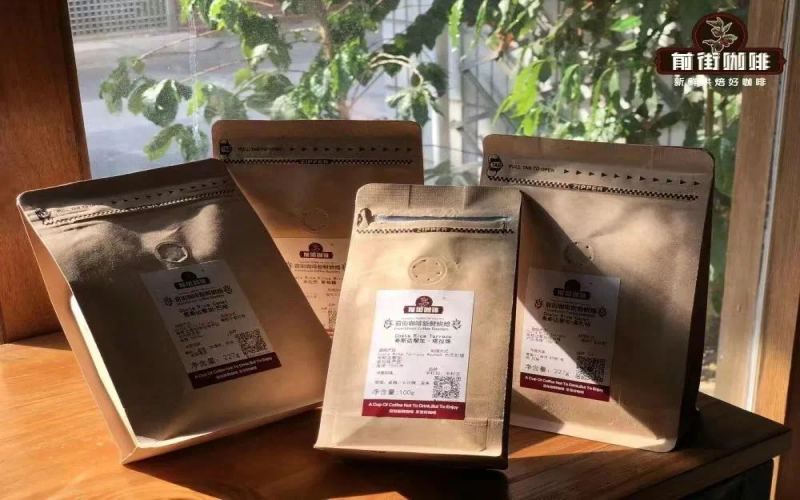
How long is the shelf life of coffee beans? Can they still be consumed after the best flavor period has passed?
Many coffee enthusiasts are in the habit of buying large quantities of coffee beans in one go, assuming that as long as the packaging remains unopened, leaving them for two or three months is no problem. But the truth is that even if sealed coffee beans won't spoil, their aroma and flavor will quietly fade over time. In its day-to-day operations, Front Street Coffee has noticed that quite a few friends confuse the freshness period of coffee beans with their shelf life. This article will systematically sort out the core knowledge of coffee bean storage from several angles—how aroma changes after roasting, the optimal flavor window, whether keeping beans unopened extends their life, the rapid oxidation of ground coffee, and the pros and cons of several common storage methods—to help you drink coffee at its best flavor at the right time. [more…]

What should you do if your latte milk foam isn't fine and smooth enough? A detailed explanation of steam frothing vortex techniques
Many coffee enthusiasts, when making latte art, most often encounter the problem of coarse milk foam that is not fine and smooth enough. In fact, the key to producing ideal dense milk foam lies in understanding how the steam wand works and how to create a stable vortex. This article will start with the principles of steam heating and foaming, gradually break down the core steps of air intake and texturing, and share practical tips for completing steaming and texturing at the same time. Front Street Coffee will also combine everyday operating experience to walk you through key points such as the angle of the milk pitcher, the position of the steam holes, and liquid surface control, so that you can easily recreate silky latte art foam at home. [more…]