







What Should a Coffee Enthusiast Know About Bean Freshness?
Sealed coffee beans do not spoil, but their aroma and flavor fade with time. Aroma generally lasts about one month after roasting, and the optimal flavor window falls inside that period. Unopened bags keep longer in a food safety sense, yet they still lose much of their taste.
Grinding speeds up the decline, because ground coffee exposes far more surface to air. That is why beans are enjoyed soon after roasting, and grinding should happen right before brewing. Good coffee drinking means watching the calendar, not just the packaging.
Many coffee enthusiasts are in the habit of buying large quantities of coffee beans at once, thinking that as long as the packaging is unopened, leaving them for two or three months is no problem. But the truth is, even if sealed coffee beans won't spoil, their aroma and flavor will quietly fade over time. Front Street Coffee has noticed in daily operations that quite a few friends confuse the freshness period of coffee beans with their shelf life. This article will systematically sort out the core knowledge about storing coffee beans from several angles: aroma changes after roasting, the optimal flavor window, whether unopened beans last longer, the rapid oxidation of ground coffee, and the pros and cons of several common storage methods, to help you drink coffee at its best flavor at the right time.
For more specialty coffee knowledge, please follow: Front Street Coffee ( Frontsteet Coffee )
Front Street recently noticed that some coffee enthusiasts have left unopened coffee beans sitting for a full two months, feeling that as long as the packaging is intact, the beans won't have any problems. In fact, from a food safety perspective, they really won't spoil, but at the flavor level they've already lost a great deal. Next, Front Street will talk with you about knowledge related to coffee bean storage.
Does freshly ground coffee equal fresh coffee?
Front Street has found that many coffee enthusiasts have a fixed mindset—believing that coffee beans, like other beans, are fresh as long as they're freshly ground. But that's not the case. To fully appreciate coffee's aroma, it's not enough to grind fresh; the beans also need to be only a few days out of the roaster, because that's when the aroma is at its peak.
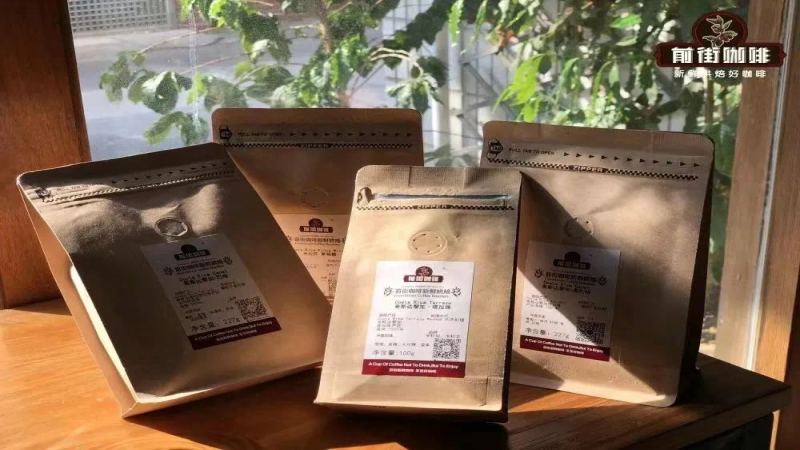
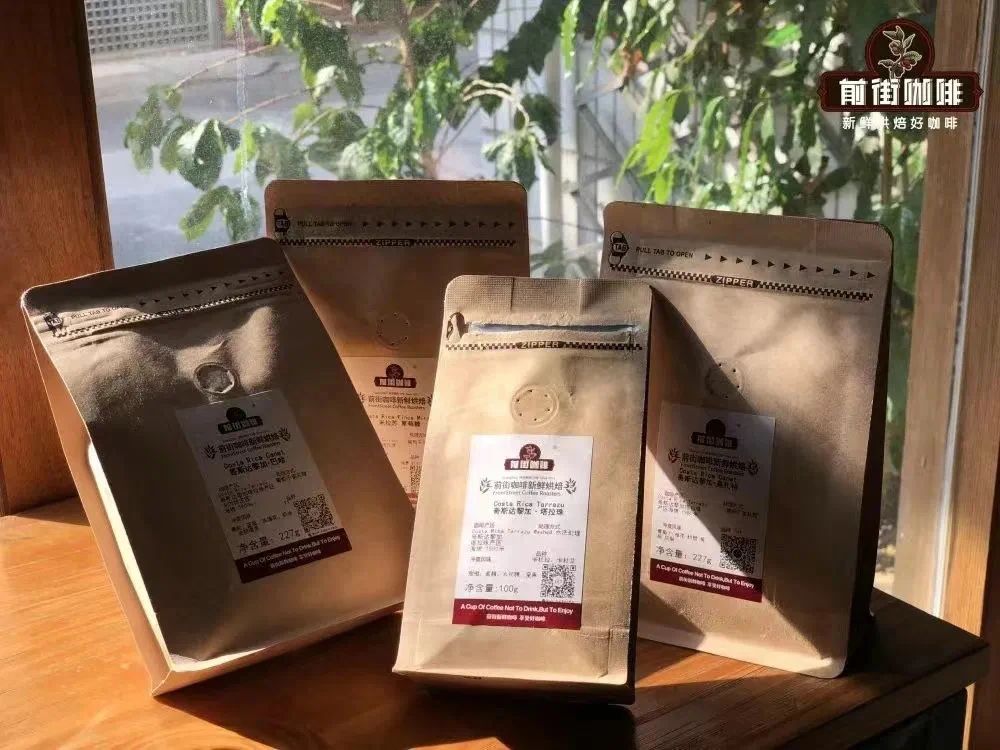
For this reason, whether at physical stores or online channels, Front Street sends out freshly roasted coffee beans. Only when customers explicitly request ground coffee will Front Street grind it for them. The reason is that coffee beans' aroma generally lasts only about a month, and the optimal flavor window falls within that period. Once ground, the contact area between coffee and air multiplies, and the aroma dissipates much faster.
Are freshly roasted coffee beans the most vibrant?
Front Street repeatedly emphasizes fresh roasting because, as time passes, fifty days after roasting is completed, the coffee beans basically have no noticeable aroma left. So are freshly roasted beans the best in flavor? Actually, no. In the first two days after roasting, the coffee's aroma hasn't yet stabilized, and at this point you can't taste the regional characteristics it should have.
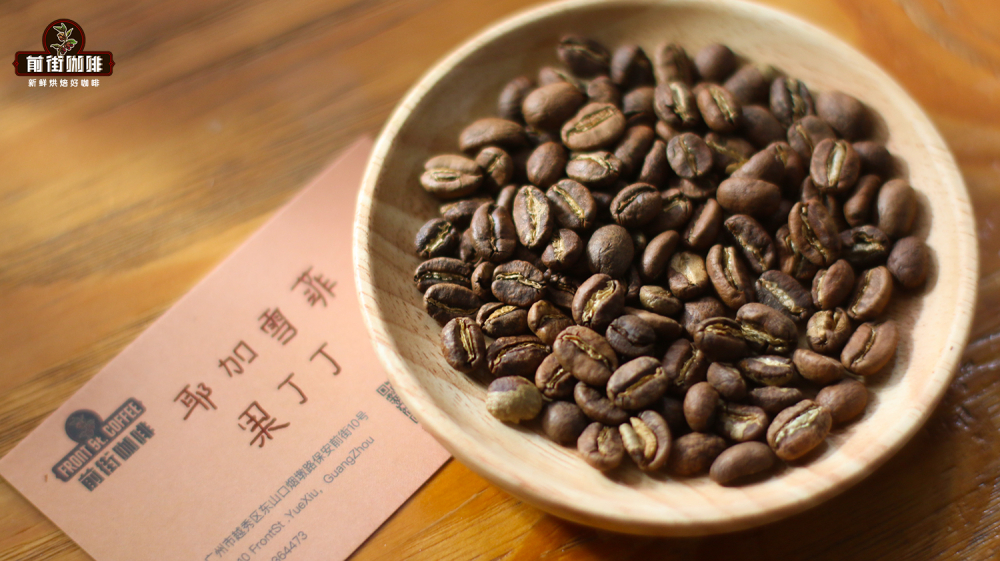
So Front Street usually advises coffee enthusiasts that after receiving freshly roasted coffee beans, they should let them rest for three to four days to degas, and then start brewing. How do you confirm the roasting date? Front Street marks the roasting date of the day on every bag of coffee, so you can use the date on the package to calculate the period when the flavor is ideal.
How long is the shelf life of coffee beans generally?
As Front Street mentioned above, coffee's charm comes from its aroma and taste. After roasting, coffee beans produce carbon dioxide, causing the beans to expand and become brittle, and the gaps between particles widen accordingly. The aroma easily escapes into the air, and at the same time the oils inside the beans oxidize, producing off-flavors.
Therefore Front Street recommends that single-origin coffee beans are best finished within one month, which is also a conclusion Front Street has drawn from practice. The optimal flavor period is likewise one month; after more than a month, although the coffee beans still retain some aroma, it's no longer comparable to the performance in the first month. According to experience in the coffee roasting industry, the freshness period of coffee beans is generally between two and three months. The specific length is affected by many factors: green bean quality, roast level, storage environment, storage method, and so on.
Do unopened coffee beans have a longer shelf life?
Even if unopened, air still circulates inside the packaging, and the flavor will still be lost. Moreover, vacuum packaging cannot be one hundred percent vacuum, and even if placed in the refrigerator, coffee beans will be affected by moisture condensation. So coffee's flavor period is ultimately limited, and Front Street recommends that even if unopened, it's best to finish it within one month.
Of course, what Front Street has said above refers to the optimal flavor period of single-origin coffee beans. As for the shelf life of coffee beans, China's relevant food regulations stipulate that the shelf life of coffee products is one year, which means coffee won't spoil merely because its aroma has disappeared. If you only treat coffee as a pick-me-up drink, then finishing it within a year is also fine.
The freshness period of ground coffee
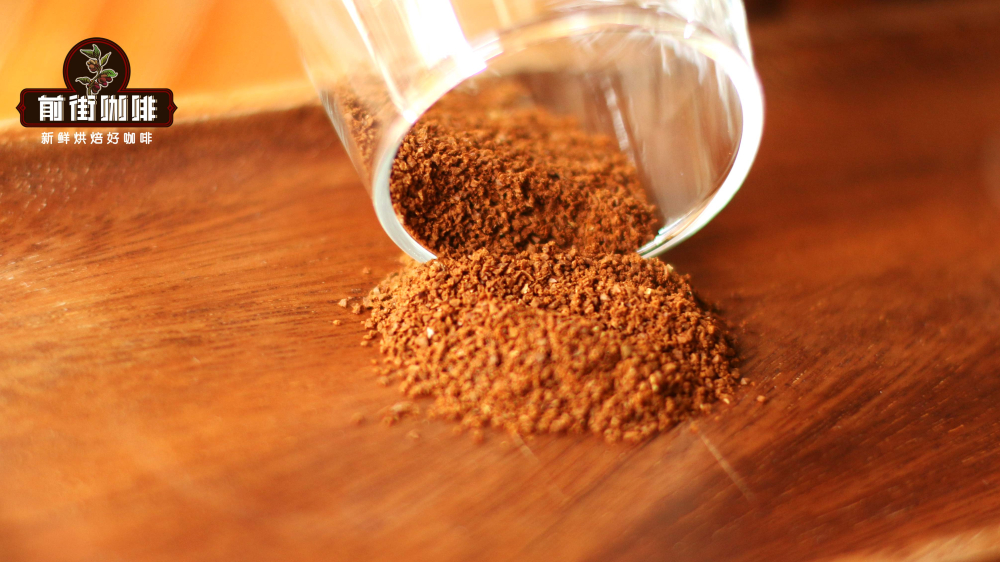
There's another point Front Street must emphasize: after coffee beans are ground, it's best to pour-over brew them immediately. Because once ground, they become extremely fine particles, and the contact area with air multiplies countless times. The flavor is lost extremely quickly, and in humid environments they may even absorb moisture from the air, bringing off-flavors.
How to properly store coffee beans
If opened coffee beans are stored improperly, the flavor will likewise be affected. So how should they be properly preserved? Front Street will share a few practical tips for storing coffee beans.
1. [One-way degassing valve]
As Front Street said earlier, after roasting, coffee beans contain compressed carbon dioxide inside, and the gas gradually releases from inside the beans, causing them to expand.
So Front Street equips every bag of coffee beans with a one-way degassing valve. Internal gas can escape through the valve, but outside air cannot get in. Each time after taking out beans, pinch the zip seal at the bag opening tight and squeeze out the gas inside the bag. Since carbon dioxide is denser than air and sinks to the bottom, this squeezing can greatly reduce the internal oxygen content, which is very helpful for preserving coffee beans.
2. [Sealed canister]
A sealed canister can isolate outside air, but most products are made of transparent material, so they are still easily affected by light. And every time you open and close it, air is brought in, and the oxygen in it will still react with the beans in the canister. So Front Street recommends that if you use a sealed canister, don't put too many coffee beans in at once.
3. [Vacuum canister]
A vacuum canister can likewise isolate outside air, but most are also made of transparent material, so the light problem still exists. Each time you open and close it, air enters and is then pumped out, forming a low-oxygen state, but at the same time creating a low-pressure environment. The pressure inside the beans remains unchanged, the pressure difference between inside and outside increases to nearly one atmosphere, and this causes the small-molecule, easily volatile aroma compounds inside the beans to be lost faster.
So Front Street still recommends leaving fresh coffee directly in the one-way degassing valve bag it arrived in, and storing it at room temperature, sealed, and away from direct sunlight. Of course, the best approach is to buy according to the amount you need and finish it while the beans are still fresh.
It is not recommended to store coffee in ground form. No matter how freshly roasted the coffee beans are, once ground, the contact surface with air multiplies, oxidation is very fast, and the coffee spoils extremely easily. If it has already been ground, try to finish it within the two-week freshness period.
The above content is compiled by CoffeeHunters, a coffee news website.


