








Why Does Cold Air Change the Water Temp for Brewing Coffee?
Cold air cools the water on its way from the kettle to the coffee bed, so the temperature that actually reaches the grounds is lower than the setting on the kettle. When the kettle holds water at 92°C, the grounds may only see about 90°C. Raising the brewing water by one or two degrees offsets that loss and brings extraction back to normal.
The size of the drop depends on pouring height and ambient temperature: a higher pour point and colder surroundings pull away more heat. That lower water temp for brewing coffee reduces extraction efficiency, so flavor layers and mouthfeel shrink. The simple fix is to nudge the setting up slightly in winter, keeping the same beans and technique.
Same beans, same technique—why does the coffee brewed after the temperature drop just not taste as good as before? Many people overlook a key variable—the water temperature quietly loses heat before it even reaches the coffee grounds. Hot water flows out of the spout, passes through the air, and then contacts the coffee bed; this process carries away some of the heat, causing the actual extraction temperature to be lower than the set value. Cold air in winter especially intensifies the temperature drop, extraction efficiency declines, and the flavor naturally shrinks. This article will break down the mechanism by which water temperature affects extraction and provide a simple and effective adjustment plan: just raise the brewing water temperature by one or two degrees to compensate for the heat stolen by the air and restore the coffee to its proper performance. Front Street Coffee's brewing recommendations will also be shared.
Even if you use exactly the same parameters and technique as before, the coffee's flavor layers and mouthfeel are just not as good as the cup from before the temperature drop. Ultimately, the problem lies in extraction efficiency—it has dropped considerably compared to before.
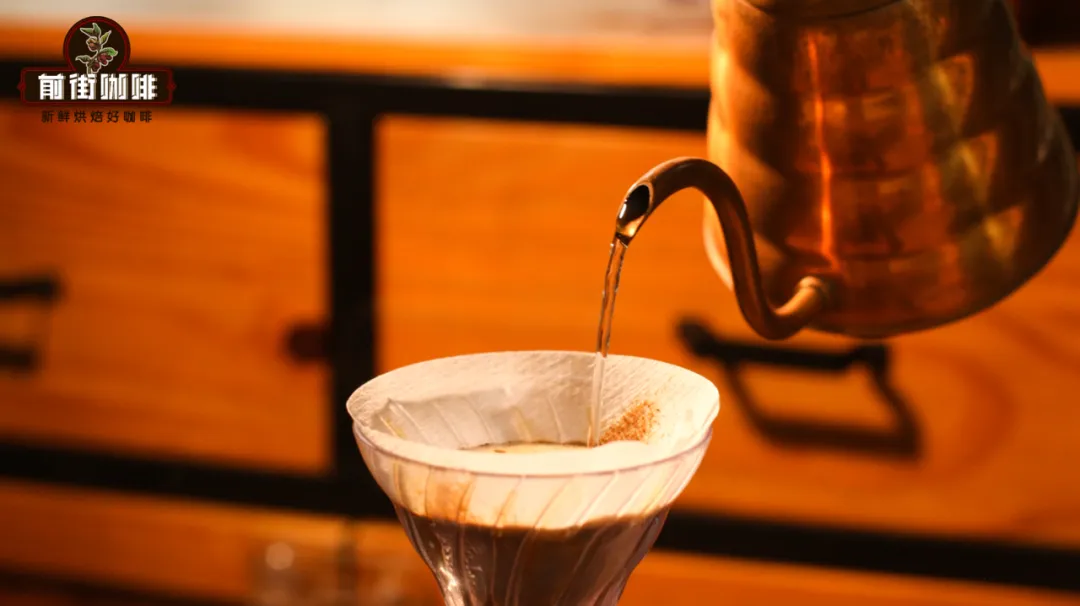
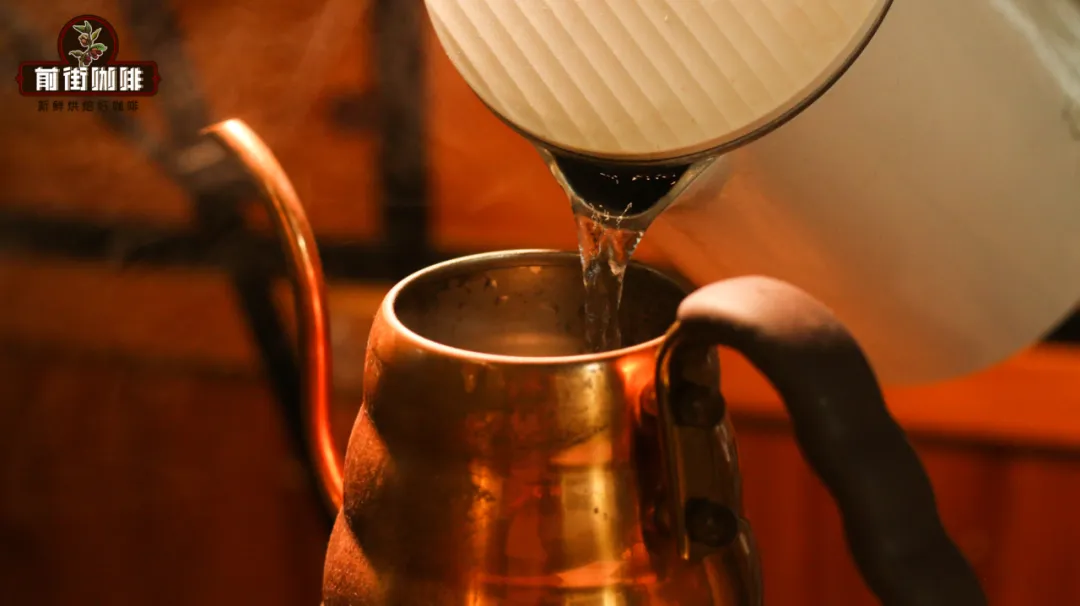
There are many factors causing this phenomenon, but the culprit is actually cold air. There is a difference between the water temperature we set when brewing coffee and the water temperature that actually contacts the coffee grounds and participates in extraction. Before the hot water reaches the coffee bed, it must first pass through the air, and the air temperature is far lower than the hot water, so it steals some of the heat from the hot water.
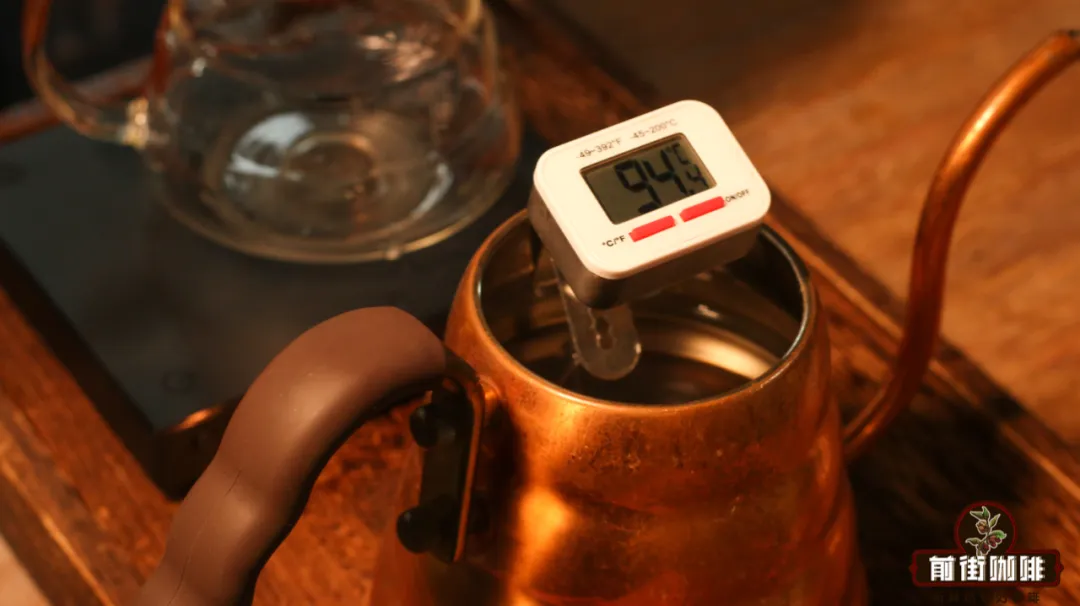
For example, suppose the initial temperature of the hot water in the kettle is 92°C. After passing through the air and then touching the coffee grounds, the actual temperature may have already dropped to around 90°C. The specific temperature drop depends on the pouring height and ambient temperature: the higher the pouring point and the colder the surroundings, the more heat the hot water loses. In other words, the parameters we think are constant actually remain so only on the surface.
In winter, the temperature is low, and cold air causes the hot water to cool more noticeably. The extraction rate is pulled down, so naturally you cannot brew coffee as good as before. The solution is actually not complicated: just slightly increase the brewing water temperature by 1 to 2°C, and this will offset the extra heat taken away by the cold air. Front Street Coffee also fine-tunes the water temperature in daily brewing according to the season to ensure stable flavor.
The above content is compiled by CoffeeHunters, a coffee news website.


