








Why Raise Water Temperature for Winter Pour-Over Coffee?
Cold air lowers the temperature of the water that actually reaches the coffee grounds. Even with identical beans and technique, hot water loses heat as it falls from the kettle, so extraction drops and the cup tastes flatter. Raising the brewing water by 1 to 2 degrees Celsius compensates for that loss.
The drop depends on pour height and room temperature. Water set at 92 degrees Celsius may hit the grounds closer to 90 degrees on a cold day, and a higher pour loses more heat. Many coffee enthusiasts see the same recipe under-extract in winter, so a small temperature adjustment restores aroma and body without changing anything else.
After the weather turns cold, many coffee enthusiasts find that brewing with the same parameters and techniques yields coffee with less flavor and body than before the temperature dropped. The problem is not with the beans or the technique, but rather the cold air quietly changing the actual extraction water temperature. Hot water passes through the air on its way from the kettle to the coffee grounds, and the lower the air temperature and the higher the pouring height, the more heat is lost. Starting from Front Street's observations, this article explains the relationship between water temperature and extraction efficiency, and offers a simple and effective solution: slightly increase the brewing water temperature by 1 to 2 degrees Celsius to compensate for the heat carried away by cold air, bringing winter pour-over coffee back to its ideal state.

Perhaps because Front Street had been going on about it for too long, Guangdong's weather actually turned cold overnight. Nice—it finally feels a bit like winter! But precisely because of this, many of you probably noticed something today: the coffee you brewed doesn't seem as smooth as before.
Even if the parameters and technique are exactly the same as before, the coffee's aroma and mouthfeel are just a notch below what they were before the temperature dropped. The reason isn't complicated—our extraction efficiency during brewing has declined compared to before. Many factors are involved behind this, but the real culprit can be blamed on the cold air. When brewing coffee, the water temperature we set and the temperature of the water that actually contacts the coffee grounds and participates in extraction are actually different, because the hot water comes into contact with air before reaching the coffee grounds, and since the air is at a lower temperature relative to the hot water, it steals some of the heat from the hot water. (The specific principle will be explained below.)
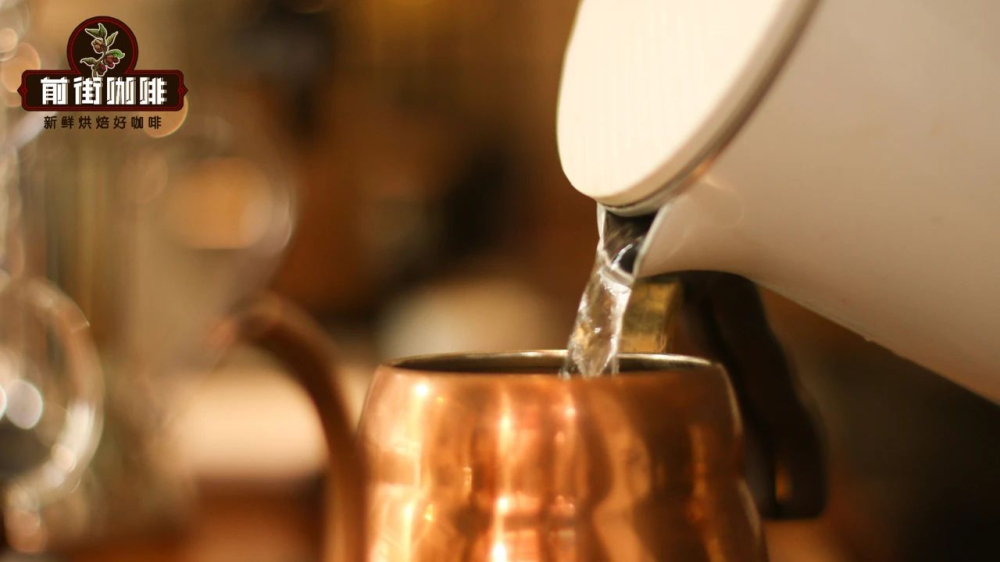
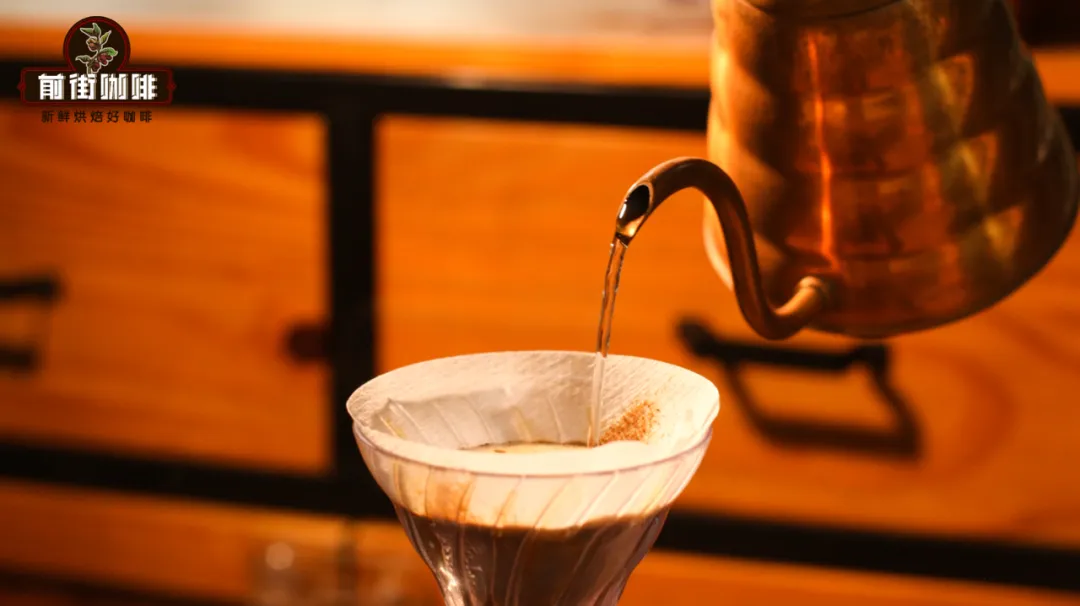
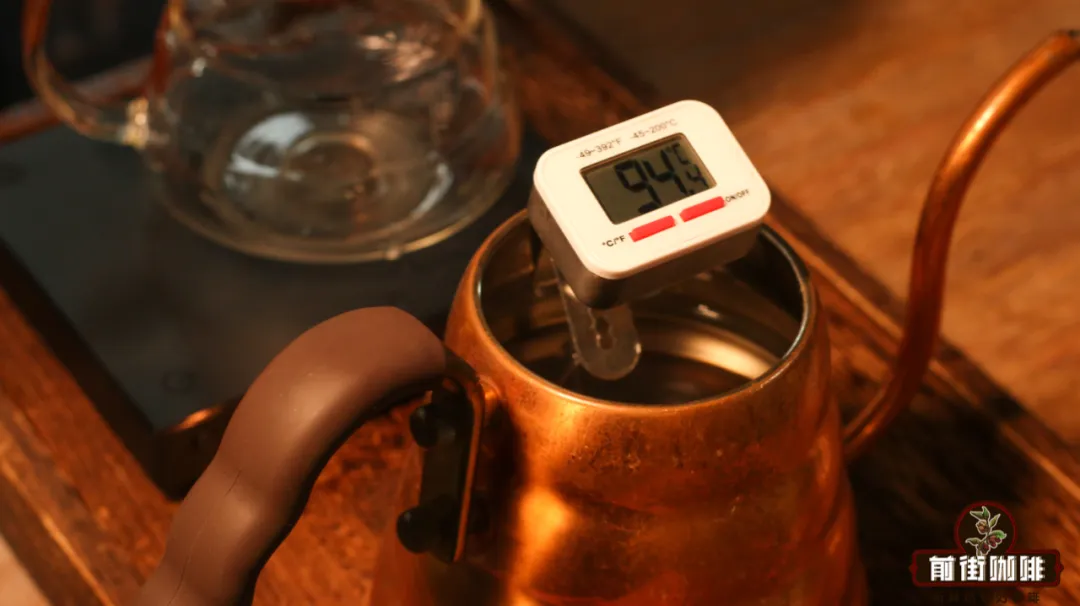
For example, if the hot water in the kettle is originally 92°C, by the time it passes through the air and hits the coffee grounds, it may have already dropped to around 90°C. The actual temperature drop depends on the pouring height and the ambient temperature. The higher the pouring position and the lower the surrounding temperature, the more heat the hot water loses. Therefore, the parameters we think are consistent are only superficially uniform. In cold winter, the cold air intensifies the cooling of the hot water. The extraction yield decreases accordingly, and naturally you can't brew coffee as tasty as before. The solution is actually not complicated—just slightly increase the brewing water temperature by 1 to 2°C! This compensates for the extra temperature lost to the cold air.
The above content is compiled by CoffeeHunters, a coffee news website.


