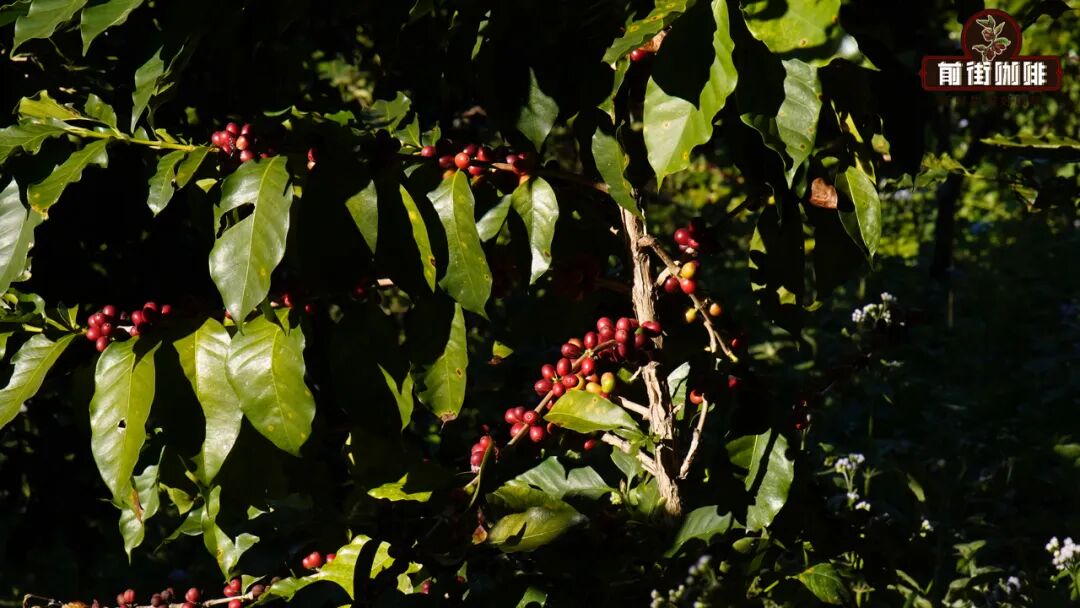
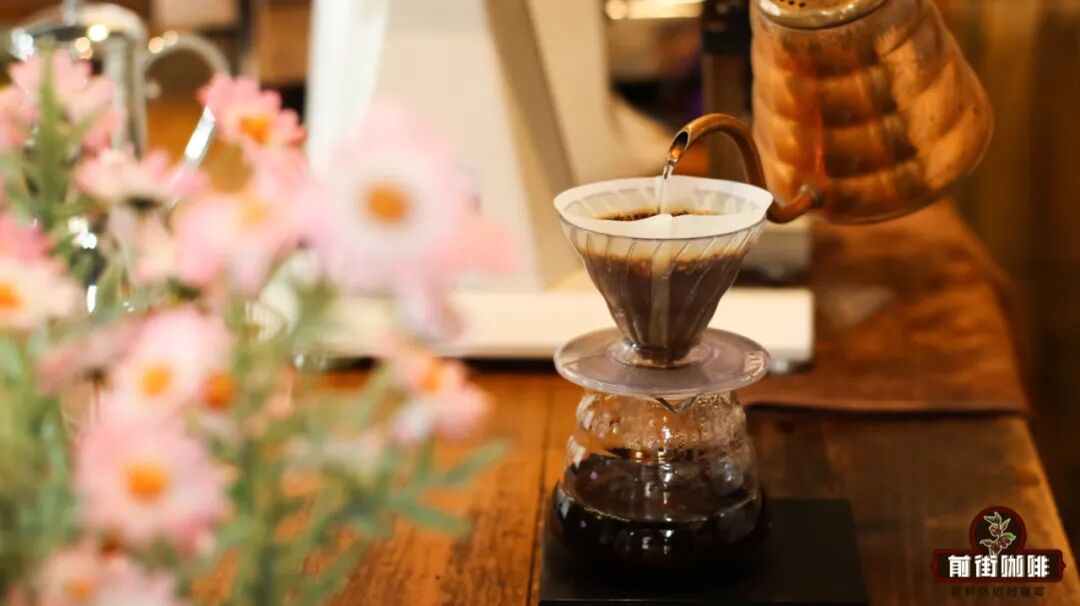
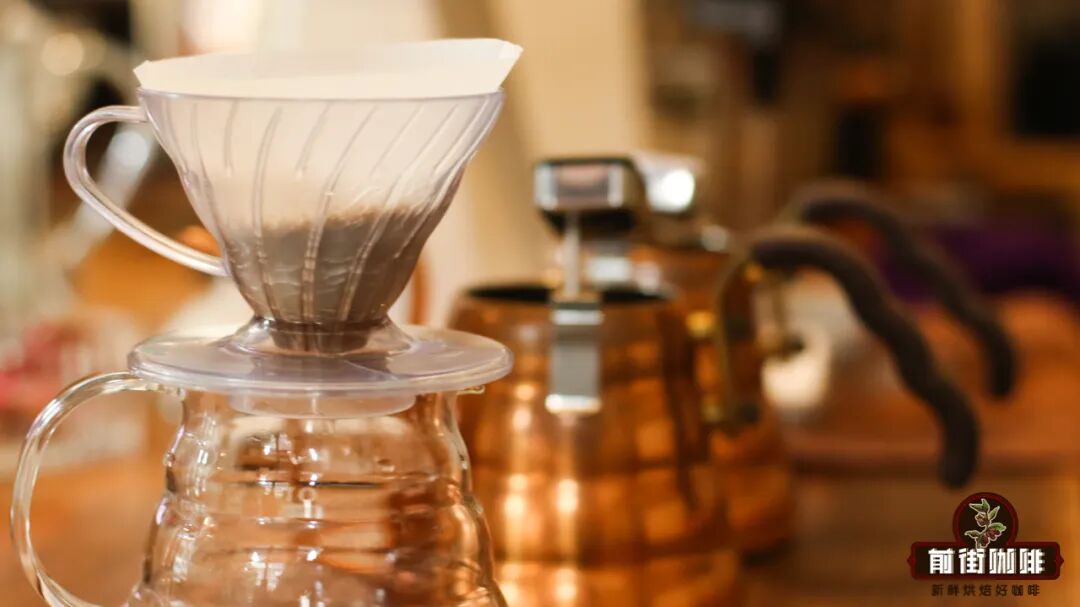
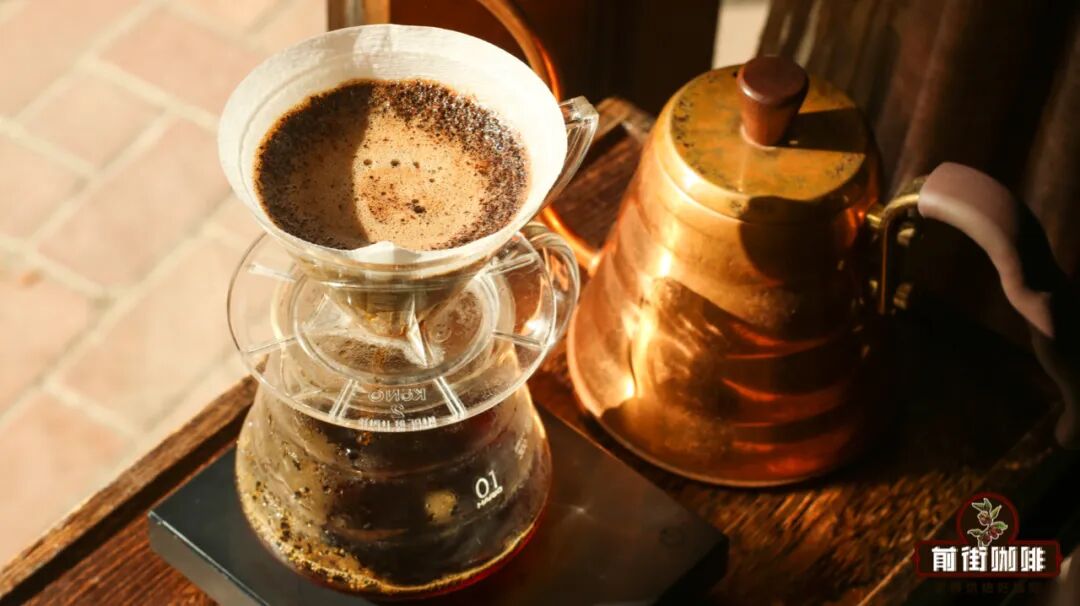
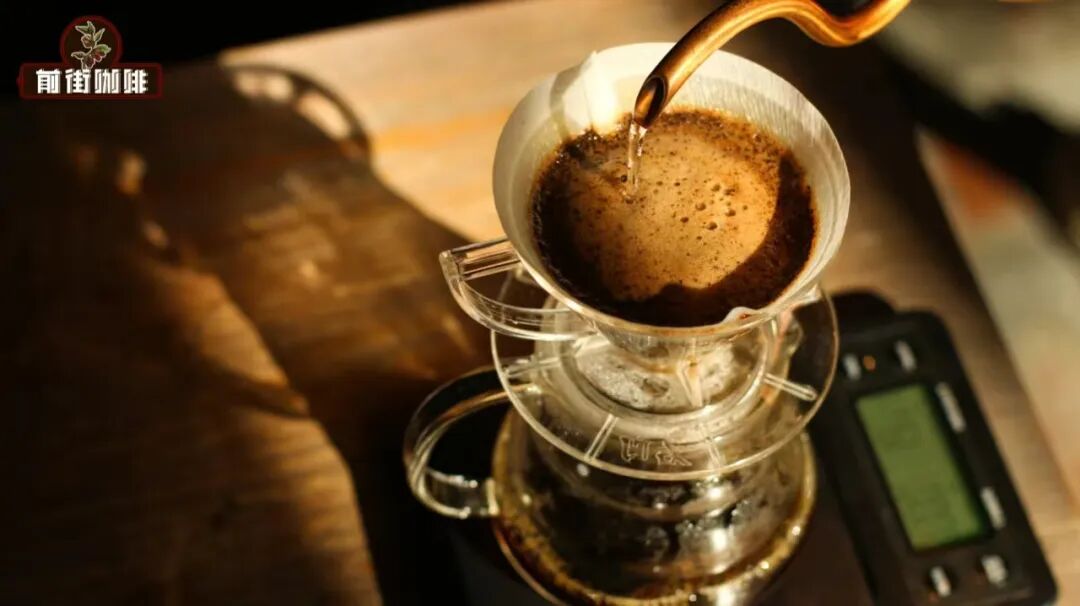
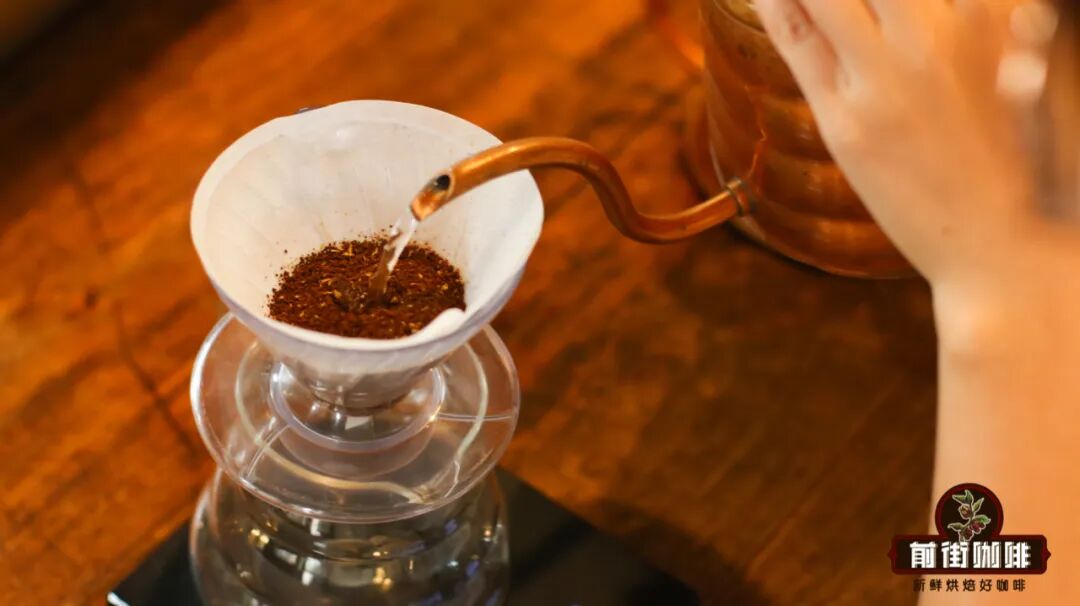
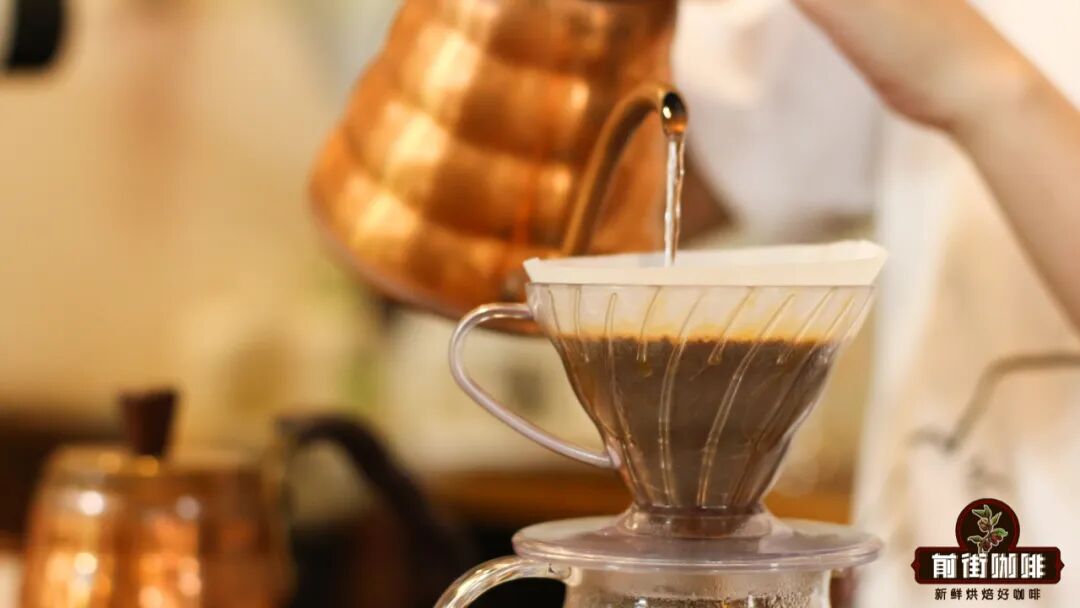
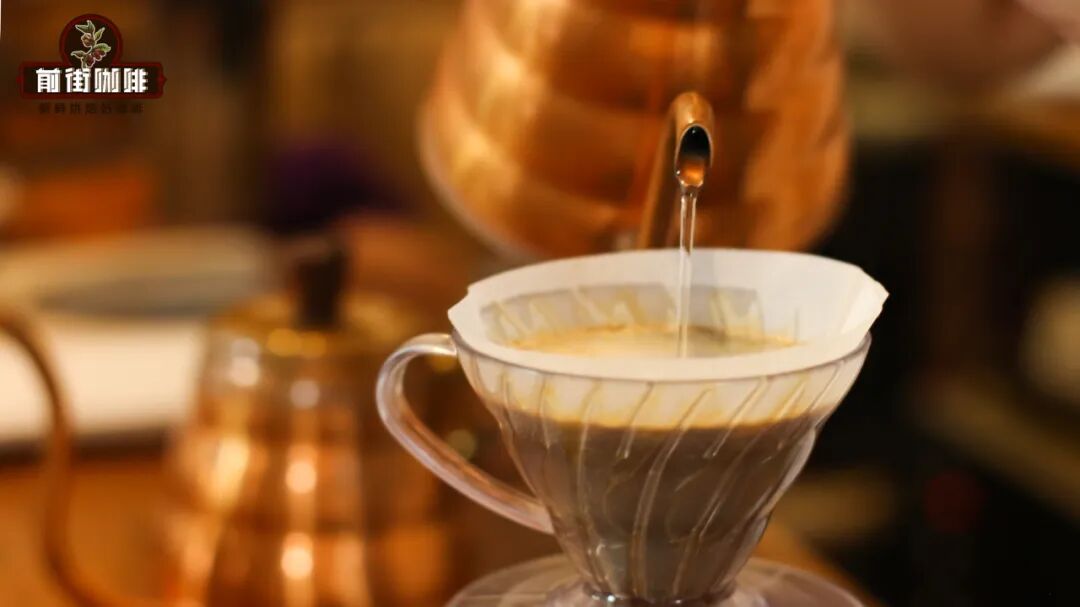
Although floral notes are not uncommon in coffee, they are undoubtedly one of the most captivating flavors among the many, after all, quite a few friends became fascinated with coffee precisely because they tasted floral notes in it.But brewing floral notes out of coffee is not an easy task, because friends often tell Front Street Coffee that they can never brew floral notes out of coffee at home, and ask if there is any brewing method that can make the floral notes more pronounced.Of course there is! But to brew coffee with floral notes, we first have to meet a prerequisite -- use coffee beans that have floral notes.Not all coffees have floral notes, because not all coffees possess the compounds that can generate floral aromas. This has a certain relationship with the coffee's variety, cultivation, and post-processing.In terms of variety, there is a very good example -- Geisha(T2722). We all know that the Geisha variety carries intense floral notes, and the reason for this is that the Geisha variety contains terpene compounds. Terpene compounds are the natural floral aroma in coffee, and they are also the components that make up the aromas of various flowers.And coffee beans grown at high altitudes tend to be more likely to carry floral notes. Because the temperature difference between day and night in high-altitude areas is large, the low nighttime temperatures force the coffee fruit to slow down its metabolism and generate and accumulate more small-molecule substances to resist the extreme environment, among which are substances that can form floral notes. Of course, this is also related to the local terroir.Processing and roasting are also factors that influence the intensity of coffee's floral notes, and Front Street Coffee has shared detailed explanations in previous articles, so we won't elaborate further here. In short, if we want to brew floral notes out of coffee, then we need to choose a coffee bean with floral notes for brewing. For example, the Front Street Panama · Boquete Geisha and the Front Street Yirgacheffe · Gotiti from Front Street Coffee's bean list both have obvious floral characteristics.How to brew floral notes out of coffee?The speed at which flavor molecules in coffee are dissolved by hot water varies with molecular weight and polarity, which is the research finding of American biologist Dr. Lockhart and SCAA senior consultant Ringer.The smaller the mass and the higher the polarity of a flavor molecule, the faster it dissolves; while the larger the mass and the lower the polarity of a flavor molecule, the slower it is dissolved by hot water. Floral notes belong to the former, and they have a relatively fast dissolution speed. At the same time, it is not an easy aroma to capture. When there are too many other substances in the coffee, the floral notes will very easily be masked, making it impossible to taste them.So if you want the brewed coffee to have obvious floral aromas, Front Street Coffee's suggestion is to try not to use overly extreme extraction methods. Otherwise, it is easy for the floral notes to dissipate for the most part before tasting, or to be masked by the taste and aroma of other substances.Although it sounds a bit complicated, it is actually quite simple to operate~ Sherry, the 2022 WBrC champion, specially developed a brewing method for this, and the coffee brewed with it indeed has very obvious floral notes. So without further ado, next Front Street Coffee will share how to specifically operate this method~This method is a three-stage variable-temperature brew. The water temperatures for the first stage(blooming), the second stage, and the third stage are 80°C, 95°C, and 80°C respectively. Same as conventional brewing, the first stage is the blooming stage. And the reason we use 80°C water for blooming is to reduce the efficiency of degassing, so that the floral flavor can be retained a bit longer.The flavor molecules of floral notes dissolve relatively quickly because of their high polarity. So if we use conventional water temperature for blooming, then the floral flavor molecules will, due to sufficient degassing, be dissolved in large amounts in the early stage of brewing, and then dissipate and be lost(partially). While 80°C hot water can reduce degassing, allowing more carbon dioxide to remain in the coffee grounds, thereby reducing the efficiency of the early extraction stage and pushing the dissolution stage of the floral notes slightly later.Since the coffee grounds did not get enough degassing during the blooming stage, in the second stage of brewing we need to use a higher water temperature to make up for the missing extraction efficiency. And it is also the main extraction stage, where most of the coffee substances we need will be dissolved out.The main purpose of the third stage of extraction is to dilute the coffee's concentration. The dilution of concentration allows the flavors to unfold, and we can better taste the coffee's flavors.But, because in the second stage we have already dissolved out the main substances in the coffee, if we continue to brew with high-temperature water, it will easily bring out some undesirable substances. So in this stage we need to switch back to 80°C water for brewing, to prevent the dissolution of negative tastes such as bitterness, astringency, and miscellaneous flavors.That's roughly the theory~ Next, Front Street Coffee will do a practical demonstration of how to specifically operate it! The coffee bean used by Front Street Coffee in this brew is the Front Street Yirgacheffe · Gotiti from the bean list, and the extraction parameters are as follows:Grind size: Ek43 setting 9.5, 80% pass rate on a No. 20 sieve, fine granulated sugar grindCoffee-to-water ratio: 1:15Brewing water temperature: 80°C, 95°C, 80°CIf you don't have two brewing kettles at home, it doesn't matter, because blooming actually does not require high-precision water control, so we just need to prepare an extra water-pourable container, fill it with 80°C hot water for blooming~ Then after the second stage of pouring is completed, add a certain amount of cold water to the hand-brew kettle to bring it down to 80°C. This way, even without two brewing kettles, you can still do variable-temperature brewing~So first, we use 80°C hot water for blooming~ The amount of water poured is twice the weight of the coffee grounds(30ml), and the blooming time is 30 seconds.After blooming is completed, we switch to 95°C hot water for the second stage of pouring. The amount of water poured in this stage is 130ml, with a moderate flow rate, poured in large circles.After the hot water poured in the second stage has permeated out of the dripper, we switch back to 80°C hot water for the third stage of brewing. The amount of water poured in this stage is 65ml, poured with a small flow in small circles around the center of the dripper. After pouring is completed, we just need to wait for all the hot water in the dripper to flow out, then we can remove the dripper and end the extraction~As Front Street Coffee introduced, the Gotiti brewed this way indeed has very prominent floral notes. Whether smelling it or after drinking the coffee, you can feel obvious white floral notes. In addition, other flavors such as lemon and berry are also well expressed, the mouthfeel is smooth and clean, and the finish is oolong tea, very nice~
The above content is compiled by CoffeeHunters, a coffee news website.