







Search Results for: molecules

How Does Water Temperature Affect Flavor in Pour-Over Coffee? Extraction Experiments and a Temperature Selection Guide from 80°C to 96°C
Water temperature is an extremely critical part of pour-over coffee extraction. It not only determines the degree to which coffee compounds are dissolved, but also directly influences the final flavor direction. Through a comparative experiment at Front Street Coffee using the washed beans of the Yirgacheffe Guddina Cooperative, this article brews at five water temperatures—80°C, 86°C, 90°C, 93°C, and 96°C—observing the changes in acidity, sweetness, tea-like character, and astringency, and offers practical advice on choosing water temperature according to roast level. At the same time, starting from the lignocellulose structure of coffee beans and the structure of soluble aroma molecules, it explains why different water temperatures bring about completely different flavor layers, helping you avoid over-extraction bitterness or under-extraction blandness in your daily brewing. [more…]

Coffee Brewing Water Temperature | What water temperature is suitable for drip coffee brewing? How does water temperature affect the extraction process of pour-over coffee?
For more specialty coffee knowledge, please follow: Front Street Coffee (Frontsteet Coffee) Many friends in their daily lives, when brewing pour-over coffee, do not use a thermometer and brew a coffee bean with an approximate water temperature, and then because the taste is different every time, they start to question whether it is the coffee bean. [more…]
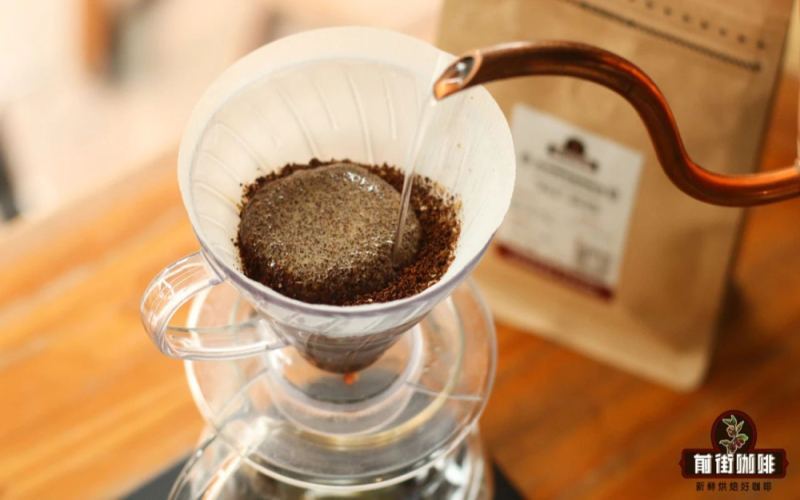
A Beginner's Guide to Pour-Over Coffee: 7 Key Elements from Bean Selection to Extraction and a Step-by-Step Breakdown
For those just getting into specialty coffee, the wide array of equipment and techniques can often feel overwhelming. In reality, pour-over coffee isn't as complicated as it seems—master a few core points and you can get started quickly. This article compiles 7 key elements distilled from Front Street Coffee baristas' years of hands-on experience, covering coffee bean freshness, grind size, water temperature control, water quality requirements, dripper selection, coffee-to-water ratio, and extraction time, and further breaks down the three stages of coffee extraction: wetting, dissolution, and diffusion. Finally, using Front Street Ethiopia Sidamo Natural Hualing 8.0 as an example, it presents a complete practical workflow from parameter setting to brewing technique, helping beginners build a clear pour-over framework. [more…]

Cold Brew Coffee Extraction Rate | How to Increase Cold Brew Coffee Concentration? What Is the Brewing Ratio for Cold Brew Coffee? Cold Brew Coffee Bean Recommendations for Specialty Coffee Drinks
Before writing this article, Front Street asked several coffee professionals/enthusiasts: "Under normal circumstances, when making cold brew coffee, if you use the same water, coffee beans, amount of coffee grounds, brewing container, and brewing time, how would you increase the extraction concentration of the coffee?" I believe everyone, like the interviewees, would [more…]
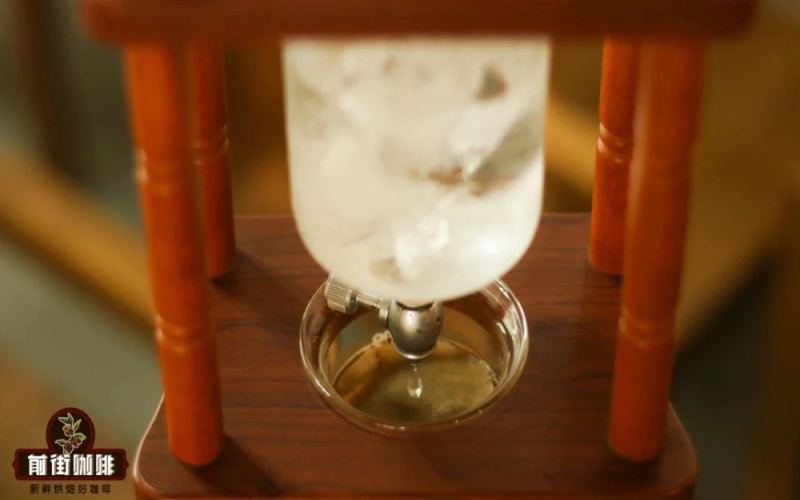
What coffee beans should you choose for cold brew coffee? How should the equipment be paired? Front Street explains the ins and outs of low-temperature extraction in detail.
Cold brew coffee has won the favor of many coffee enthusiasts with its smooth mouthfeel, clear layers, and clean, refreshing character. At Front Street Coffee, cold brew has always been a product with impressive sales performance—baristas make it fresh every day in summer, and in winter customers can also pre-order it in advance according to their preferred flavor. Its popularity stems partly from Front Street's insistence on using its own freshly roasted beans, and partly from the low-temperature extraction and subsequent oxidation steps that allow flavor molecules to be fully released. In this article, Front Street will walk you through the definition of cold brew coffee, its core characteristics, and which coffee beans are suitable for making it. [more…]
A practical guide for beginners: mastering the seven key elements of pour-over coffee and the principles of extraction
When first getting into pour-over coffee, many people feel overwhelmed by the wide variety of equipment and techniques. In fact, by grasping just a few core points, you can quickly improve your brewing skills. This article draws on the hands-on experience of Front Street Coffee to outline the seven key elements of pour-over coffee, including bean freshness, grind size, water temperature, water quality, dripper selection, coffee-to-water ratio, and brewing time, and further explains the three stages of coffee extraction: wetting, dissolution, and diffusion. Finally, using an Ethiopian Sidamo natural Huakui as an example, it demonstrates a complete brewing process and flavor performance, helping enthusiasts move from beginner to professional. [more…]
A Beginner's Guide to Pour-Over Coffee: Practical Advice on Mastering the Seven Key Elements and Extraction Principles
Just starting out with pour-over coffee, facing all kinds of equipment and brewing methods, it's easy to feel unsure where to begin. Drawing on years of pour-over experience, Front Street Coffee has put together seven simple, easy-to-understand core points for beginners, covering coffee bean freshness, grind size, water temperature control, water quality selection, dripper choice, coffee-to-water ratio, and brewing time, helping novices grasp the essentials without having to dig through piles of material. The second half of the article also explains in depth the three stages of coffee extraction—wetting, dissolution, and diffusion—and uses an Ethiopian Sidamo natural-process Huakui 8.0 as an example to walk through a complete standard pour-over routine, tightly combining theory with practice. [more…]
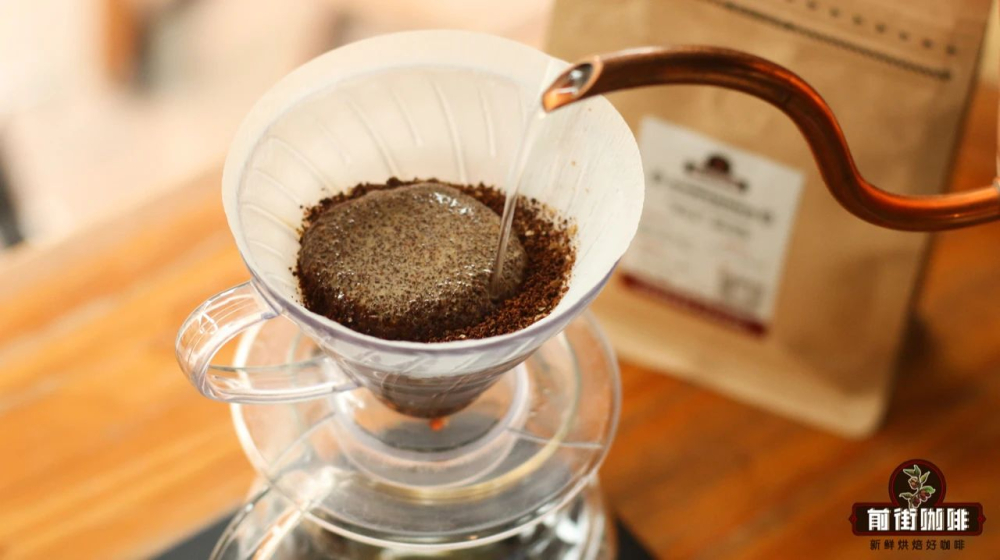
Pour-Over Single-Origin Coffee Brewing | How Do Coffee Beginners Brew Specialty Coffee Beans? What Are the Steps to Make Pour-Over Black Coffee? What Factors Affect Coffee Flavor?
With the rapid development of the specialty coffee market, more and more people are beginning to explore pour-over coffee. Many beginners feel completely lost when it comes to making pour-over coffee—the dazzling array of brewing equipment, coffee brewing techniques, and so on make many people feel it's a hassle. Quite a few friends have also come to Front Street Coffee asking how to get started with pour-over coffee, how to brew [more…]
Learn Pour-Over from Scratch: Seven Core Elements, Extraction Principles, and a Full Brew Guide for Huakui 8.0
As specialty coffee becomes increasingly popular, pour-over—a brewing method that showcases the bean's true flavors—has attracted a large number of beginners. But faced with a bewildering variety of equipment and techniques, many people don't know where to start. Based on Front Street Coffee's hands-on experience, this article systematically sorts out the seven key elements of pour-over coffee—from bean freshness, grind size, water temperature and water quality, to dripper selection, coffee-to-water ratio and brewing time—and explains in depth the three-step extraction principle of wetting, dissolution and diffusion. Finally, using Ethiopia natural Hachira 8.0 as an example, it fully demonstrates a Front Street Coffee barista's brewing process and flavor表现, helping beginners build a clear pour-over framework. [more…]
How Does Water Temperature in Pour-Over Coffee Affect Extraction Flavor? A Comparative Experiment and Selection Guide from 80°C to 96°C
Among the many variables in pour-over coffee, water temperature has a particularly direct impact on the extraction result. It not only determines the speed and sequence with which flavor compounds are released from the coffee, but also ultimately shapes the acidity, sweetness, bitterness, and body of a cup of coffee. In this article, through comparative experiments conducted by Front Street Coffee using washed Yirgacheffe beans, five water temperature groups of 80°C, 86°C, 90°C, 93°C, and 96°C were used for brewing, recording the flavor differences and analyzing the relationship between water temperature and extraction yield and concentration. At the same time, the article also provides the recommended water temperature ranges for light-roasted and dark-roasted coffee beans in daily brewing, helping coffee enthusiasts make more suitable choices for different beans. [more…]
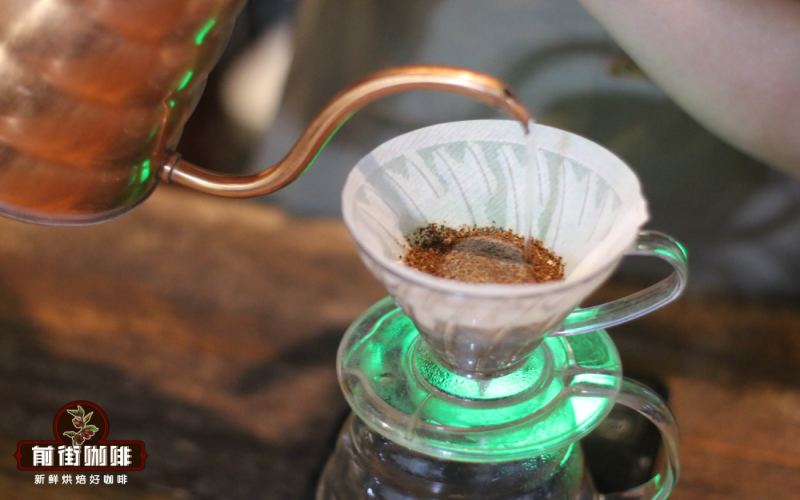
Intro to Pour-Over Coffee | How Can Coffee Beginners Make Specialty Pour-Over Coffee at Home? What Coffee Equipment Is Needed to Make Pour-Over Black Coffee?
Why is pour-over coffee so fascinating? What is the key to a good cup of pour-over coffee? In the following article, FrontStreet Coffee will introduce the basics of pour-over coffee, so you can brew great coffee at home too! What is pour-over coffee? Pour-over coffee, as the name suggests, [more…]
The Extraction Principles and Practical Parameters of Pour-Over Coffee: How Grind, Ratio, and Pouring Technique Affect Flavor
To brew a good pour-over coffee, simply copying parameters is often not enough—understanding the extraction principles behind it is the key. This article breaks down the process of coffee flavor formation from four stages: wetting, blooming, dissolution, and diffusion, and further analyzes how variables such as grind uniformity, particle size, filter paper thickness, and pouring method affect the final taste. Once you grasp these underlying principles, you can flexibly adjust your brewing plan according to your taste preferences, rather than being bound by fixed formulas. The article also compiles practical recommendations from Front Street Coffee's product suggestions to help coffee enthusiasts build a clear brewing approach. [more…]
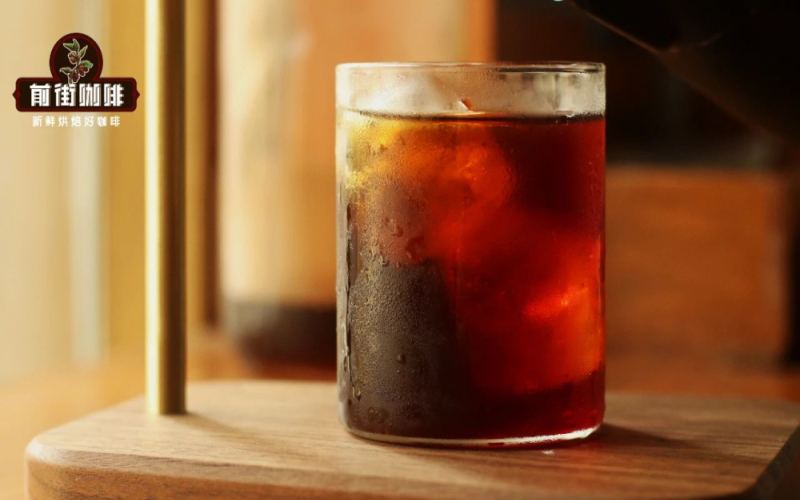
Where Does Cold Brew Coffee Flavor Come From? A Full Breakdown of Brewing Parameters, Kyoto-Style Drip Comparison, and Taste Adjustment
Is iced coffee still worth drinking after autumn arrives? The answer is, of course, a resounding yes. Cold brew coffee centers on low-temperature, long-duration extraction, which preserves more small-molecule flavors such as floral and fruity notes, reduces large-molecule compounds from smoky roasting and the sour-bitterness, and delivers a smoother mouthfeel with more pronounced layers and a sweeter finish. This article will systematically sort through the origins and extraction principles of cold brew, explain how water temperature, coffee-to-water ratio, grind size, and steeping time affect the taste, and offer adjustment ideas for coffee that is too bitter, too sour, or too weak. It will also compare the differences between cold brew and ice drip in terms of brewing method and flavor expression, and include Front Street Coffee's bean recommendations to help you make consistently delicious cold brew at home. [more…]
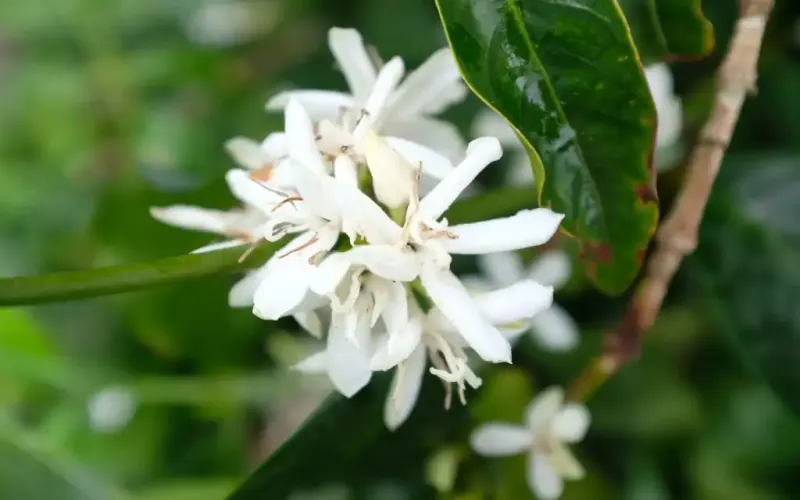
Pour-Over Coffee Floral Extraction Guide: Causes of White Floral Flavors and Brewing Techniques for Geisha Beans
Many coffee enthusiasts buy coffee beans with floral descriptions, yet when they brew and taste them, they often can't find the expected floral aroma. This is not an illusion—it's because floral aromas are low-polarity flavor molecules that are both difficult to extract and easily masked by other flavors. Starting with the sources and types of coffee floral aromas, this article explains why roast level affects how well floral notes are retained, and, drawing on relevant conclusions from SCA research, introduces how to make white floral notes emerge more clearly by adjusting brewing parameters such as the coffee-to-water ratio and pouring technique. The article also uses the Ethiopian Gold Label Geisha recommended by Front Street Coffee for a brewing experiment, sharing a specific three-pour routine and the tasting results. [more…]

Cold Brew Shelf Life | How to Brew Cold Brew Coffee for Better Taste? Is Cold Brew Coffee Made with Warm Water Tastier? Introduction to Cold Brew Ratios and Parameters
For more specialty coffee knowledge, please follow: Front Street Coffee (Frontsteet Coffee). If you want to drink cold brew coffee but don't want to go out and buy it, then Front Street Coffee (FrontStreet Coffee) is here to teach you how to make cold brew coffee at home. Cold brew coffee is a [more…]
What Is the Ideal Water Temperature for Pour-Over Coffee? An Experimental Analysis of How Different Temperatures Affect Extraction Flavor
Many coffee enthusiasts who brew pour-over at home habitually estimate the water temperature by feel, without using a thermometer. As a result, the taste comes out a little different every time, and they start to wonder whether the beans are stale or the quality is problematic. In fact, water temperature has a far greater impact on pour-over extraction than one might imagine—the same beans can present completely different flavor directions at different water temperatures. In this article, Front Street Coffee uses a washed Yirgacheffe Gedingding Cooperative coffee bean from Ethiopia as the sample, brewing comparison tests at five water temperatures—80°C, 86°C, 90°C, 93°C, and 96°C. Through actual tasting, it records the flavor differences at each temperature, analyzes the principles by which water temperature affects extraction, and finally provides a recommended temperature range for everyday brewing. [more…]
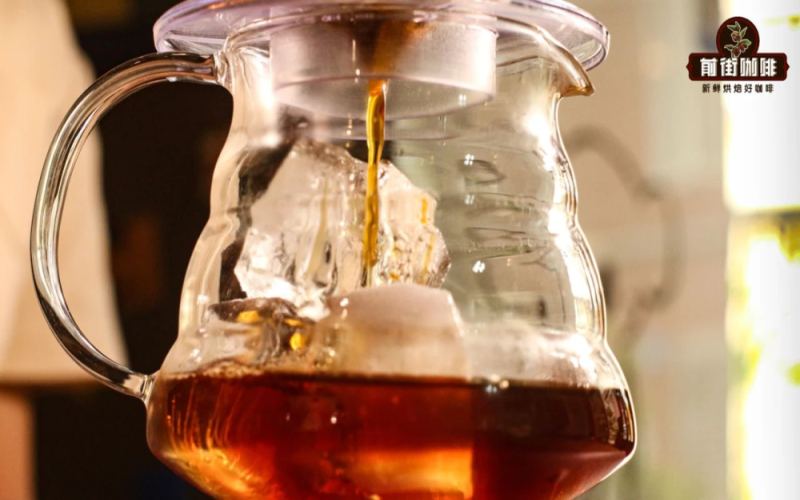
Cold Brew Black Coffee Recommendations | What Is the Extraction Principle of Cold Brew Coffee? How to Increase Cold Brew Coffee Concentration? Is Dark Roast Mandheling Suitable for Cold Brew?
The happiness of summer is probably being able to stay indoors, enjoy the air conditioning, and still sip a cup of cold brew coffee that beats the heat. Because it's so easy to make, even those who don't know how to brew coffee can effortlessly whip up a smooth, rich, full-flavored, clean and refreshing iced coffee that's perfect for summer. Another [more…]
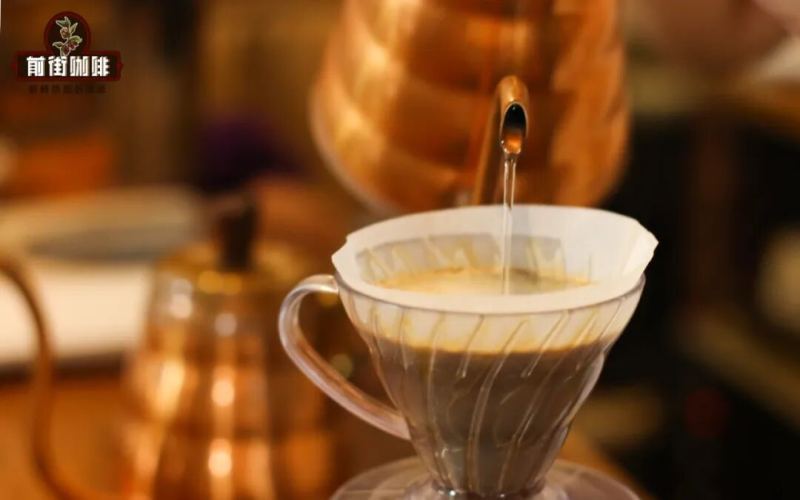
Pour-Over Coffee Tutorial | Why Do Some Coffee Beans Have Floral Aromas? How to Brew the Floral Flavors in Ethiopian Gedeb G1 Coffee?
Although floral aromas are not uncommon in coffee, they are undoubtedly one of the most appealing flavors among the many. After all, quite a few friends became fascinated with coffee precisely because they tasted floral notes in it. But brewing floral notes out of coffee is not a simple matter, because friends often tell Front Street that they [more…]

Cold brew coffee extraction principles | Is cold brew coffee complicated and difficult to make? Is dark-roast Mandheling suitable for cold brew? How can coffee beginners make cold brew coffee at home?
For more specialty coffee knowledge, please follow: Front Street Coffee (Frontsteet Coffee) The happiness of summer is probably being able to stay indoors, enjoy the air conditioning, and sip a cup of cold brew coffee that beats the heat. Because the brewing method is simple, even those who don't know how to brew coffee can easily make [more…]
Geisha Coffee Floral Brewing Full Analysis: A Complete Guide from Variety Genetics to Extraction Parameters
Floral aromas are an extremely rare flavor type in the world of coffee, and not every coffee bean can present them. Starting from varietal genetics and growing environment, this article analyzes the principles behind the formation of floral aromas in coffee, and uses Front Street's Emerald Green Label Geisha from the Boquete region as an example to share in detail how to fully release the jasmine, citrus, and green tea notes contained in Geisha by adjusting the coffee-to-water ratio, pouring technique, and extraction time. Whether you are a beginner just getting into specialty coffee or an enthusiast hoping to refine your brewing skills, this guide will help you understand the dissolution characteristics of floral compounds and master practical methods for brewing a clear floral aroma. [more…]