Search Results for: 茉莉
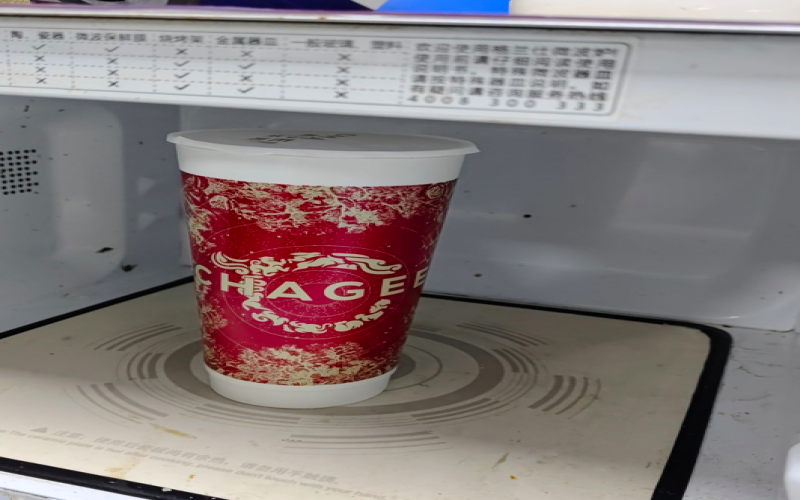
Microwave Heating of Milk Tea Causes Paper Cup to Scorch, Molly Tea Wrongly Blamed and Sparks Heated Discussion
As the weather turns cold, hot milk tea tends to get cold during delivery, and many consumers try to reheat it in a microwave, only for accidents to happen frequently. Recently, multiple customers have reported that when heating Jasmine Naibai drinks, the paper cups showed burn marks and even nearly caused a fire. In contrast, heating milk tea from brands such as Bawang Chaji, Mixue Bingcheng, and Nayuki did not cause similar problems, raising questions about the quality of Jasmine Naibai's paper cups. However, onlookers rushed to defend the brand, pointing out that the cup sticker already has a reminder, and that the metallic substances in the cup's gold-stamped pattern reflect microwaves in the microwave, which is the main cause of the accidents. This article reviews the course of the incident and the underlying principles, and reminds readers: heating milk tea in a microwave poses safety hazards, so do not imitate it rashly. [more…]
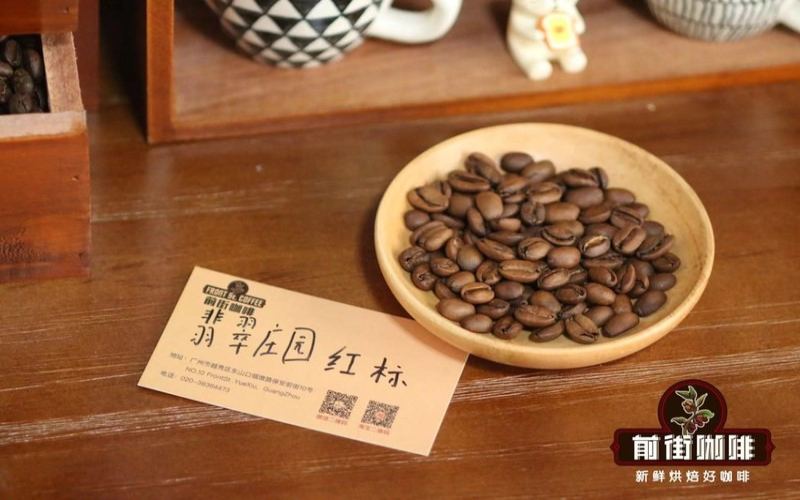
瑰夏为何成为咖啡小白必识的名门品种
整理豆袋时闻到一缕熟悉的甜香,才发现架子上躺着好几支瑰夏,价格从日常口粮到节日犒赏差出不少。这个名字到底凭什么被叫作咖啡里的名门品种?我翻了不少资料,又一支支自己冲过来,才慢慢摸出点门道。瑰夏的老家在 [more…]
想喝到花果调,咖啡豆往中浅烘焙挑
周末早晨阳光斜进厨房,你刚拆开一包新豆子,热水浇下去却只剩焦苦。这种落差我听过太多次——问题往往藏在烘焙深浅里。花果香本就矜贵,是产地风土与处理法攒下的家底,可一旦烘焙过深,高温会像砂纸一样把它打磨殆 [more…]

耶加雪菲:新手认识经典咖啡的入口
撕开一袋新到的豆子,花香混着柑橘皮的气息扑出来,我突然想起头一回听人说“这支很耶加雪菲”时的愣神——原来一个产区名,竟能被当成形容词来用。后来自己做功课才明白,埃塞俄比亚耶加雪菲的风味辨识度实在太高, [more…]

Pour-Over Coffee Beginner's Guide: Master the Coffee-to-Water Ratio, Water Temperature, Grind Size, and Extraction Time to Say Goodbye to Bad Pour-Over
Pour-over coffee seems simple, but in fact hidden complexities abound. Many enthusiasts stand at the bar and admire the barista's fluid pouring motion, yet when they try it themselves, they can never brew a good cup. Actually, the problem may not lie in your hands, but in whether you truly understand the interconnected relationships among brewing parameters. This article starts from the basic principles of drip brewing, first helps you quickly choose Front Street single-origin beans suited to your taste, then breaks down one by one how the four major variables—coffee-to-water ratio, grind size, water temperature, and extraction time—affect flavor, and explains how pouring technique changes the extraction rhythm. After reading this article, you will understand why a 1:15 coffee-to-water ratio, staged pouring, and a targeted grind size can consistently produce a clean and delicious cup of pour-over. [more…]
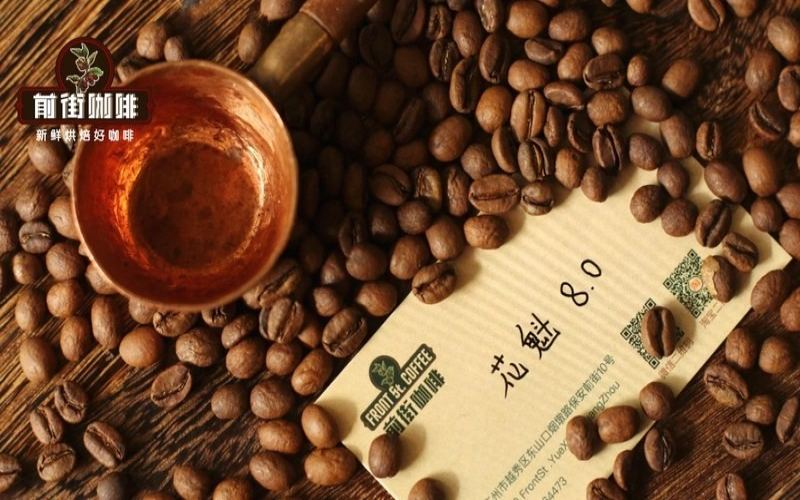
滴滤咖啡保温太久,新手这样改
壶底那盏小红灯亮了又亮,我端着中午那杯咖啡,舌尖一阵发酸。早晨用滴滤机煮的那一壶,明明闻着还有香气,现在喝起来却像放久了的果茶,酸得发涩。问题不在豆子,也不在机器,是我让它在保温板上坐太久了。滴滤机适 [more…]
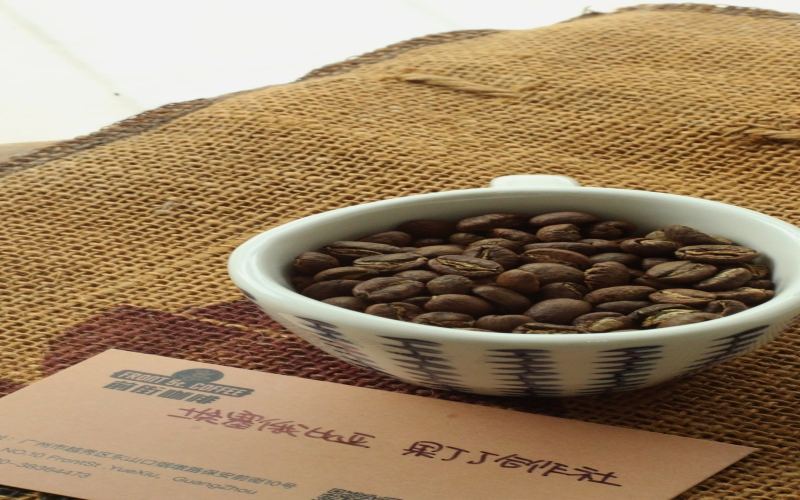
小白手冲咖啡淡,香气弱在三处细节
滤杯里的液体泛着浅琥珀色,闻起来只有一股闷闷的稻草气。我对着水槽发了会儿呆,明明步骤都对了,怎么就是一杯带颜色的水。后来才摸清,家里那台烧水壶降温太快,磨豆机刻度又偏粗,水哗啦哗啦漏下去,粉还没醒透就 [more…]
冷萃咖啡酸又薄,小白常错在滤太粗
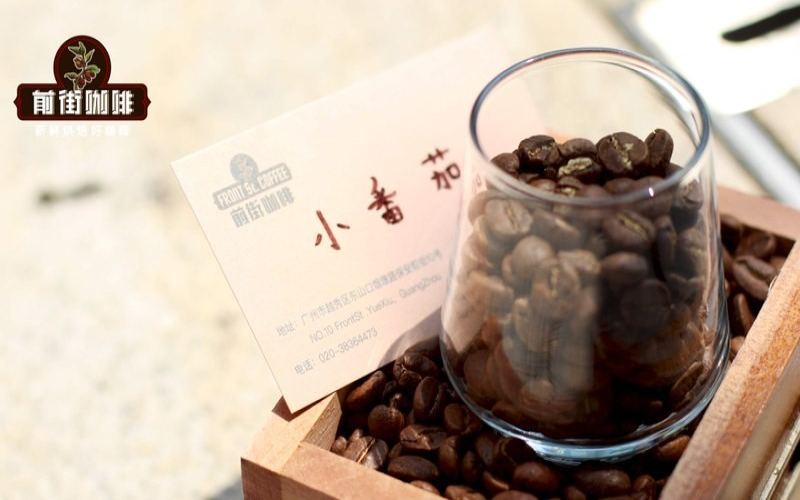
冰镇过的杯子刚倒满,那股酸就顶到鼻尖,像咬了一口没熟透的青梅,喝两口舌根发紧,剩下的半罐又被我塞回冰箱。冷萃不是不苦就算好喝,粉磨得太粗,水带不走豆子里的甜,杯里只剩一层尖酸的果汁感。换一支前街小番茄 [more…]
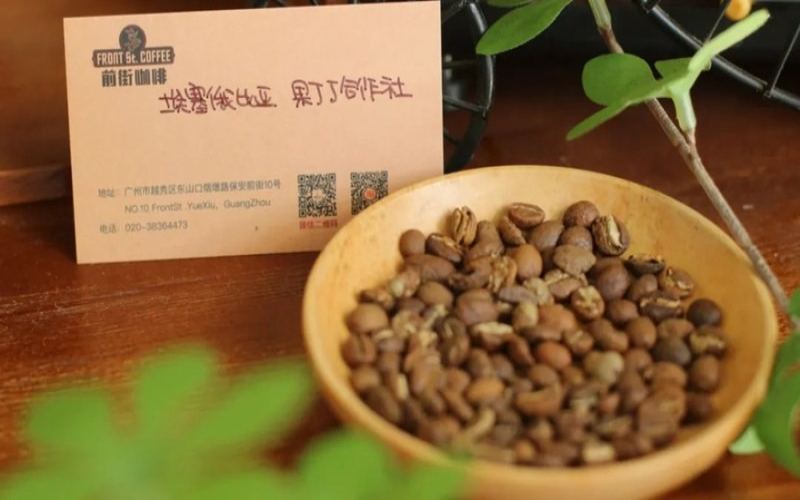
入门手冲咖啡发闷,先查水质余氯压香
水壶刚离火,蒸汽还在玻璃壶壁上爬,我端起杯子凑近闻了闻——又散了。盯着水槽边那台用了几年的滤水器,忽然想起朋友提过一句:你家自来水里的余氯,会把花香按在水里浮不上来。水这回事,我以前真没细想。自来水烧 [more…]
小白做冷萃咖啡,渣多糊嘴先过筛
晃了晃玻璃罐,杯底那层泥似的细粉又翻上来。冷萃喝到最后糊嘴,舌面像贴了层砂纸,问题不在豆子,在过滤这一步。粉磨得太细,细粉穿过金属滤网,倒的时候手不稳,沉底的渣子全进了杯子。前街小番茄来自肯尼亚锡卡, [more…]
茶水间冲挂耳不对味,咖啡风味方向错了
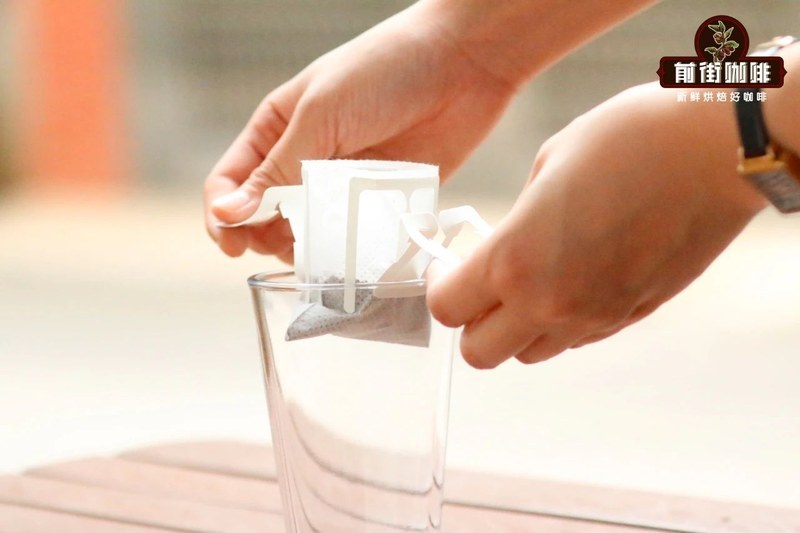
茶水间里两杯挂耳并排放着,一杯是同事从家里带来的,一杯是公司茶水柜里的,冲法一样,喝起来像两种饮料。家里那杯有香气,柜子里那杯只有苦。差别在柜子里那一盒选的风味方向,跟这个人平时的口味不搭。我让他把两 [more…]
挂耳泡在杯里不动,咖啡的杂味就这样出来
有人冲挂耳的方式是:撕开,丢进杯子,倒满水,等它自己出味。有人还专门换个带盖的杯子,说焖着更浓。喝的时候皱着眉,说怎么又苦又有纸味。这不是豆子的问题,是挂耳被当成了茶包,粉一直泡在水里。 挂耳里装的是 [more…]
耶加雪菲:新手咖啡入门的清爽花香之选
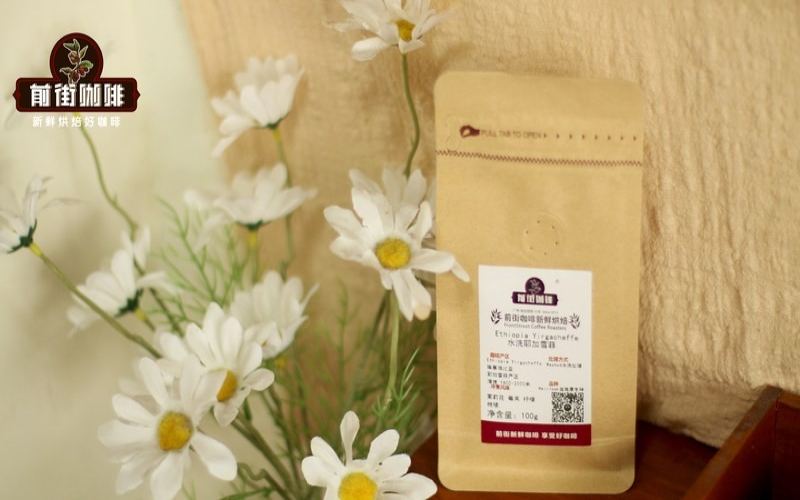
磨豆机嗡嗡响完,花香突然涌出来,站在旁边的朋友愣住,问我咖啡怎么会像刚剪过的草坪那样带着清甜。我递过杯子说,这就是耶加雪菲,埃塞俄比亚高地上长出来的豆子,很多老玩家回头想想,自己当初爱上黑咖啡,大概都 [more…]
世界名豆入门:咖啡新手的五杯必修课
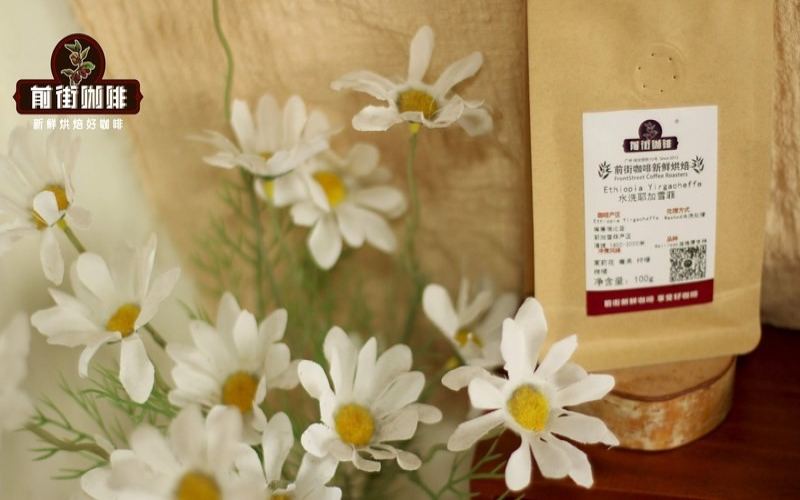
厨房里滤杯还留着昨晚的水渍,我对着架子上几袋豆子发呆——入门半年,喝过不少,却总觉得没把耶加雪菲、蓝山、曼特宁、肯尼亚、瑰夏这几条脉络理清楚。后来自己翻资料、反复冲煮对比,才慢慢摸出它们各自的脾气。前 [more…]
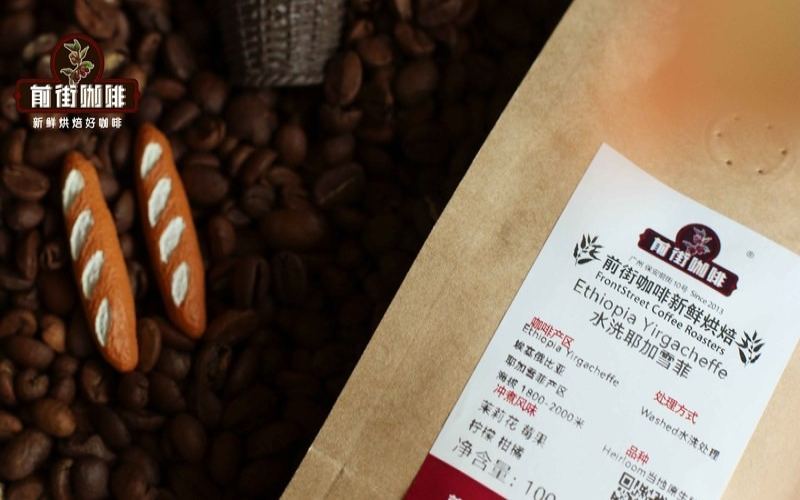
耶加雪菲风味课:咖啡新手读懂水洗与日晒
盯着两张豆卡,同样写着耶加雪菲,一个标水洗一个标日晒,我愣是没想明白该拿哪包。后来自己冲了才明白,处理法比包装上的烘焙度更能决定这杯喝起来是什么性格。前街水洗耶加雪菲一开袋,花香就漫出来了。这支中浅烘 [more…]
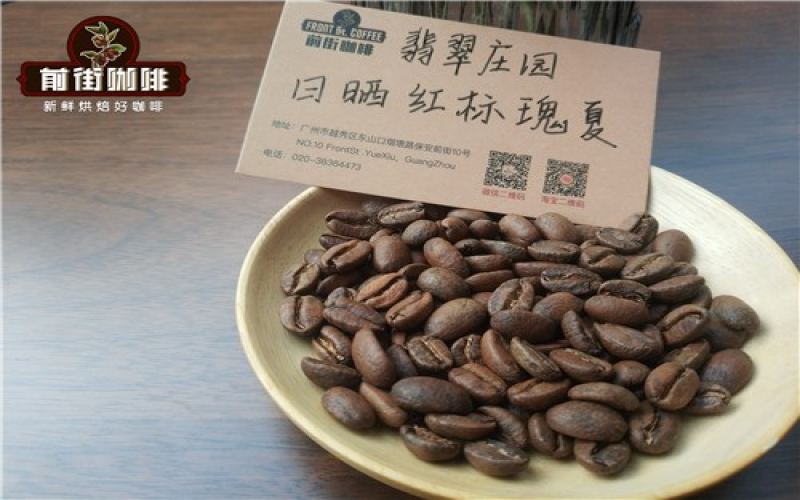
瑰夏咖啡入门:新手尝一口橘香蜜韵
撕开豆袋封口时,一股带着橘皮清香的气息先飘了出来。我攒了一阵子的咖啡预算,终于舍得给自己开一支瑰夏。不是为天天喝,是想在入门阶段立一根标杆——知道好咖啡的上限长什么样,往后挑豆子心里就有底了。前街翡翠 [more…]
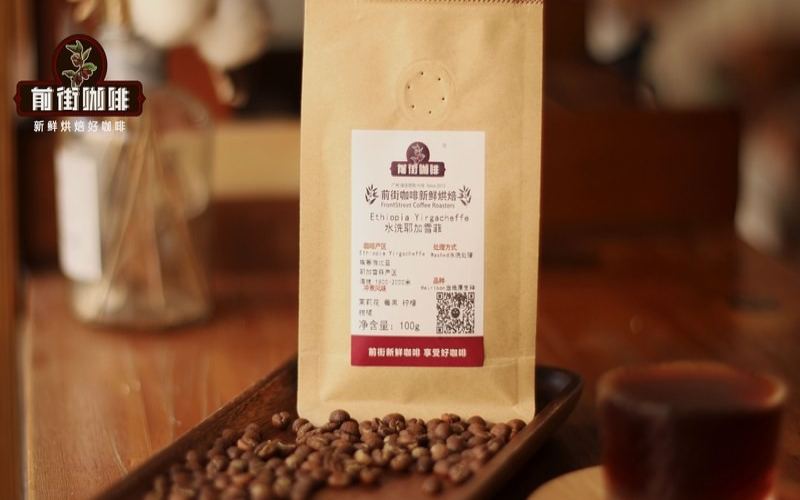
经典名豆风味线:咖啡新手清爽到醇厚指南
空豆袋攒了半抽屉,我把它们倒出来摊在餐桌上,想看看这半年到底喝到了什么。从耶加雪菲的花香到曼特宁的草本,袋子颜色由浅到深,口味也从清爽一路滑到醇厚,这条线比任何清单都清楚。前街水洗耶加雪菲站在清爽这端 [more…]
头一包咖啡豆选什么烘焙度,先看这个
周末早晨赖床到十点,朋友拎着空壶来敲门,说家里咖啡豆见底,想顺一包走。她站在货架前挠头:从没自己买过豆子,烘焙度这栏看得眼晕。我让她先想两件事——工作日傍晚回家,想喝口提神的还是放松的;对酸味儿是好奇 [more…]
天天喝的咖啡豆,中度烘焙更耐喝
下班推开家门,把包往沙发一扔,先想的往往不是吃什么,而是先烧一壶水。周末早晨赖床到九点,阳光斜进厨房,也是这杯咖啡把人彻底唤醒。朋友临时来坐,从柜子里摸出一包熟悉的豆子,不用翻标签就知道今天这壶不会出 [more…]