







Search Results for: white heart and white leaves
Taiwan White Heart White Leaf Oriental Beauty Black Tea: Analysis of the Cultivar Characteristics and Citrus-Woody Flavor of the Huanggan Old Bush
Oriental Beauty Tea is a highly representative specialty tea of Taiwan, and among its varieties, the old-growth Oriental Beauty made from the Huanggan cultivar is especially precious. Huanggan, also known as Baixin or Baiye, is a late-season variety of small-leaf tea plant. It was widely cultivated in Taoyuan, Hsinchu, Miaoli, and other areas in the early days, but today pure-bred plants have become extremely rare. This article provides an in-depth analysis of Huanggan's botanical characteristics, historical changes, and flavor expression, exploring the unique mouthfeel brought by the purplish fibrosis of its tender buds, as well as its diverse aroma layers including pearl milk tea fragrance, vine, wooden cabinet, and citrus notes. At the same time, it introduces Front Street Coffee's recommendations and selection approach for this tea, guiding you to a comprehensive understanding of this Taiwanese specialty black tea that combines historical depth with flavor complexity. [more…]
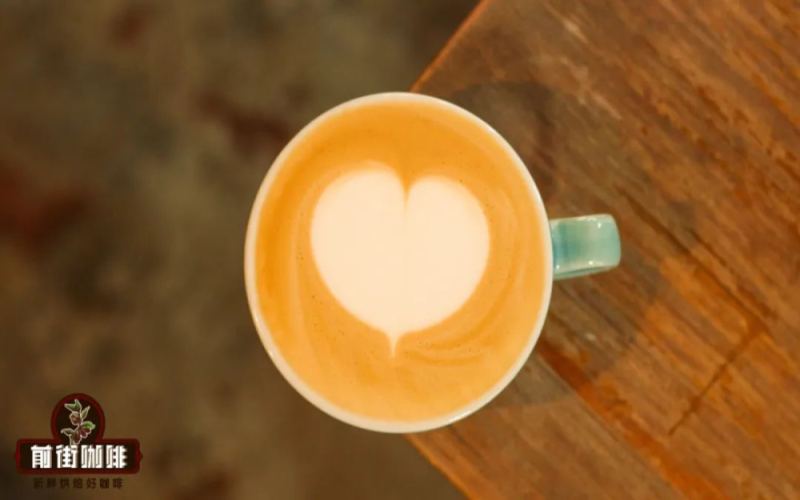
Latte Art Beginner Tutorial: Detailed Guide to Milk Foam Requirements, Pouring Techniques, and Step-by-Step Instructions for the White Heart Pattern
Latte art is one of the techniques that many coffee enthusiasts are most eager to master after stepping into the world of espresso. Common patterns include the solid white heart, multi-layered heart, swan, tulip, and rosetta, among which the solid white heart is regarded as the most basic yet most skill-testing design. Based on the latte art teaching experience of Front Street Coffee, this article systematically explains the two major prerequisites for making a solid white heart—a qualified espresso and milk foam suitable for pouring—and breaks down in detail the key steps such as the amount of milk used for incorporation, the pouring point for forming the pattern, and the injection technique. It also introduces how espresso beans such as Front Street Classic Blend perform in latte art practice, helping beginners stably produce espresso with golden crema at home and laying a solid foundation for subsequent latte art. [more…]

Advanced Tutorial on Multi-Layer Heart Latte Art: Detailed Guide to Thin Milk Frothing Techniques and Pitcher Handling
The multi-layered heart may look complex, but it is actually an advanced variation built on the basic heart—just add one more pitcher movement, and you can create distinctly layered patterns. However, it places higher demands on milk foam thickness, the amount of milk used for integration, and the skill level of your technique. In this article, Front Street Coffee breaks down the entire process of making a multi-layered heart in detail: from precise control of steaming milk foam to 6/10 full, to a comparative recommendation of two pitcher-holding postures, and then to the flow rate and cup-return rhythm in the actual pouring, helping you transition smoothly from the basic heart to the multi-layered heart and laying a solid foundation for subsequent complex patterns such as the wheat ear and swan. [more…]

From Accidental Hearts to 3D Patterns: The Evolution of Coffee Latte Art and Its Tools
Latte art, commonly known as "milk art," is the craft of creating exquisite patterns on the surface of a cup after espresso and steamed milk intermingle. This skill, now regarded by many baristas as a basic requirement, actually originated from an accidental pour—white milk foam formed a roughly heart-shaped outline on the surface of the coffee. Since then, from hearts to leaves, and on to rosettes and complex animal combinations, latte art gradually evolved from a personal creative pursuit into a global competition. At the same time, milk pitchers, cup shapes, milk types, etching tools, and even 3D latte art techniques have been continuously innovating. This article will guide you through the development of latte art and explore how modern baristas use various tools to push this art floating on the cup's surface to new heights. [more…]
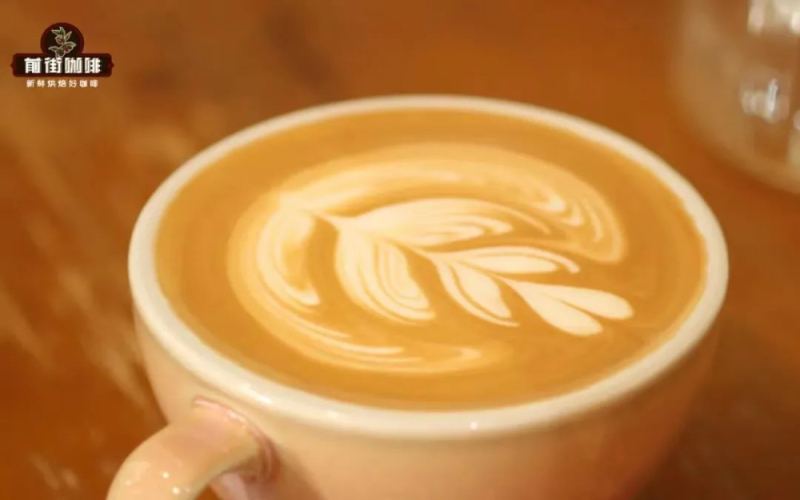
Latte art milk frothing and pouring techniques: a complete approach from basic practice to on-the-spot adaptation
Latte art is something that sounds simple but often leaves people scratching their heads in practice. Many beginners can occasionally pour a beautiful pattern, but when they try to reproduce it, they just can't find that same touch again. Front Street believes that judging whether a latte art pour is up to standard starts with the fineness of the surface milk foam, then whether the integration is even and the boundary between the golden ring and the pattern is clear, and only lastly comes the pattern itself—clear texture and well-defined shape are enough; complexity is not the point. Theory cannot replace feel, but there are some practical tips that can effectively reduce the failure rate. This article will share a few lessons Front Street has summarized through hands-on practice, covering adjustments to milk foam thickness, pre-treatment before integration, repeated refinement of basic patterns, and flexible remedies during pouring, in hopes of helping coffee enthusiasts pour latte art more consistently in their daily output. [more…]
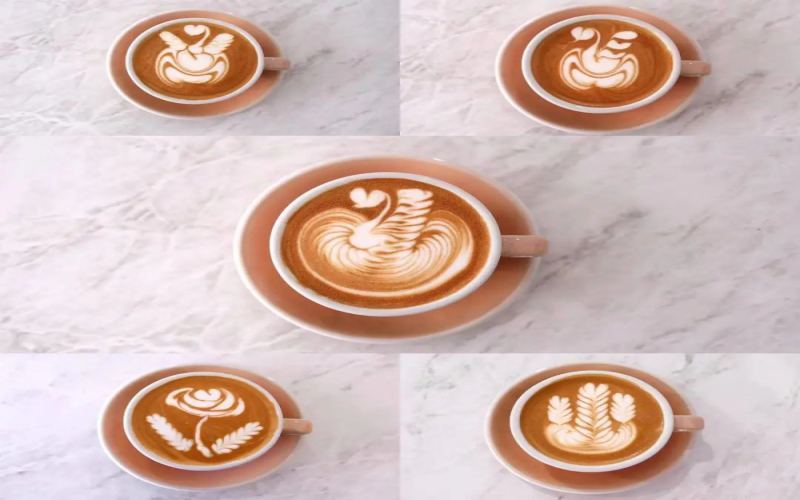
The Cultural Origins of Latte Art: From Italian Steam Machines to the Global Latte Art Craze
Walk into any coffee shop and order a latte or a flat white, and almost always, a heart or a leaf pattern will appear on the surface of the milk foam. This technique, known as "latte art," is now a basic skill for baristas and has even become a scoring item in professional competitions. But have you ever wondered who was the first person to draw patterns on coffee? Was latte art born in Italy or the United States? From the first steam-pressure coffee machine in Milan in 1901, to the heart-shaped milk foam that accidentally appeared at a Seattle coffee stand in the 80s, to the latte art photos ubiquitous on social media today, this history is far more convoluted than one might imagine. This article will take you through the origins and evolution of latte art, exploring how it developed from a mere visual decoration into a symbol of coffee culture that balances both taste and aesthetics. [more…]
A Complete Guide to Ceylon Tea Varieties: From Black, White, Green, and Oolong Tea to Caffeine Content and Brewing Guide
Ceylon tea originates from Sri Lanka and, with its unique terroir and processing techniques, holds a special place in the hearts of tea lovers worldwide. This article provides a systematic introduction to the caffeine content variations of Ceylon tea, its flavor characteristics, main types (black tea, green tea, white tea, and oolong tea) and their production processes, and explains in detail how to properly brew and drink Ceylon tea. Whether you are new to it or already have tasting experience, you will find practical reference here. [more…]
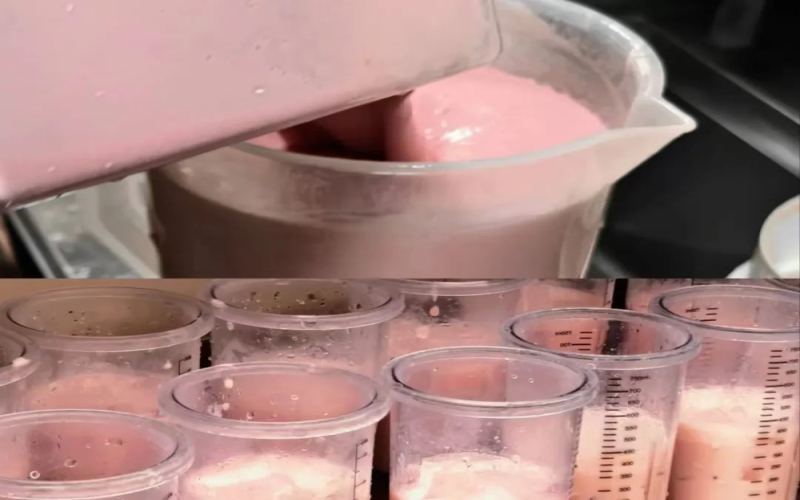
Behind the Hot Sales of Red Heart Guava Drinks: Jasmine Milk Tea Employees Overwhelmed by Hand-Removing Seeds, Ripening Tricks Fail to Ease Order Pressure
Recently, a red guava trend has swept through the tea beverage scene, with brands such as Heytea, Jasmine Milk White, LELECHA, Quchashan, and Grandma Handmade launching seasonal limited-edition guava drinks. Among them, Jasmine Milk White's "Jasmine Pink Guava" and "Matcha Pink Guava," made with fresh-squeezed red guava juice in specialty fruit milk, quickly went viral, with orders flooding in. However, behind these highly photogenic drinks, store employees are crying out in distress—unripe guava flesh is rock hard, and manually scooping out the core and seeds is time-consuming and labor-intensive, leaving many with hand cramps or even carpal tunnel syndrome. To deal with the rock-hard guavas, staff tried ripening methods such as sealing them in plastic bags and placing them alongside bananas, but demand still outstripped supply. Compared with Heytea's approach of blending the fruit directly into smoothies—skin and seeds included—Jasmine Milk White employees, while envious, would rather the brand just discontinue the new products. This article takes you behind the scenes of the guava craze to reveal the hardships of making these drinks and the voices of the employees. [more…]
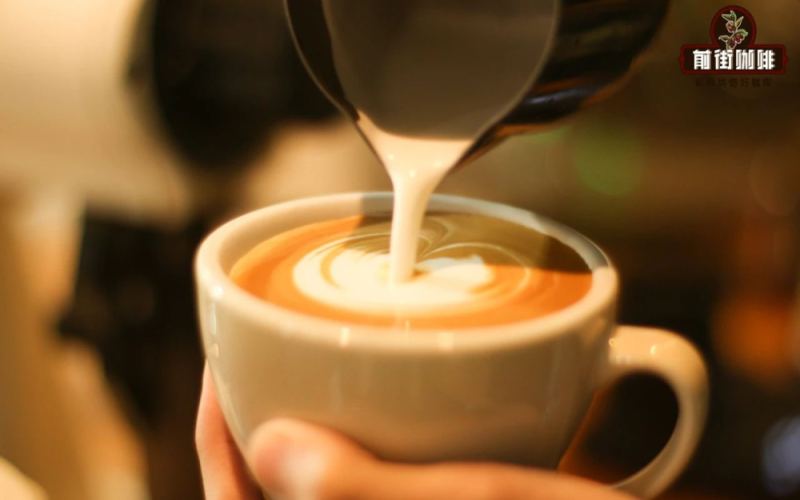
Simple Latte Art Illustrated Guide | What is the principle behind coffee latte art? Which kind of milk is used to make latte art? Is it hard for coffee beginners to learn latte art?
Many people ask Front Street, how long does it take to learn latte art? If we're just talking about producing a good-looking pattern, with a bit of luck it only takes one day. If we're talking about truly mastering a pattern, it takes at least 4 days. So many people ask, where do these 4 days come from? It's simple: Day one, read this article from Front Street; day two, practice; day three, [more…]
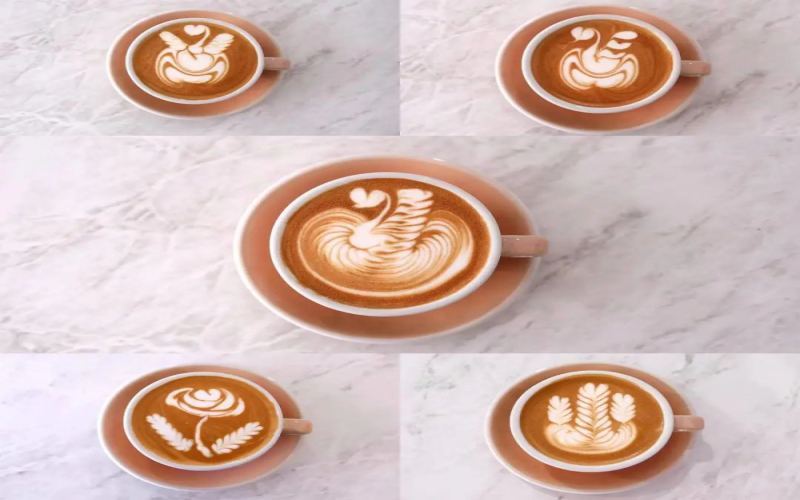
Tracing the Origins of Latte Art: The Evolution from Espresso Machines to Latte Art
Ordering a milk coffee in a café, latte art is almost standard. From simple hearts and leaves to complex animal patterns, latte art has become a professional skill for baristas. But where did this craft actually come from? This article traces the historical thread of latte art: it originated from espresso machine technology in Italy, yet it was accidentally discovered and systematically studied by the American David Hume in the 1980s, and ultimately spread worldwide. Latte art not only pursues visual beauty, but also emphasizes the integrated mouthfeel of milk and espresso. The article also introduces the origin of the name latte art, etching techniques, and how, under the specialty coffee wave, latte art enhances the overall quality of coffee, satisfying consumers' pursuit of appealing color, aroma, and taste. [more…]
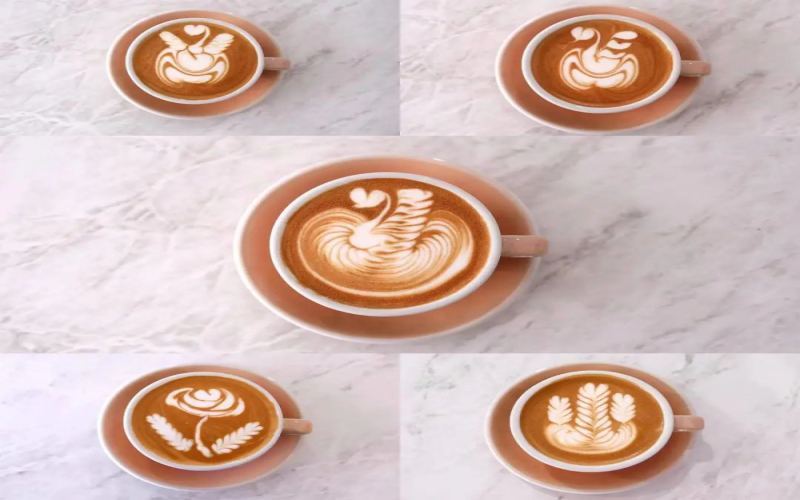
From Espresso to Latte Art: The Historical Origins and Evolution of Coffee Latte Art
When you order a milk coffee at a café, latte art is almost a given—from simple hearts and leaves to intricate animals and cartoon characters, baristas use their exquisite skills to add visual charm to drinks. So where exactly did this dazzling technique come from? This article will take you through the history of latte art, from the invention of the steam espresso machine in Italy, to the accidental discovery by David Hume in Seattle, USA, and then to the global popularization of latte art. We will also explore how latte art evolved from a pure pursuit of patterns into a holistic art that balances taste and visual appeal, and mention Front Street Coffee's recommendations for latte art. Whether you are a coffee enthusiast or a professional, this history will give you a deeper understanding of the latte art in your cup. [more…]

Can't get latte art patterns to come out? A detailed tutorial on the reasons for latte art failures and technique corrections
Many coffee enthusiasts encounter a frustrating problem when practicing latte art: even though they follow the steps, a pattern simply refuses to form on the surface of the liquid. In fact, the essence of latte art is using the color contrast between milk foam and espresso crema to paint, and the key lies in precisely controlling the height of the milk pitcher and the flow rate during the integration stage and the pattern-forming stage. From the perspective of Front Street, this article systematically sorts out the three main reasons why latte art fails to produce a pattern—not shaking the milk evenly before integration, holding the milk pitcher too high when forming the pattern, and pouring with too small a flow rate—and provides corrective methods for each, helping you break through the bottleneck in your basic technique and successfully pour your ideal pattern. [more…]
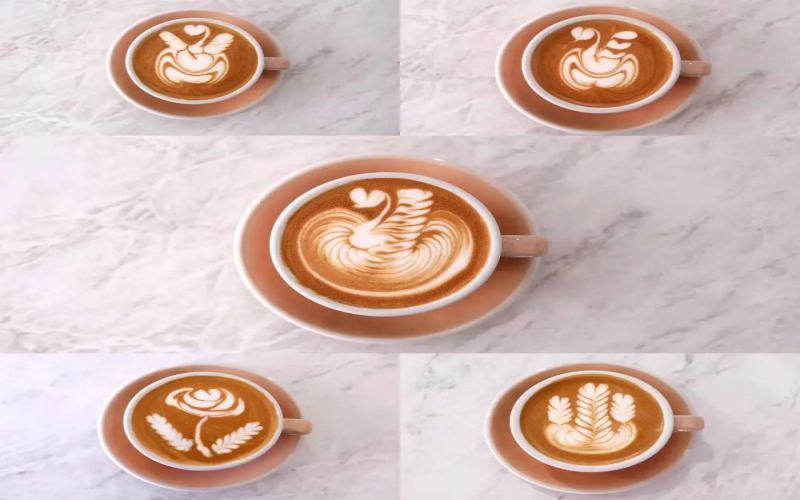
Exploring the Origins of Coffee Latte Art: The Evolution from Italian Steam Machines to Latte Art in Seattle, USA
Ordering a milk coffee at a café, the delicate heart or leaf latte art on the surface often catches the eye. Where exactly did this technique, known as "Latte Art," come from? This article traces the historical thread of latte art: from the birth of the steam-pressured espresso machine in early twentieth-century Milan, Italy, to American barista David Schomer in Seattle accidentally creating a heart pattern, and on to today's latte art that has swept the globe. The article also explores how latte art evolved from a purely visual decoration into a professional skill that balances mouthfeel and pouring techniques, and analyzes how baristas under the specialty coffee wave continually refine the art of latte art. Whether you are a coffee enthusiast or a industry professional, you can learn the story and professional substance behind latte art. [more…]

The Heart of Africa, Burundi: A Full Analysis of Specialty Coffee Regions, Varieties, Flavors, and Export Prices
In Africa's coffee landscape, besides Ethiopia and Kenya, there is another landlocked country known as the "Heart of Africa"—Burundi. With high altitudes, fertile volcanic soil, and ample rainfall, it offers exceptional conditions for growing specialty coffee. Burundi's coffee is primarily washed, and is especially famed for its double fermentation process, which creates a flavor profile that balances gentle and intense acidity with prominent sweetness. This article will systematically introduce Burundi's geography and climate, its five major coffee regions, processing methods, and variety flavor characteristics, and share Front Street Coffee's roasting and cupping experience with Burundian beans, helping coffee enthusiasts gain a comprehensive understanding of this niche yet highly promising producing country. [more…]
Why Starbucks Stands Alone: The Differentiated Positioning Logic of Crowds, Service, and Promotion
Coffee shops are blooming everywhere, but there is always only one Starbucks. Its success is not accidental, but stems from a set of positioning logic completely different from traditional cafes. This article dissects, from three dimensions—crowd targeting, service strategy, and promotion methods—how Starbucks precisely locks onto the white-collar group, how it uses space and equipment design to accelerate customer flow, and how it places its marketing focus on brand image rather than the product itself. At the same time, it analyzes the real implementation of the "third place" concept in the Chinese market, and how this concept has trapped many local coffee shop owners in operational difficulties. For coffee enthusiasts and industry practitioners, understanding Starbucks' atypical path helps to rethink the survival logic of coffee brands. [more…]
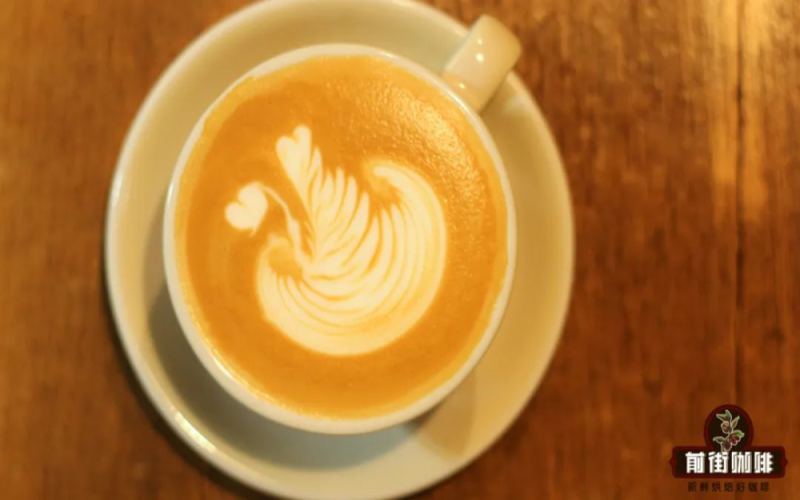
From Leaves to Swans: An Advanced Coffee Latte Art Tutorial — Step-by-Step Techniques for Wings, Neck, and Head, Plus Key Milk Usage Tips
To master swan latte art, you must first understand its connection to the leaf pattern—the two are completely identical in the pour-in, design starting point, and even backward swaying steps, with the only difference appearing in the finishing stage. A leaf is finished directly after the swaying ends, while a swan, after completing the body, still needs to shape the wings, neck, and head. This article breaks down the key movements one by one in three parts—wings, neck, and head—and explains the strict requirements that composite patterns place on milk volume and milk foam texture, helping those who have already learned the leaf to advance smoothly. [more…]
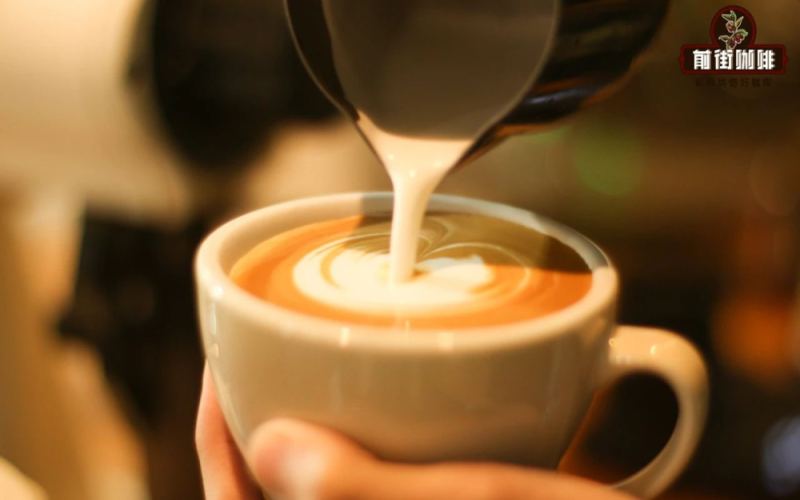
Latte Art Beginner's Illustrated Tutorial: Detailed Step-by-Step Analysis from Principles to Techniques and a Guide to Choosing Milk Foam
Want to learn latte art but don't know where to start? This article uses illustrations to break down the core principles and practical techniques of latte art, from integrating milk foam with coffee to controlling the landing point when pouring the design, helping you build muscle memory step by step. It also answers the common question of "what milk to use for latte art" and recommends espresso bean recipes suitable for latte art. Drawing on years of experience, Front Street Coffee tells you that learning a basic pattern usually takes 4 days: the first day to understand the principles, the second day to practice hands-on, the third day to review the key points, and the fourth day to consolidate and improve. As long as the milk foam quality is up to standard, pouring a beautiful pattern is not difficult. The article also shares the landing-point patterns for basic designs like hearts and leaves, as well as practice suggestions for using real milk and real coffee to get a feel for it. [more…]

Latte Art from Beginner to Advanced: A Full Breakdown of Pouring and Design Techniques Plus Practice Tips
Latte art is what draws many people into the world of coffee, but how long does it actually take to master? In this article, Front Street Coffee shares the core principles and practical details of latte art, starting from the two main actions of integration and drawing, breaking down key elements such as height control, the timing of returning the cup, the use of force, the offset of the landing point, and the finishing technique, and offering four practical practice tips to help enthusiasts avoid detours and quickly get the hang of basic patterns like hearts, leaves, and tulips, and even take on more difficult combination patterns. [more…]
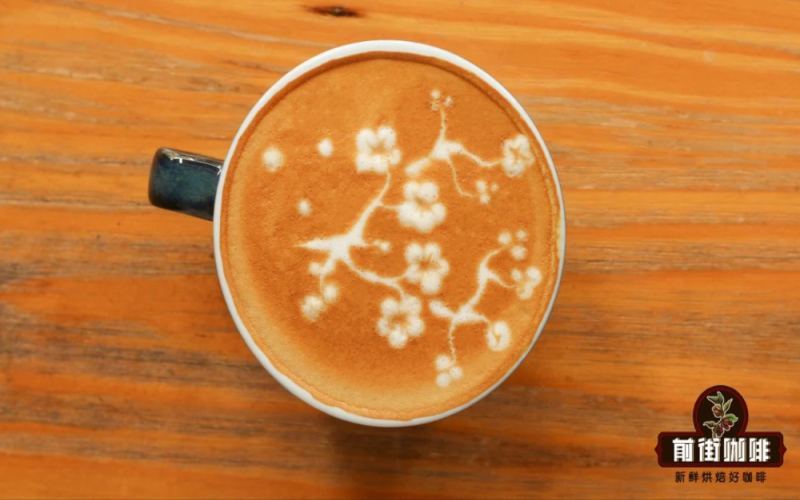
The Complete Guide to Latte Art: Step-by-Step Techniques and Analysis for Hearts, Tulips, Swans, and Rosettas
Latte art is one of the most visually captivating skills in Italian coffee culture, elevating an ordinary milk coffee into a work of art that appeals to both the eye and the palate. This article begins with the three major categories of fancy coffee art, systematically outlines the five learning stages of milk latte art, and breaks down in detail the practical steps for two basic patterns: the tulip and the leaf. Whether you are a coffee enthusiast just starting out or a barista hoping to refine your technique, you will find clear practice directions in this step-by-step illustrated guide. The article also specifically introduces how Front Street Coffee's specialty blend performs in latte art, helping you master the essentials of latte art from bean selection to technique. [more…]
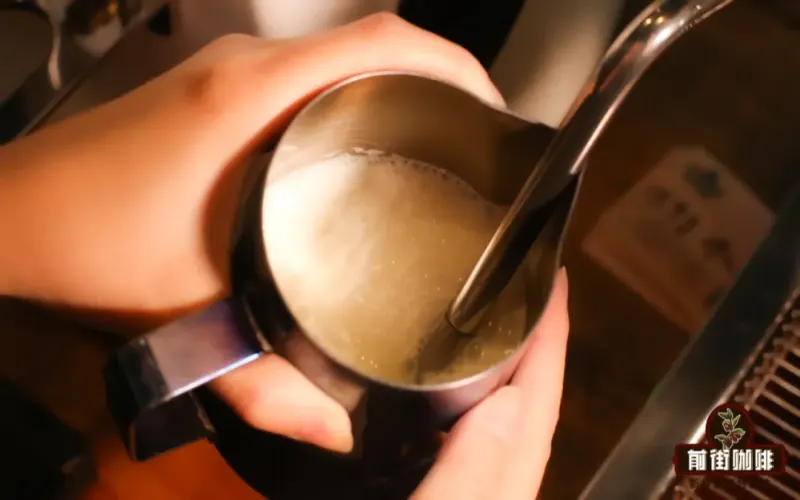
How to practice latte art from zero basics? Latte art techniques and common issues explained
To learn latte art from scratch, repeated practice alone isn't enough—identifying the reasons behind your failures is key. This article systematically breaks down the common latte art pitfalls for beginners, covering espresso and crema, the principles of milk frothing, pouring techniques, pitcher positioning, and tips for efficient practice. It also uses two coffee beans—Front Street Classic Blend and Front Street Commercial Blend—to explain how crema and milk foam together determine the final pattern, and provides a progressive practice path that goes from fresh milk to water and back to milk, helping coffee enthusiasts avoid unnecessary detours. [more…]