







Why Coffee Seeds Matter Less Than Guava Seeds in This Trend
Red guava drinks have swept tea beverage menus, with brands like Heytea, Jasmine Naibai, LELECHA, Quchashan, and Ama Handmade releasing seasonal guava items. Jasmine Naibai's Jasmine Pink Guava and Matcha Pink Guava use freshly squeezed red guava juice blended into specialty fruit milk. Orders surged, but store employees report hand cramps and even carpal tunnel syndrome from scooping out the hard core and seeds by hand.
Staff have tried ripening tricks such as sealing guavas in plastic bags or storing them with bananas, yet supply still lags behind demand. Unlike Heytea's method of blending the whole fruit, skin and coffee seeds aside, into smoothies, Jasmine Naibai workers must process each guava manually. Some say they would rather the brand discontinue the drinks altogether.
Recently, a red guava trend has swept through the tea beverage scene, with brands such as Heytea, Jasmine Naibai, LELECHA, Quchashan, and Ama Handmade all launching seasonal limited-edition guava drinks. Among them, Jasmine Naibai's "Jasmine Pink Guava" and "Matcha Pink Guava," made with freshly squeezed red guava juice blended into specialty fruit milk, quickly went viral with orders flooding in. However, behind these highly photogenic drinks, store employees are crying foul—unripe guava flesh is hard, and manually scooping out the core and seeds is time-consuming and laborious. Many have suffered hand cramps and even carpal tunnel syndrome. To deal with the rock-hard guava, staff have tried ripening methods such as sealing them in plastic bags or storing them with bananas, but supply still falls short of demand. Compared to Heytea's approach of blending the fruit—skin, seeds and all—directly into smoothies, Jasmine Naibai employees, while envious, would rather the brand just discontinue the new products. This article takes you behind the scenes of the guava craze to learn about the hardships of production and the voices of the staff.
▲
Click to follow | Daily specialty coffee culture magazine Coffee Workshop
Recently, the hottest ingredient in tea beverage stores has been none other than red guava. Just before Valentine's Day, Heytea announced the return of its classic guava series, and soon after, chain brands like Jasmine Naibai, LELECHA, Quchashan, and Ama Handmade raced to launch their own seasonal limited-edition guava drinks.
The two limited-edition products Jasmine Naibai has introduced this time are "Jasmine Pink Guava" and "Matcha Pink Guava." According to the official description, both drinks are made with freshly squeezed red guava juice as the base, blended into specialty fruit milk, naturally carrying the rich sweet aroma of fresh fruit.
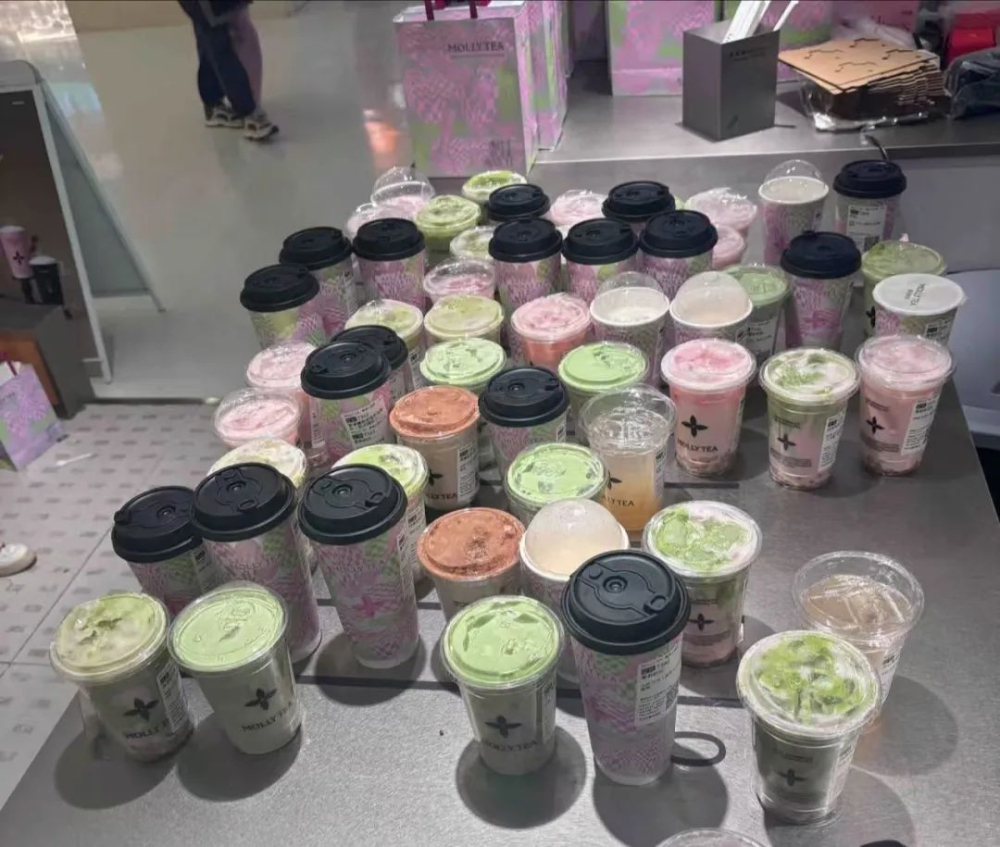
These high-quality, photogenic drinks made with real ingredients, combined with the traffic boost from the holiday limited-edition campaign, quickly won the hearts of guava lovers. Customers kept coming to try them, the receipt printers in stores never stopped churning out orders, and the pickup counter was covered with pink limited-edition drinks.
The guava series winning consumers' favor is naturally good news for the brand and its stores, but for the frontline staff preparing ingredients in the back room, looking at the mountain of orders piling up on the counter, only one thought remains in their heads—they wish the brand would hurry up and discontinue the new products.
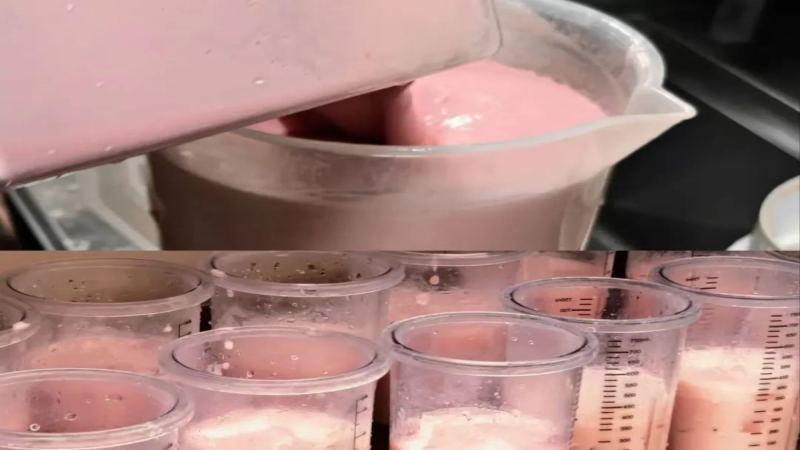
According to staff, the guava specialty fruit milk used in the two new products is made daily by juicing fresh guavas delivered to the store, then mixing the juice with milk and other ingredients according to the recipe ratio. To ensure the fruit milk's mouthfeel when consumed, before feeding the flesh into the machine for juicing, they must first peel and deseed the guavas to reduce the residual pulp in the juice.
However, anyone who has eaten guava knows that when not fully ripe, the flesh is on the hard side—crisp when bitten, but quite a chore to chew for those with weak teeth. So scooping out the core and seeds from tough guava flesh with a stainless steel spoon is understandably difficult. Many staff report that with guava drinks selling so well lately, they have to process several boxes of guavas every day just to squeeze out enough guava fruit milk to keep up with orders.
If all the fruit delivered to the store were ripe and soft, handling it would be relatively easy. But the reality is that most of what they get is unripe guava, making the process of coring and deseeding especially painful—"my hands are cramping from doing this," "scooping seeds could break your hands." Some employees helplessly say they've "already developed carpal tunnel syndrome," saying frankly that handling fresh guavas every day is too hard on the hands.
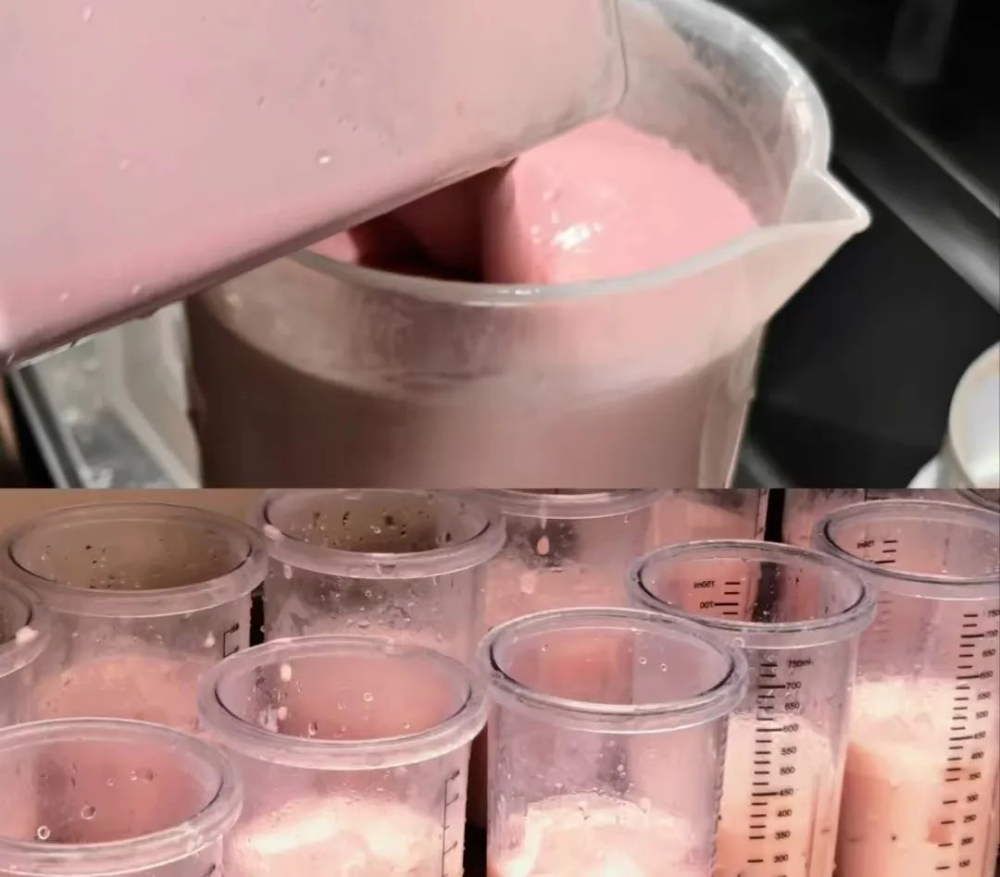
To make deseeding easier, staff have racked their brains to ripen the guavas in-store—sealing them in plastic bags, leaving them overnight with fruits like bananas, and so on—to soften the fruit delivered to the store as quickly as possible.
However, although these methods can slightly soften guava flesh as hard as stone and make coring and deseeding a bit smoother, for stores receiving large numbers of new-product orders every day, guavas ripened through external methods still fall short of demand. Employees still have to battle the rock-hard guava flesh amid the chime of order-rush notifications.
Jasmine Naibai staff who have been dealing with red guavas ever since the brand promoted the new products are exhausted from days of preparation work. Watching the Heytea staff next door toss guavas—skin, seeds and all—straight into the smoothie blender, they can't help feeling a bit envious.
But upon learning that the juice made without peeling or deseeding still needs to be manually pressed through filter bags, the Jasmine Naibai employees' envy instantly evaporated. They say frankly that the brand simply discontinuing the new products would be the best solution to their troubles.
Image source: Xiaohongshu
Disclaimer: Some images in this article are from the internet. For content on the website such as images, we respect the original creators' copyright and will credit the source. However, due to the large volume, a few images and texts may not have been credited in time; please forgive us. If the original creators have any disputes, they may contact the website for handling. Once verified, we will promptly correct it. Compiled and edited by "Coffee Workshop." Please indicate the source when reposting. If there is any infringement, please notify us for removal. Thank you~!
The above content is compiled by CoffeeHunters, a coffee news website.


