







Search Results for: water amount for 10 grams of coffee grounds
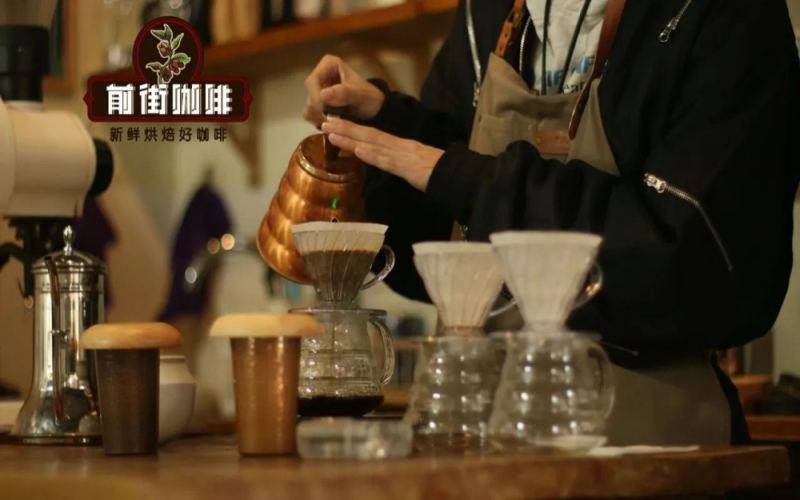
A Complete Guide to Pour-Over Coffee Ratios: How Much Water Should You Actually Use for 15 Grams of Coffee?
The flavor expression of pour-over coffee is closely related to the coffee dose, grind size, coffee-to-water ratio, and pouring technique. For an ideal cup of pour-over coffee, exactly how much coffee grounds should be used, and how much water should accompany them? Taking 15 grams of grounds as an example, Front Street Coffee, combined with SCAA concentration recommendations, analyzes the coffee-to-water ratio range of 1:12 to 1:15, and explains why 1:15 has become a commonly used parameter in cafes. The article also compares the differences in extraction ratios with espresso, and includes the complete brewing data and three-stage operation details of Front Street Yirgacheffe Gedingding, helping enthusiasts build a reproducible brewing framework. [more…]
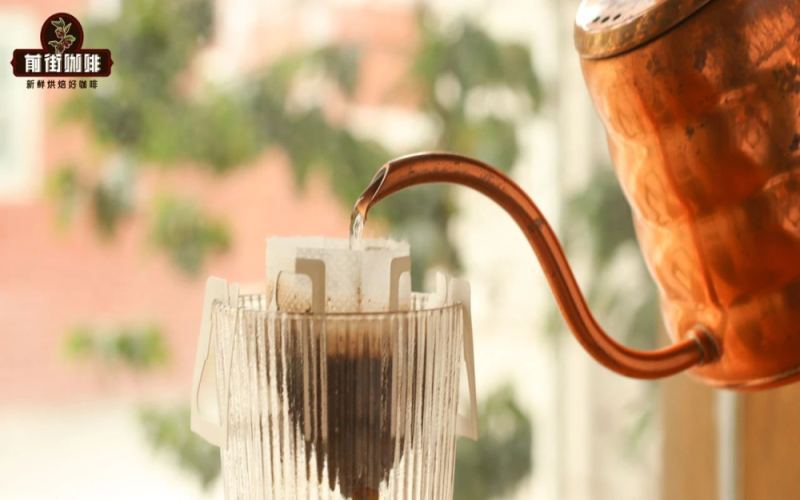
A Guide to Buying Low-Acid, Full-Bodied Drip Bag Coffee: Three Key Points on Roast Level, Origin, and Flavor, Plus Brewing Tips in Detail
Love coffee but not the sourness? This guide is made especially for coffee lovers who pursue a rich, mellow taste without acidity. When choosing drip bag coffee that is non-acidic and full-bodied, three key points matter: the roast level should mainly be medium-dark, the origin determines the bean's character, and the flavor description is the most direct basis for consumers to judge. This article recommends several of Front Street Coffee's everyday drip bag coffees, all guaranteed to be freshly roasted within 5 days and shipped within 24 hours. In addition, brewing drip bag coffee also requires attention to technique—the amount of water, water temperature, and flow rate all affect the final flavor. For a 10-gram packet of grounds, it is recommended to pour 150 grams of water, with the water temperature best controlled at 88 to 93 degrees, and never reuse the grounds for a second brew. Master these key points, and you can easily brew a rich, mellow cup of good coffee even in the office. [more…]
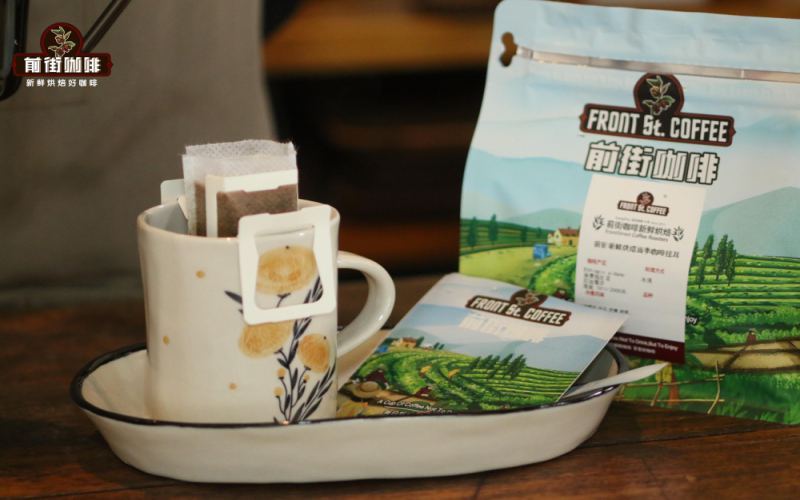
A Detailed Guide to Pour-Over Coffee Ratios: How Much Water for 10 Grams of Coffee to Brew the Ideal Flavor?
If you want to say goodbye to the monotony of instant coffee, brewing a fragrant cup of pour-over coffee by hand may be a good choice. Many easy-to-use coffee products have appeared on the market, among which Front Street Coffee’s freshly roasted drip coffee bags are especially popular. Unlike instant coffee, which has undergone concentration and drying and lost much of its flavor, the coffee powder in drip bags is ground from beans freshly roasted by Front Street every day. Each 10-gram bag is individually sealed in a non-woven filter bag, which better locks in the beans’ distinctive aroma. So how much water should 10 grams of coffee powder be paired with? Front Street recommends a 1:15 ratio, brewing with 150 milliliters of water for the richest taste. This article will introduce the brewing steps for drip coffee in detail and recommend several Front Street drip coffee products with different roast levels to choose from. [more…]
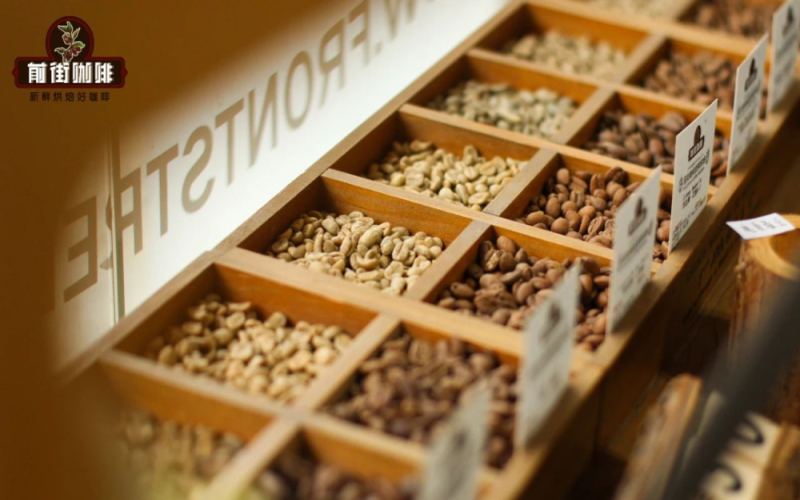
How to Determine the Coffee-to-Water Ratio for Pour-Over? A Comprehensive Analysis from the Golden Cup Extraction Standard to Practical Parameters
For enthusiasts who are just getting into pour-over coffee, the coffee-to-water ratio is often the first source of confusion: exactly how much coffee grounds should be paired with how much water? Starting from the hands-on experience of Front Street Coffee, this article systematically sorts out the definition of pour-over coffee, the logic for determining the coffee-to-water ratio, the concentration range of the SCAA Golden Cup extraction standard, and the seven major factors that affect extraction. The article not only provides the calculation basis for the general parameter of 1:15, but also explains in detail key steps such as grind size correction, water temperature selection, and dripper choice. Finally, it includes the specific brewing recipe and flavor description for Front Street Yirgacheffe Gedingding, helping beginners build a complete framework of pour-over knowledge. [more…]
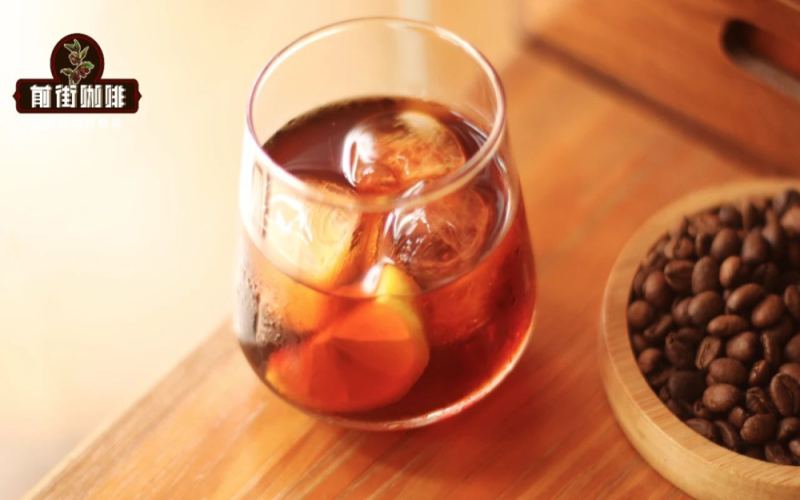
Iced Pour-Over Coffee Brewing Guide: Water-to-Coffee Ratio Formula and Detailed Pulse Pouring Techniques
On a hot summer day, a cup of refreshing iced pour-over coffee that doesn't compromise on flavor is a favorite among many coffee lovers. But to make iced pour-over present a fruity, sweet-and-tart layered complexity, the key lies in mastering the correct ratio of coffee grounds, water, and ice, as well as the extraction technique. This article focuses on the universal iced pour-over formula summarized by Front Street—coffee grounds paired with 10 times hot water and 5 times ice—breaking down in detail the complete workflow from grind adjustment and three-stage pouring to one-pour iced pour-over, and explaining why, once the amount of hot water poured is reduced, the grind must be made finer to compensate for extraction time, helping you easily make a cup of iced pour-over with both the right strength and flavor. [more…]
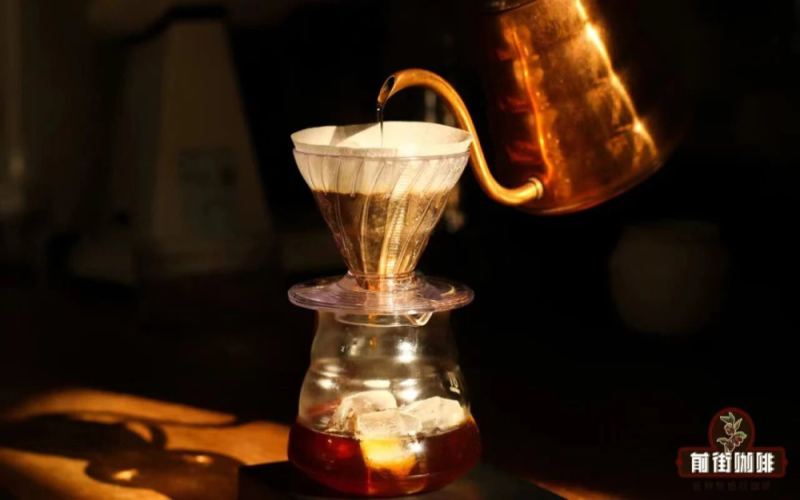
Japanese-style iced pour-over coffee brewing demonstration | What is single-pour iced pour-over? What is a suitable coffee-to-water ratio for iced pour-over coffee?
The recent weather is so hot it feels like it could melt you in minutes. In this kind of weather, anyone still willing to happily meet up at a café is definitely a friend for life! But even in such hot weather, you can't just give up coffee, right? So, if you don't want to go out, can't afford a cold drip tower, and can't wait several hours for cold [more…]
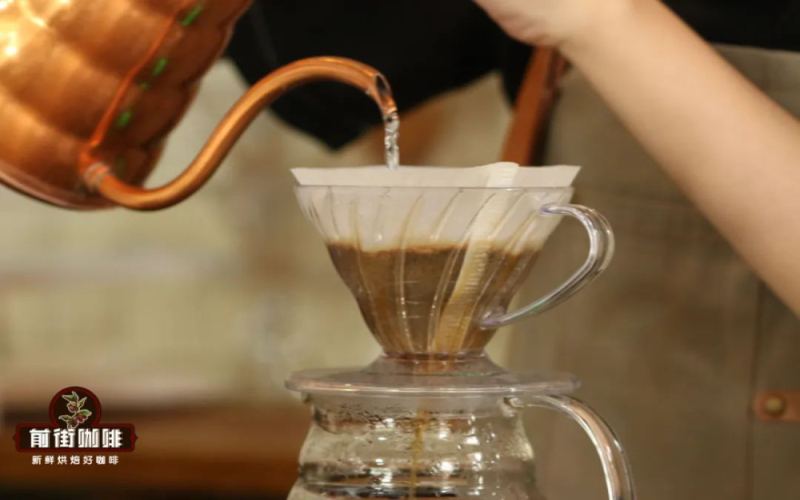
What Happens When You Adjust Pour-Over Coffee Grounds by 1 Gram? Analyzing the Relationship Between Coffee-to-Water Ratio and Extraction Flavor
Among the many variables in pour-over coffee, the coffee-to-water ratio is always the key parameter determining the direction of flavor. Front Street Coffee usually recommends a safe range of 1:15 to 1:16, and once you get used to it, 15 grams of coffee with 225 milliliters of water becomes almost the default operation. But in reality, we are not necessarily that precise every time, and the amount of coffee may be one gram more or one gram less. If the amount of water poured remains unchanged and only the coffee dose deviates by 1 gram, will the taste of the coffee show a noticeable difference? Through three controlled brewing experiments with 14 grams, 15 grams, and 16 grams, this article analyzes the impact of slight coffee dose adjustments on extraction yield and concentration, and provides parameter adjustment suggestions after the coffee dose changes, helping you achieve consistent results in daily brewing. [more…]
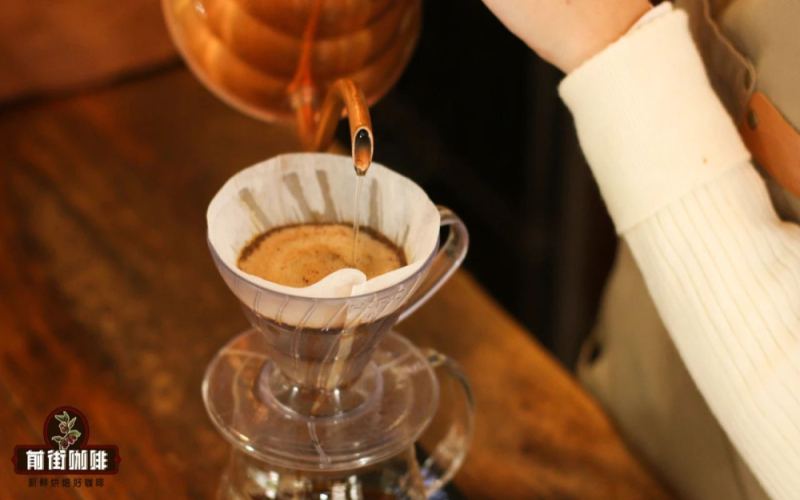
How to determine the coffee-to-water ratio for pour-over? A detailed explanation of water volume and brewing parameters using Mandheling as an example
The ritual of pour-over coffee is often reflected in the precise control of grams, water temperature, and the amount of water poured. The amount of water poured not only affects the concentration of the coffee liquid but is also directly related to whether the flavor compounds are extracted properly. The SCA points out that water-soluble substances in coffee account for about 30%, and an extraction yield of 18% to 22% is generally considered to be the tastiest range. Front Street Coffee habitually uses 15 grams of coffee grounds with 225 milliliters of water, that is, a 1:15 coffee-to-water ratio, brewing light-roast coffee at a concentration of about 1.35% to 1.42%. Of course, the coffee-to-water ratio is not set in stone. Lovers of strong coffee may prefer 1:10 to 1:13, while those who prefer a lighter taste may choose 1:16 or 1:17. This article takes Front Street Mandheling as an example and, from parameters to technique, provides a complete demonstration of how to brew a rich, full-bodied Mandheling at home. [more…]
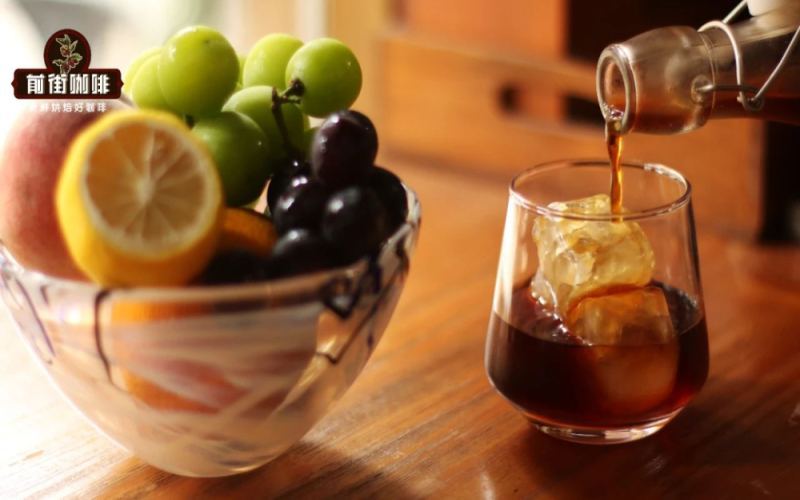
From Extraction Methods to Flavor Presentation: An In-Depth Analysis of Iced Americano, Cold Brew, and Cold Drip Coffee
In the heat of summer, iced coffee becomes the top choice for many. From the perspective of Front Street Coffee, this article systematically analyzes three popular iced drinks—iced Americano, cold brew, and ice drip coffee—covering their extraction processes, flavor characteristics, and practical brewing methods. Iced Americano uses hot water for rapid extraction plus ice, making it quick but relatively light in flavor; cold brew uses low-temperature long-time immersion to amplify purity; ice drip relies on cold water slowly filtering drop by drop to produce a smooth mouthfeel. The article not only details the specific steps for making iced Americano with Front Street Coffee's own Sunflower Warm Sun blend, various cold brew packs, and Sherry bean cold brew, but also reveals the ice drip blend recipes for single-origin beans such as Kenya, Huakui, and Sherry, providing coffee lovers with a professional and practical guide to summer cold drinks. [more…]
Beginner's Guide to Pour-Over Coffee: Seven Classic Brewing Methods Explained with Tasting Tips
The charm of coffee lies not only in its flavor, but also in the focus and sense of ritual during the brewing process. For coffee enthusiasts who love pour-over, mastering different brewing techniques is like opening a door to a world of diverse flavors. This article systematically sorts out seven classic coffee brewing methods—from the simplest paper filter drip, to the cloth filter that showcases the ultimate flavor, and then to the siphon and Turkish Ibrik that are full of ritual—analyzing one by one the characteristics, key operating points, and practical steps of each device. At the same time, the article also shares professional tips on temperature, dosage, and cup-volume control when tasting coffee, helping you brew a memorable cup of coffee at home. Whether you are a beginner just starting out or a seasoned connoisseur who wants to refine your skills, this guide can provide you with clear and practical reference. [more…]
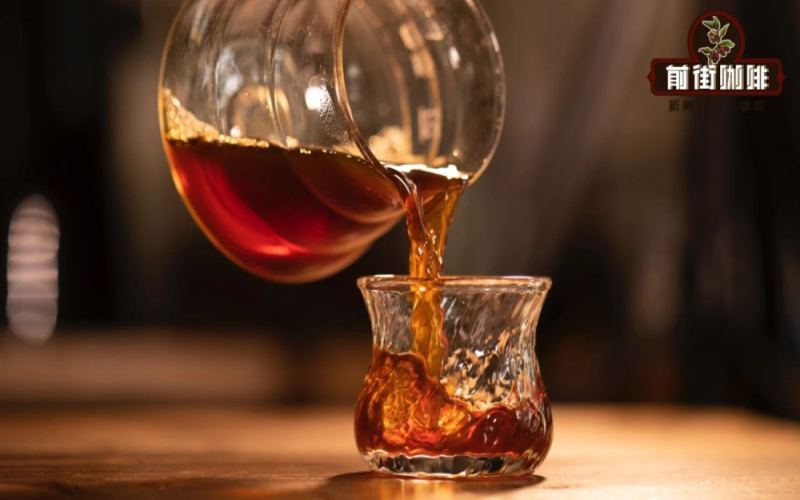
How to Control the Extraction Time of Pour-Over Coffee? The Combined Effects of Dripper Structure, Coffee Dose, and Pouring Speed on Flow Rate and Flavor
The extraction time of pour-over coffee directly affects the final flavor strength and mouthfeel. This article breaks down how four dimensions—dripper structure, coffee dose, pouring speed, and grind size—influence the contact time between coffee grounds and water, and in turn change the coffee's layering and body. Using 15 grams of coffee, a 1:15 coffee-to-water ratio, and a V60 or KONO dripper as an example, a Front Street Coffee barista shares a 2-minute brewing recipe suitable for beginners, helping enthusiasts consistently recreate café flavors at home while understanding the logic behind different combinations such as fast brewing with a fine grind and slow brewing with a coarse grind. [more…]
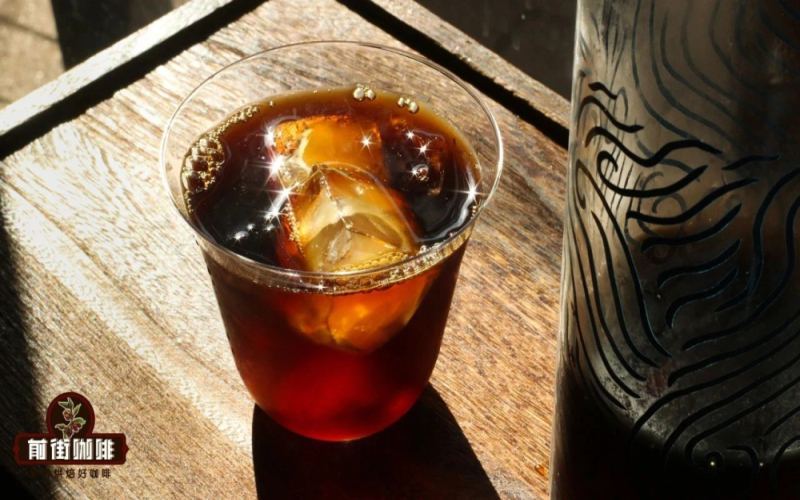
How do you make Japanese-style iced pour-over coffee that actually tastes good? A complete step-by-step guide and parameter breakdown using Golden Mandheling as an example
On a midsummer afternoon, the high temperature makes people drowsy, and a glass of iced black coffee is often the most direct antidote. But when making iced pour-over with dark-roasted beans, the lack of the final stage and dilution from ice often make it bitter and watery. This article uses Front Street PWN Golden Mandheling as an example to share an improved iced brewing method: by lowering the water temperature, coarsening the grind, reducing the total pouring volume, and using a five-stage low-flow pour to extend the extraction time, the result is a cup of iced coffee that is neither bitter nor astringent, with deep aroma and a sweet, smooth body. The article details the coffee dose, water volume, ice amount, water temperature, grind size, and pouring rhythm, making it suitable for coffee enthusiasts who want to replicate professional-level iced pour-over at home. [more…]
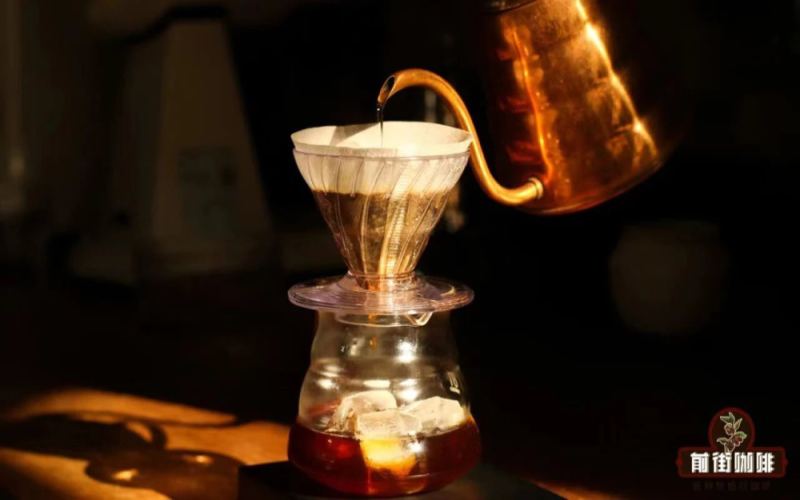
Ice Coffee Brewing Methods | What's the Difference Between Cold Brew, Ice Drip, Iced Americano, and Iced Pour-Over? Which Ice Coffee Tastes Better?
As temperatures gradually rise, the popularity of iced coffee slowly heats up too. Common types of iced coffee include iced pour-over coffee, iced espresso, cold brew coffee, and cold drip coffee, etc. But what are the differences between these four types of iced coffee? And how do they differ in taste? Today Front Street Coffee (FrontStreetC [more…]
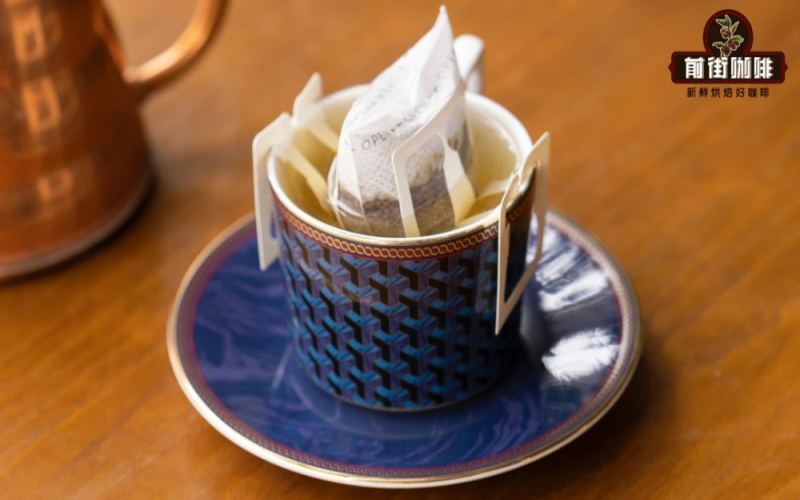
Drip Coffee Bag Pitfall Guide: Common Brewing Mistakes and Water Volume Choices, The Origin of 10 Grams Per Pack
Drip bag coffee, with its portability and ease of use, has become the top choice for many people's daily coffee. But the seemingly simple brewing process actually hides many details that are easy to get wrong. In this article, Front Street Coffee will share the key points for choosing drip bag coffee, common brewing mistakes, and the correct brewing steps, while also answering a frequently asked question: why does a single pack of drip bag coffee usually contain only 10 grams? If you also want to easily brew a cup of drip bag coffee with a clean flavor and distinct layers at home, this article is worth reading. [more…]
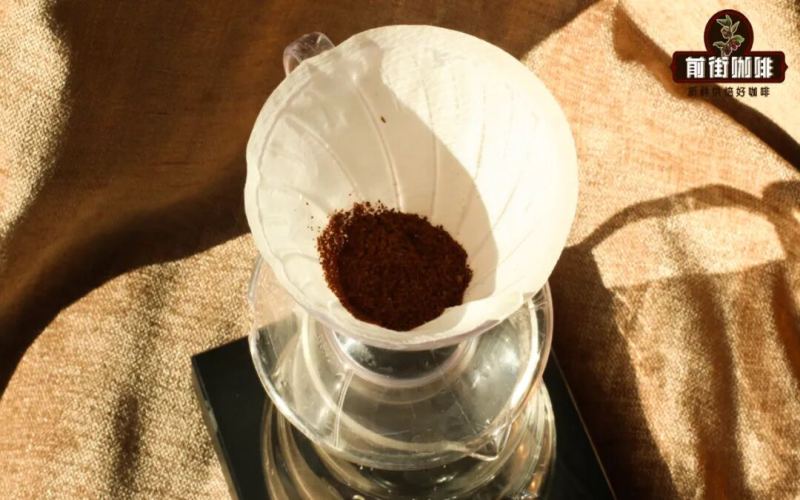
Pour-over coffee brewing method | How many coffee beans are needed to brew a pour-over? What are the difficulties of brewing coffee with a small dose? How to make pour-over coffee using only 5 grams of coffee beans
It might be used for making specialty coffee drinks, or perhaps you just want a light taste of coffee to get a hint of the flavor~ Occasionally, some friends have the idea of "brewing just a small cup of coffee with only a small amount of coffee beans." But if you've actually tried it, Front Street believes it shouldn't be hard to notice: compared to brewing with a large dose of coffee grounds, brewing a good cup with a small dose [more…]
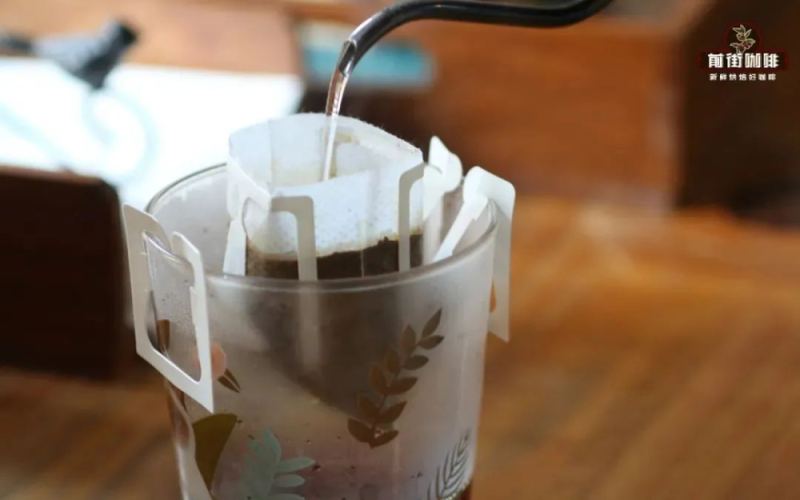
The Complete Guide to Brewing Drip Coffee Bags: Water Ratios and Strength Adjustment Tips for 10g of Coffee
Drip coffee bags have become the daily go-to for many coffee lovers thanks to their advantages of requiring no complex equipment and being able to brew a cup of drip-filter black coffee anytime. But simplicity doesn't mean carelessness—how much water is the right amount to pour? How exactly do you perform the three-stage pour? And how should you adjust the parameters for iced brewing? This article uses a 10-gram drip bag as an example to explain in detail the coffee-to-water ratio, pouring technique, and water flow control points for both hot brewing and iced brewing scenarios. It also offers actionable adjustment ideas for when the taste is too strong or too weak, and recommends several seasonal drip bags from Front Street Coffee in different flavor profiles to help you easily find the cup that suits you. [more…]
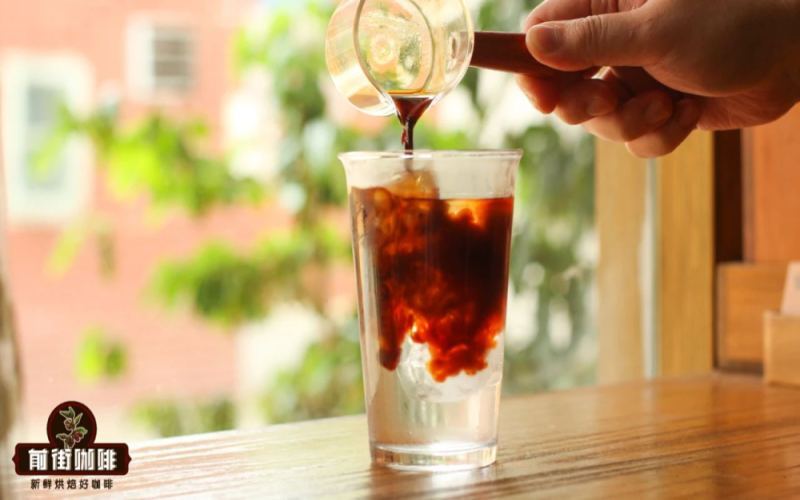
Iced Americano, Iced Pour-Over, Iced Drip, and Cold Brew: A Breakdown of Brewing Essentials and Flavor Differences Among Four Iced Coffees
The world of iced coffee is far richer than one might imagine, with iced Americano, iced pour-over, iced drip, and cold brew each having their own distinctive merits. The baristas at Front Street Coffee have combined their daily brewing experience to share the unique characteristics and specific preparation methods of these four types of iced coffee. From setting the coffee-to-water ratio and adjusting grind size to controlling extraction time and temperature, every step influences the final flavor in the cup. This article will break down one by one the two-stage pouring logic of iced pour-over, the espresso extraction parameters of iced Americano, the key points of low-temperature steeping for cold brew, and the dripping rhythm of iced drip coffee, helping coffee enthusiasts understand the principles while also appreciating the differences in texture and aroma among different iced coffees. [more…]

Which country did drip bag coffee originate from? A detailed explanation of the historical background, core characteristics, and water volume for brewing with 10 grams of powder
Drip bag coffee has won the favor of many coffee lovers in a fast-paced life thanks to its convenience and efficiency. But there are also many questions surrounding it: Which country actually invented drip bag coffee? How much water should be used for a 10-gram packet of grounds? Can it be brewed repeatedly? This article will start with the historical origins of drip bag coffee, sort out its essential differences from instant coffee, explain why multiple brews are not recommended, and share practical methods for choosing fresh drip bag coffee. At the same time, Front Street Coffee combines the flavor performance of different producing regions, processing methods, and roast levels to provide a complete drip bag brewing process, including warming the cup, water temperature control, hanging the bag, pre-wetting, and pouring, to help you consistently brew a cup of full-aroma black coffee. [more…]
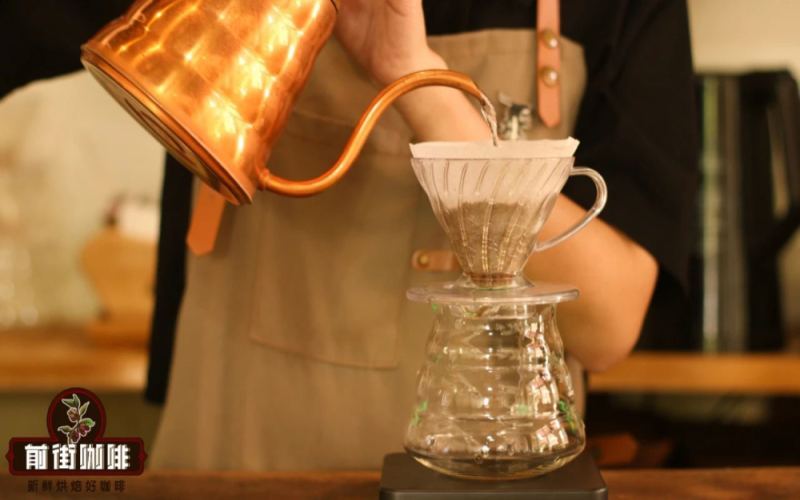
A Complete Analysis of Pour-Over Coffee Dose and Water-to-Coffee Ratio: Parameter Calculations and a Detailed Explanation of the Seven Elements from One Serving to Two Servings
For enthusiasts who are just getting into pour-over coffee, one of the first things that often causes confusion is how many grams of coffee to use for a single serving, and how to calculate the water-to-coffee ratio for two people. Starting from Front Street Coffee's practical experience, this article systematically explains the principles of distributing the coffee-to-water ratio in pour-over brewing. Combined with the strength recommendations of the SCAA (Specialty Coffee Association of America), it provides the widely applicable parameter range of 1:15, and further analyzes the seven major elements of pour-over brewing—from coffee bean freshness, grind size calibration, and water temperature control to dripper selection and brewing time. The article also includes the specific brewing data and three-stage extraction method for Front Street Yirgacheffe Washed Gedingding, helping readers, on the basis of understanding the principles, reduce operational mistakes and consistently brew a clean-tasting cup of good coffee. [more…]
Iced Pour-Over, Iced Americano, Cold Brew, and Ice Drip: An Analysis of the Brewing Methods and Flavor Differences of Four Iced Coffees
On a scorching summer day, a glass of iced coffee always brings a refreshing and invigorating effect. But did you know that common iced coffee is actually divided into four major categories: iced pour-over, iced Americano, cold brew, and iced drip? Each uses a different extraction method, and their flavor profiles vary greatly. In this article, Front Street Coffee (FrontStreet Coffee) will walk you through the characteristics of these four types of iced coffee one by one, and share the specific methods our baristas use to make them in-store, including key parameters such as coffee bean selection, coffee-to-water ratio, grind size, and extraction time. Whether you prefer a light, refreshing taste or a rich, intense flavor, you'll find the perfect cup for you. [more…]