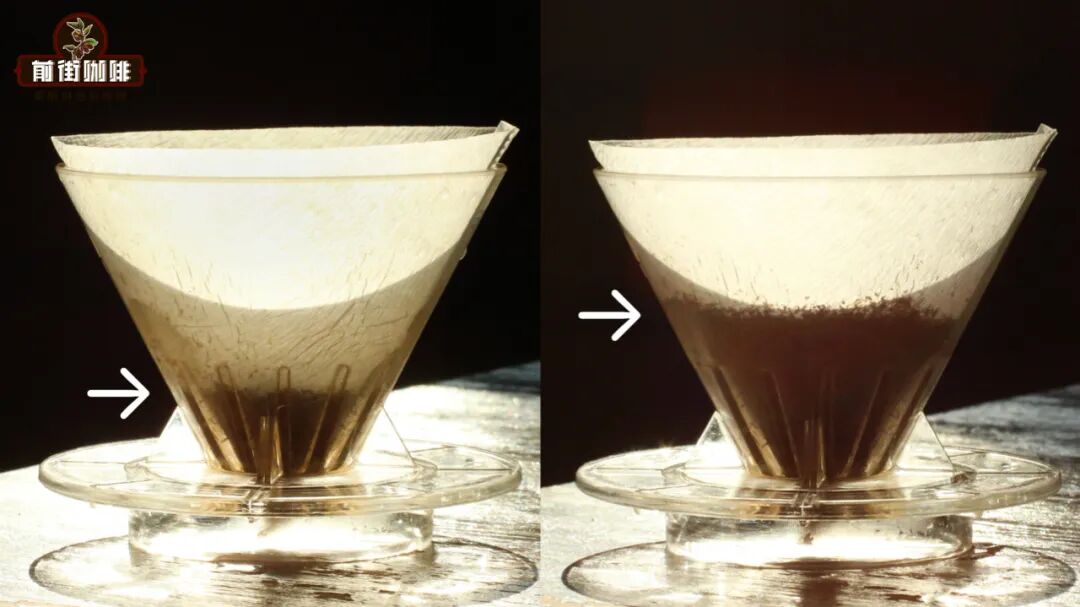
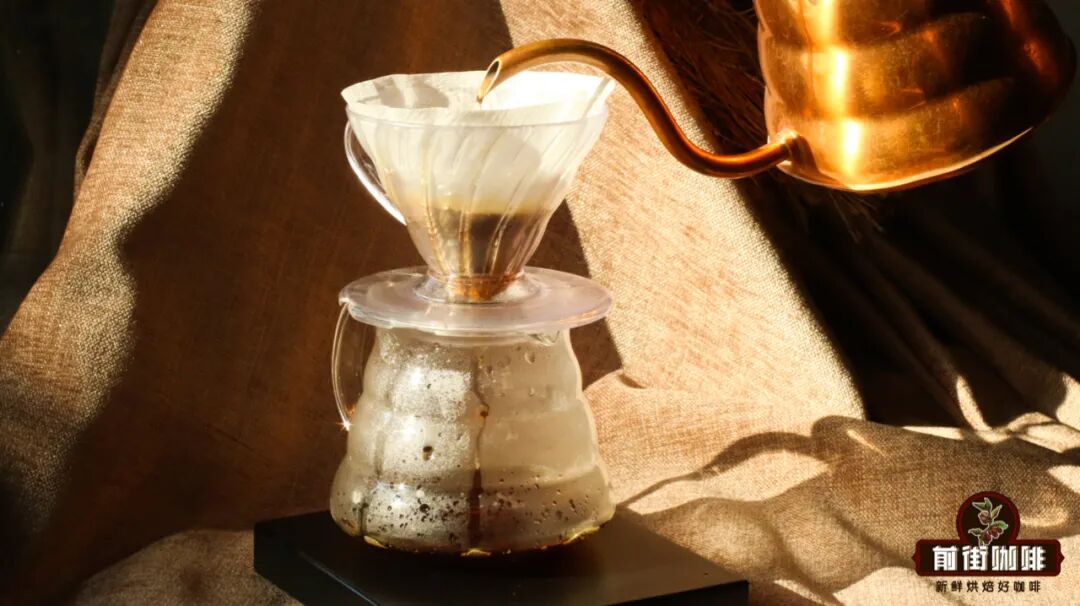
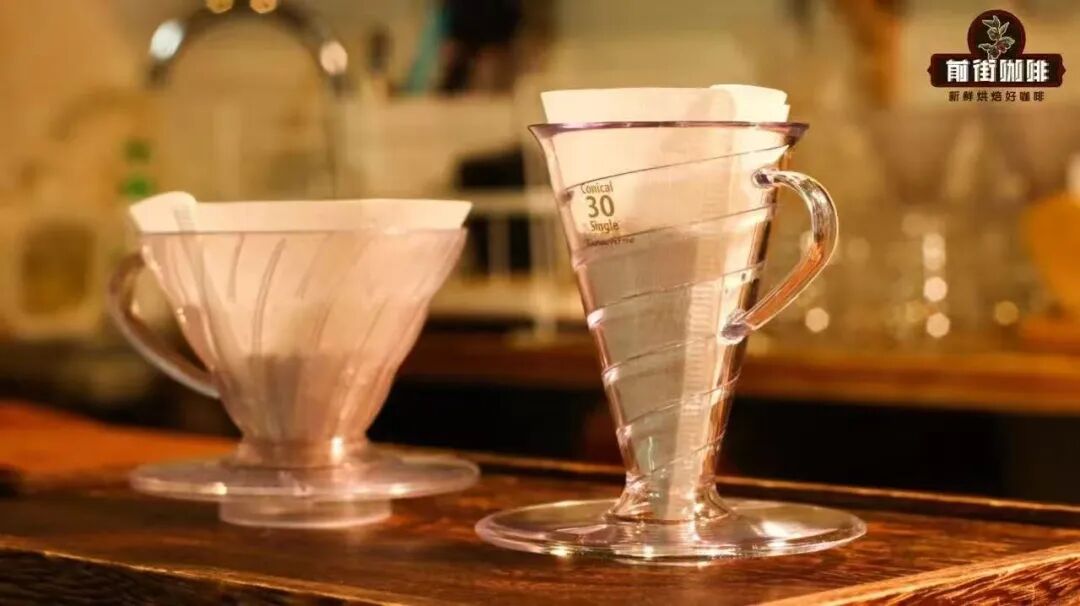
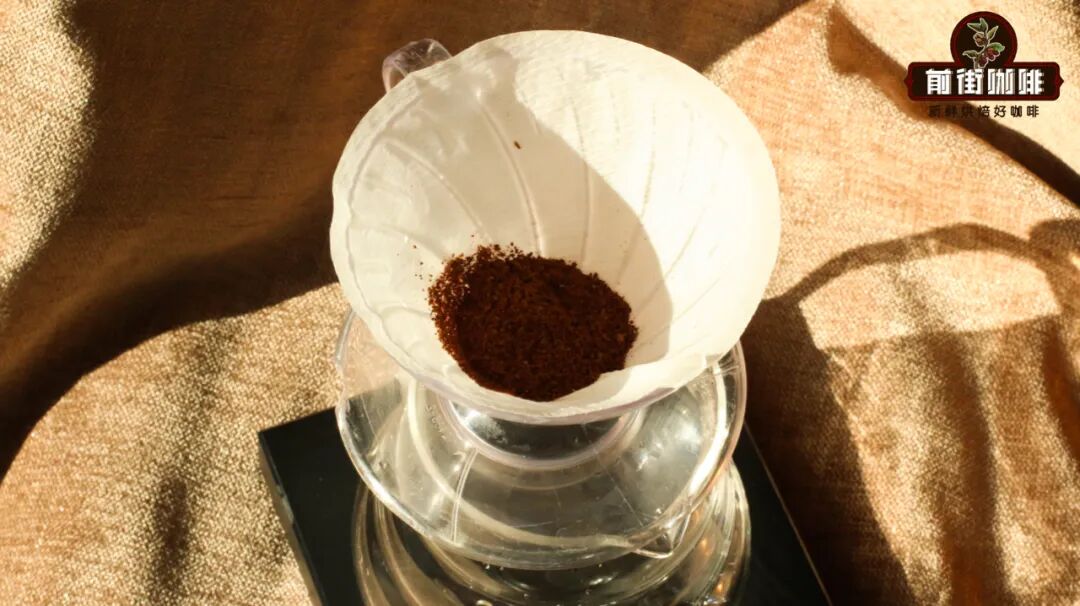
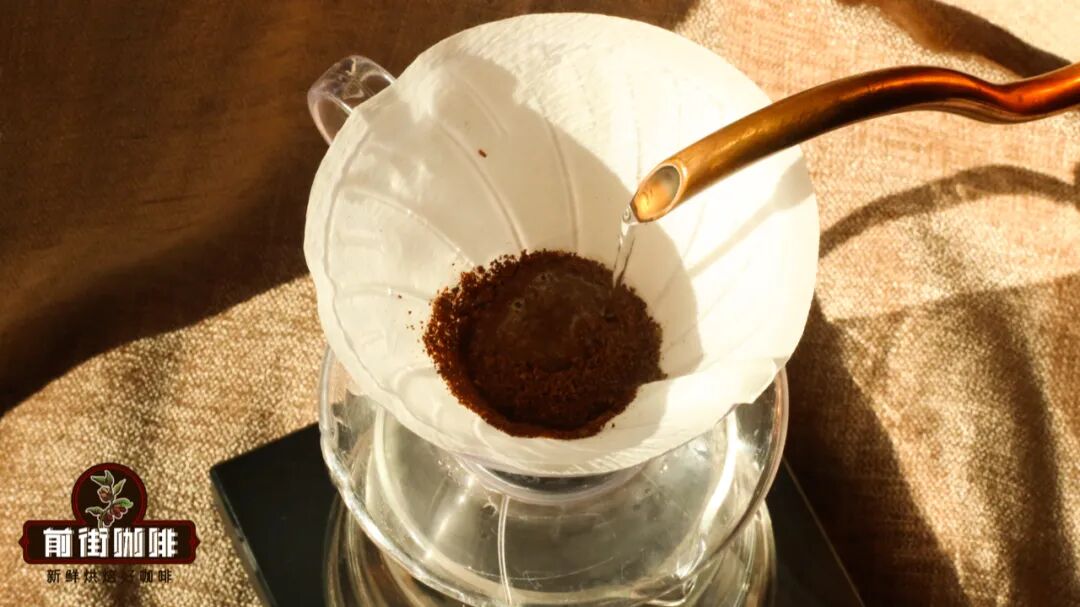
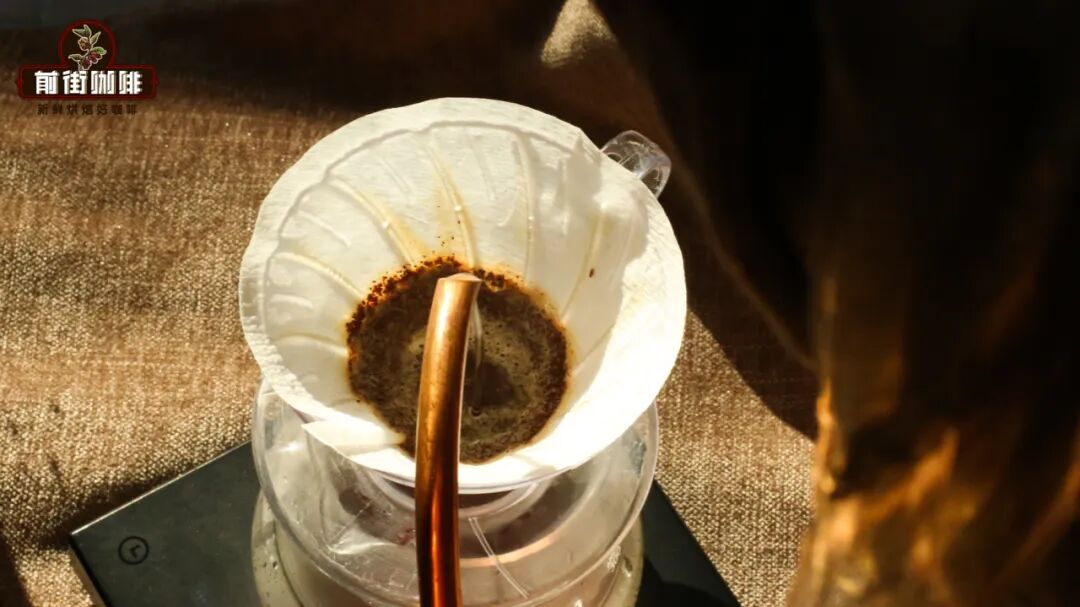
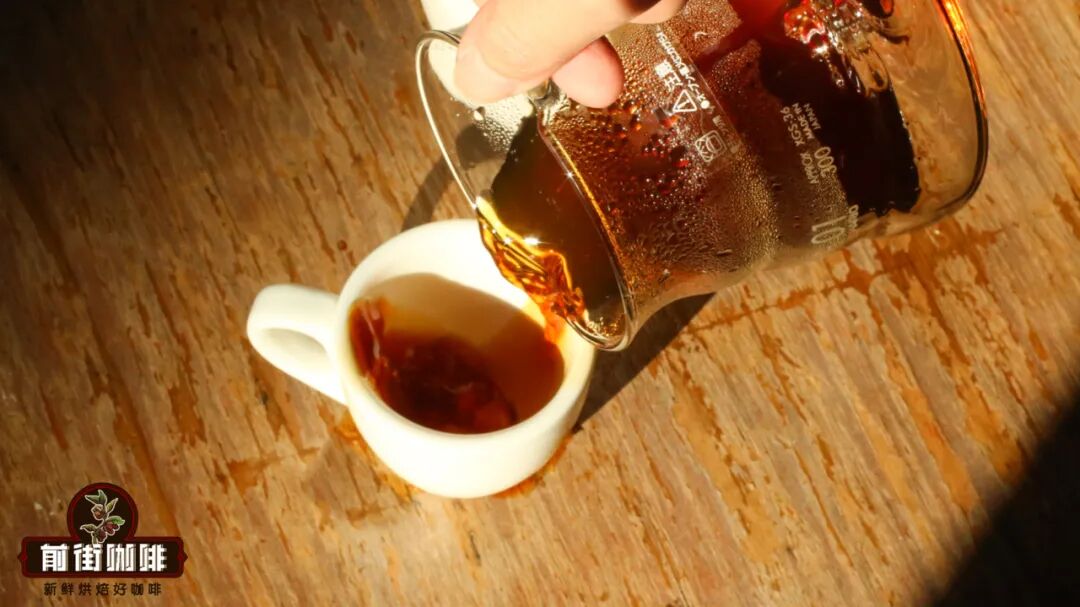
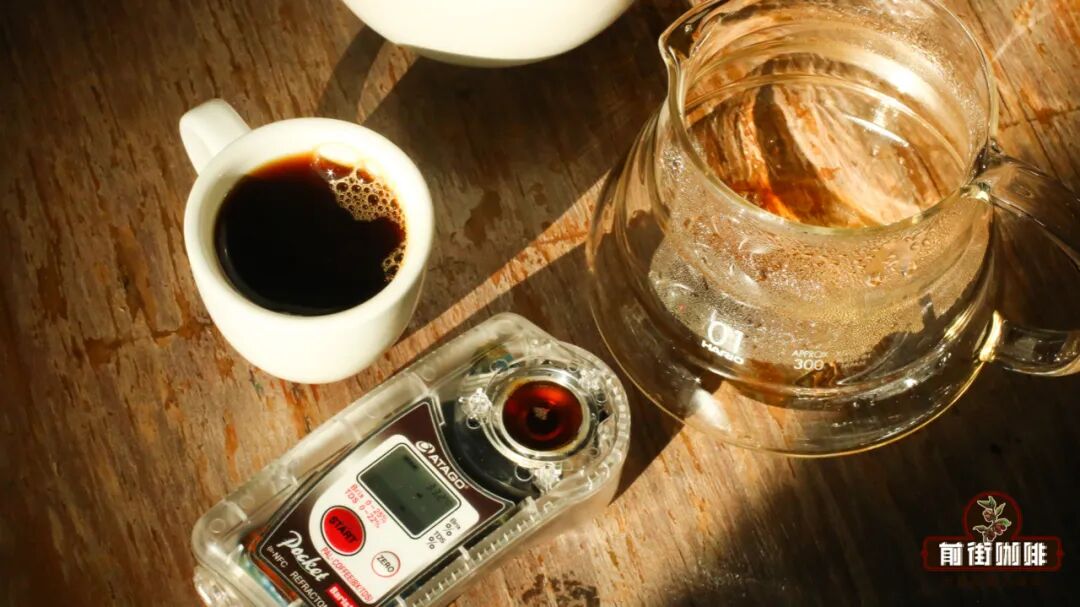
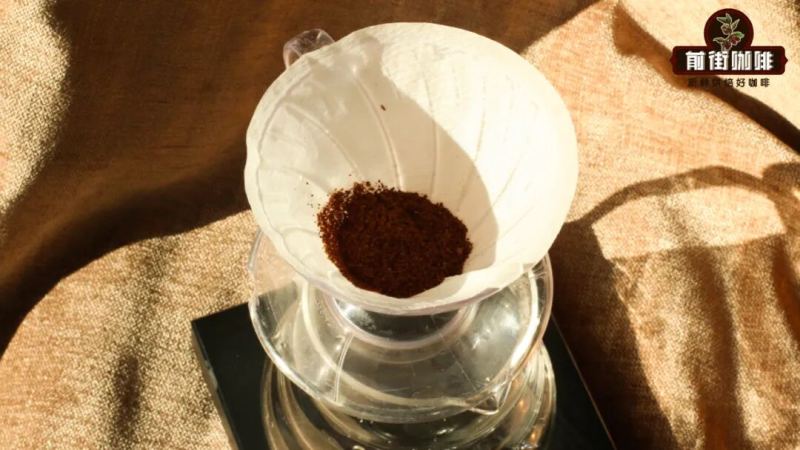
It might be used for making specialty coffee, or perhaps you just want a quick taste of coffee~ Occasionally, some friends have the idea of "brewing a small cup of coffee with just a small amount of coffee beans."But if you've actually tried it, Front Street believes it shouldn't be hard to notice: compared to brewing with a large dose, brewing a good cup with a small dose is obviously much more difficult.These past couple of days, a friend gave feedback to Front Street, saying he tried making coffee with only 5g of coffee beans, but no matter how he brewed it, it just wouldn't taste good! Both the mouthfeel and the flavor were vastly different from coffee brewed with a regular dose.The reason why small-dose coffee is so hard to brew is mainly because the dose is too small, which adds many unexpected difficulties to our brewing.What are the difficulties of brewing with a small dose?In a previous article, Front Street mentioned that different models of drippers have their own most suitable doses. For example, the 01 model V60 dripper is more suitable for brewing 10–20g of coffee grounds, while the 02 model is for 20–30g.This doesn't mean they can't brew other doses, only that when we brew with these doses, it's easier to make a good cup of coffee. Why?First, because these doses can build a coffee bed of just the right thickness in the dripper! The thickness of the coffee bed affects how much coffee the hot water can contact. The thicker the coffee bed in the dripper, the more coffee the hot water contacts as it seeps down.With other parameters unchanged, the same amount of water will dissolve different amounts of substances depending on the thickness of the coffee bed. The thicker the coffee bed, the more flavor substances the hot water dissolves as it seeps down due to contacting more coffee, resulting in higher efficiency; the thinner the coffee bed, the less coffee the hot water contacts as it seeps down, so naturally not as much is dissolved, resulting in relatively lower efficiency.(5g of grounds on the left, 15g on the right)A coffee bed that's too thick or too thin will increase the difficulty of extraction, because a bed that's too thick easily causes the hot water to contact too much coffee and brew an over-extracted cup; a bed that's too thin easily causes the hot water to contact too little coffee and brew an under-extracted cup.So when Front Street mentioned the suitable dose for a dripper, it means these doses can build a coffee bed of just the right thickness in the dripper. And when we brew with doses outside these ranges, the difficulty of making a good cup of coffee will increase accordingly.Besides the thickness of the coffee bed, the amount of water also determines the difficulty of brewing. The more grounds used, the more water is needed; conversely, the fewer grounds, the less water. Assuming the pouring method stays the same, the amount of water affects the extraction time. The more water, the longer the pouring and seeping time; the less water, the shorter the pouring and seeping time.The reason many friends can't brew a good cup with a small dose is that there's too little water, causing all the water to be poured in an instant, and then because there isn't enough extraction time, the coffee ends up under-extracted. Add the coffee bed issue mentioned earlier, and that's why small-dose coffee is harder to brew well.But hard to brew doesn't mean impossible! We can certainly brew a pot of coffee just as delicious as one made with 15g using a small dose like 5g. Because we just need to properly adjust the extraction parameters or change our pouring approach, and we can brew a pot with the same extraction yield and concentration.(Or should I say a cup...)Water temperature, grind size, time, ratio, and flow rate are the five main factors determining the extraction efficiency of pour-over coffee. When coffee is under-extracted because one factor's extraction efficiency falls short, we just need to raise the extraction efficiency of the other parameters to compensate, and we can brew a cup with both suitable flavor and concentration.Here Front Street gives a simple example. Let's first quantify the extraction efficiency of these factors to make it more intuitive. Take water temperature and grind size: when we use 92°C water with a fine sugar grind, we can brew a cup with suitable extraction yield and concentration. Suppose each provides an extraction strength of "5," so their sum is "10." Only when we reach an extraction strength of 10 can we brew a good cup of coffee.But suppose one day, due to a moment of carelessness, we grind the coffee to coarse sugar granules, lowering the extraction strength provided by the grind to "3." If we want to brew an equally good pot with this grind, we can choose to raise the brewing water temperature to 94°C or 96°C, bringing the extraction strength provided by the water temperature to "7." Then combined with the grind's extraction strength, it's also "10," so naturally we can brew an equally delicious cup.Although in practice there will be some deviations from this example for various reasons, the idea is roughly like this. Alright, without further ado, next Front Street will share how to brew a delicious cup of coffee using 5g of grounds!If friends often need to brew small doses of coffee, then Front Street would recommend getting aV30 dripper. Because the V30 has a smaller angle, the same dose can build a thicker coffee bed inside it. And a thicker coffee bed not only lets the water extract more coffee but can also give the coffee more layers due to extraction differences.But since many friends only have a V60 or another dripper on hand, this brewing share by Front Street will still use a regular dripper. And the coffee beans used in this Front Street share are the Front Street Ethiopia·Huakui from our bean list. The parameters are as follows:Coffee-to-water ratio: 1:15Brewing water temperature: 92°CGrind size: 85% passing rate on a No. 20 sieve(When brewing with 15g, Front Street used a 75% passing rate)As you can see, Front Street only adjusted the grind size; all other parameters are the same as when brewing 15g. Why?Because Front Street uses multi-pour pulsing to stretch the time to 2 minutes, which avoids the problem of too little water leading to too short a time. But since the water allocated to each pour is reduced, we can't increase the extraction yield by disturbing the coffee bed, so we compensate for the missing agitation by grinding finer to make up the extraction efficiency.So first, we still use twice the weight of the grounds in water(10ml)to wet the coffee for blooming, lasting 30 seconds. Since the amount of water used is small(10ml), we need to reduce the flow rate and pour it slo~wly~After the bloom, we divide the remaining 65ml of hot water into 3–4 pours. Each pour uses a small flow rate, stopping when the water level is about to cover the coffee bed, then waiting for the hot water to fully seep through the dripper before pouring the next.Once all the target water has been poured, we just wait for the coffee liquid to finish dripping, then remove the dripper to end the extraction.(Poured out, it's exactly one cup's worth)Total time was 2 minutes 5 seconds, virtually the same as when brewing 15g, and the taste was the same too! This cup brewed with 5g not only has a very balanced flavor but also has very prominent flavor notes. Huakui's strawberry, citrus, cream, oolong tea and other aromas all come through well. And there were no negative flavors at all throughout.To be safe, Front Street also used arefractometerto measure the coffee's extraction yield. The final reading showed a concentration of 1.59% and an extraction yield of 21.90%, both just right.In summary, we can see that as long as the parameters and method are used properly, even 5g of grounds can brew a delicious cup of coffee. The 6g and 7g brewing methods Front Street shared before are the same approach. Very simple—everyone can try it themselves~ The above content is compiled by CoffeeHunters, a coffee news website.