





How does coffee bean processing shape drip bag coffee?
A drip bag is a simplified pour-over: fresh beans are ground, portioned into filter paper, and sealed. Because the powder is pre-ground, it stales faster than whole beans, so check the roast date. Most packs hold about 10 grams, which suits a single 150-180 ml cup and keeps the bag compact for travel.
Common mistakes include using water that is too hot, pouring everything at once, and leaving the bag soaking. Instead, use water around 90-93°C, pour in stages, and let it drip through. The roasting and grinding steps of the coffee bean process decide how clean and layered the final cup tastes.
Drip bag coffee, with its portability and ease of use, has become the top choice for many people's daily coffee. But the seemingly simple brewing process actually hides many pitfalls that are easy to fall into. In this article, Front Street Coffee will share around the key points of selecting drip bag coffee, common wrong brewing methods, and the correct brewing steps, while also answering a frequently asked question: why does a single pack of drip bag coffee usually contain only 10 grams? If you also hope to easily brew a cup of drip bag coffee with a clean flavor and distinct layers at home, this article is worth reading.
For more professional coffee knowledge exchange, please follow Front Street Coffee (FrontStreet Coffee)
With the rise of the third wave of specialty coffee, people's pursuit of coffee taste has been increasing, and flavor preferences have become more inclined to showcase the characteristics of the coffee-producing region itself, with pour-over coffee occupying the mainstream position. Drip bag coffee can be understood as a convenient version of pour-over coffee, and is deeply loved for being easy to carry and simple to operate. This article will discuss, from Front Street's perspective, several issues worth noting when choosing drip bag coffee.
What exactly is drip bag coffee?
Drip bag coffee is very closely related to pour-over coffee; in essence, it is a simplified version of pour-over coffee, and both are brewing methods with a low operational threshold. Drip bag coffee originated in Japan and gradually became more widely known with the spread of specialty coffee culture.
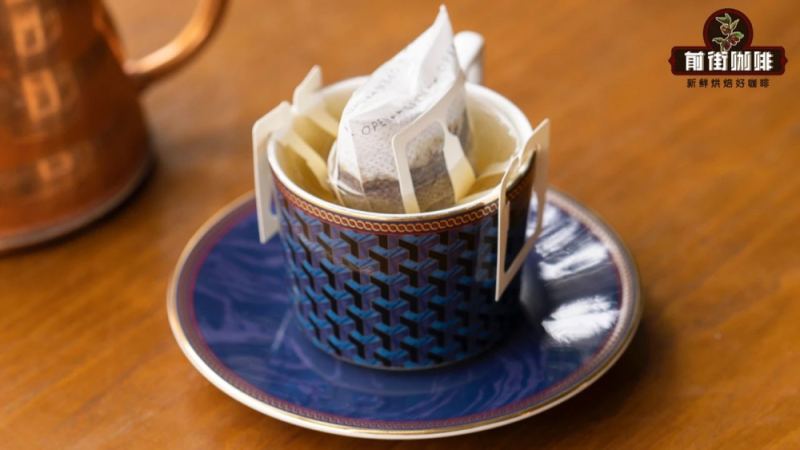
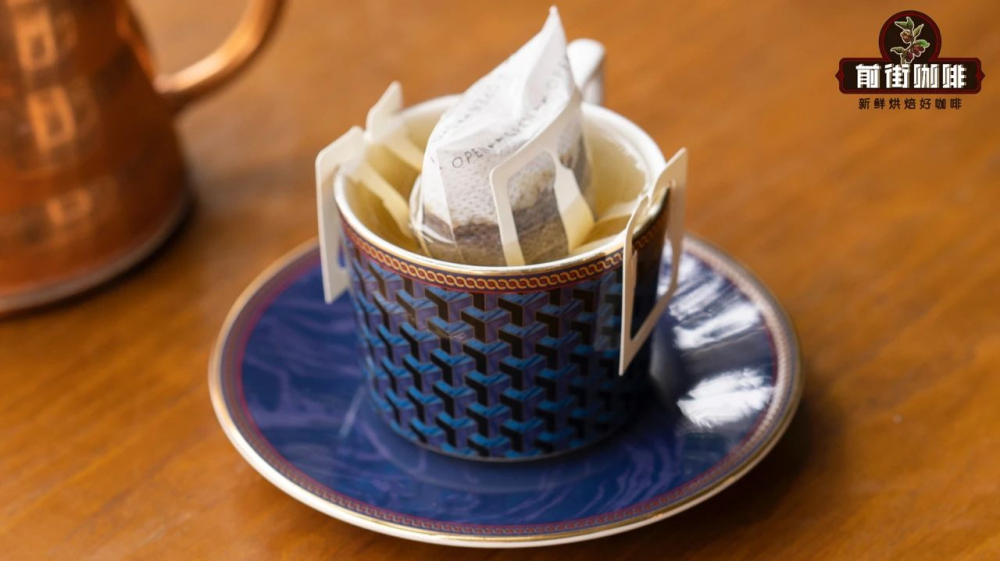
The reason Front Street calls drip bag coffee a simplified version of pour-over is that its production process is to first grind fresh coffee beans to the appropriate coarseness, then portion them into filter paper bags and seal them into individual small packs. The gram amount of coffee powder in each pack varies by brand. Taking Front Street Coffee (FrontStreet Coffee) as an example, its drip bag products are usually 10 grams per pack, making them convenient to carry.
What should be noted when selecting drip bag coffee?
As mentioned in a detail above by Front Street, the difference between drip bag coffee and pour-over coffee is that pour-over coffee is ground only before brewing, while commercially sold drip bags usually already have pre-ground powder, so their optimal enjoyment period is relatively shorter. Even if the coffee powder was just ground when packed, the flavor will gradually fade as storage time lengthens.
Therefore, when buying drip bag coffee, the production date is an important reference. Although the shelf life marked on the packaging may be as long as 6 to 18 months, this is only the period for safe drinking; what coffee really emphasizes is the optimal enjoyment period. The optimal enjoyment period of drip bag coffee is usually only about two weeks. Front Street suggests that when purchasing drip bag coffee, the amount should be just enough to drink within two weeks.
How should the common drip bag coffees on the market be selected?
The final flavor of drip bag coffee depends on the coffee beans used, so choosing the right beans means choosing the right flavor direction. So how can you pick a drip bag coffee that suits you? Below are some experiences summarized by Front Street Coffee.
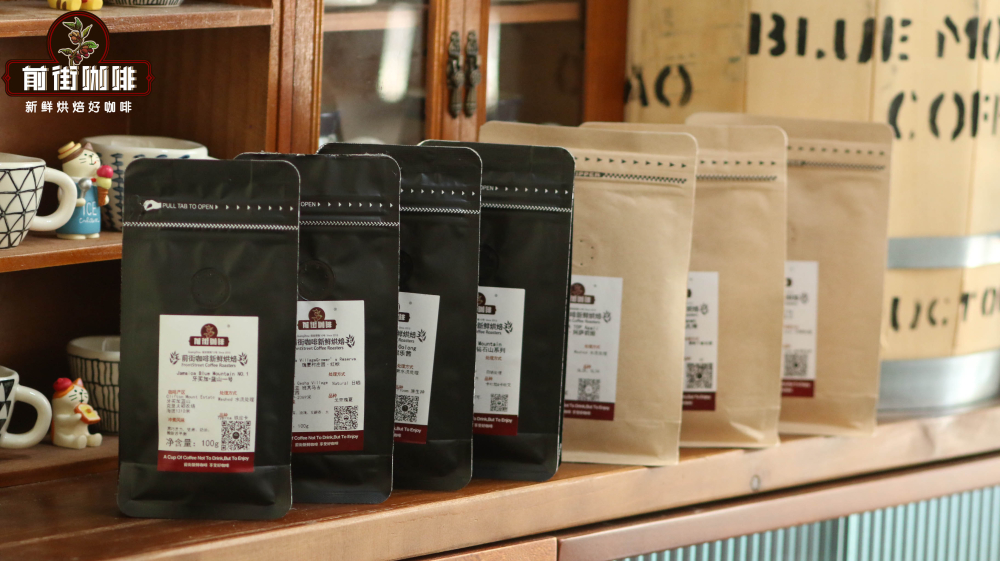
Pour-over coffee beans are broadly divided into two categories: single-origin beans and blended beans. Drip bag coffee beans can also be divided in this way. Single-origin refers to coffee beans from a single origin, usually named after the producing region, with the most representative examples including Front Street Yirgacheffe coffee beans, Front Street Blue Mountain coffee beans, and so on. Front Street drip bag coffee uses single-origin beans, and beginners can first try Front Street Mandheling drip bags, Front Street Strawberry Candy drip bags, and so on. Blended beans are coffee beans from multiple producing regions mixed together, presenting the desired flavor through blending.
Another little trick for choosing drip bag coffee is to look at the flavor description on the packaging. For example, words such as citrus, cream, and jasmine all indicate the flavor direction of that drip bag coffee. These are professional terms for coffee flavor and can serve as a reference when purchasing.
The third little trick is to pay attention to the coffee bean processing method. The most common processing methods for green beans are natural, washed, and honey. Washed coffee has the cleanest and brightest taste, natural processing enhances aroma and sweetness on the basis of washed processing, and honey processing has the highest sweetness. If you cannot decide among these three processing methods, Front Street suggests first considering washed coffee beans, because washed processing best reflects the original flavor of a producing region. Beginners may prioritize buying Front Street Fruit Ding Ding drip bags, Front Street Bird of Paradise drip bags, and Front Street Panama Geisha drip bags.
So, which ways of brewing drip bag coffee are wrong?
1. Brewing a whole mug full all at once
Front Street Coffee suggests controlling the water amount for drip bag coffee between 160cc and 200cc. Beyond this range, the coffee will not only become weaker, but also extract unpleasant flavors such as bitterness. If you want a lighter taste, you should stop at 160cc to 200cc, then separately add hot water to dilute it to the appropriate concentration.
2. Letting the coffee bag continue soaking in the cup after brewing
This can indeed make the coffee stronger, but it will also extract a large amount of caffeine and bitter substances.
3. Brewing the coffee bag like a tea bag
First pour hot water into a ceramic cup, then throw the coffee bag in. At this point the water temperature has already dropped significantly and is not enough to extract the deliciousness of the coffee. The 90°C water temperature suggested on the back of the packaging means letting 90°C hot water continuously pass through the coffee powder layer; only in this way can you brew delicious coffee.
4. Such a big pack, it would be too wasteful not to brew it three or four times

Drip bag coffee is only suitable for brewing once, at which point the coffee flavor obtained is the fullest. If it is repeatedly brewed more than twice, bitter caffeine alkaloids will be continuously released.
The above are all issues to consider when brewing drip bag coffee. Next, Front Street will also include the correct brewing method for drip bag coffee.
How to brew a delicious cup of drip bag coffee? 1. Warm the cup -
Prepare the cup and first pour in some hot water to warm it. The purpose is to keep the brewed coffee from cooling too quickly. Coffee continuously changes flavor as the temperature drops; if it cools too rapidly, you will miss many different layers of taste.
2. Water temperature -
The brewing water temperature is very critical, and it is recommended to control it between 85 and 90°C. If the brewed coffee tastes too bitter, try lowering the water temperature; conversely, if it is too weak or too astringent, you can raise the water temperature, but it should still remain within the 85 to 90°C range. 3. Hanging the coffee -
First gently shake the drip bag to let the coffee powder settle to the bottom, avoiding powder spilling when torn open. Pour out the cup-warming water, tear open the sealing strip of the drip bag, spread open the paper hangers on both sides, shake gently to level the coffee powder, and finally hang it on the rim of the cup.
4. Pre-wetting -
The first pour should be just enough to moisten the coffee powder; too much or too little will affect the flavor. Then wait 20 seconds to let the coffee powder fully absorb water. The strength of the coffee can be adjusted through the pre-wetting time; extending it to 40 seconds can produce stronger coffee.
5. Pouring water -
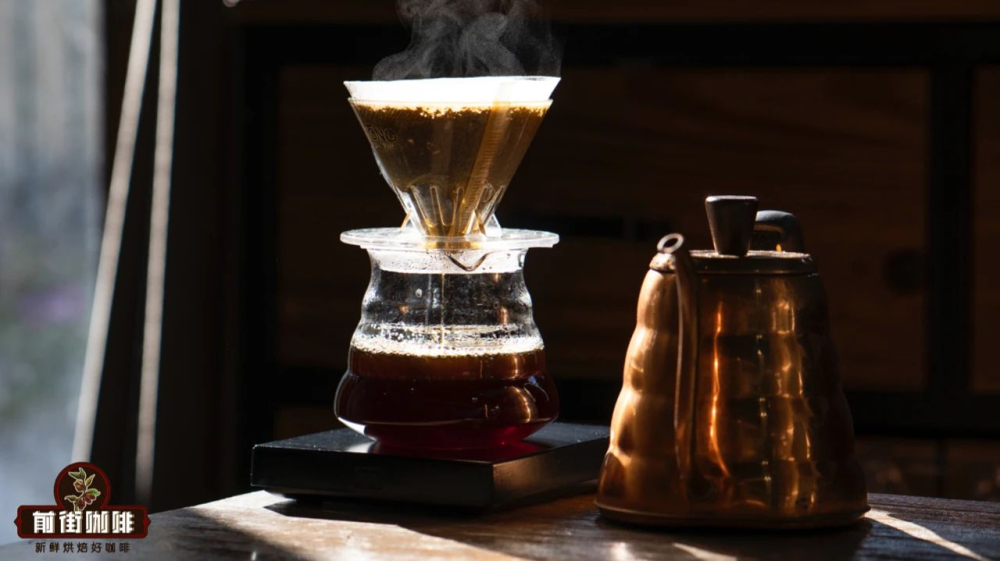
For the second pour, you can pour until the filter paper is eight-tenths full, preferably using a thin, long stream. After the water level drops to the pre-wetted height, continue pouring to eight-tenths full until 150 to 180cc has been extracted. After extraction is complete, there is no need to wait for all the water in the filter paper to drain; simply discard it.
6. Enjoy the coffee well! Remember that as the temperature changes, you can taste different flavors!
The above content is compiled by CoffeeHunters, a coffee news website.


