







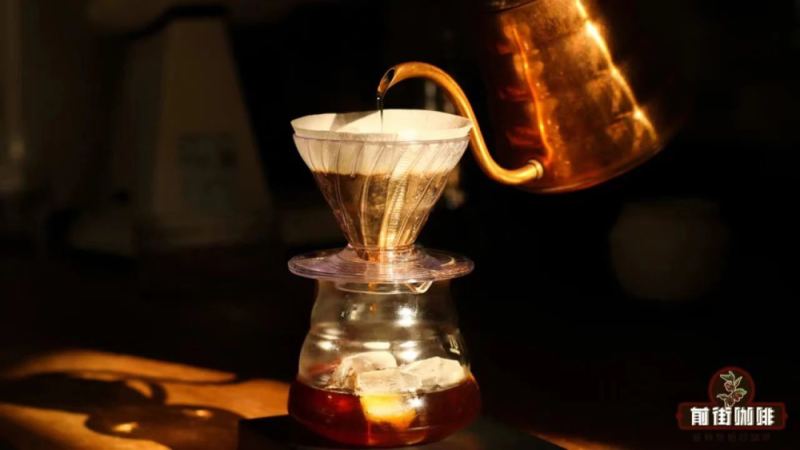
The recent weather really feels like it could melt a person in minutes. In this kind of weather, anyone still willing to meet up happily at a café is definitely a friend worth dying for!But even in such hot weather, we can't just give up drinking coffee, right? So if you don't want to go out, can't afford a cold drip tower, and can't wait several hours for cold brew, is there still a way to quickly enjoy a refreshing, pleasant iced coffee and keep yourself going?
When it comes to the star iced drinks at cafés in summer, besides the perennial top "celebrity players" like iced Americano, cold brew, and cold drip, iced pour-over is undoubtedly one of the most popular. It's refreshing and pleasant, with soft acidity, clean sweetness, and with the help of ice, it's even more refreshing and thirst-quenching—truly a summer cooling delight.
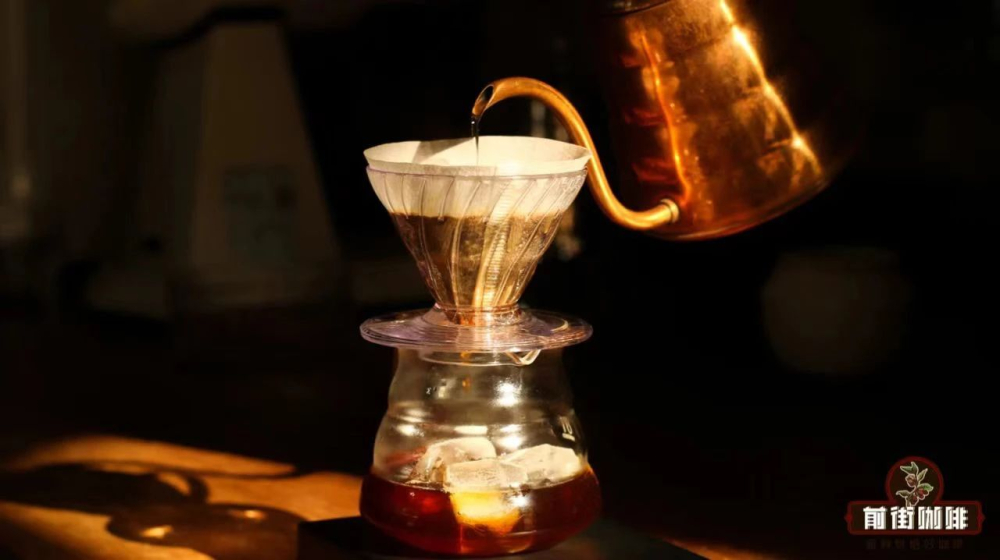
After getting into pour-over coffee, many friends also know that a delicious cup is all about finding the right extraction rate and concentration, usually by adjusting grind size, water temperature, coffee-to-water ratio, pouring technique, and equipment to coordinate with each other.
When we have the same coffee beans, we don't actually have to "bring home" every single parameter.If you want to make the iced pour-over you drink in the café, you only need to learn one "universal formula":
Iced pour-over = coffee grounds (fine grind) + 10x hot water + 5x ice cubes.

Compared to hot pour-over, iced pour-over has the key element of ice cubes. To ensure the final coffee is strong enough, flavorful enough, and cold enough, we must find a way to swap out some of the hot water for ice to achieve this. According to the pour-over extraction principle where the beginning is strong and the end is weak, the less water poured, the more concentrated the coffee liquid will be, and when added to ice it won't be diluted too much and become bland.

However, you should know that the less hot water poured, the shorter the entire extraction process will be. The most common situation is going from the original 2 minutes to 1 minute 20 seconds, which also means there's no chance for the later flavor compounds to be released, so the whole cup of iced coffee will most likely be under-extracted. In other words,although the concentration is enough, the flavor is not!So to coordinate the proportion of aromatic compounds released, we need to grind finer, which in turn extends the extraction time.

Technique: three-pour
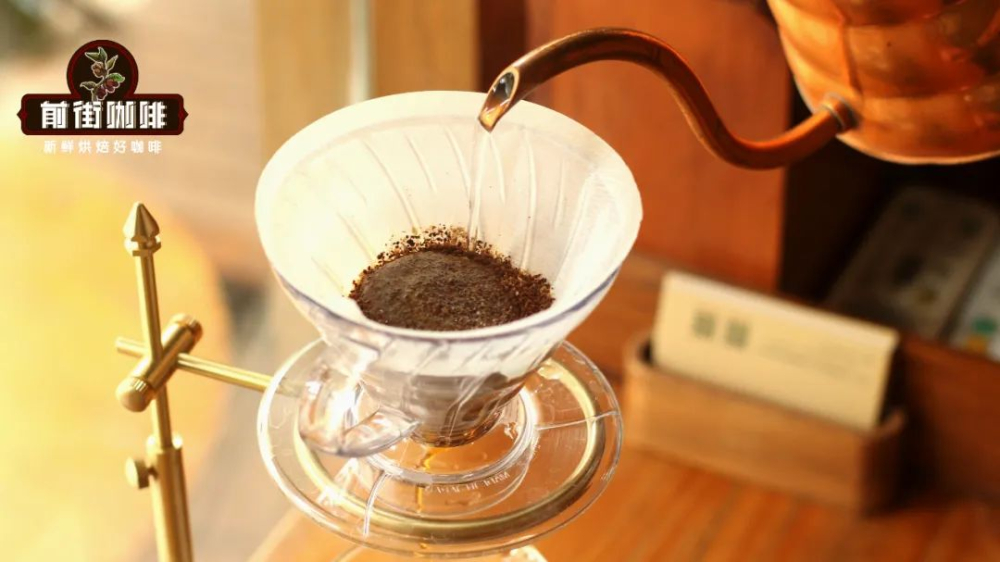
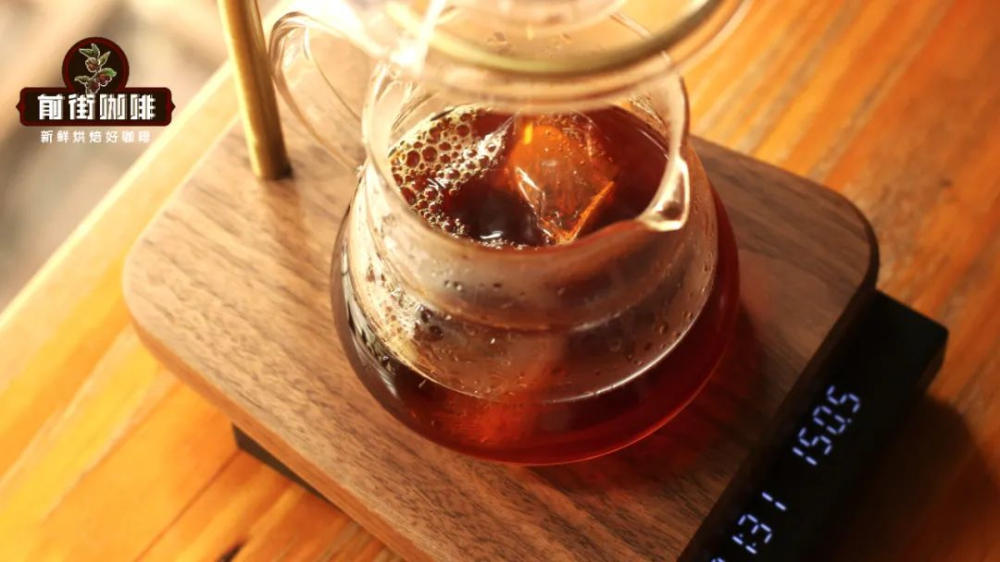
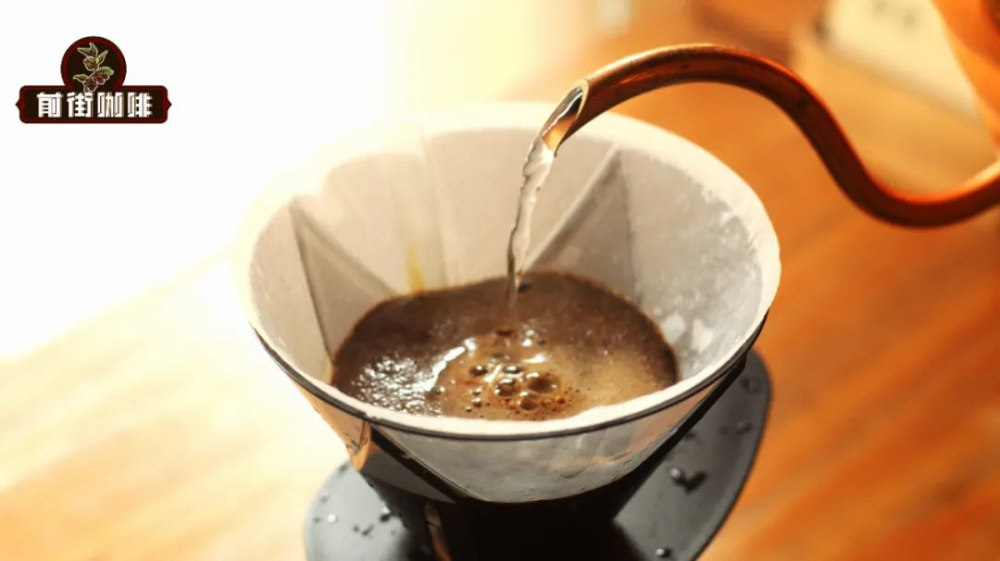
Before pouring, put the ice cubes into the server first (adding ice first or later won't affect the flavor much), then add 15 grams of coffee grounds. Start by pouring 30 grams of water in a small circle from the center outward with a slow stream for a 30-second bloom. For the second pour, use the same technique to pour 60 grams of water. When the water in the dripper is about to finish dripping, pour the remaining 60 grams of hot water. The final extraction time should fall between 1 minute 50 seconds and 2 minutes.
Reading this, some friends might think it's still too troublesome—isn't there a more direct and rough iced brewing method that doesn't require careful technique? Don't worry, there really is one: the "one-pour iced pour-over" developed by Mr. Tetsu Kasuya.
Grind size: EK-43s setting 7 (C40 roughly 18–19 clicks)

Finally, remove the dripper and shake the server vigorously until all the ice has melted into the coffee liquid, then pour into an ice-filled cup to drink (if you find the concentration too high, you can add an appropriate amount according to your tasteadd 1–2ice cubes).

The iced pour-over extracted with this one-pour method has a round mouthfeel, unobvious acidity, and a strong sweet aftertaste, giving this cup of coffee notes of cinnamon, liqueur chocolate, peach, and Darjeeling black teaaroma.
The above content is compiled by CoffeeHunters, a coffee news website.


