







What coffee-to-water ratio does the Coffee Association of America standard suggest?
A pour-over coffee-to-water ratio of about 1:15 is the common starting point: one gram of ground coffee to fifteen grams of water. The ratio compares the weight of dry grounds with the total liquid in the cup. Grind size, water temperature, pouring rhythm, and total brew time all shift the result, so the ratio is a starting setting rather than a fixed rule.
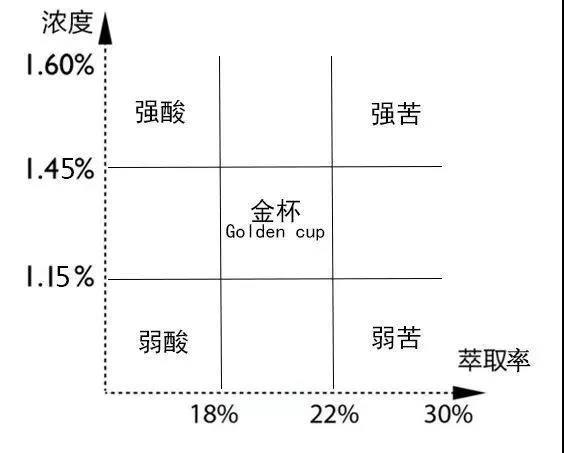
The Coffee Association of America golden cup extraction standard frames this range around a target concentration and extraction yield, which is why 1:15 appears so often in beginner guides. From there, adjust grind coarseness first, then water temperature, then dripper choice. A single-origin washed coffee such as a Yirgacheffe makes the changes easy to taste, and the roasting process behind it also shapes the final cup.
For enthusiasts who are just getting into pour-over coffee, the coffee-to-water ratio is often the first source of confusion: exactly how much coffee grounds should be paired with how much water? This article, drawing on the hands-on experience of Front Street Coffee, systematically sorts out the definition of pour-over coffee, the logic behind determining the coffee-to-water ratio, the concentration range of the SCAA Golden Cup extraction standard, and the seven major factors that affect extraction. It not only gives the calculation basis for the general parameter of 1:15, but also explains in detail key steps such as grind size calibration, water temperature selection, and dripper choice. Finally, it includes a specific brewing recipe and flavor description for Front Street Yirgacheffe Guddina, helping beginners build a complete framework of pour-over knowledge.
To get more specialty coffee knowledge, welcome to follow Front Street Coffee.
The specialty coffee market continues to expand, and single-origin coffee has gained favor among more and more consumers. Many coffee enthusiasts have begun to explore pour-over coffee methods at home on their own. Customers often ask at Front Street Coffee stores when selecting coffee beans how the coffee-to-water ratio for pour-over should be set, so this article will have Front Street Coffee provide a systematic beginner's introduction for everyone.
What exactly kind of brewing method is pour-over coffee?
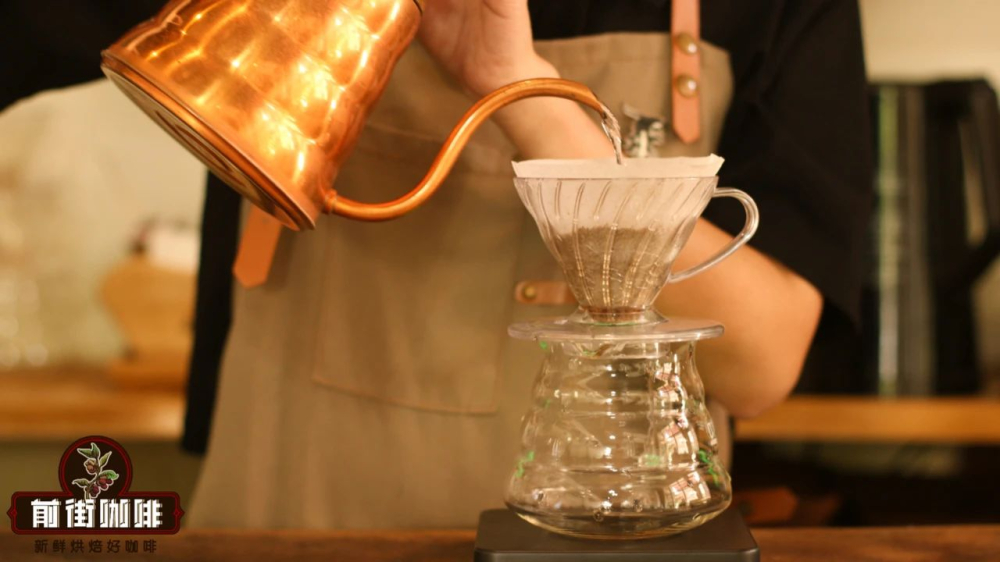
Let's clarify the concept first. Pour-over coffee refers to the process of placing appropriately ground coffee grounds into a dripper lined with filter paper under one atmosphere of pressure, and the brewer, using an even and stable pouring technique, pours hot water whose temperature and amount have both been considered onto the coffee bed, thereby completing the extraction of coffee liquid.
At the same time, the coarseness of the grind, the temperature of the hot water, the rhythm of pouring, and the total time taken by the entire brewing process all affect the final flavor extraction result. Precisely because of this, pour-over coffee places relatively high demands on the operator's skill and coffee expertise.
How should the coffee-to-water ratio for pour-over coffee be determined?
The coffee-to-water ratio means the ratio between the weight of coffee grounds used and the total amount of coffee liquid finally obtained. According to the recommendation given by the SCAA, the Specialty Coffee Association of America, coffee concentration should fall within the range of 1.2% to 1.45%. Front Street Coffee makes a conversion based on this: to reach this concentration range, the ratio between coffee grounds and poured water is roughly between 1:12 and 1:15. Taking a coffee-to-water ratio of 1:15 as an example, if 10 grams of coffee grounds are weighed out, then the corresponding total poured water amount is 150 grams.
In other words, the best ratio of coffee grounds to water is 1:15. At present, Front Street Coffee stores use exactly this 1:15 coffee-to-water ratio. The reason this value was settled on is that Front Street Coffee had previously conducted repeated tests and verification. Although 1:12 to 1:15 is only a suggested range, Front Street Coffee still additionally tried several parameters outside that range.
The test results showed that drip coffee brewed with a 1:20 coffee-to-water ratio tasted very thin, while 1:10 was so strong it was hard to accept. After multiple rounds of adjustment and comparison, Front Street Coffee believes that 1:15 is a relatively suitable brewing ratio for most coffee beans. Of course, some people are used to using 1:14 or 1:17, and there is no problem with those either; the key is whether you yourself can accept that taste. What Front Street Coffee provides is only a reference value generally acceptable to the public. After the coffee-to-water ratio is determined, the next step is to decide the total amount of a cup of coffee. Front Street Coffee usually brews a cup of pour-over coffee to 225 grams, exactly one serving, which means using 15 grams of coffee grounds to extract 225 milliliters of coffee liquid.
What does the concentration recommended by the SCAA, the Specialty Coffee Association of America, mean?
The coffee concentration mentioned earlier actually corresponds to the extraction yield of pour-over coffee. Extraction yield is defined as the proportion of weight lost by coffee beans during brewing relative to the total weight of the coffee beans used. Coffee beans contain about 30% extractable substances and 70% non-extractable woody solids.
In coffee brewing, the optimal extraction yield is to extract 60% to 70% of the extractable substances. Below 60% means under-extraction, and the coffee flavor will be incomplete; above 70% is over-extraction, and the coffee will show more unpleasant tastes. It is precisely based on this principle that the SCAA derived the conclusion of a coffee-to-water ratio of 1:15.
SCAA Golden Cup extraction chart
The seven major elements of pour-over coffee
The coffee-to-water ratio discussed above is only one of the many elements of pour-over coffee; the other six elements are equally impossible to ignore. Next, Front Street Coffee will briefly explain the seven elements of pour-over coffee one by one.
1. Fresh coffee beans
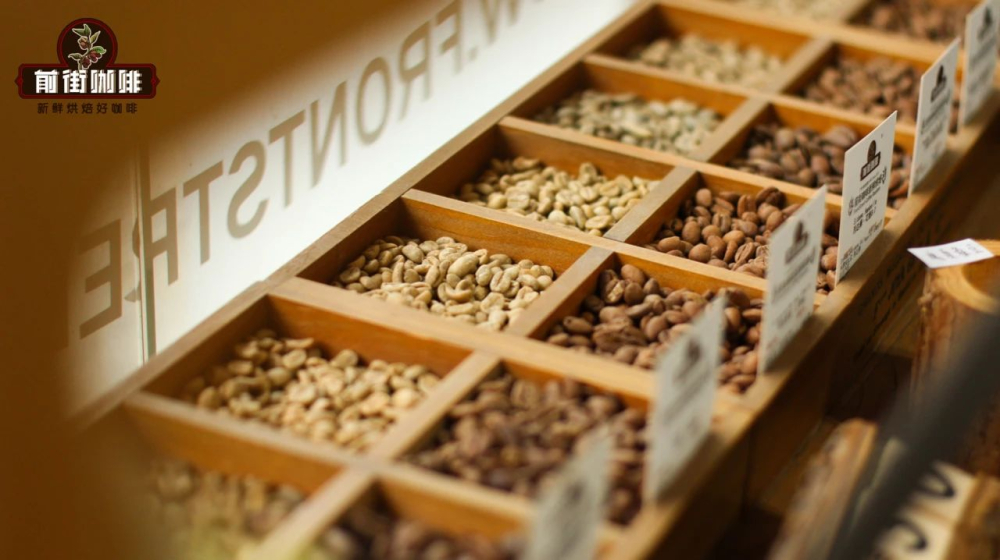
Front Street believes that the optimal flavor period for coffee beans is 30 days. After more than 30 days, the aroma molecules in the coffee beans gradually decrease along with the release of carbon dioxide, and coffee brewed with beans past their optimal flavor period may taste dull and flat. This is also why Front Street emphasizes "please use freshly roasted coffee beans" every time it discusses brewing knowledge.
2. Coffee bean grind size
The finer the coffee beans are ground, the more easily the coffee grounds accumulate at the bottom of the filter paper, the greater the resistance to water flow, the slower the flow rate becomes, and the longer the extraction time is stretched. Coffee extracted this way easily carries unpleasant flavors such as woody notes or off-flavors. The coarser the coffee beans are ground, the larger the gaps between the coffee particles, the less coffee grounds the hot water can contact, the weaker the extraction resistance, the faster the coffee drips, the lower the extraction yield, and the relatively thinner the coffee flavor.
How should coffee bean grind size be determined?
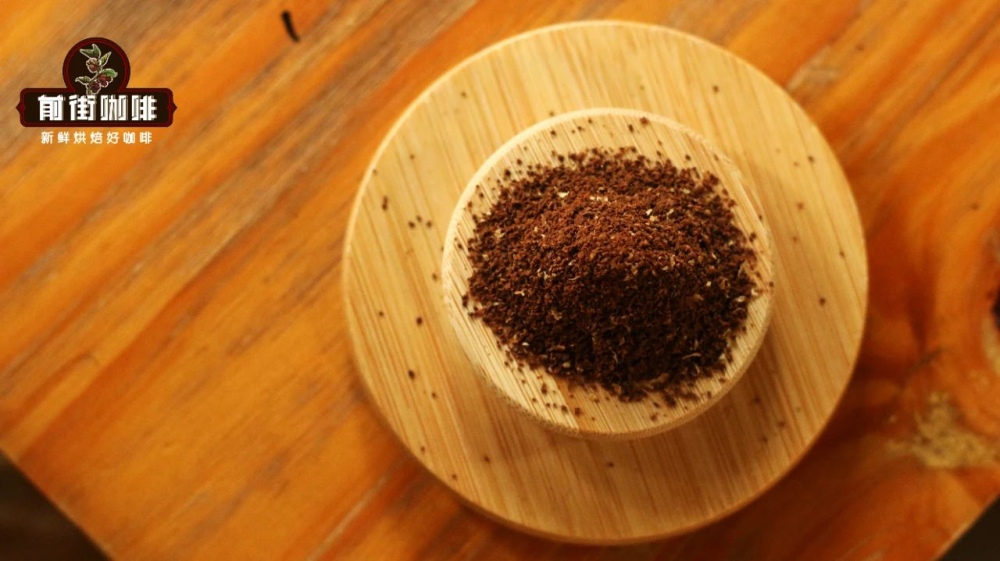
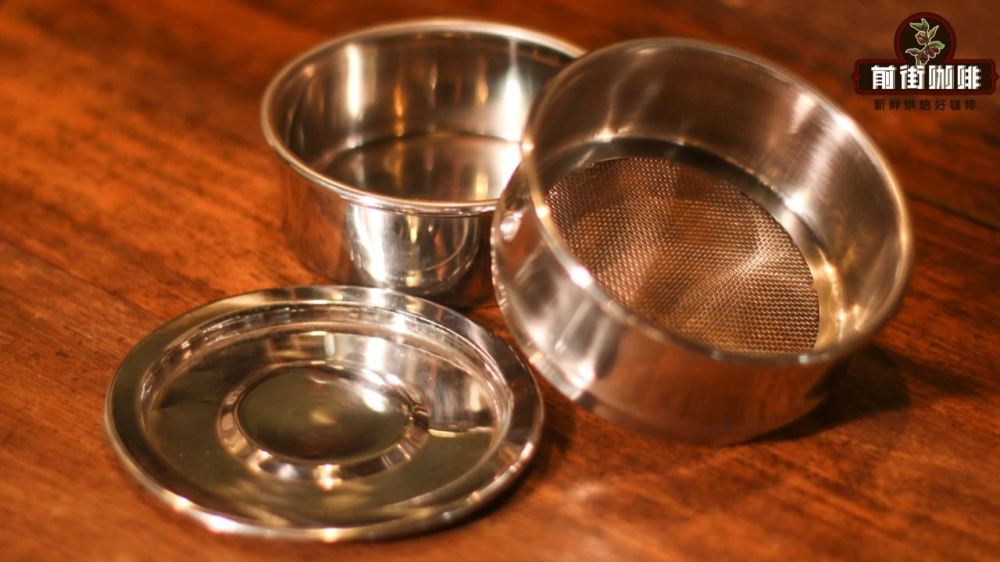
Here Front Street Coffee also wants to emphasize one point: the suitable grind size for each specialty coffee will differ depending on the desired flavor presentation. Therefore, it is necessary to confirm whether the grind size is appropriate by sifting the grounds. Front Street Coffee suggests that coffee enthusiasts purchase a No. 20 cupping calibration sieve. (As shown in the figure below.)
The specific procedure is: weigh 10 grams of coffee beans, first adjust to a roughly suitable grind size and grind into powder, pour into the sieve and sift, then weigh the sifted coffee powder (be sure to sift until no more coffee powder can pass through the sieve). A pass-through rate of 80% (that is, 8 grams can be sifted out from 10 grams of powder) corresponds to the most suitable grind size for medium-light roasted coffee beans; a pass-through rate of 70% to 75% (that is, 7 to 7.5 grams sifted out from 10 grams of powder) corresponds to the most suitable grind size for medium-dark roasting. If it exceeds the suitable sifting rate, the grind size should be adjusted coarser appropriately; if it does not reach the suitable sifting rate, the grind size needs to be adjusted finer appropriately.
3. Brewing water temperature
When handling pour-over coffee beans of different roast levels, Front Street Coffee chooses different water temperatures. During the roasting process, substances inside the coffee beans are lost as the roast level deepens, so dark-roasted coffee beans need lower water temperatures to avoid extracting too many off-flavors. For medium-light roasted beans, Front Street Coffee recommends using a water temperature of 90 to 91°C; for medium-dark roasted beans, a water temperature of 87 to 89°C is recommended.
4. Water quality
The mineral components contained in water, including mineral ions such as calcium, magnesium, sodium, and potassium, affect coffee's extraction capacity at the thermodynamic level, thereby causing changes in coffee flavor. Front Street Coffee does not recommend directly using heated tap water to brew coffee. Tap water contains many impurities, and coffee extracted with it easily produces unpleasant experiences.
5. Choice of brewing dripper
Front Street suggests that beginners choose the V60 01 dripper (the first dripper on the left in the figure above). The V60 conical dripper has a larger opening, and combined with its unique spiral curved rib design, air is more easily released, thereby improving extraction quality. In terms of mouthfeel it may not be thick enough, but its bright acidity and distinct aroma brought by high concentration are its standout features.
6. Coffee-to-water ratio
Based on the description above by Front Street Coffee, the following conclusions can be summarized
[Strong taste] 1:10–1:11, that is, 1:12.5–1:13.5 under the Golden Cup guideline [Moderate taste] 1:12–1:13 (that is, 1:14.5–1:15.5 under the Golden Cup guideline) [Light and clean] 1:14–1:16 (that is, 1:16.5–1:18.5 under the Golden Cup guideline)
7. Brewing time
During the coffee extraction process, the aroma and taste in the early stage are strong and the concentration is higher, and the further along the extraction goes, the lighter the taste and aroma of the extract become. At the same time, the amount of water poured also affects the extraction time. Front Street Coffee usually uses 15 grams of grounds, and depending on the beans, under the condition of a 1:15 coffee-to-water ratio, controls the brewing time within 2 minutes to 2 minutes 30 seconds, so that over-extraction or under-extraction is not easily caused.
After understanding the seven elements of pour-over, coffee enthusiasts also need to understand the brewing principles of pour-over coffee in order to brew a cup of coffee with excellent flavor.
What is the principle of brewing coffee?
The essence of brewing coffee is the process of extracting molecules from coffee cells. This process includes three steps: wetting, dissolution, and release. The three steps occur in sequence and influence each other, ultimately forming the flavor of the coffee.
[Wetting]
Literally, it means that the coffee grounds are moistened after contacting water. This is the starting point for coffee cells to begin releasing molecules, which is what Front Street often calls the blooming stage.
[Dissolution]
Dissolution refers to the process in which soluble molecules in coffee cells dissolve into hot water. This is the most critical step and determines the flavor of the extracted coffee, which is what Front Street often calls the extraction process.
[Diffusion]
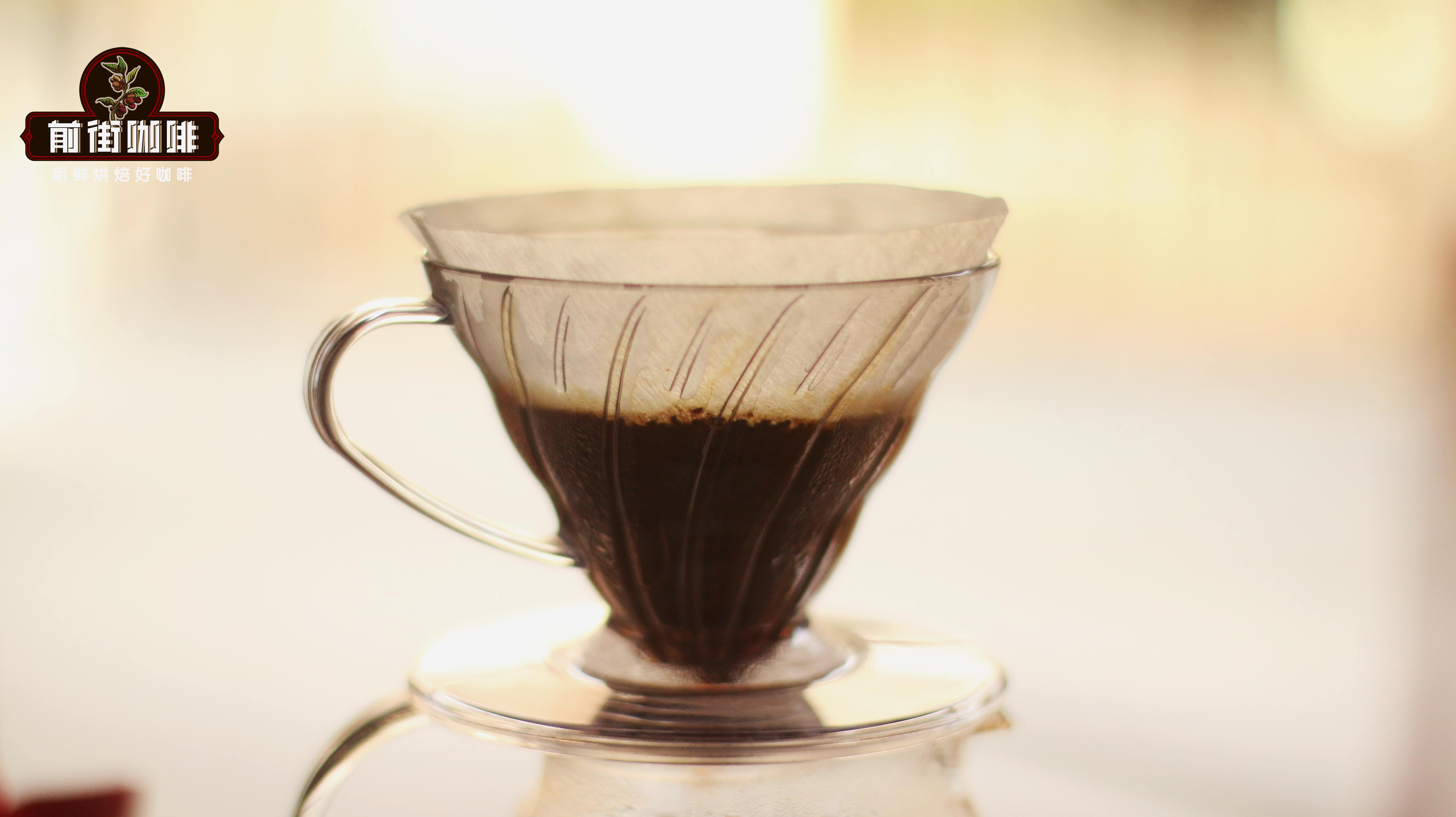
After aroma molecules dissolve, they leave the coffee cells through osmosis, and this process is called diffusion. After the aroma molecules diffuse into the hot water, the final coffee extract is formed. As Front Street also mentioned earlier, the extraction sequence of a cup of coffee is acidity first, then sweetness, and finally bitterness, so after coffee extraction is completed, it must be shaken a few times to allow the coffee liquid to blend evenly; only then can the most complete coffee flavor be tasted.
The above is the relevant knowledge compiled by Front Street Coffee on how beginner coffee fans can brew pour-over coffee. It is hoped that it can help friends who want to understand pour-over coffee, reduce incorrect operations, and brew delicious coffee. Next, Front Street Coffee will share the parameters and process for brewing Yirgacheffe washed Guddina coffee beans.
Front Street Coffee: Ethiopia Guddina coffee beans
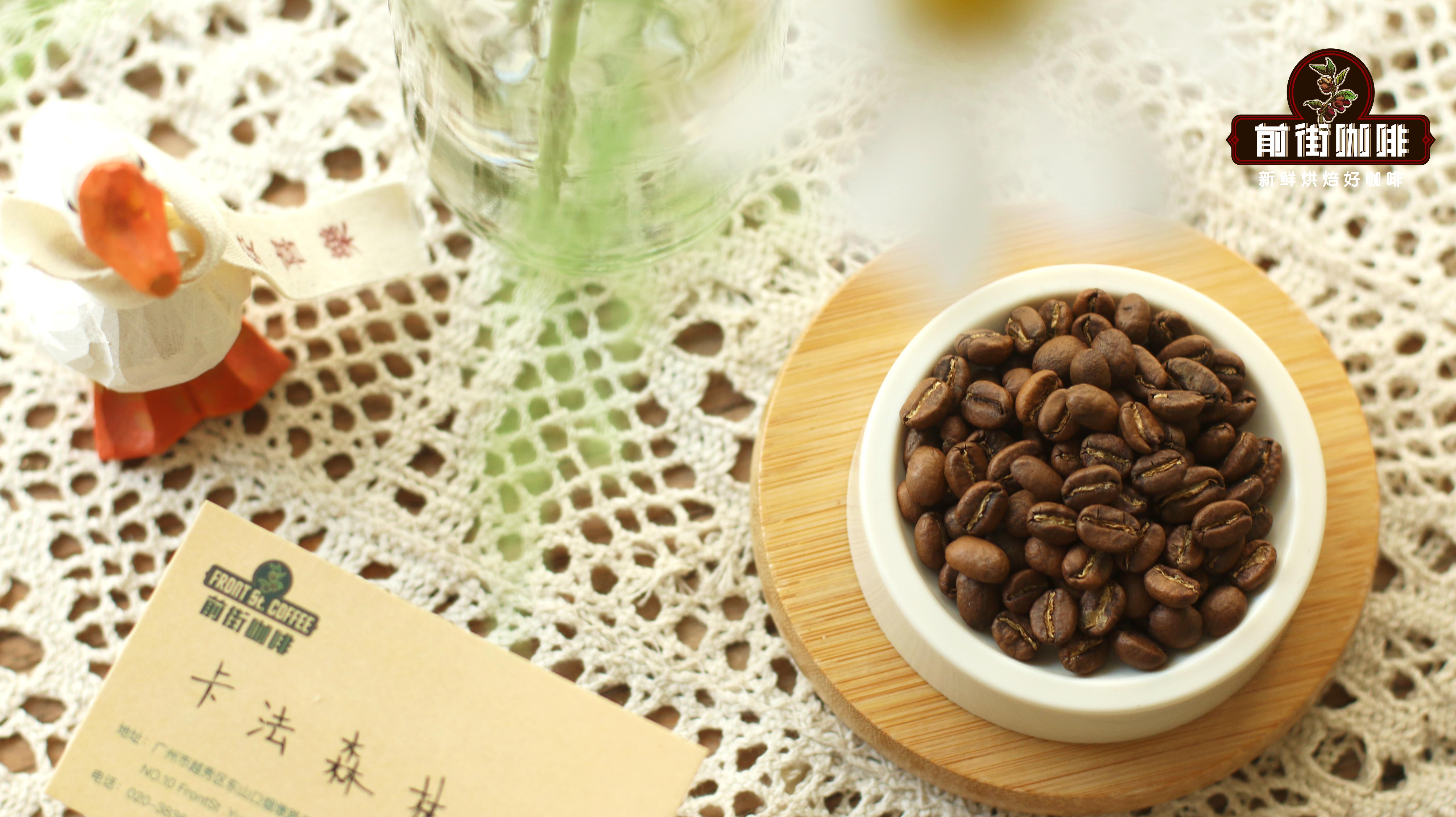
Country: Ethiopia Region: Yirgacheffe Altitude: 1900-2300m Variety: local heirloom varieties Processing method: washed processing Flavor: tropical fruit, cream, honey, berries, citrus
Front Street Coffee brewing data sharing
Dripper: V60 #01 Water temperature: 90-91°C Dose: 15g Coffee-to-water ratio: 1:15 Grind size: medium-fine grind (sift with No. 20 sieve bowl to 80%)
Brewing technique: three-stage extraction
In the first stage, pour 30 grams of water for a 30-second bloom, then pour 95 grams (the electronic scale shows about 125 grams), completing the pour in about 1 minute. When the water level drops to 2/3 of the coffee bed, pour the remaining 100 grams (the electronic scale shows about 225 grams), completing the pour in about 1 minute 35 seconds. Dripping is completed at 2'00''-2'10'', then remove the dripper to complete extraction.
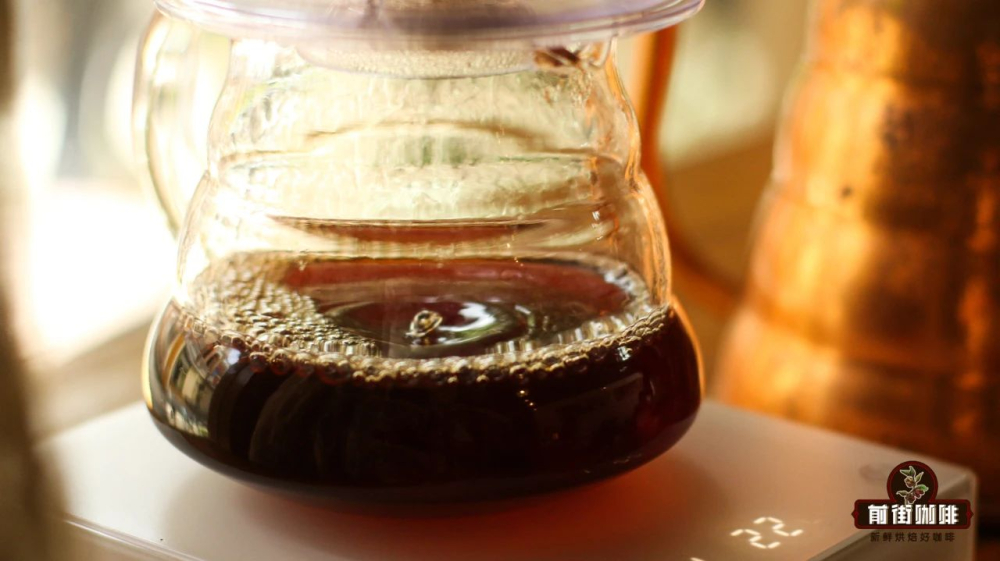
Flavor of brewed washed Guddina: on the palate there are citrus and black tea, and as the temperature changes there are cream, caramel, and almond, with an obvious sweet aftertaste and a clean, sweet mouthfeel.
The above content is compiled by CoffeeHunters, a coffee news website.


