







Search Results for: unfamiliar coffee beans
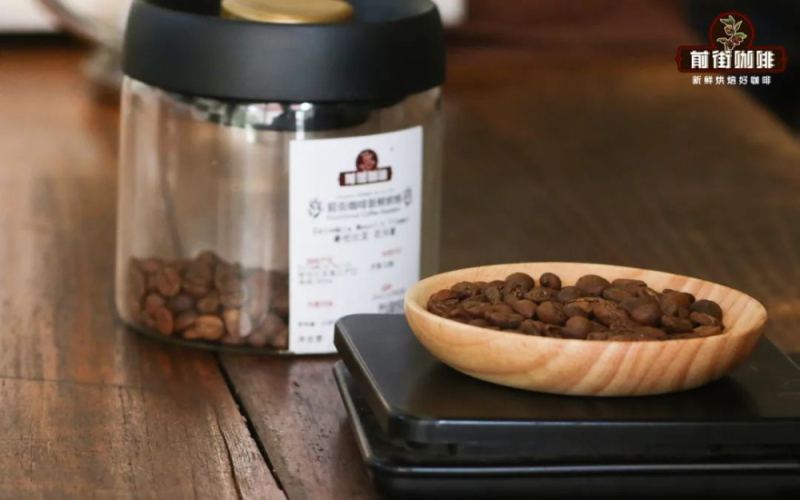
How to Design a Pour-Over Recipe for Unfamiliar Coffee Beans: From Building a Brewing Framework to Precise Matching
When faced with a coffee bean you've never encountered before, how do you quickly develop a suitable pour-over plan? This article starts with simplifying the brewing framework and shares a practical method: first roughly categorize coffee beans by roast level, establish a highly versatile brewing plan for each category, and then identify where unfamiliar beans belong through flavor descriptions and bean color. As experience accumulates, gradually refine the categories, deriving medium roast from light roast and dark roast, and even making further adjustments for special varieties such as Geisha. Front Street Coffee uses its own two brewing plans as examples to show that by keeping the dose, ratio, and technique consistent and adjusting only the water temperature, grind size, and dripper, most beans can be handled. This approach not only reduces decision-making costs but also leaves room for subsequent optimization. [more…]

How to brew unfamiliar coffee beans perfectly in one go? Determine pour-over parameters for light and dark roasts based on roast level and density
Buying a bag of unfamiliar coffee beans, the biggest fear is using the wrong parameters and wasting good beans for nothing. In fact, even without an existing brewing recipe on hand, you can judge whether the beans suit a high-efficiency or low-efficiency extraction method by observing their roast level and density, and thereby set the appropriate water temperature, grind size, and ratio. In this article, Front Street Coffee will walk you through starting from flavor descriptions and bean hardness, breaking down the differences between light-roast and dark-roast coffee beans step by step, and using two beans—Ethiopian Huakui and PWN Golden Mandheling—as examples to provide directly referenceable pour-over parameters, so you can brew confidently even when facing new beans. [more…]
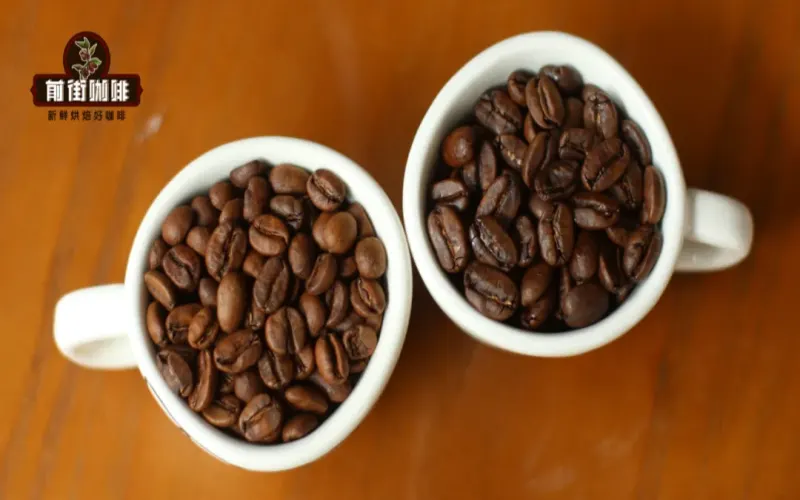
Pour-Over for Beginners: A Guide to Developing Extraction Plans for Unfamiliar Coffee Beans and Identifying Roast Levels
When faced with a coffee bean you've never tried before, how can you quickly find the right brewing recipe? Actually, you don't need to overturn your existing brewing habits—just make targeted adjustments to the extraction parameters. Drawing on Front Street Coffee's practical experience, this article teaches you to infer the roast level from the flavor description on the bean bag label, and from there determine the three core parameters: coffee-to-water ratio, grind size, and water temperature. It also explains in detail the differences in extraction logic between light-roasted and dark-roasted beans, as well as strategies for dealing with specially processed beans, helping you easily master every unfamiliar bean without changing your brewing technique. [more…]
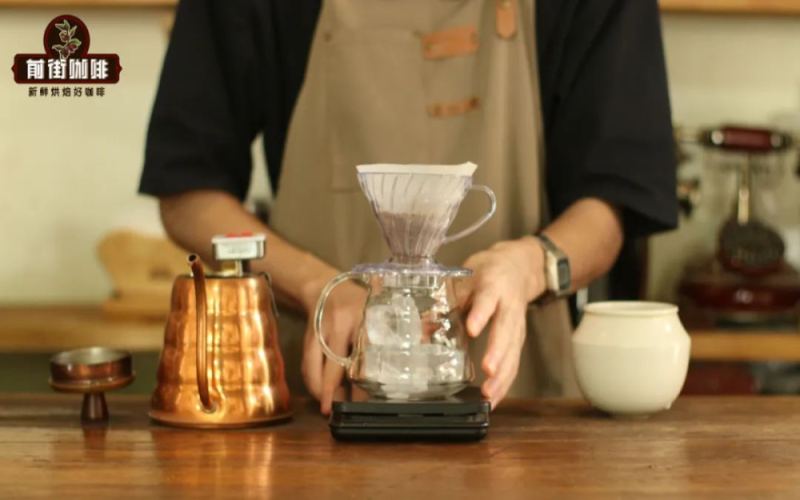
When encountering unfamiliar coffee beans for the first time, how to quickly find a suitable brewing recipe
When you bring home a bag of coffee beans you've never tried before, many coffee lovers find themselves at a loss: what temperature should the water be? How fine should the grind be? Especially when the beans are expensive, one failed brew means real money down the drain. Through practice, Front Street Coffee has distilled a simple approach: rather than trial-and-error on every new bean, first build a highly adaptable brewing framework, then match each bean to its proper slot based on its characteristics. This article focuses on the roast-level classification method, breaking down in detail the core differences between light and dark roasts in grind size, water temperature, and dripper choice, and further exploring the variables introduced by processing method and bean variety, to help you quickly lock in a preliminary plan when facing unfamiliar beans and minimize the odds of a disastrous brew. [more…]

Espresso Coffee Types | What Is a Long Shot? Where Does Lungo Coffee Come From? How Does Lungo Coffee Differ from Regular Espresso?
Recently, many specialty coffee shops have started selling a "niche" coffee—the "Long Extraction." For friends who are not deeply into coffee, Long Extraction can be quite unfamiliar, so recently many friends have often asked Front Street what Long Extraction is. To be honest, Front Street believes that the main reason everyone finds it unfamiliar [more…]
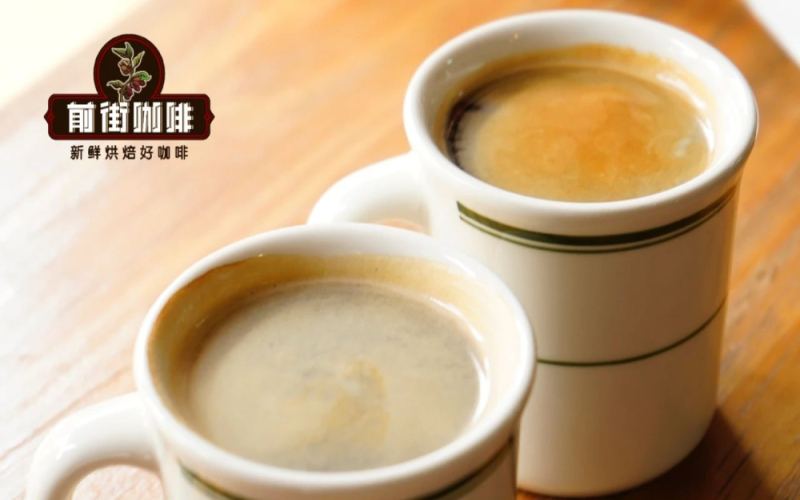
What Is Lungo Coffee? How Does It Differ from Hot Americano and Long Black? A Full Analysis of the Espresso Family
In recent years, many specialty coffee shops have started offering a coffee called "Long Extract." For those not very familiar with the espresso system, this term might be quite unfamiliar. But if we use its original Italian name Lungo, I believe many people would not find it surprising. Lungo is actually a member of the espresso family, standing alongside Ristretto and regular Espresso, with the main difference being the amount of extracted liquid. So how did Lungo come about? How is it different from Americano and Long Black? What details should be noted when making a delicious Lungo? This article will start from the evolution history of espresso, answer these questions one by one, and share Front Street Coffee's suggestions on bean selection. [more…]
A Complete Guide to Espresso Grind Settings: Choosing the Right Coarseness from French Press to Espresso
In the world of coffee, grind size is one of the key factors determining the success or failure of a cup. Different brewing methods have vastly different requirements for coffee grounds coarseness—from the sugar-like coarseness for a French press to the tiny particles between flour and mud for espresso, every extraction method has its corresponding grind standard. This article will provide an in-depth analysis of how to determine the grind setting for espresso, combining the definitions of Espresso from the Italian Coffee Association and the WBC to explain in detail how to control extraction time and flavor performance by adjusting grind size, and share Front Street Coffee's practical approach and specific cases when dialing in unfamiliar coffee beans, helping coffee enthusiasts precisely master grinding techniques. [more…]
How to set the grind setting for espresso? The relationship between grind size and extraction time, and Front Street Coffee's approach to dialing in
Many coffee enthusiasts will find that different brewing methods require vastly different coffee ground sizes. A grind the texture of granulated sugar is commonly used for pour-over, French press, siphon, and cold brew, while espresso requires extremely fine particles somewhere between flour and muddy sand. Because this fine powder is difficult to measure by a fixed standard, in practice you often have to work backward from the extraction parameters to determine whether the grind setting is appropriate. This article centers on judging the grind setting for espresso, sorting out the correspondence between extraction time and grind fineness, explaining how to lock in the grinding direction by presetting the coffee-to-water ratio, pressure, and water temperature, and sharing Front Street Coffee's debugging logic when encountering an unfamiliar espresso bean or switching grinders, helping readers understand the complete adjustment process from parameter setting to flavor tasting. [more…]
Mandheling Pour-Over Coffee Parameters | What Is Golden Mandheling? What Are the Flavor and Mouthfeel Characteristics of Golden Mandheling Coffee Beans? How Do You Identify Authentic PWN Golden Mandheling?
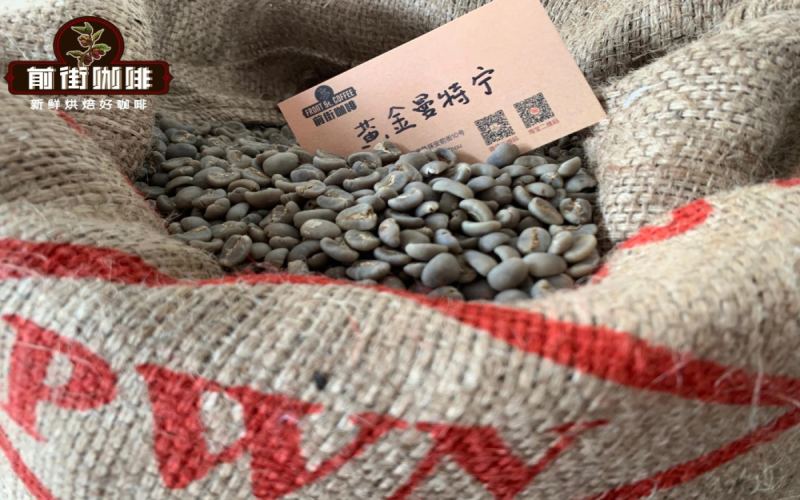
Front Street Golden Mandheling coffee beans are both familiar and unfamiliar to many coffee lovers. They are familiar because you often hear praise for them among coffee enthusiasts. They are unfamiliar because there are too many counterfeit Golden Mandheling coffee beans on the market, and drinking authentic Golden Mandheling coffee is a difficult thing. What is Golden Mandheling coffee? [more…]

What Makes Anaerobic Process Coffee Beans So Special? A Full Breakdown of Their Differences from Natural and Washed Processes and Their Flavor Characteristics
Anaerobically processed coffee beans have always been a hot topic among enthusiasts—some are captivated by them, while others find the flavors too unconventional. Compared with traditional methods like natural and washed, the anaerobic fermentation process still feels unfamiliar to many, which makes it prone to misunderstanding and controversy. Today Front Street Coffee will talk about what anaerobic processing is, how it differs from natural and washed, and what characteristics anaerobically fermented coffee beans display. [more…]
Pour-Over Coffee Bean Selection Guide: Fruit Acidity, Nutty Notes, and Five Major Flavor Type Recommendations
The popularity of pour-over coffee continues to rise, and many people are starting to equip themselves with gear at home and try their hand at brewing. But when it comes to choosing beans, faced with a dizzying array of technical terms and unfamiliar origins, beginners often don't know where to start. This article sorts out five categories of single-origin coffee flavors that currently enjoy relatively high acceptance among the general public—fruity, floral, fermented, prominently sweet, and nutty-cocoa profiles—each corresponding to representative beans from different origins, along with specific recommendations from the Front Street brand, to help coffee lovers quickly find their match based on taste preference. [more…]
Espresso Grind Size Chart | What Coffee Ground Size Suits French Press, Cold Brew, Ice Drip, Siphon, and Moka Pot? How to Judge and Adjust Coffee Grind Size?
If you pay close attention, you'll notice that coffee shops use many different brewing methods, but based on the grind size of the coffee grounds, they usually fall into two categories. One is a grind as coarse as granulated sugar, suitable for pour-over coffee, French press coffee, siphon coffee, cold brew coffee, and so on. The other is between flour and muddy sand in texture. [more…]
A Complete Guide to Espresso Grind Size: From Dialing In to Judging by Flavor
When making espresso, the grind size of the coffee grounds is the core variable that determines the quality of the final cup. Compared with brewing methods such as pour-over and cold brew, espresso demands a far finer grind than one might imagine—the powder is as fine as flour, its uniformity difficult to judge with the naked eye, and a deviation of just 0.1 on the grinder setting can make an enormous difference in taste. This article systematically lays out a complete approach to adjusting espresso grind—from judging grind size and observing flow rate to applying formulas and fine-tuning flavor—helping coffee lovers quickly lock in the right grind range even when faced with unfamiliar beans, so they can pull a balanced, delicious espresso. [more…]
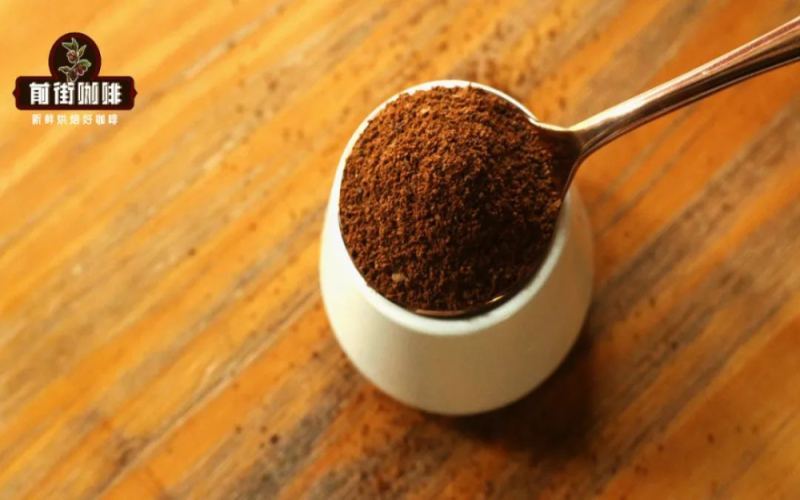
Pour-Over Coffee Grind Size Self-Test Guide: From Spice Analogies to Blind Tasting Practice
Among the many variables in pour-over coffee, grind size is often the hardest to describe precisely in words. Every enthusiast uses a different grinder, so when baristas communicate with customers, they usually have to rely on everyday seasonings as analogies. Although this approach has its limitations, it is an effective way to quickly establish a brewing framework. This article will systematically sort out the applicable scenarios for four grind reference points—fine salt, fine granulated sugar, coarse granulated sugar, and sea salt texture—and, using a natural-process red cherry coffee as an example with the MAVO Wizard 2.0 manual grinder, demonstrate how to gradually "blind-test" your ideal setting when faced with an unfamiliar grinder by observing the bloom pattern, drawdown time, and coffee grounds condition, helping you find your own cup of good coffee. [more…]
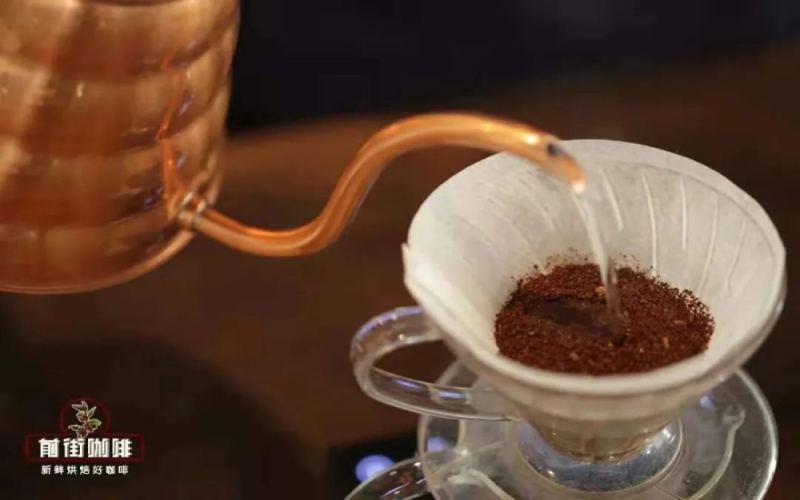
How to Set Parameters for Light-Roast Pour-Over Coffee? A Practical Brewing Approach Starting from Bean Information
When faced with a bag of coffee beans they have never encountered before, many people's first instinct is to ask others, "How should I brew this coffee?" Front Street Coffee often receives inquiries like this, but rather than giving a fixed answer every time, it is better to master a method for deriving the parameters yourself. Based on Front Street's practical experience, this article teaches you how to judge the suitable grind size, water temperature, and brewing approach through the origin, processing method, flavor description, and roast level on the packaging label. Whether it is light roast, medium roast, or dark roast, as long as you understand the logic behind the bean information, you can say goodbye to the "fear of unfamiliar beans" and make every cup of pour-over have a basis to follow. [more…]
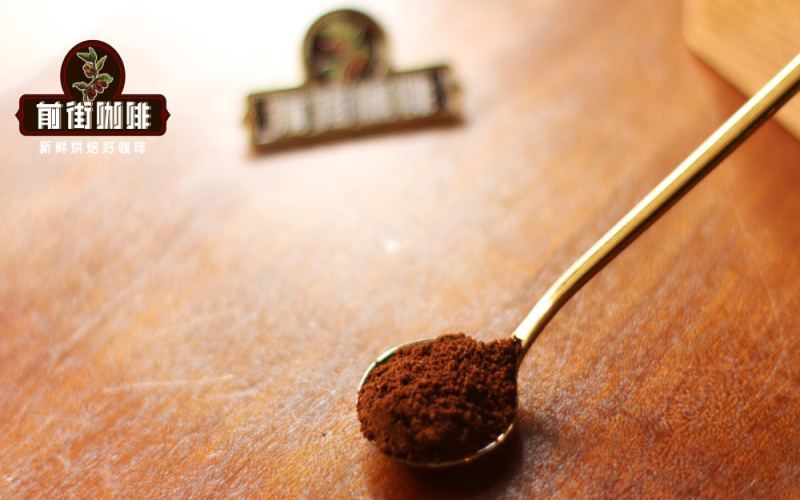
How to Determine the Grind Size for Espresso? A Complete Guide from Dialing-In Logic to Flow Rate Assessment
When making a proper espresso, choosing the grind size is often the most critical and most frustrating step. Unlike immersion brewing methods such as pour-over, an espresso machine relies on high temperature and high pressure to complete extraction in an extremely short time, which places demands on coffee grounds fineness and uniformity far beyond those of other brewing methods. If the particles are slightly too fine or too coarse, the flow rate can become abnormal, pushing the flavor toward over-extraction or under-extraction. This article will sort out the extraction principles of espresso from the ground up, explain the suitable grind fineness range, and provide a practical grinding adjustment process and flavor correction approach to help you quickly lock in the right grind setting even when facing unfamiliar beans. [more…]
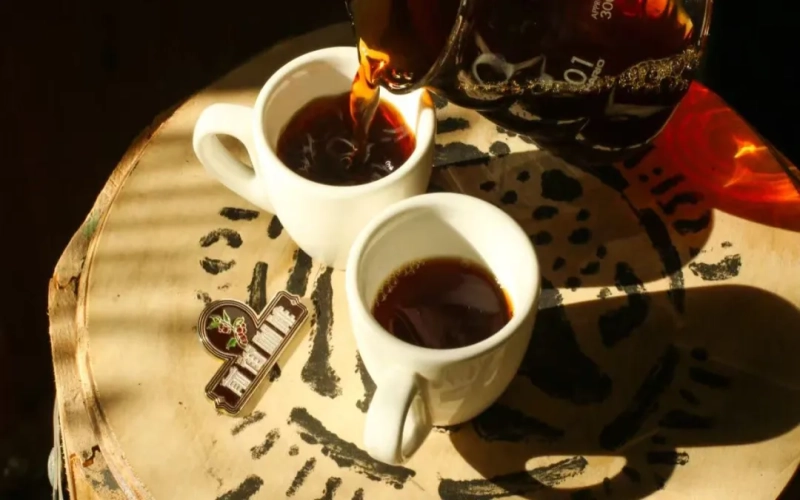
A Complete Guide to Anaerobic Coffee Processing: Key Differences from Traditional Natural and Washed Methods and Flavor Expression
Anaerobic coffee has been appearing on coffee bean lists frequently in recent years. Although many people have tried it, they only have a vague understanding of its specific process, and some even develop an aversion to it due to unfamiliarity. In fact, anaerobic processing is not as complicated as imagined. In most cases, it simply adds an extra anaerobic fermentation step before traditional natural or washed processing. The depth of fermentation is precisely the key that determines the direction of coffee flavor. From the perspective of Front Street, this article sorts out the basic principles of anaerobic processing, common methods, and their connection with traditional processing. Combined with three specific beans, it helps readers understand the flavor differences brought by different anaerobic treatments, so they can find the cup that suits their taste. [more…]

Papua New Guinea Sigri Estate Bird of Paradise Coffee Beans: A Complete Guide to Origin Terroir, Typica Variety, and Pour-Over Flavor
Papua New Guinea may be quite unfamiliar to most coffee enthusiasts, but a coffee bean called "Bird of Paradise" has brought this country into the spotlight of specialty coffee. In this article, Front Street Coffee will guide you through the coffee-growing background of Papua New Guinea, clarify the origin of the "Little Blue Mountain" title, and take a deep dive into the Bird of Paradise coffee from Sigri Estate—from the estate's history and ecological philosophy to green bean quality, then to Front Street Coffee's roasting curve and brewing parameters, and finally a complete flavor description of this bean. If you're interested in the flavor profile of island-grown Typica, why not join Front Street Coffee in savoring this washed gem from the Western Highlands Province. [more…]
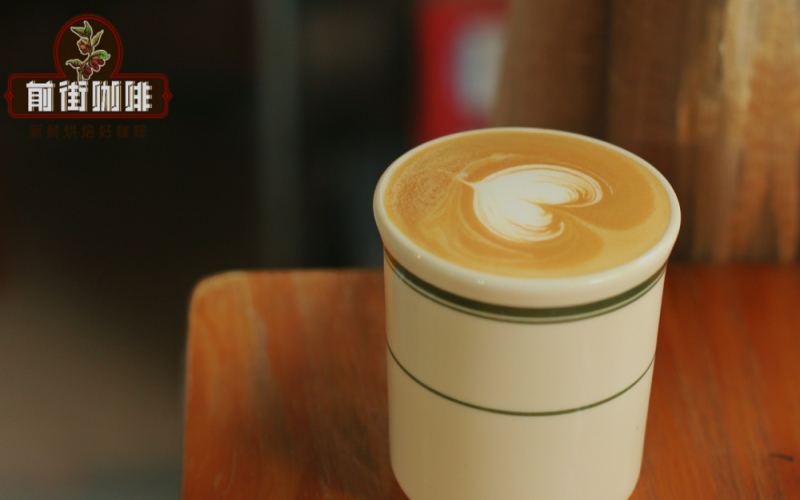
What is a Flat White? Differences from Latte, Cappuccino, and Starbucks Flat White, Plus Front Street Coffee's Detailed Recipe
The name Flat White may be unfamiliar to many, but everyone is surely familiar with Starbucks' Fu Rui Bai (Flat White). In fact, names like Xiaobai Coffee, Fu Rui Bai, Chun Yi Bai, Ao Rui Bai, and Aussie White all refer to the same drink—Flat White. It originated in Oceania, so it is also called Aussie White coffee. Both are combinations of milk and espresso, but what exactly is the difference between a Flat White, a latte, and a cappuccino? Why has Flat White coffee swept the world and become a permanent fixture on the menus of almost every coffee shop? In this article, Front Street Coffee (FrontStreet Coffee) will guide you through the origin and evolution of Flat White coffee, clarify its differences from latte and cappuccino in milk foam thickness and flavor presentation, and share a Flat White recipe made with Front Street Sunflower Warm Sun blend beans, so you can experience that rich and mellow Aussie White flavor at home. [more…]
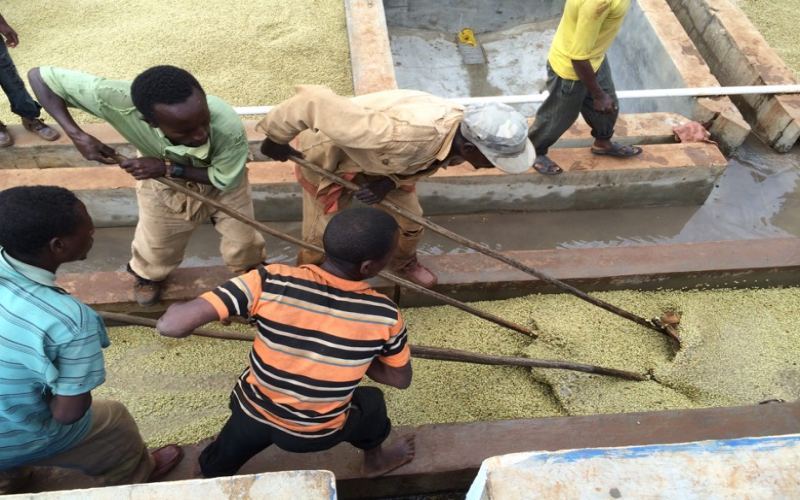
Parchment Estate: The Washed Geisha That Missed Champion by Just 0.25 Points
In the 2026 BOP Washed Geisha category, Elida Estate took the category championship with 96.25 points, which was also the highest score overall. Close on its heels was a small estate still unfamiliar to most—Finca El Pergamino, with 96.00. [more…]