







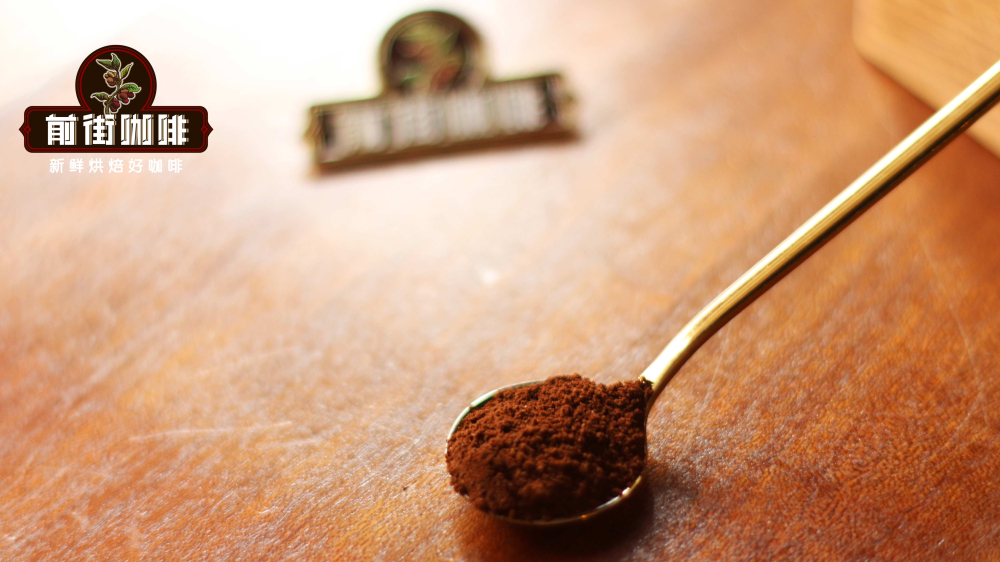
If you pay close attention, you will notice that there are many different brewing methods in coffee shops, but based on the grind size of the coffee grounds, they are usually divided into two types: one is a grind as coarse as granulated sugar, suitable for pour-over coffee, French press coffee, siphon coffee, cold brew coffee, and so on; the other is fine particles between flour and sand in size, which is the grind setting for making espresso.
How to determine the grind size for espresso
According to the definition of Espresso by the Italian Coffee Association and the WBC, a qualified espresso is one extracted within 20–30 seconds, using water at 90.5–96°C under 9 atmospheres of pressure, yielding 1 ounce (about 30 ml) of espresso with golden crema.
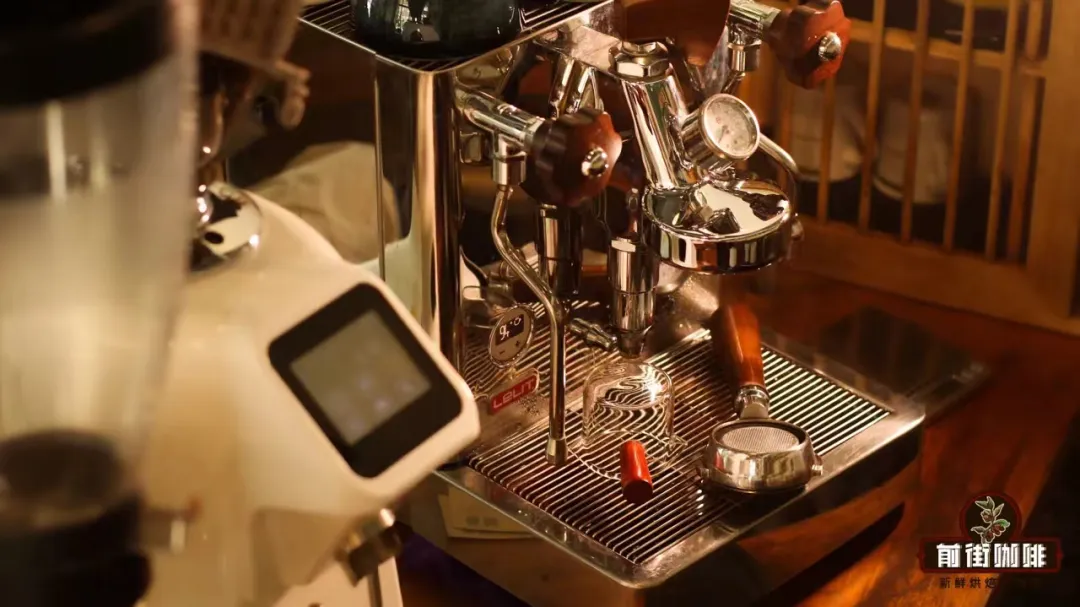
Although the above statement does not explicitly state the specific degree of coarseness of the grind, as long as we clarify the relationship between time and grind size, determining the grind size becomes easy.
Provided there are no issues with human factors such as distribution and tamping, the finer the coffee grind particles, the longer the extraction time, and the taste tends toward burnt and bitter, easily leading to over-extraction; conversely, the coarser the grind particles, the shorter the extraction time, and the taste tends toward sour, easily leading to under-extraction.
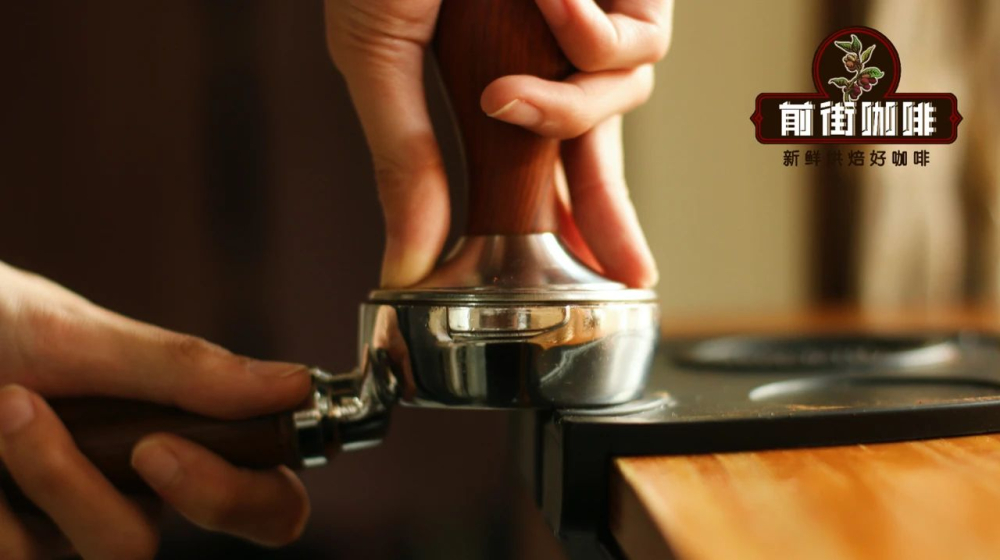
Therefore, when Front Street faces an unfamiliar espresso coffee bean or has changed to a new grinder, the approach to determining the grind size is: first determine the extraction plan. Front Street's preset espresso extraction plan is 20 grams of coffee grounds (depending on the capacity of the portafilter basket), using a 1:2 extraction ratio of coffee to liquid (the roast level of the Sunflower Warm Sun blend used by Front Street is slightly lighter than ordinary espresso beans, so a 1:2 ratio is used to highlight the flavor characteristics of Sherry coffee and Red Cherry coffee), that is, 40g of coffee liquid (weight units are used because they are more accurate than volume units; the weight of coffee crema is less than its volume).
For pressure and water temperature, fixed parameters are used. The pressure of the coffee machine used by Front Street is set at 9 bar, and the water temperature is 93°C. Then we only need to adjust the grind size to reach the preset time point. Some grinders have a bean hopper, so after each adjustment, the residual grounds need to be cleaned out to avoid affecting the accuracy during calibration.
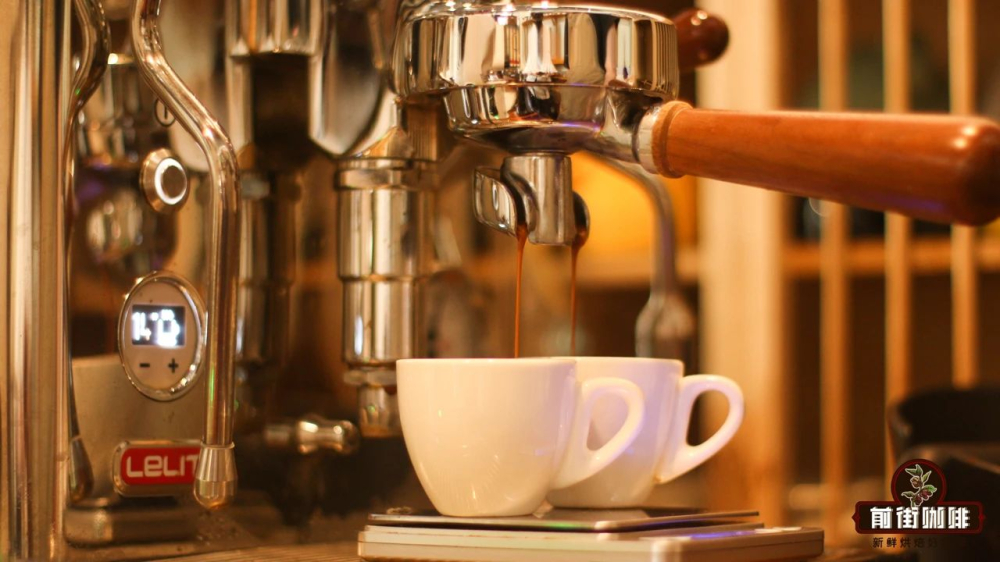
When it is dialed in to our preset time range, don't get too excited just yet. Because what we want is a delicious espresso, at this point it needs to be tasted to judge whether there are defective flavors such as bitterness, sharp acidity, or a watery mouthfeel, and then to judge whether it has the flavors that this coffee should express. If not, further adjustment is needed, and at this point the adjustment is not limited to grind size. Because the brewing parameters we preset are based on existing knowledge, and when facing an unfamiliar coffee bean, we need to consider whether the preset extraction parameters are reasonable.
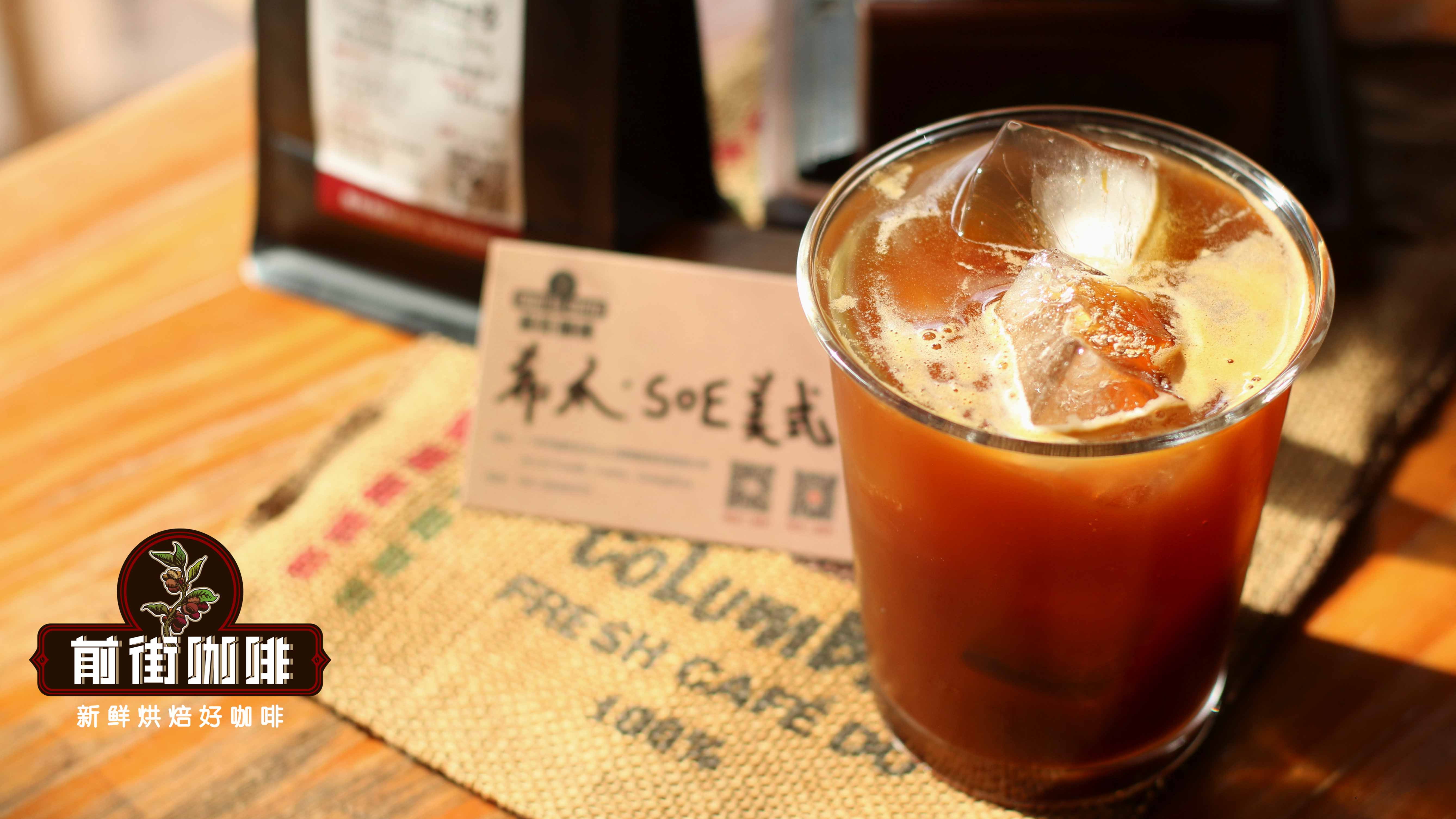
For example, when testing Front Street Colombia Pink Bourbon SOE coffee, when the right parameters are chosen (grind size, flow rate), the coffee will have very rich grape, passion fruit, and citrus flavors. But if, after dialing in to the appropriate grind size, the extraction parameters are 20g of coffee grounds extracting 40g of coffee liquid, taking 30 seconds, and a slight burnt bitterness is tasted, then the flow rate can be made faster by reducing the dose by 0.2–0.5g, thereby enhancing the expression of good flavors.
Therefore, when judging whether the grind size for espresso is correct, we first determine whether the extraction parameters are within a reasonable range, and then taste and test whether its flavor meets expectations. If not, fine-tuning is needed.
The above content is compiled by CoffeeHunters, a coffee news website.


