







How do coffee bean descriptions guide a pour-over recipe?
Facing an unfamiliar coffee bean, the fastest route to a workable pour-over recipe is to simplify the brewing framework first. Group beans by roast level, keep one versatile recipe for each group, then place the new bean using its flavor description and bean color. Medium roast can later be split out from light and dark, and special varieties such as Geisha may need their own adjustment.
Front Street keeps more than fifty coffees on its list but only two brewing recipes, one for light roasts and one for dark roasts. Dose, coffee-to-water ratio, and pouring technique stay fixed; only water temperature, grind size, and dripper change. Light-roasted beans resist extraction, so they call for higher water temperature, while the fixed parameters keep decisions simple.
When faced with a coffee bean you've never worked with before, how do you quickly put together a suitable pour-over recipe? This article starts by simplifying the brewing framework and shares a practical approach: first, roughly categorize coffee beans by roast level, establish a highly versatile brewing recipe for each category, then identify where an unfamiliar bean belongs by its flavor description and bean color. As experience accumulates, gradually refine the categories—deriving medium roast from light and dark roast, and even making further adjustments for special varieties like Geisha. Front Street Coffee uses its own two brewing recipes as an example to show that by keeping dose, ratio, and pouring technique consistent and only adjusting water temperature, grind size, and dripper, you can handle most beans. This approach both reduces decision-making costs and leaves room for future optimization.
First, simplify your brewing framework as much as possible. Everyone has their own habitual brewing methods and thought process, and the complexity of that thought process directly determines how complicated it is to build a brewing recipe. For example, some people create a fully customized recipe for every single coffee bean from scratch; others group the beans they've encountered into a few broad categories and cover them with two or three recipes.
Front Street's approach is: focus only on the few parameter variables that have the biggest impact, and simplify the brewing logic as much as possible, so you can find direction faster when facing an unfamiliar bean. Front Street's bean list has over fifty coffees, but only two brewing recipes are kept—one for light roasts and one for dark roasts.
Based on the characteristics of the coffee beans encountered in daily practice, Front Street roughly divides them into two categories—light roast and dark roast. These two recipes are highly versatile and can bring out the proper flavor characteristics of most beans. Among the main parameters, dose, coffee-to-water ratio, and pouring technique all stay the same, which relates to Front Street's brewing habits—keeping them fixed makes them easier to adapt to.
What actually differs is water temperature, grind size, and dripper. These parameters are adjusted for beans of different roast levels. Light-roasted beans are relatively resistant to extraction, so a higher water temperature and finer grind are used; dark-roasted beans are prone to over-extraction, so the water temperature should be lower and the grind coarser. The dripper pairing follows the same logic: V60 more easily brings out rich flavors and layering in the coffee, while Kono more easily achieves a full, mellow body.
So the first step is to clearly sort out the characteristics (commonalities and differences) of the coffee beans you've encountered in the past, then based on the differences among each type of bean, summarize a matching, highly versatile brewing recipe. The broader the applicability and the simpler the operation of each recipe, the better. Front Street uses roast level as the distinguishing factor, which is just one of many classification methods.
This is the prerequisite for building a brewing recipe for an unfamiliar coffee bean.
The second step is to determine which category you've already established the unfamiliar coffee bean belongs to. For example, if Front Street divides by roast level, then you only need to identify whether this bean is light roast or dark roast, and then apply the corresponding recipe.
The simplest way to judge roast level is to look at the flavor description on the label: if descriptions like floral or fruity appear—those leaning toward acidity—it's usually a light roast; if descriptions like nutty, cocoa, or caramel appear—those leaning toward bitterness—it's generally a dark roast.
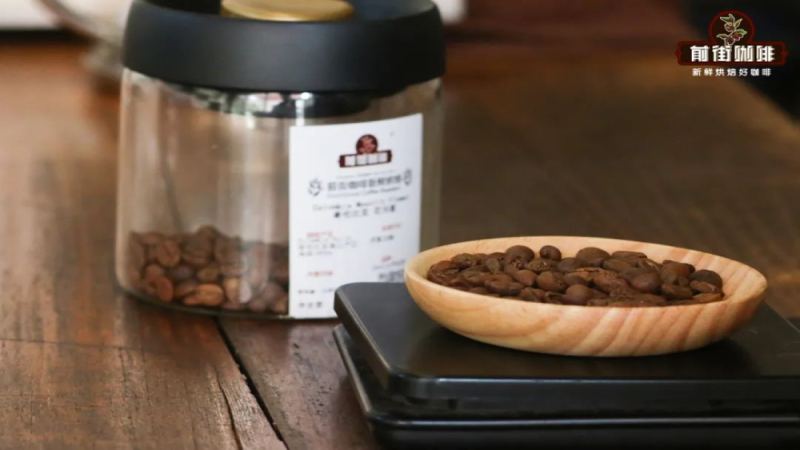
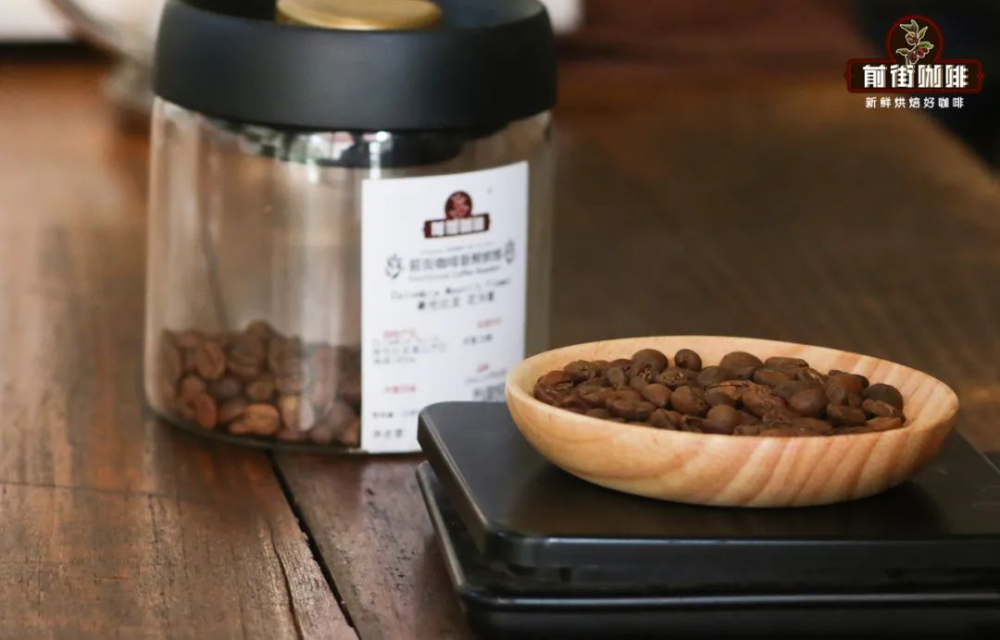
If there's no flavor description label, then you need to judge the roast level by the color of the coffee beans. Light-roasted beans range roughly from light brown to dark brown, while dark-roasted beans transition from dark brown to black.
As you keep brewing and summarizing, you'll gradually realize that coffee beans aren't simply light or dark. Light roast to dark roast is a continuous line, not two isolated points. So, beyond the original light roast and dark roast brewing methods, a third category gradually emerges—medium-roast coffee beans. On the surface it looks like adding another brewing method, but in reality it's further refining the original classification, making it more accurate.
As you continue to accumulate and summarize, you'll discover again: among light-roasted beans, some are more resistant to extraction, such as Geisha. So you'll once again create a more reasonable classification.
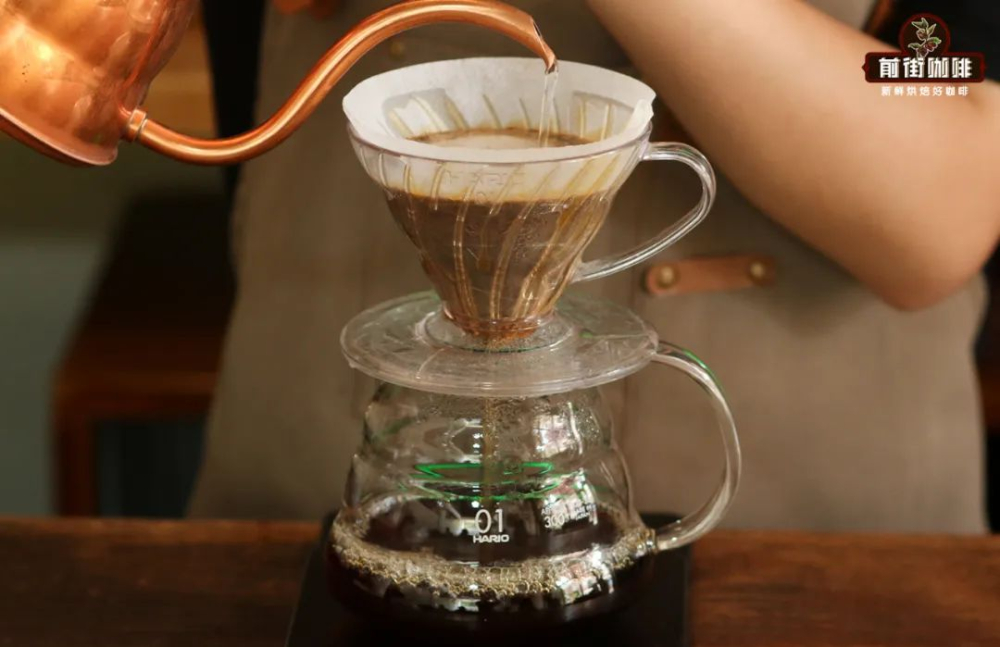
And so the cycle repeats… constantly refining your understanding. When facing an unfamiliar coffee bean, you can match the characteristics of the new bean against the characteristics of beans in your memory to find a reasonable brewing method. At the same time, this is also a process of continuously optimizing your recipe—the current brewing recipe may already bring out a good flavor from this bean, but there's certainly still room to bring out even better flavor by adjusting parameters, and it's worth continuing to explore.
The above content is compiled by CoffeeHunters, a coffee news website.


