







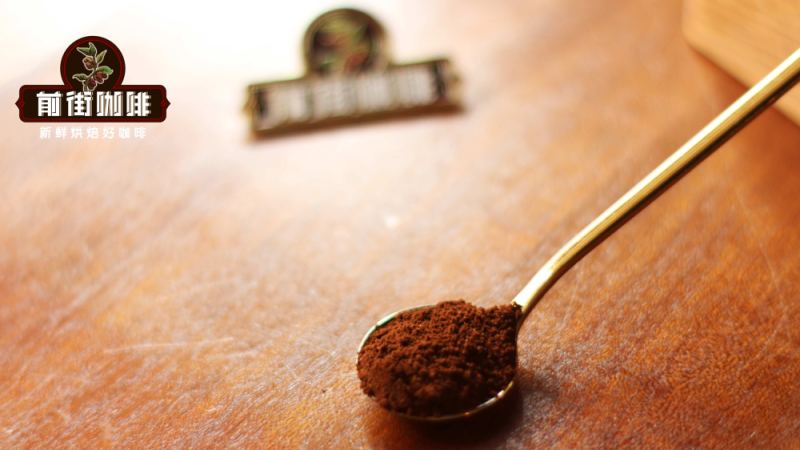
Many coffee enthusiasts will find that different brewing methods require vastly different coffee grind sizes. A granulated-sugar-like grind is commonly used for pour-over, French press, siphon, and cold brew, while espresso requires extremely fine particles between flour and silt. Since this fine powder is difficult to measure with a fixed standard, in practice the grind size is often judged by working backward from the extraction parameters. This article focuses on determining the grind setting for espresso, sorting out the correspondence between extraction time and grind fineness, explaining how to lock in the grind direction by presetting the coffee-to-liquid ratio, pressure, and water temperature, and sharing Front Street Coffee's debugging logic when encountering an unfamiliar espresso bean or changing grinders, helping readers understand the complete adjustment process from parameter setting to flavor cupping.
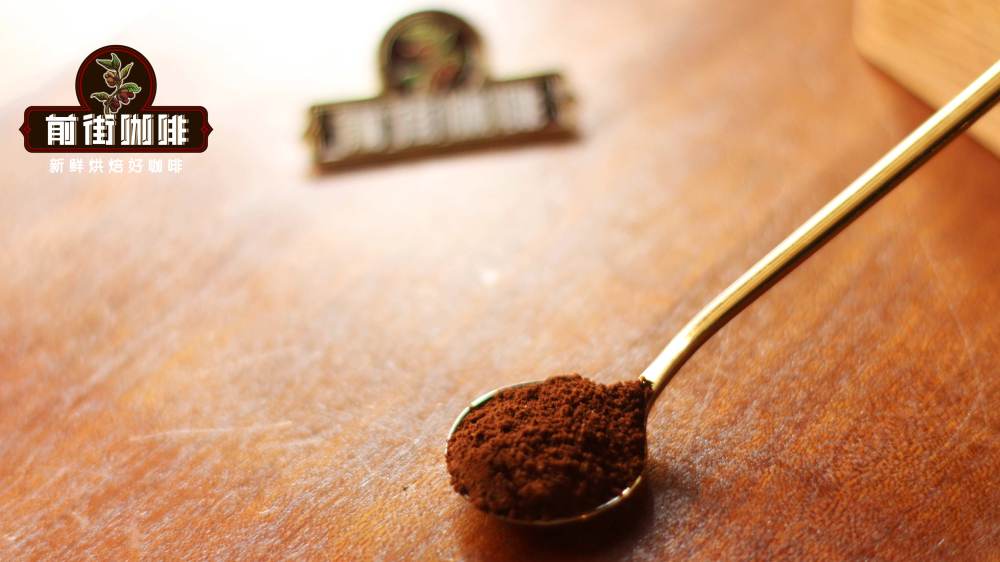
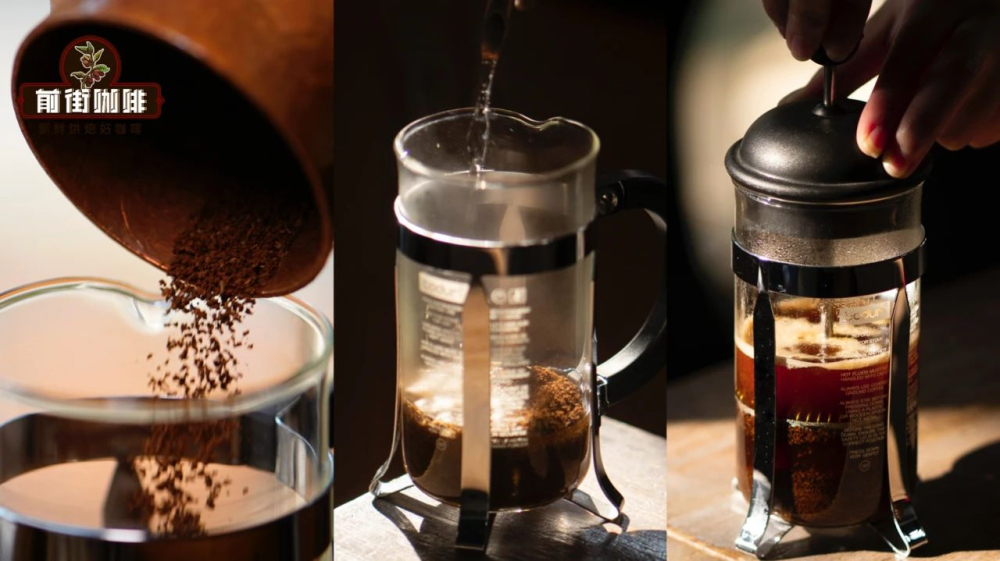
If you carefully observe the workflow in a coffee shop, you will find that although brewing methods are diverse, they can be roughly divided into two categories based on coffee grind size. The first category is a grind close to granulated sugar particles, which includes pour-over coffee, French press coffee, siphon coffee, and cold brew coffee.
The second category falls between flour and silt, which is the grind setting specifically used for making espresso. Because the particles are extremely fine, it is difficult for any device to provide a unified standard, so it usually must be judged comprehensively in combination with extraction parameters.
How to determine the grind size for espresso
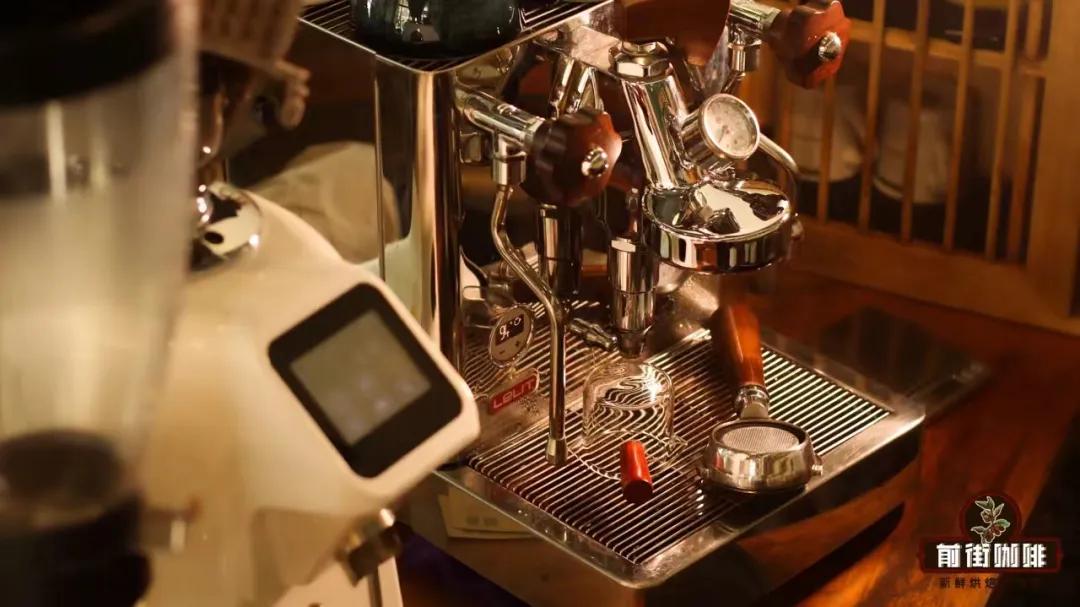
According to the definitions of Espresso by the Italian Coffee Association and the WBC, a qualified espresso is one in which hot water at 90.5~96°C is passed through at 9 atmospheres of pressure within 20~30 seconds to extract 1 ounce (about 30 ml) of coffee liquid with golden crema.
Although this definition does not directly state how fine the grind should be, as long as you grasp the relationship between time and grind size, determining the grind size is no longer difficult.
Under the premise that operations such as distributing and tamping the grounds are done properly, the finer the coffee particles are ground, the longer the extraction time will be, and the taste will tend toward burnt bitterness, making over-extraction likely; conversely, the coarser the particles, the shorter the extraction time, and the taste will tend toward sourness, making under-extraction likely.
Therefore, when Front Street Coffee gets an unfamiliar espresso bean, or after changing to a new grinder, the approach to determining the grind size is this: first finalize the extraction plan. Front Street Coffee's preset espresso plan is 20 grams of coffee powder (depending on the portafilter basket capacity), with a coffee-to-liquid ratio of 1:2 (the Sunflower Warm Sun blend used by Front Street Coffee is roasted slightly lighter than ordinary espresso beans, so a 1:2 ratio is used to highlight the flavor characteristics of Sherry coffee and Red Cherry coffee), that is, extracting 40 g of coffee liquid (using weight rather than volume because weight is more precise, and the weight of crema is less than its volume).
Pressure and temperature are fixed and unchanged; the coffee machine used by Front Street Coffee is set to 9 bar and 93°C. In this way, we only need to adjust the grind size to hit the preset time point. Some grinders have a bean hopper, and after each adjustment is completed, residual grounds must be cleaned out, otherwise it will affect the accuracy of the next adjustment.
When you have adjusted to the preset time range, do not celebrate too soon. Because what you ultimately want is a delicious espresso, at this point you need to taste it, judge whether there are defects such as bitterness, sharp acidity, or wateriness, and then judge whether it presents the flavor this bean should have. If not, you must continue adjusting, and at this point what can be changed is not only the grind size. Because the preset brewing parameters are based on existing knowledge, when facing an unfamiliar bean, you also have to go back and consider whether the preset extraction parameters are reasonable.
For example, when testing Front Street Coffee's Colombia Sidra SOE, as long as the parameters (grind size, flow rate) are chosen correctly, the coffee will have very rich grape, passion fruit, and citrus flavors. But if after adjusting the grind size appropriately, using 20 g of powder to extract 40 g of liquid over 30 seconds, it still tastes slightly burnt and bitter, then you can reduce the powder dose by 0.2~0.5 g to speed up the flow rate, thereby allowing the good flavors to express themselves better.
Therefore, to judge whether the grind size for espresso is correct, the first step is to confirm whether the extraction parameters fall within a reasonable range, and the second step is to taste whether the flavor meets expectations; if not, then make fine adjustments.
The above content is compiled by CoffeeHunters, a coffee news website.


