







How do coffee particles relate to grind setting moka pot use?
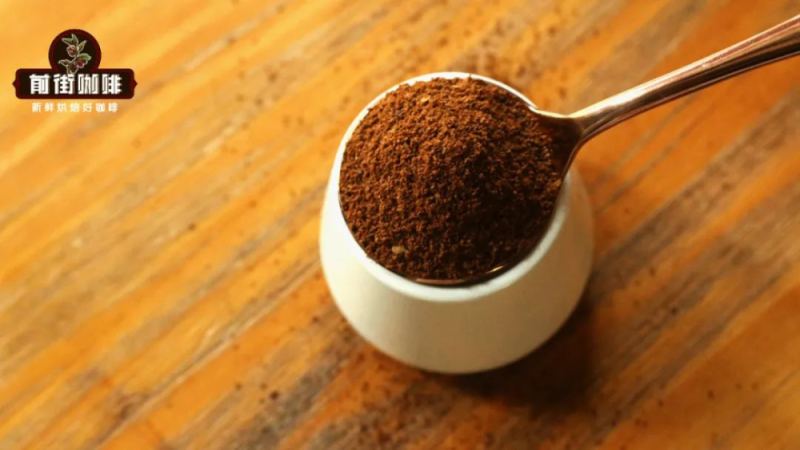
Grind size is the hardest pour-over variable to put into words, so baristas often compare coffee particles to everyday seasonings. Fine salt, fine and delicate, suits pressure methods like the moka pot. Fine granulated sugar is the usual reference for pour-over. Coarse granulated sugar and sea salt cover the coarser ranges used for other brewers.
Using sun-dried Red Cherry and a MAVO Wizard 2.0 manual grinder, the guide shows how to blind test an unfamiliar grinder toward the target setting. Watch the bloom pattern, drip time and the look of the spent grounds, then adjust in small steps. Start from a grind setting moka pot users would recognize and move coarser from there.
Among the many variables in pour-over coffee, grind size is often the hardest to describe precisely in words. Every enthusiast uses a different grinder, so when baristas talk with customers, they usually can only rely on everyday seasonings as analogies. Although this approach has its limitations, it is an effective way to quickly establish a brewing framework. This article will systematically sort out the applicable scenarios for four grind references—fine salt, fine granulated sugar, coarse granulated sugar, and sea salt—and, using sun-dried Red Cherry as an example and the MAVO Wizard 2.0 manual grinder, demonstrate how, when facing an unfamiliar grinder, you can gradually "blind test" your way to the ideal setting by observing the bloom pattern, drip time, and coffee grounds. This will help you find that perfect cup of coffee of your own.
In the realm of pour-over coffee, compared with other parameters, grind size is always one parameter that everyone finds hard to express clearly in words. Because the grinder each person has is different, whenever discussing brewing grind size with customers, many baristas first use visual analogy to describe it. Although they know it has certain limitations, this is indeed one of the fastest ways for us to enter a conservative brewing framework.
So, learning to quickly judge which coarseness range coffee powder falls into is a very critical step in brewing delicious coffee. Among the most commonly encountered seasonings used for analogy are fine salt, fine granulated sugar, coarse granulated sugar, and sea salt.
Fine salt When describing it, the biggest characteristic is "fine and delicate": it looks loose yet uniform, and when rubbed there is almost no gritty feeling. This degree of coarseness is suitable for extraction methods with pressure, such as the moka pot. Under high temperature and high pressure, fine powder can effectively release coffee oils.
Fine granulated sugar Its coarseness is the most common analogy for pour-over grind size. It feels soft with a slight sandy texture, and clumps are not obvious. During extraction, small particles can more fully release flavor compounds, and it is generally suitable for light to medium roast coffee beans that mainly express floral and fruity aromas.
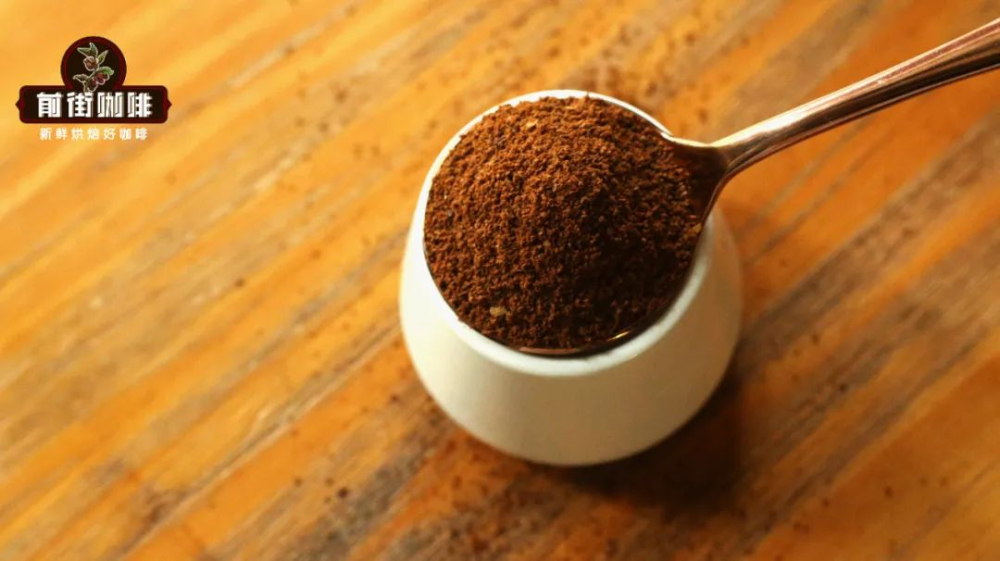
Coarse granulated sugar Also often called white sugar. It is not easy to distinguish from fine granulated sugar by eye, but when rubbed between thumb and index finger you can feel obvious graininess (if you put it in your mouth and chew, you can even hear a crunching sound). Coarse granulated sugar has a relatively larger surface area, which helps avoid over-extraction caused by too long steeping. Therefore, it is suitable for medium-dark or dark roast beans, such as those highlighting chocolate, caramel, and cocoa flavor types.
Sea salt It is the easiest to judge, referring to large crushed crystalline coarse salt, with many visible lumps and an overall uneven appearance. So compared with drip methods, it is more suitable for immersion methods, paired with an extraction time of 2–3 minutes, such as a French press or Clever Cup.
If you cannot reach a conclusion visually, we can also judge whether the grind is too coarse, too fine, or just right by combining the particle form and duration during extraction. Because no matter how the particle size is distributed, we still need to test based on the stages of the actual brew and the final taste. At this point, we can use the form of suspended particles during blooming, the total drip time, and the size of coffee grounds to reach an answer.
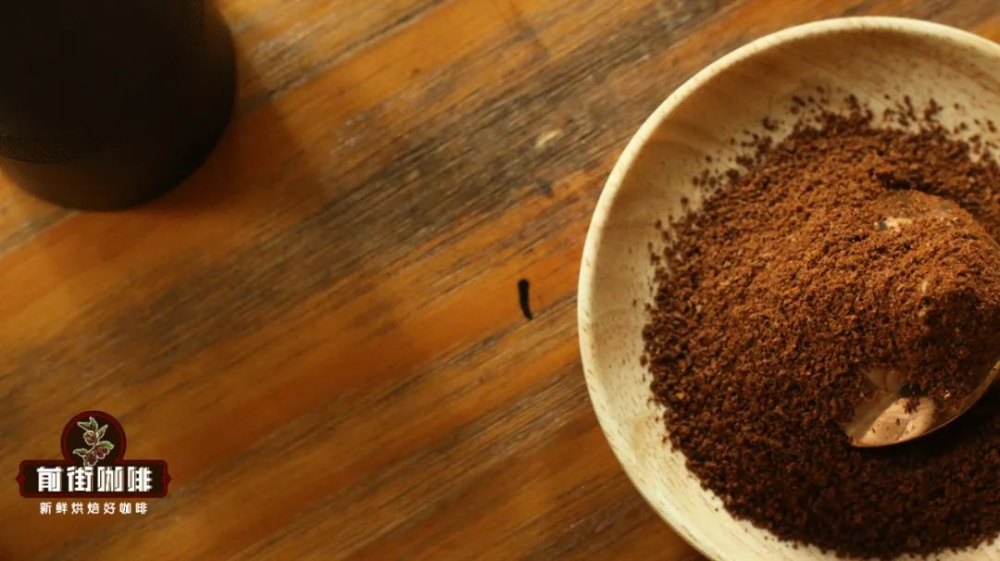
Here Front Street uses sun-dried Red Cherry as the brewing protagonist, with the MAVO Wizard 2.0 manual grinder as the grinding equipment, and uses the methods mentioned above to demonstrate to everyone how, when facing an unfamiliar grinder, to "blind test" the ideal grind setting.
First, use a small amount of coffee beans (3–5 g) to test grind at the first setting. If the resulting particles are mostly clumpy, clearly close to sea salt, then you can adjust much finer. Here Front Street turned 10 clicks in the finer direction, and the resulting powder was close to fine granulated sugar in size, which meets the grind requirement for pour-over. At this point we can move on to extraction to verify it.
Sun-dried Red Cherry coffee beans: 15 g Total water: 225 g Water temperature: 91°C Dripper: V60 Three-pour method: 30 g, 95 g, 100 g
During the bloom stage, the coffee particles after being ground finer were clearly tightly connected and had high water retention. As pouring approached the final stage, the flow rate became noticeably slower and slower. The filter paper was very likely clogged by a large amount of extremely fine powder, and the extraction time exceeded 2.5 minutes. From the used coffee grounds, you could see mud-like powder sticking to the surface, and the coffee liquid had a rather heavy berry note on entry, with a slightly astringent finish. So this indicates the grind was too fine and caused over-extraction, and it should be adjusted somewhat coarser. Here Front Street adjusted 3 clicks coarser, then continued testing.
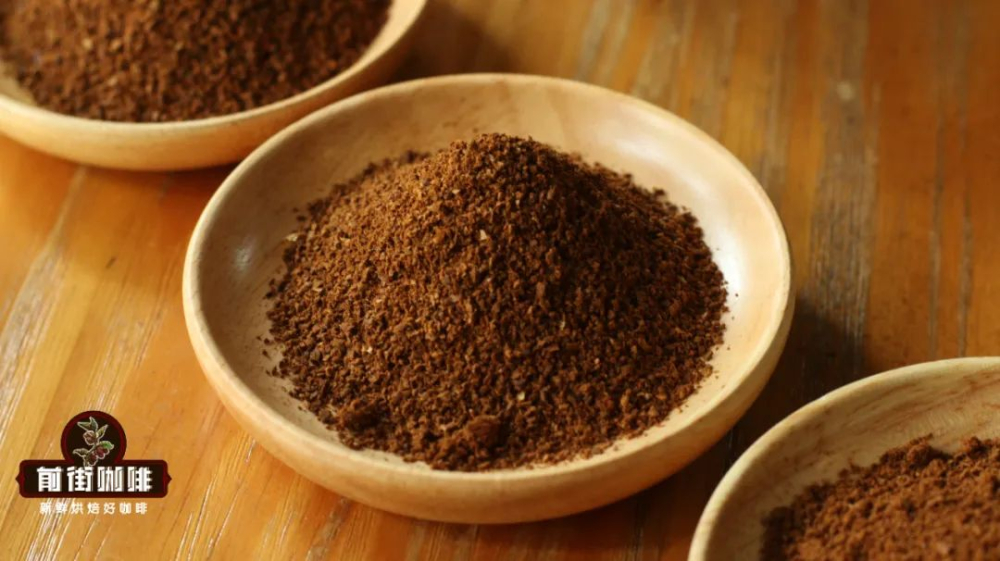
Under the same brewing parameters, the coffee grounds at the new setting had larger suspended particles during blooming, and the slurry was on the drier side . The flow rate throughout the pouring process was stable , and the total extraction time was 2 minutes 8 seconds. The coffee grounds were fluffy and evenly distributed on the wall of the dripper. The coffee tasted moderate in strength , with citrus-like fruit acidity sweetness and a caramel finish. It seems this is the ideal grind setting we were looking for.
- END - Front Street Coffee
No. 10, Baoqian Street, Yandun Road, Dongshankou, Yuexiu District, Guangzhou, Guangdong Province
The above content is compiled by CoffeeHunters, a coffee news website.


