







Search Results for: trademark application
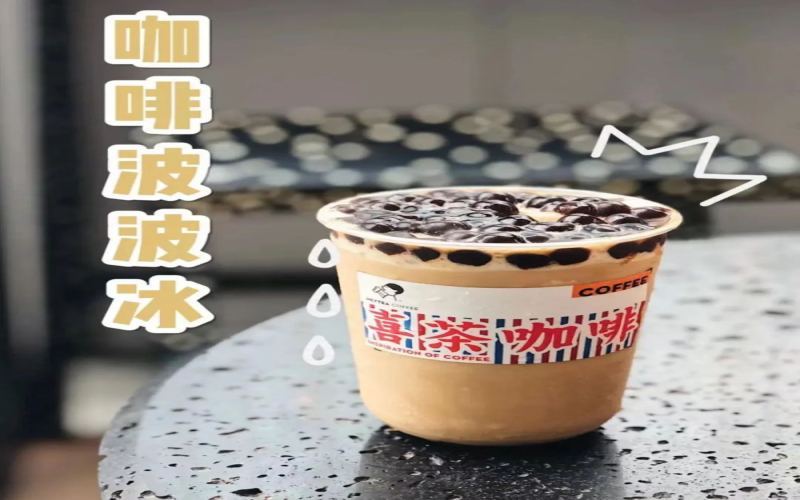
HEYTEA Coffee's trademark registration was rejected due to deceptiveness and similarity, and its lawsuit against the China National Intellectual Property Administration also failed.
In 2019, Heytea made a cross-industry foray into coffee products, blending milk tea elements into coffee and applying to register the "Heytea Coffee" trademark. However, the China National Intellectual Property Administration deemed the trademark deceptive and similar to the cited trademark "Xicha," rejecting the registration application. Heytea's affiliated company disagreed and sued the China National Intellectual Property Administration. The court of first instance upheld the rejection decision, finding that the disputed trademark could easily mislead the public about the characteristics and quality of the goods and cause confusion with another party's prior trademark. This article reviews the case process and the court's key rulings, for coffee enthusiasts to learn about brand trademark protection developments. [more…]
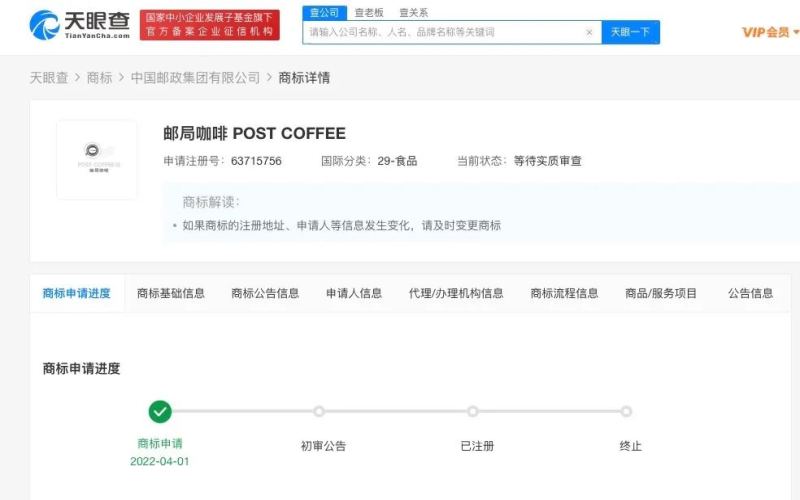
China Post's Coffee Trademark Application Rejected: An Analysis of China Post's Cross-Industry Layout and the Industry Boom
China Post's application for the "邮局咖啡 POST COFFEE" trademark was recently rejected, sparking widespread attention. Since the first store opened in Xiamen in February 2022, Post Coffee has expanded to four cities—Xiamen, Nanjing, Quanzhou, and Beijing—with six stores, focusing on a blend of postal nostalgia and cultural creativity. The co-founder had planned to open a hundred stores by the end of the year, but the trademark registration setback has led to widespread discussion online. Meanwhile, giants from various industries such as Li-Ning, Xtep, Tongrentang, and East Buy have entered the coffee sector. What are the prospects for cross-industry coffee ventures? This article reviews Post Coffee's expansion journey, product features, and trademark controversy, and takes stock of cross-industry dynamics in the industry. [more…]
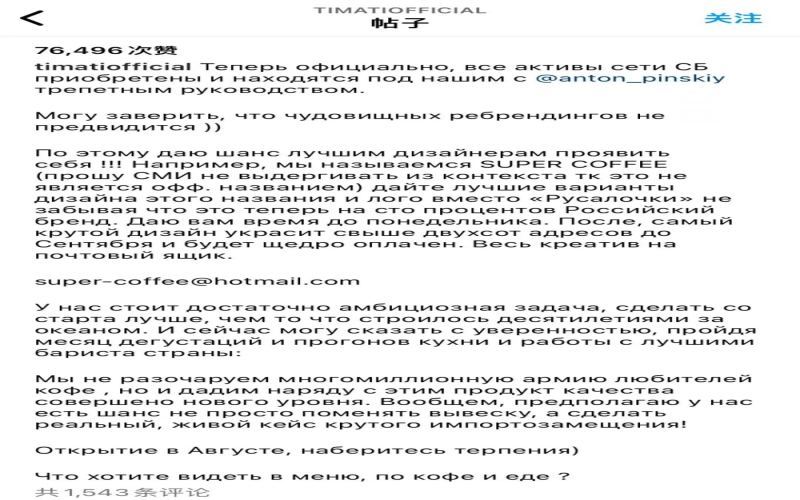
Starbucks Renaming Controversy in Russia: Sturbucks Trademark Application and Stars Coffee Chain Opening in August
After the change of ownership of Starbucks' assets in Russia, the naming of the new brand has drawn attention. On August 12, the Russian Federal Service for Intellectual Property (Rospatent) received applications for Sturbucks (not a typo) and three other trademarks, with the final name yet to be determined. Previously, rapper Timur Yunusov, along with Anton Pinsky, owner of the catering company Pinskiy&co, and the Syndicate company under Senator Arsen Kanokov, jointly acquired and managed Starbucks' assets in Russia. The new brand is planned to open in mid-August and will be open to the media on August 16. They had considered using a Lego bear as the logo and incorporating the singer's signature, but later switched to thermal printing due to the workload. This article reviews the sequence of events, trademark options, and netizen reactions. [more…]
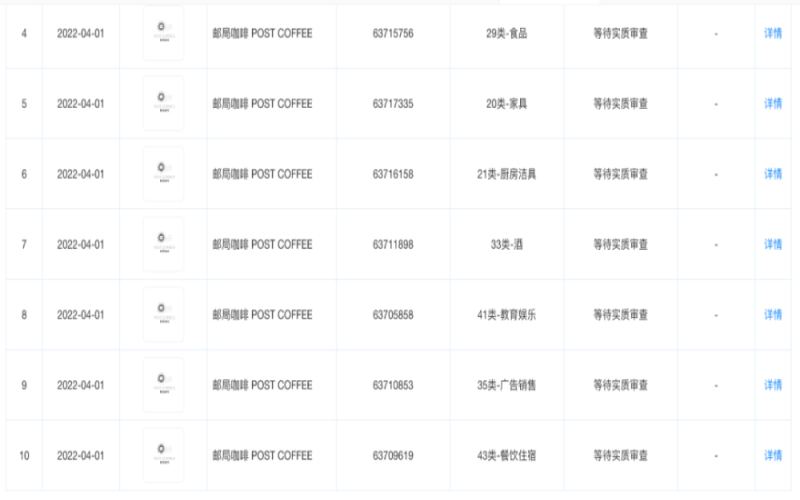
China Post's Foray into the Coffee Track Hits a Snag: An In-Depth Analysis of the Rejection of the "Post Office Coffee" Trademark Application
China Post has made a high-profile entry into the coffee market, yet it has encountered setbacks in the trademark registration process. In April of this year, several "Post Coffee POST COFFEE" trademarks submitted by the postal group all received rejection notices. This incident has sparked widespread attention: is it because common terms lack distinctiveness, or because they are similar to existing trademarks? Will the trademark obstacle affect the daily operations of Post Coffee? At the same time, disputes over "who is the first Post Coffee" continue to ferment in Xiamen, Zhongshan, and other places. This article will sort out the sequence of events, analyze the legal logic behind the trademark rejection, and bring a professional perspective from Front Street Coffee. [more…]
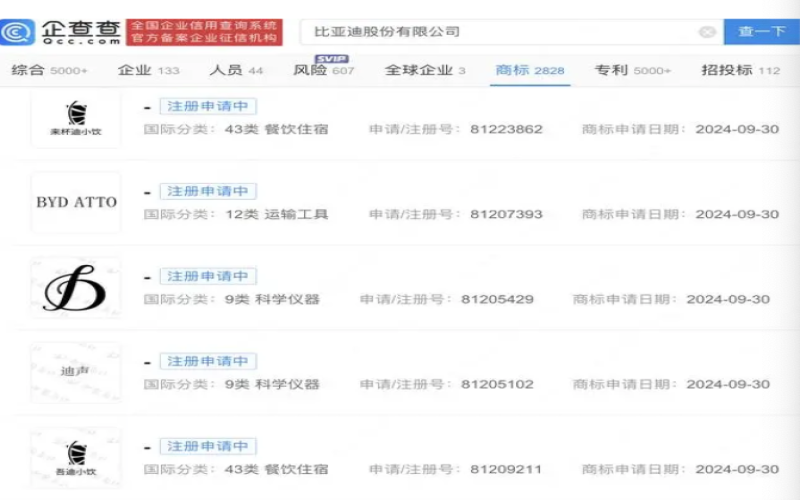
Auto giant expands into coffee territory again: BYD registers "Wudi Xiaoyin" series of food and beverage trademarks
BYD, a leading domestic new energy vehicle company, recently submitted registration applications to the China National Intellectual Property Administration for two trademarks, "Wudi Xiaoyin" and "Laibei Di Xiaoyin," with the international classification pointing to the food and beverage and accommodation sector. The applications are currently awaiting substantive examination. This move is seen by the industry as a new step by BYD on the path of diversified operations. In fact, as early as 2023, BYD had already established themed restaurants and cafes in Singapore, integrating automobile displays with dining experiences. From overseas experimentation to domestic trademark reserves, this automaker seems intent on embedding coffee culture into its showroom service scenarios. This article will sort out the specific information of BYD's trademark applications, review its past attempts in the food and beverage and coffee sector, and analyze the strategic intent behind this cross-industry move. [more…]
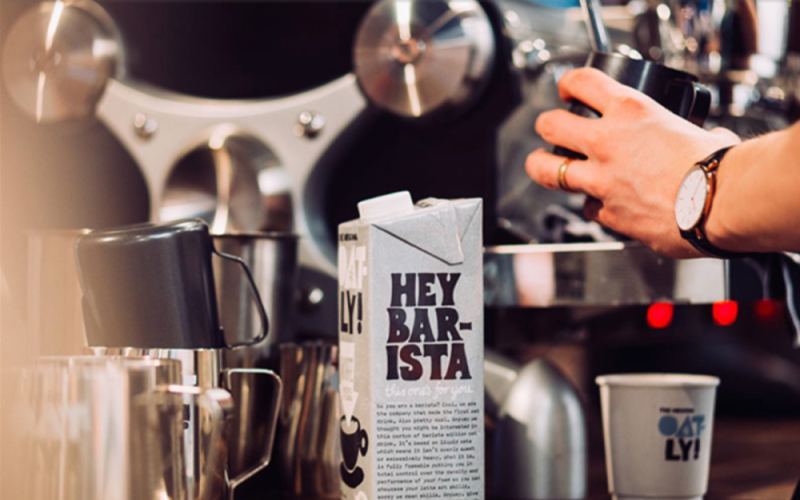
Oatly's application to trademark "Barista" in New Zealand was rejected, drawing renewed attention to the controversy over registering generic terms.
Recently, Oatly, a giant in the oat milk industry, attempted to register the word "Barista" as a trademark in New Zealand, but encountered strong opposition from local food wholesaler Bidfood. Bidfood argued that the term has long been a generic name in the plant-based milk sector and should not be monopolized by any company. The New Zealand Intellectual Property Office ultimately supported Bidfood's position, determining that "Barista" is a descriptive term when used for dairy alternatives. This incident not only highlights the challenges of determining generic names in international trademark registration but also brings to mind similar cases in China, such as the trademark squatting of "Geisha Coffee." Where exactly is the boundary of trademark protection? What potential risks does the registration of generic names pose to the industry? This article will provide a detailed analysis for you. [more…]
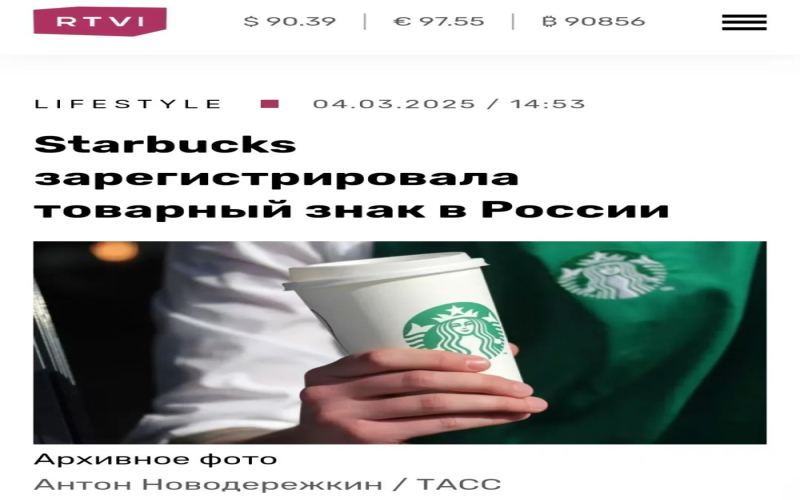
Starbucks has reapplied for trademark registration in Russia and may return to the Russian market before long.
Starbucks recently filed a trademark registration application with the Russian Federal Intellectual Property Office and has received a registration decision, which may mean that this coffee chain giant will return to the Russian market soon. After the Russia-Ukraine conflict broke out in 2022, Starbucks announced its withdrawal from Russia and closed all 130 stores, and its assets were subsequently acquired by a local company and transformed into Stars Coffee. Now, as the international situation changes, the possibility of Starbucks re-entering Russia is increasing, and this development has also put Stars Coffee, which took over its original business, in an awkward position. [more…]
Starbucks Signals a Return to Russia? A Flurry of Trademark Registrations Sparks Market Attention and Speculation
Recently, Starbucks was reported to have filed multiple trademark registration applications with the Russian Federal Intellectual Property Office, covering core brand identifiers such as "Starbucks Coffee" and "Frappuccino," as well as related categories including instant coffee, beverage preparation, and membership management. This move quickly sparked speculation about whether the company plans to return to the Russian market. After exiting Russia in 2022, Starbucks' assets in the country were acquired by a local company and rebranded as "Stars Coffee," and a trademark legal dispute between that brand and Starbucks still persists. Over the past two years, Russia's coffee market has undergone significant changes, with intensified competition, shifting consumer habits, and continued uncertainty in the political and economic environment. Even if Starbucks returns, it may not be smooth sailing. So far, there has been no official response. [more…]

Luckin Coffee May Enter the Taiwan Market in December, with Franchisee Shunyu Holdings Coming to Light
Recently, a coffee shop under renovation in Taipei City, Taiwan Province, China, has attracted widespread attention, with multiple clues pointing to the possibility that the chain brand Luckin may open its first store in Taiwan there. The talent recruitment notices, renovation permits, and opening preview posters posted on the construction hoarding all reveal a design style highly similar to that of Luckin. The website of the agent Shunyu Holdings even directly announced that "the first store is expected to open in December 2025." Although Luckin applied for a trademark as early as 2019, this move is interpreted by outsiders as imitating Starbucks' layout in Taiwan through an agent model. Facing fierce competition in the local coffee market, consumer attitudes are divided, and when a reporter called the contact number on the recruitment notice, no one answered, leaving the store opening plan still uncertain. [more…]
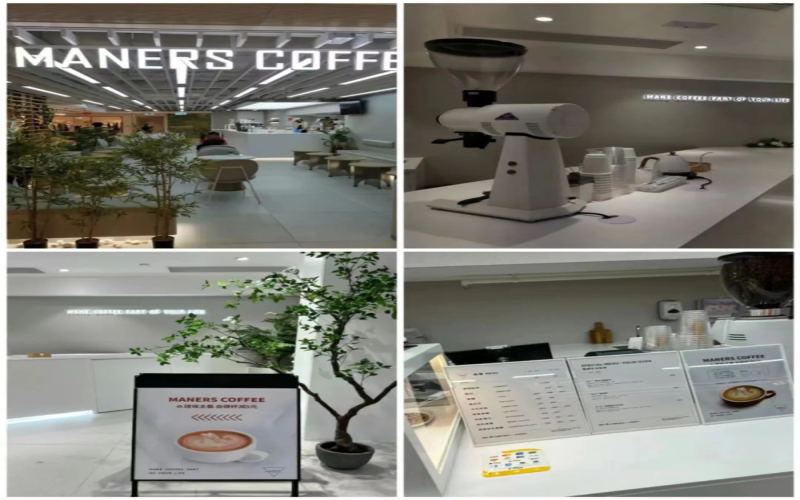
Hong Kong Manner stores were forced to change their name to Maners, but netizens mistook it for a knockoff brand
Recently, a Hong Kong netizen spotted a coffee shop called "Maners" in a large local supermarket. Its logo, decor, and product posters closely resemble those of mainland Manner, and it even offers a 5-yuan discount for bringing your own cup, sparking suspicions of a knockoff. However, the truth is surprising—this store is actually Manner's legitimate outlet in Hong Kong. Because the "Manner" trademark has already been registered by another Hong Kong company, Manner was forced to adjust its name and launch as "Maners." The trademark application was rejected and failed on review. Although it can currently continue to be used, it is not legally protected and carries future infringement risks. This renaming saga not only led fans to mistakenly attack the real brand but also sounded a warning about trademark layout when brands go overseas. [more…]
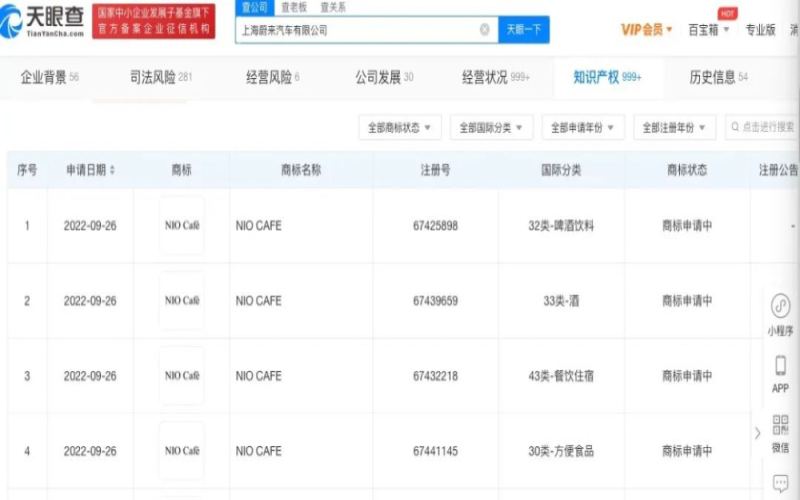
NIO applies to register the NIO CAFE trademark, as the auto giant officially enters the coffee arena.
The appeal of the coffee market continues to climb, and now even the new forces in car manufacturing can no longer sit still. Shanghai NIO Automobile Co., Ltd. recently applied to register four "NIO CAFE" trademarks, covering international classifications such as catering and accommodation, beer and beverages, and convenience foods, sparking widespread industry attention. In fact, NIO's offline stores have long had dedicated coffee areas, and this trademark registration means it will formally enter the coffee sector. Against the backdrop of the coffee market's continued expansion and a surge in orders from lower-tier cities, will car brands' cross-industry entry impact the existing coffee landscape? This article will analyze from the perspectives of trademark applications, market data, brand positioning, and industry impact, and bring Front Street Coffee's professional observations. [more…]
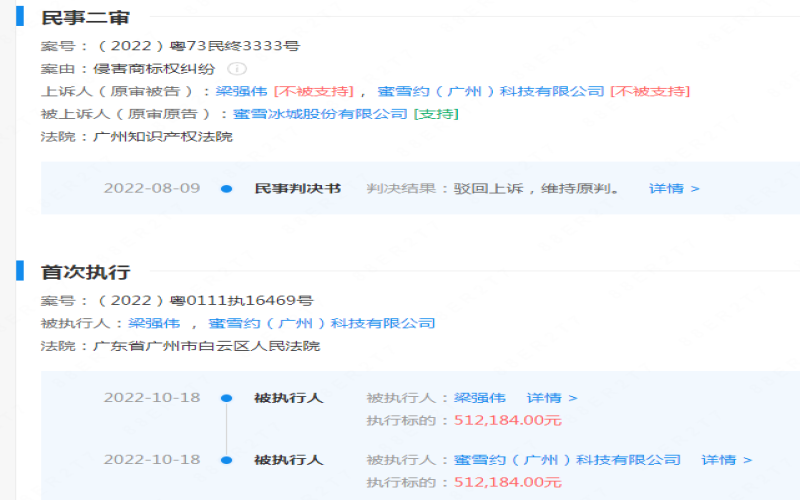
Mixue Approx. Affiliate Sentenced to Pay 510,000 Yuan for Trademark Infringement of Mixue Bingcheng; Defensive Trademark Portfolio Becomes a Moat for Tea Beverage Brands
The new tea beverage sector continues to heat up, and the phenomenon of brand trademarks being maliciously infringed upon is becoming increasingly frequent. Well-known brands such as Heytea, The Alley, and Sexy Tea have all encountered counterfeit troubles, and this time it is Mixue Bingcheng, with stores all over the world, that is affected. A milk tea brand called Mixueyue was sued by Mixue Bingcheng for trademark infringement because its text and trademark were highly similar to the Mixue Bingcheng series of trademarks. The final judgment ordered Mixueyue to pay 512,184 yuan in compensation, and its appeal request was rejected. Mixue Bingcheng has more than 22,000 stores worldwide, and its A-share listing application has also been accepted, while Mixueyue Company has now been deregistered. Behind this lawsuit is the strategy of leading tea beverage brands building a legal moat through defensive trademarks. This article takes you through the whole case, the backgrounds of both parties, and the operating logic of defensive trademarks. [more…]
Huawei Crosses into the Coffee Sector, Files Trademark for "Yibiao Coffee": Why Is the Tech Giant Eyeing Coffee's Media Value?
The coffee industry has become a popular field for various giants to compete in laying out their presence in recent years, with catering and non-catering enterprises entering the fray across sectors. According to Qichacha data, China has more than 320,000 coffee-related enterprises, with 15,000 new registrations annually. After Li-Ning, tech giant Huawei has also been reported to have applied to register the trademark "One Cup of Coffee Absorbs Cosmic Energy," classified under catering and accommodation, and is currently awaiting substantive examination. Unlike directly seizing market share, Huawei seems to place greater emphasis on coffee's connective function as a global medium, hoping to use it to attract younger groups. Ren Zhengfei once interpreted Huawei's spirit of openness with "a cup of coffee absorbs cosmic energy," and this trademark application continues that philosophy. Whether Huawei's advantages in the digital field can help it create new miracles in the coffee track is worth watching. [more…]
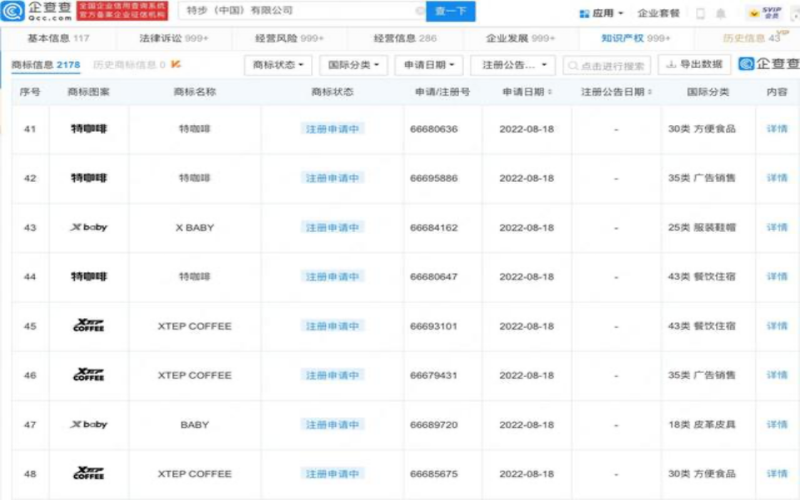
Xtep Applies to Register "Te Coffee" Trademark, Adding a New Player to the Sports Brand Cross-Over Coffee Track
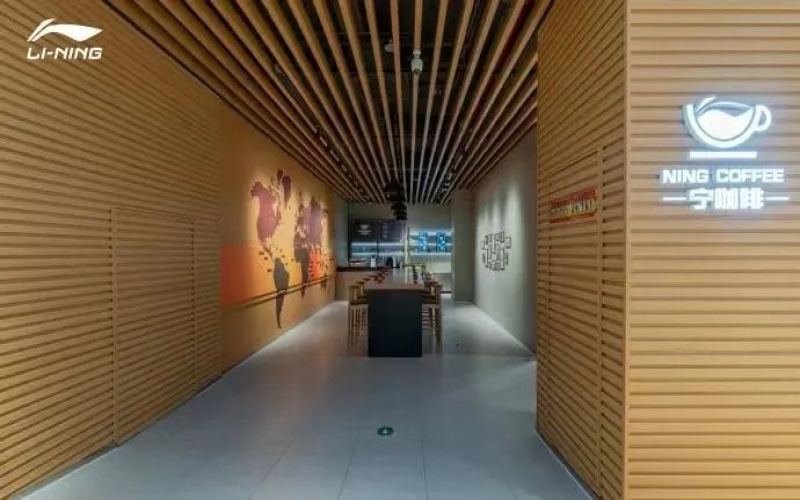
Following Li-Ning's launch of Ning Coffee, another sporting goods company has begun to stake out the coffee market. According to Qichacha, Xtep (China) Co., Ltd. has applied to register multiple coffee-related trademarks, covering categories such as food and beverage services and accommodations, convenience foods, and advertising and sales. In recent years, from tea beverage brands to time-honored traditional Chinese medicine brands, and from education companies to tech giants, cross-industry forays into coffee have emerged one after another. Is Xtep's move this time a continuation of its approach of innovating the in-store experience, or is it intended to open up an entirely new business territory? This article will review Xtep's coffee layout moves and look back at typical cases in recent years of brands from various industries crossing into coffee. [more…]
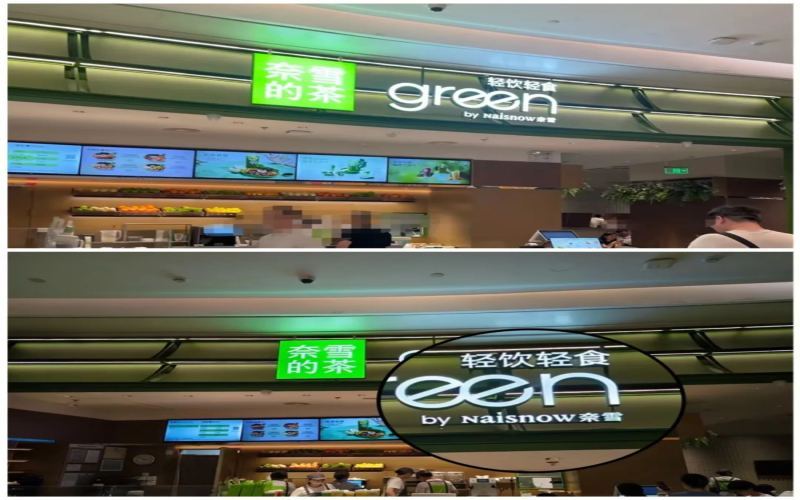
Nayuki store rebranding to "Naisnow Nayuki" sparks heated discussion, with the brand's multiple name changes and overseas expansion speculation becoming the focus.
The NAIXUE store in Bao'an Uniwalk, Shenzhen, debuted as the "second NAIXUE Tea · green light drinks and light meals store nationwide," but customers noticed that the wording on the light sign had changed from "by NAIXUE" to "by Naisnow NAIXUE." On social platforms, some netizens also shared that two stores had adopted the "Naisnow NAIXUE" name and a new snowflake-shaped logo, sparking widespread discussion. NAIXUE was originally called "Nayuki," but because it was often mistaken for a Japanese brand, it gradually changed to "NAIXUE" in 2023. Tianyancha shows that its parent company submitted 8 trademark applications in March this year, including "Naisnow NAIXUE." Netizens have mixed opinions on the new name. Some speculate that it is paving the way for overseas expansion, while others think it is neither Chinese nor Western, hard to remember and hard to pronounce. The new logo has also been said to resemble a biotech company or a software icon. Whether frequent brand name changes affect brand awareness has become a point of concern. [more…]

"People's Cafe" has nearly 30 locations nationwide, yet its trademark has been repeatedly rejected: the compliance of its store logo sparks heated debate
Recently, a coffee shop branded "People's Coffee" sparked widespread discussion in Shijiazhuang. A subsequent media investigation found that similar stores have covered 18 provinces and 20 cities nationwide, with nearly 30 directly operated outlets. Its parent company, YaoChao (Shanghai) Culture Communication Co., Ltd., has applied for the "People's Coffee" trademark multiple times since 2022, but all applications were rejected. It only holds two registered trademarks: "Chao People's Coffee" and "YaoChao People's Coffee." However, the actual store signs do not display the words "Chao" or "YaoChao." This phenomenon has drawn public attention to commercial signage compliance, trademark usage norms, and potential legal risks, and lawyers have also offered professional interpretations. [more…]
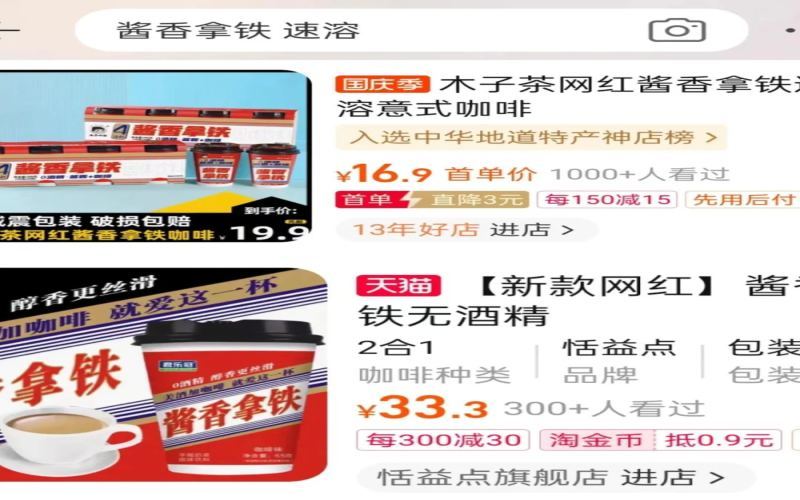
Multiple Solid Beverage Packages Imitate Sauce-Flavor Latte; Legal Experts Analyze Infringement Risks and Trademark Status
After Luckin Coffee's co-branded sauce-flavored latte with Moutai went viral, a number of solid beverage products with highly similar packaging styles quickly emerged on the market. These products not only have similar names, but also almost copy the red background with blue-and-white diagonal bar composition of the original packaging. Some lawyers pointed out that using a similar trademark on the same or similar goods without the permission of the trademark registrant, where it is likely to cause confusion, constitutes infringement of the exclusive right to use a registered trademark. However, some manufacturers claim that the sauce-flavored latte category cannot be registered and that the color scheme is not protected by copyright, which has triggered discussion about the boundary between imitation and infringement. [more…]
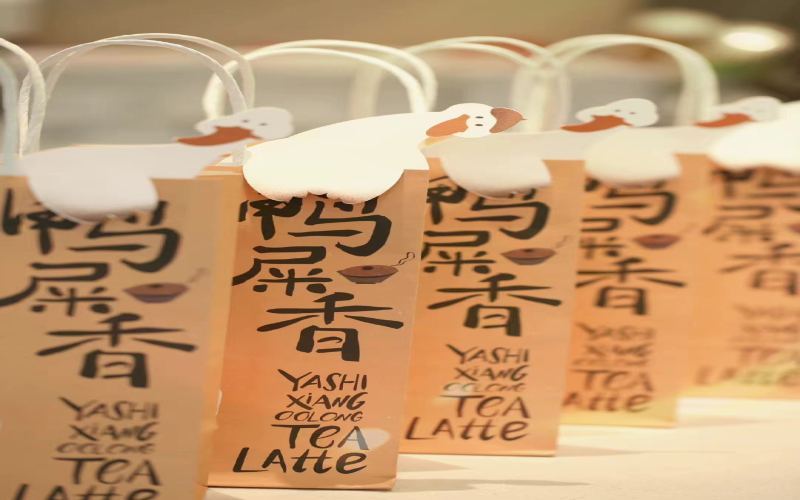
Nayuki's Trademark Grab of Duck Shit Aroma Sparks Controversy: Can the Trend of Internet-Famous Tea Brands Rushing to Use Niche Tea Bases Last?
This October, "Duck Shit Aroma" milk tea sparked a craze on social media, bringing Chaoshan's Phoenix Dancong tea into the public eye. After Nayuki's Tea seized the trend by launching a Duck Shit Aroma beverage, it then applied to register the trademark "Nayuki Duck Shit Aroma," triggering heated discussion online. Supporters see this as a differentiated brand strategy, while opponents question whether a famous regional tea should be monopolized by a company. In fact, tea beverage brands such as Uncle Qiu had long made Duck Shit Aroma a standard tea base—so is tying a niche ingredient to a commercial brand reasonable? This article walks you through the whole incident and explores the boundary between innovation in the tea beverage industry and trademark protection. [more…]
Xtep's cross-industry coffee debut store lands in Chengdu—why is the signboard not "Te Coffee" but COSINE KASHU?
Another case of a sports brand entering the coffee arena. Following Li-Ning's launch of Ning Coffee, Xtep, which has over 6,251 offline stores, has also filed trademark applications for "T Coffee" and "XTEP COFFEE." Recently, Xtep's first coffee shop opened within its flagship store in the Chunxi Road commercial district of Chengdu. Surprisingly, the store sign does not display "T Coffee" but instead shows "COSINE COFFEE." It turns out this is a collaborative store created by Xtep and COSINE, a trendy beverage brand founded in Shanghai in 2021. Rather than opting for a self-operated model, Xtep chose collaboration to reduce the risks of cross-industry expansion and test the waters. Whether this store is an attempt by Xtep to develop a side business or merely a supporting facility to enhance the in-store consumer experience, the company has not yet given a clear response. [more…]
CATL registers "Ning Coffee" trademark, crossover beverage at new energy lifestyle plaza draws attention
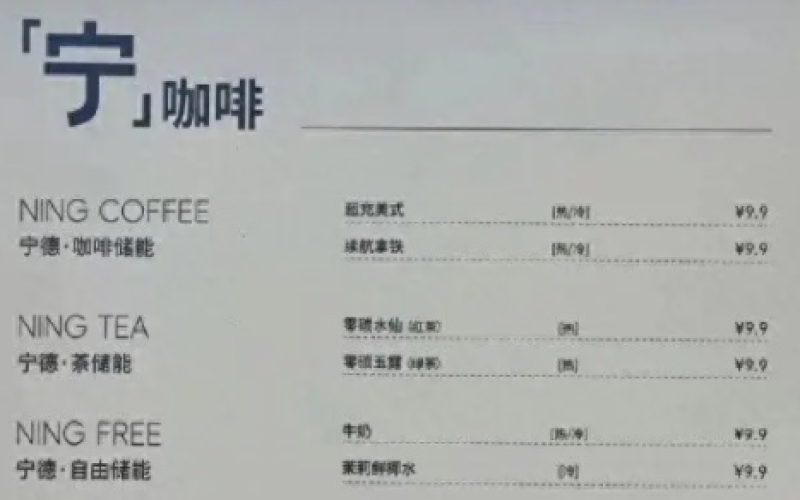
CATL has applied to register the "Ning Coffee" trademark, with classifications covering convenience foods and food and beverage accommodation services; it is currently at the substantive examination waiting stage. Previously, its offline showroom had already launched six drinks, including "Range Latte" and "Supercharge Americano," along with "Shenxing" medium-dark roasted coffee beans, sparking outside speculation that it was entering coffee retail. The company responded that the coffee is only a supporting service, not a main business. This cross-industry move is seen as an attempt to build a presence in the consumer market and create a fan economy. Front Street Coffee notes that the collision between new energy and coffee is becoming a new highlight in the industry. [more…]