







Why Was the Heytea Coffee Trademark Application Refused?
Heytea applied to register the Heytea Coffee trademark after entering coffee in March 2019, but the China National Intellectual Property Administration refused it. The office found the mark deceptive and similar to the cited trademark Xie Cha, and the first-instance court upheld that decision, ruling the mark could mislead the public about the goods.
The brand mixed milk tea elements into coffee, adding brown sugar boba, milk pudding, Oreo crumbs and cheese milk foam, and packaged the drinks in a Hong Kong-style aesthetic. The dispute turned on the Xi Cha portion of the mark, which the office found similar in composition and identical in meaning to the cited Xie Cha. The case is a reference point for any coffee enthusiast watching brand protection.
Heytea made a cross-industry foray into coffee products in 2019, blending milk tea elements into coffee and applying to register the "Heytea Coffee" trademark. However, the China National Intellectual Property Administration deemed the trademark deceptive and similar to the cited trademark "囍茶" (Double Happiness Tea), rejecting the registration application. Heytea's affiliated company disagreed and sued the China National Intellectual Property Administration. The court of first instance upheld the rejection decision, ruling that the disputed trademark could easily mislead the public about the characteristics and quality of the goods and cause confusion with prior trademarks. This article summarizes the case proceedings and the court's key rulings, for coffee enthusiasts to learn about brand trademark protection developments.
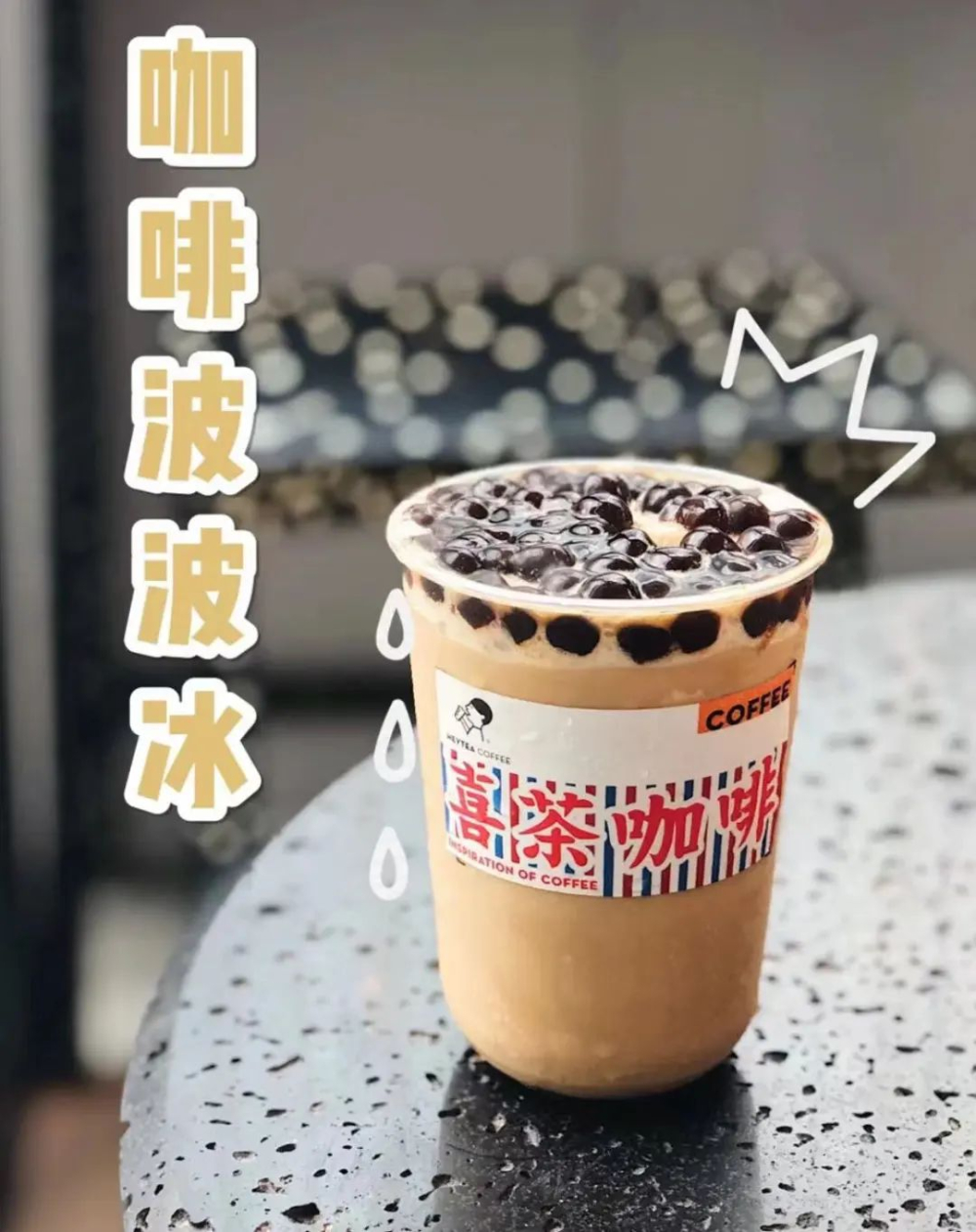
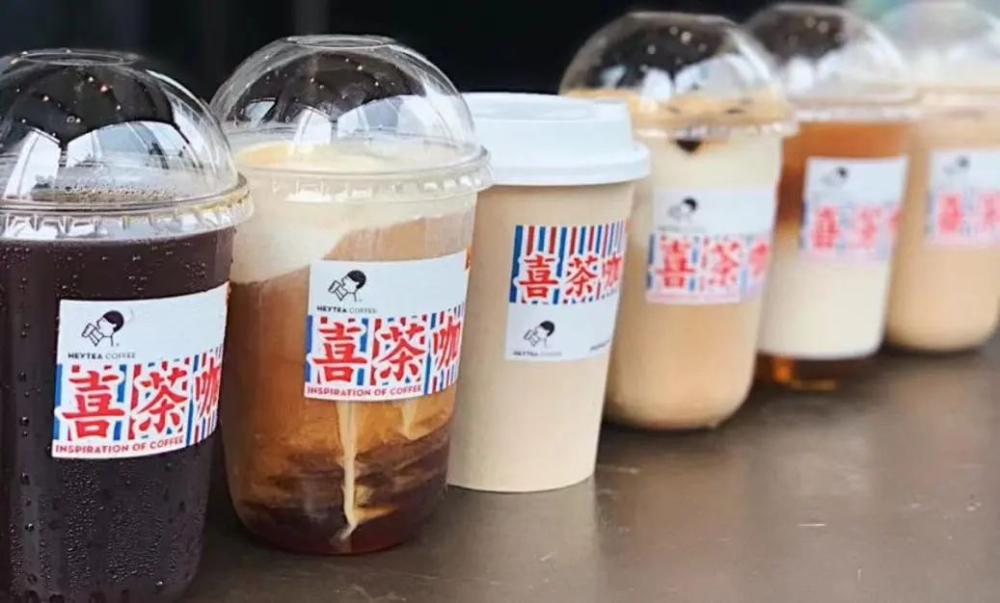
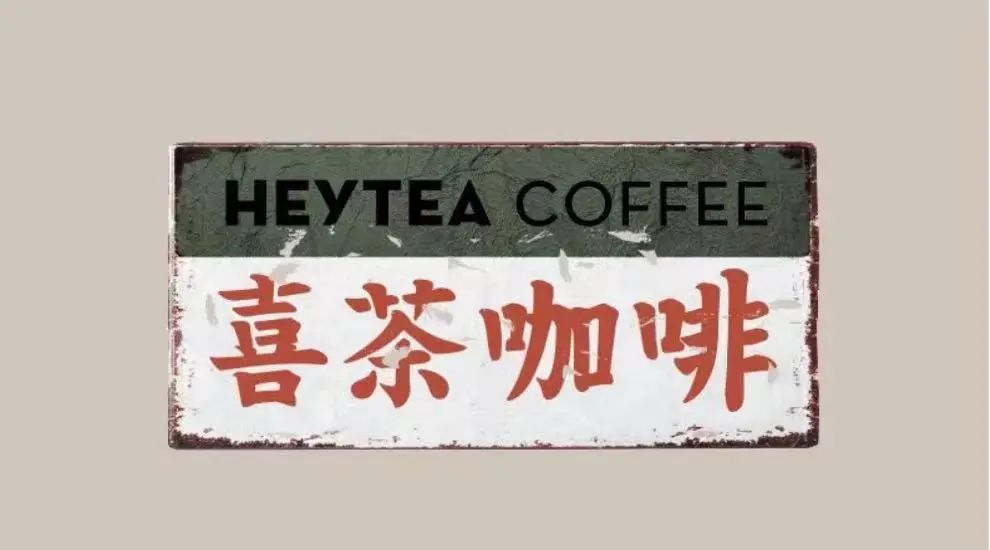
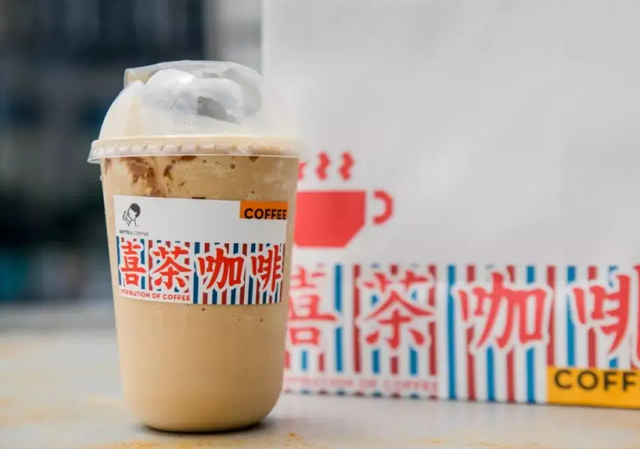
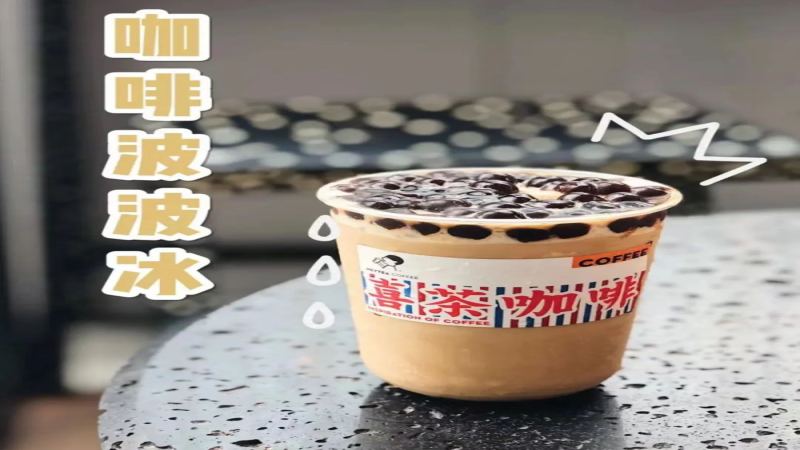
In recent years, domestic new-style tea beverage brands have continuously attempted cross-industry operations. Heytea, which has "always been more than just tea," entered the coffee sector as early as March 2019. They broke away from traditional coffee-making concepts, taking the lead in "milk-tea-fying" coffee by incorporating brown sugar boba, milk pudding, Oreo crumbs, cheese milk foam, and other toppings into coffee drinks, making coffee products more appealing.
At the same time, the product packaging followed a fully "Hong Kong-style" aesthetic, aligning with the then-emerging national trend movement, so it received considerable praise upon launch and encouraged many consumers who previously didn't drink coffee to give it a try.
As the "Heytea Coffee" series grew in popularity, to further integrate milk tea and coffee elements, Heytea actively combined its brand with trademarks, submitting trademark applications in coffee and related goods categories to fully prepare for the coffee product launch. However, the "Heytea Coffee" trademark application was never approved by the Trademark Office of the China National Intellectual Property Administration.
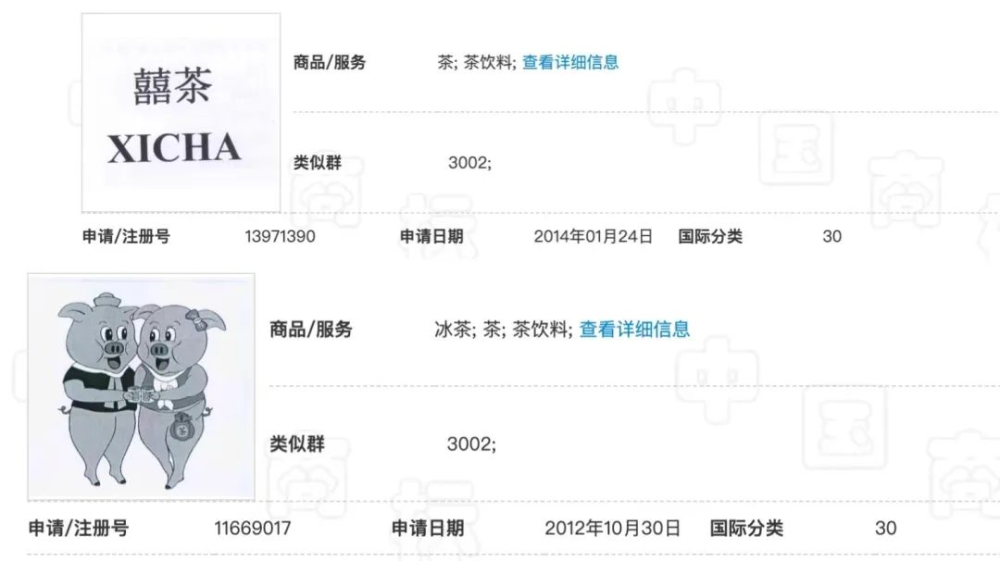
After review, the Trademark Office pointed out that the distinctive identifying portion of the "Heytea Coffee" trademark, "喜茶" (Heytea), was similar in character composition and identical in meaning to the distinctive identifying text "囍茶" of the cited trademark (see image below), constituting similar marks. In addition, the "coffee beverages; milk-added coffee beverages; cocoa beverages" goods designated under the "Heytea Coffee" trademark were similar to the tea beverages and other goods approved under the cited trademark. If used concurrently, they could easily cause the relevant public to confuse or misidentify the source of the goods. Accordingly, the Trademark Office decided to reject the "Heytea Coffee" trademark registration application.
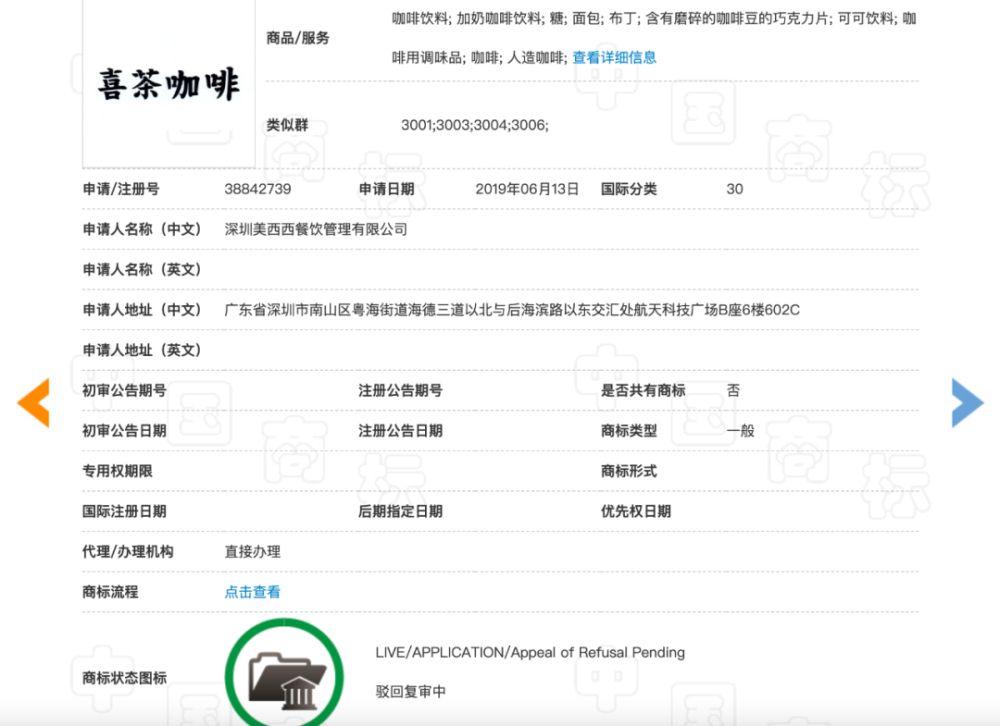
According to China Trademark Office information, Heytea's operating entity, Shenzhen Meixixi Catering Management Co., Ltd., applied to register the "Heytea Coffee" trademark on June 13, 2019. The trademark is currently in the rejection review process.
Facing the trademark rejection, Heytea disagreed. Heytea believed that the "Heytea Coffee" trademark used on the reviewed goods would not mislead the public, so its affiliated company, Shenzhen Meixixi Catering Management Co., Ltd., sued the China National Intellectual Property Administration in November 2020, requesting the court to revoke the contested decision and order the defendant to issue a new decision. It also supplemented its submission with certain prior judgments and a list of trademark files containing the text element "coffee" registered by others on related Class 30 goods.
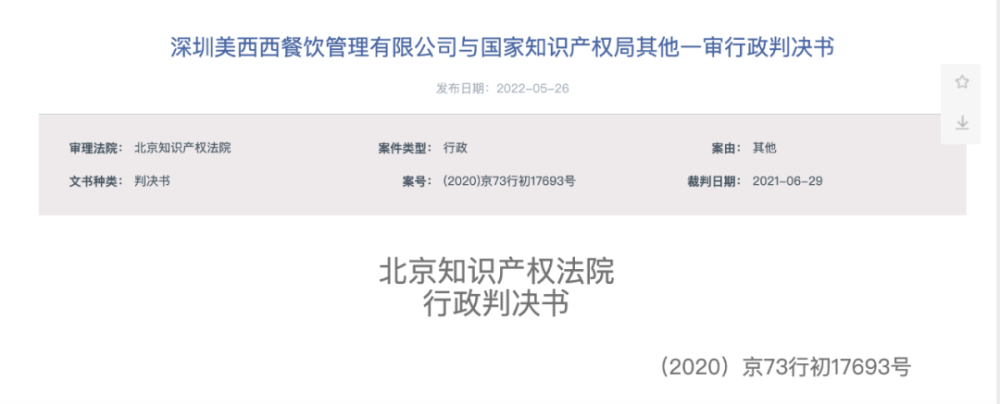
After court review, the Beijing Court issued the "Administrative Judgment of First Instance in the Case of Shenzhen Meixixi Company v. China National Intellectual Property Administration" on May 26, 2022.
The court held that,
Regarding the China National Intellectual Property Administration's finding that the disputed trademark used on sugar, bread, pudding, chocolate chips containing ground coffee beans, and cocoa beverage goods could easily mislead consumers about the characteristics and quality of the goods, the court upheld the decision to reject the trademark application based on Article 10, Paragraph 1, Item (7) of the Trademark Law, which states that marks "of a deceptive nature that easily mislead the public about the quality or characteristics of the goods or their place of origin" shall not be registered. (A so-called deceptive mark refers to a mark that, by itself or through its constituent elements, is deceptive and easily leads the relevant public to form incorrect understanding of the source, place of origin, quality, characteristics, etc. of the goods, thereby misleading consumers.)
At the same time, the court stated that the evidence submitted by Shenzhen Meixixi Company was insufficient to prove that the "Heytea Coffee" trademark would not mislead consumers, so its related claims lacked factual and legal basis and were not adopted by the court.
Regarding the China National Intellectual Property Administration's decision to reject the trademark application based on Article 30 of the Trademark Law, which states that "any trademark application for registration that does not comply with the relevant provisions of this Law, or is identical or similar to a trademark already registered or preliminarily approved by another person on the same or similar goods," the court also confirmed after review.
The court held that the distinctive identifying portion of the disputed trademark "Heytea Coffee," namely "喜茶" (Heytea), was similar to the Chinese character portion "囍茶" of cited trademarks 1 and 2 (Figure 3 in this article), and could easily cause the relevant public to confuse or misidentify the source of the trademarked goods. At the same time, Shenzhen Meixixi Company failed to provide sufficient evidence to prove that the disputed trademark had acquired distinctiveness through use and would not easily cause confusion or misidentification among the relevant public.
In summary, the facts found by the China National Intellectual Property Administration were clear, the applicable law and conclusion were correct, and the procedure was lawful. The plaintiff's claims lacked factual and legal basis. Therefore, in accordance with Article 69 of the Administrative Litigation Law, the court dismissed Shenzhen Meixixi Company's claims.
Image source: Internet
For professional coffee knowledge exchange and more coffee bean information, please follow Coffee Workshop (WeChat public account: cafe_style)
For more specialty coffee beans, please add private WeChat Front Street Coffee (FrontStreet Coffee), WeChat ID: qjcoffeex
The above content is compiled by CoffeeHunters, a coffee news website.


