







Search Results for: too low concentration

What exactly is high-concentration, low-extraction? Master this approach to brew coffee without bitterness.
Many coffee enthusiasts encounter the term "high concentration, low extraction" when reading Front Street Coffee articles or others' brewing分享, but the explanations they find are often packed with confusing data. This article breaks down this complex theory into plain, easy-to-understand descriptions: first, it explains that high concentration, low extraction is not a fixed technique but a brewing concept and outcome; then, with the help of the Golden Cup extraction chart, it clarifies the two core concepts of "concentration" and "extraction yield"; finally, it explains why, when dealing with dark-roasted, anaerobically processed, or extraction-sensitive beans, one needs to lower the extraction yield while increasing concentration, and how this concept is specifically reflected in Japanese-style brewing. [more…]
Pour Over Coffee Flavor | What Does High Concentration, Low Extraction Mean in Pour Over Coffee? Which Coffee Beans Are Suitable for High-Concentration, Low-Extraction Brewing?
Here it comes, here it comes. Today Front Street is going to share with you a brewing approach—high concentration, low extraction. This brewing method can minimize the bitterness of the coffee to the greatest extent, bringing the coffee to a nice flavor performance. What is high concentration, low extraction? Front Street will give a brief introduction here; it all still has to start from this "Golden Cup extraction [more…]
Pour-over coffee tastes too weak and watery? Analyzing the causes and adjustment methods from two aspects: under-extraction and low concentration.
Many coffee enthusiasts have encountered the situation during pour-over brewing where the coffee tastes bland and drinks like water, and even experienced veterans find it hard to completely avoid. There are two main categories of reasons why coffee turns out too weak: one is under-extraction, and the other is too low concentration. Starting from Front Street Coffee's brewing experience, this article first helps you determine whether the coffee beans you've chosen match your taste preferences, then takes a deeper look at how under-extraction and too-low concentration each manifest and what causes them, and offers specific adjustment ideas for parameters such as grind size, water temperature, coffee-to-water ratio, and brewing time. As long as you understand the underlying logic of extraction, no matter whether the coffee is too strong or too weak, you can quickly identify the problem and correct it. [more…]
Pour-Over Coffee High Concentration Low Extraction Approach Explained: How the Coffee-to-Water Ratio Affects Drip Coffee Flavor
In the world of pour-over coffee, the balance between extraction yield and concentration has always been a focal point for enthusiasts. This time, Front Street Coffee brings a brewing approach called "high concentration, low extraction," aimed at suppressing bitterness as much as possible while allowing the coffee to present a satisfying layering of flavors. So, what exactly is high concentration, low extraction? How is it related to the Golden Cup extraction range? And how should the coffee-to-water ratio be adjusted to achieve it? Starting from Front Street's hands-on experience and combining it with a brewing case of Golden Mandheling, this article will break down in detail the principles, key operational points, and applicable scenarios of this method, helping you find an extraction direction in your daily pour-over that better suits your own taste. [more…]
How can pour-over coffee highlight sweetness? A detailed explanation of the high-strength, low-extraction approach and practical parameter settings.
For many people, the most important thing about drinking coffee is that sweetness, but bitterness always easily barges in and ruins the party. In fact, coffee flavors are released in a sequence—sweetness and acidity come first, bitterness and off-flavors later. As long as you stop before bitterness dissolves out in large amounts, you can get a cup dominated by sweetness. This is the "high concentration, low extraction" approach we're discussing today: push the concentration higher while keeping the extraction yield at a suitably low level, so sweetness stands out and bitterness is suppressed. Below, we'll start with the Golden Cup extraction standard, explain what high concentration, low extraction is, its origins in Japanese dark roast brewing, and provide a directly usable pour-over recipe for light roasts. [more…]
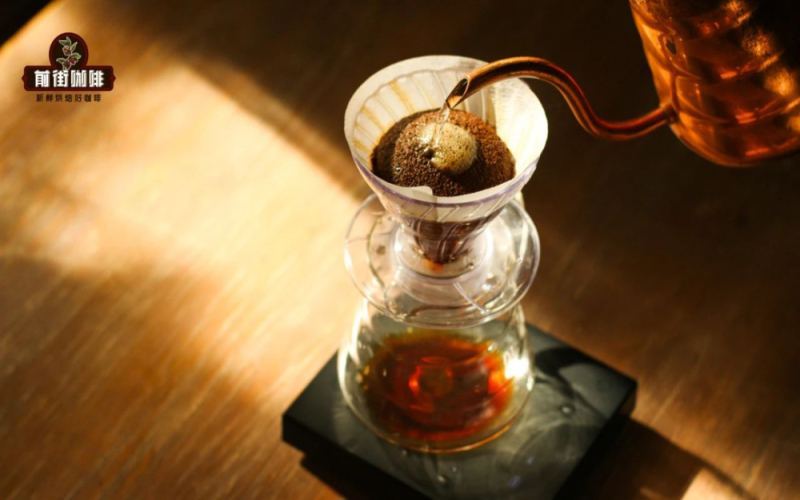
High-Concentration Low-Extraction Brewing Method Explained: Strategies for Increasing Pour-Over Coffee Concentration and Water Dilution Adjustment Techniques
In the world of pour-over coffee, "high concentration, low extraction" is gradually becoming a highly regarded brewing approach. What it pursues is giving the coffee liquid a higher concentration while keeping the extraction yield at a lower level, thereby leaving ample room for subsequent adjustments. The core of this method lies in flexibly using the coffee-to-water ratio, actively or passively changing the extraction conditions. Unlike the traditional "high extraction" approach, high concentration, low extraction places more emphasis on the coffee's margin for error—even if the concentration is on the high side, it can be easily corrected by diluting with Bypass water, avoiding a cup that is hard to drink. This article will thoroughly analyze the operational details of this brewing concept and, combined with Front Street Coffee's practical experience, help you master the complete framework of high concentration, low extraction, and make a stable and delicious pour-over. [more…]

How Are the Gold Cup Extraction Yield and Strength Calculated for Pour-Over Coffee? Recommended Coffee-to-Water Ratios and an Analysis of the Evolution of SCA Standards
Many coffee enthusiasts have heard of the Golden Cup extraction theory: ideal concentration 1.15%-1.35%, ideal extraction yield 18%-22%. But this standard actually comes from the SCAA, not the SCA; the European and American coffee associations each have their own positions on ideal concentration. After the SCAA and SCAE merged in 2017, the UC Davis Coffee Center made slight adjustments to the old brewing control chart, loosening the upper concentration limit and the brew ratio range. This article will start with the history of the Golden Cup theory, sort out the differences between the old and new control charts, explain why high concentration with low extraction can highlight acidity while low concentration with high extraction can bring out floral and chocolate notes, and, combined with product information from Front Street Coffee, help you understand how concentration and extraction yield should be judged together, rather than fixating on a single number. [more…]
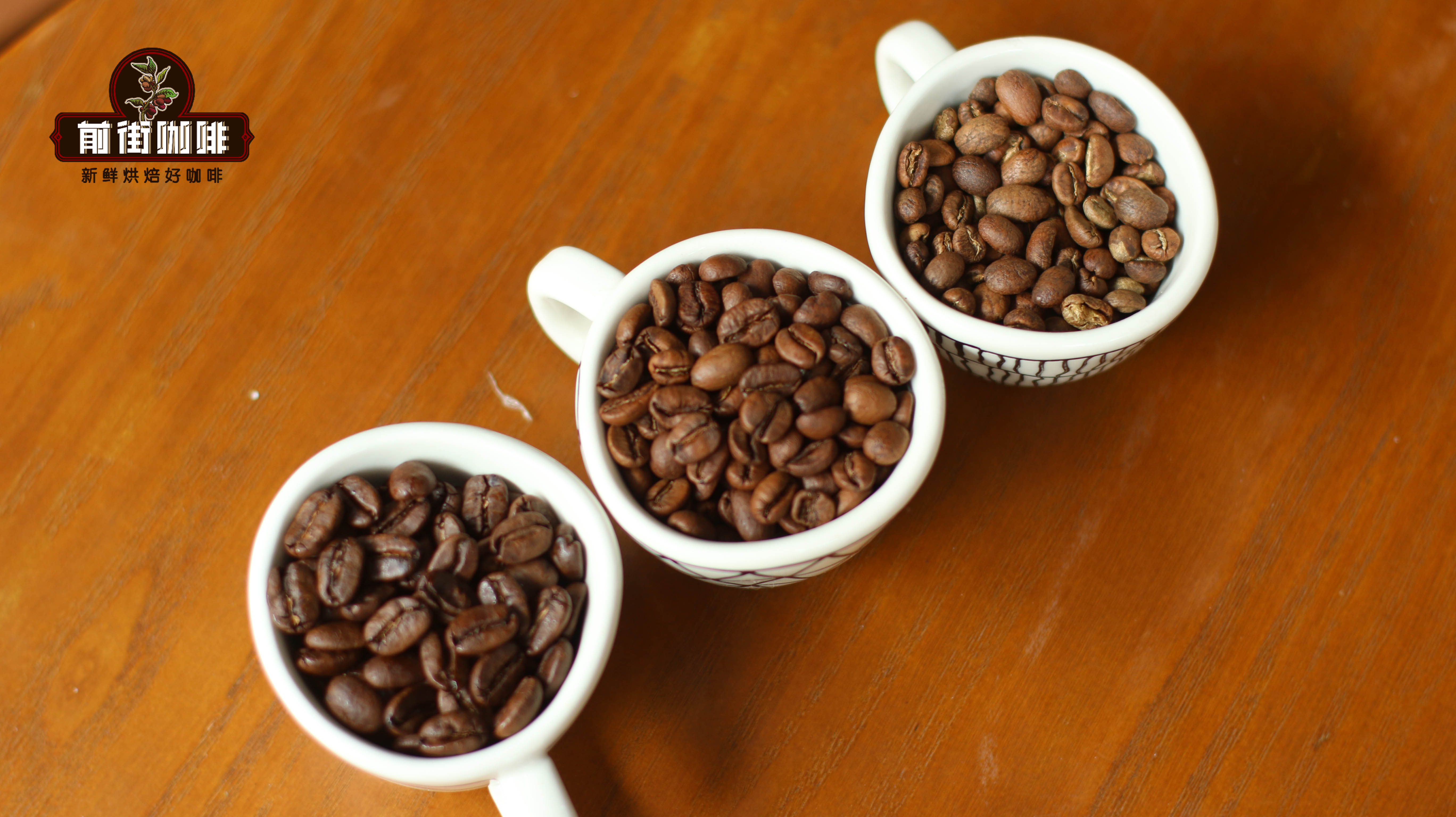
How to drink and brew dark roast coffee grounds and coffee beans? A detailed explanation of the high-concentration, low-extraction method and parameters that bring out a prominent sweet aftertaste
Deeply roasted coffee beans, due to sufficient caramelization, often present a richer mellow sweetness and caramel aroma. However, if brewed improperly, bitterness can easily overpower the sweet aftertaste. This article begins with the flavor characteristics of dark-roasted coffee and introduces how to better present the sweetness and sweet aftertaste of dark-roasted coffee through bean selection and brewing methods. It focuses on a Japanese-style high-concentration, low-extraction approach commonly used by Front Street Coffee, and provides specific brewing parameters and staged pouring steps for using Front Street Coffee Jamaica Blue Mountain No. 1 coffee, including coffee dose, coffee-to-water ratio, water temperature, grind size, dripper, and time, helping coffee enthusiasts brew a cup of dark-roasted coffee at home with moderate concentration and a pronounced sweet aftertaste. [more…]
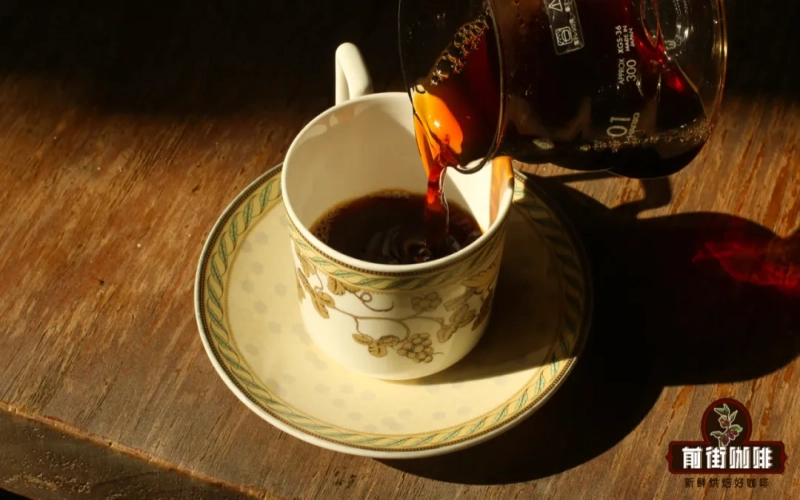
Dark Roast Pour-Over Coffee Complete Guide: High Concentration, Low Extraction Techniques to Enhance Rich Sweetness and Sweet Aftertaste
The charm of dark roast coffee lies in its rich aroma, smooth and full-bodied taste, and long-lasting sweet aftertaste, but avoiding over-extraction while preserving these qualities is no easy task. Drawing on Front Street's practical experience, this article explains how to suppress bitterness and enhance sweetness by adjusting filter materials, controlling extraction parameters, and applying a "high concentration, low extraction" strategy. It shares in detail a brewing example using Golden Mandheling beans and non-woven filter paper, including key parameters such as the coffee-to-water ratio, water temperature, and grind size, as well as the specific steps for three-stage pouring. By following along, you too can brew a cup of dark roast coffee with a captivating aroma and a pronounced sweetness at home. [more…]
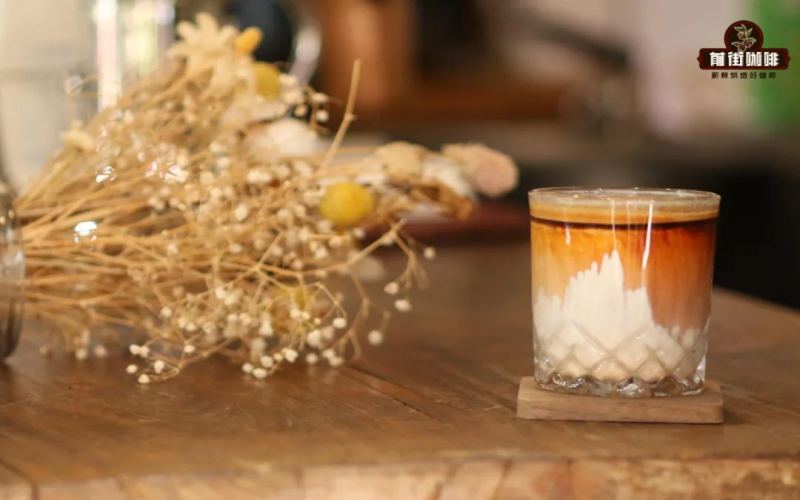
The Layering Principle and Making Techniques of Dirty Coffee: A Complete Technical Analysis from Bean Selection to Pouring
Dirty coffee, with its enticing layered effect and unique mouthfeel, has become a popular item in cafes. But many people who try making it at home often run into the embarrassment of no layering, the coffee sinking to the bottom, or even turning into a milk-tea color. This article starts from the physical principles, breaks down the differences between a Dirty and an iced latte, and explains in detail how to make a Dirty coffee with clear layers and a natural gradient by controlling the three key elements: temperature, concentration, and impact force. The article also includes Front Street Coffee's practical details on bean selection, cup choice, and milk ratios, helping you master the essentials in one go. [more…]
A Complete Analysis of Flavor Imbalance in Pour-Over Coffee: From Under-Extraction to Dilution, a Guide to Precisely Adjusting Weak Flavor
Pour-over coffee tasting thin and watery is a common frustration for many enthusiasts, and even seasoned coffee veterans can slip up. A cup with hollow flavor often stems from two core issues: under-extraction or too low a concentration. The former occurs when deviations in water temperature, grind size, time, and other parameters prevent enough flavor compounds from being released, while the latter happens when too much water dilutes the coffee's strength. Using Front Street Coffee's brewing experience as an example, this article will help you clarify the difference between these two situations and offer specific adjustment plans—from finer grinding and higher water temperature to reduced brew ratios and complementary parameter tweaks—so you can grasp the underlying logic of extraction and quickly identify and fix the problem, whether your coffee is too strong or too weak. [more…]
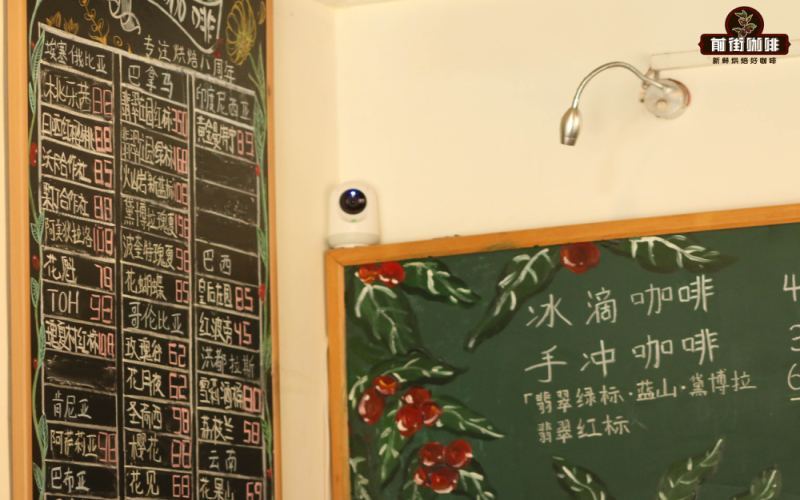
Same Beans, Different Taste? An In-Depth Analysis of the Extraction Differences and Flavor Comparison Between Cold Brew Coffee and Iced Pour-Over
Many coffee enthusiasts have wondered: why do cold brew and iced pour-over made from the same coffee bean taste so different? Front Street Coffee once conducted a comparative experiment with Huakui 8.0, and the results were surprising. This article will systematically analyze the core differences between cold brew coffee and pour-over coffee from the perspectives of extraction water temperature, extraction method, and concentration changes, explaining why low-temperature slow extraction brings a rounder acidity, a fuller body, and a unique fermented aroma, while high-temperature fast extraction retains richer aromatic layers. If you also want to understand the essential difference between these two brewing methods, read on. [more…]

A Complete Guide to Espresso Extraction Parameters: A Practical Guide to Dose, Ratio, Time, and Grind Size
To make a well-balanced espresso at home, relying on a fixed recipe alone is far from enough. Different coffee machines, different bean conditions, and even daily climate changes can all cause variations in the extraction result. This article systematically explains how to customize suitable espresso parameters for the blend beans you have on hand, from six dimensions: dose, brew ratio, extraction time, flow rate, pressure, and water temperature. At the same time, for the common problems of overly fast or overly slow flow, it provides troubleshooting adjustment ideas one by one, and introduces how to calculate the extraction yield through concentration testing to determine whether it falls within the golden cup range. The article recommends two espresso beans suitable for beginners to practice with—Front Street Classic Blend and Front Street Strawberry Candy Espresso—to help you find the ideal flavor faster through practice. [more…]
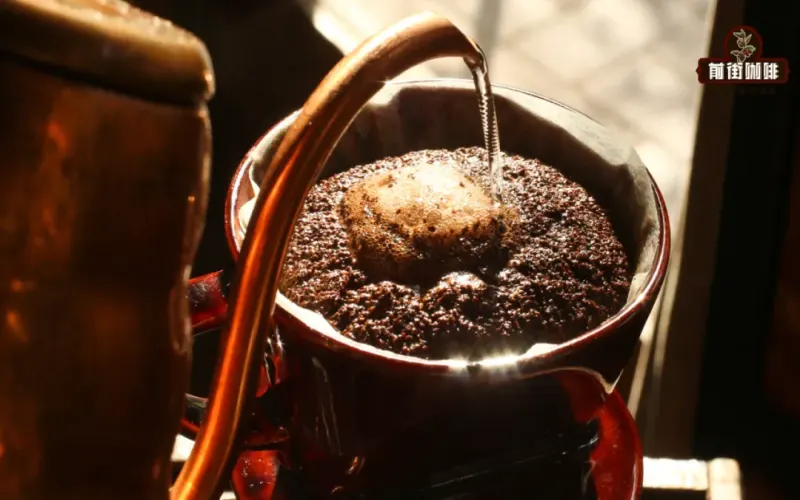
The Classic Japanese Hand-Drip Volcano Method: The Principles Behind High Sweetness in Dark Roast Coffee and Complete Step-by-Step Instructions
The volcanic pour is a highly distinctive brewing method within the Japanese hand-brewing system, named for the way the coffee bed rises and bubbles like a volcanic eruption during extraction. It is designed specifically for dark-roasted coffee, relying on a small stream of water, multiple intermittent pours of small volumes, and a high-concentration, low-extraction approach to ultimately present a cup of coffee with pronounced sweetness and a rich, smooth body. Starting from Front Street's experience shared on multiple occasions, this article provides an in-depth analysis of the underlying logic of the volcanic pour: why it can create a volcanic eruption-like spectacle, why only dark-roasted beans are up to the task, and how high concentration with low extraction avoids bitterness and improves extraction efficiency. The article also provides complete brewing parameters and a practical demonstration using Front Street's Golden Mandheling, guiding you step by step through this brewing experience that is both visual and gustatory.【图片1】【图片2】【图片3】【图片4】【图片5】【图片6】【图片7】【图片8】【图片9】【图片10】【图片11】 [more…]
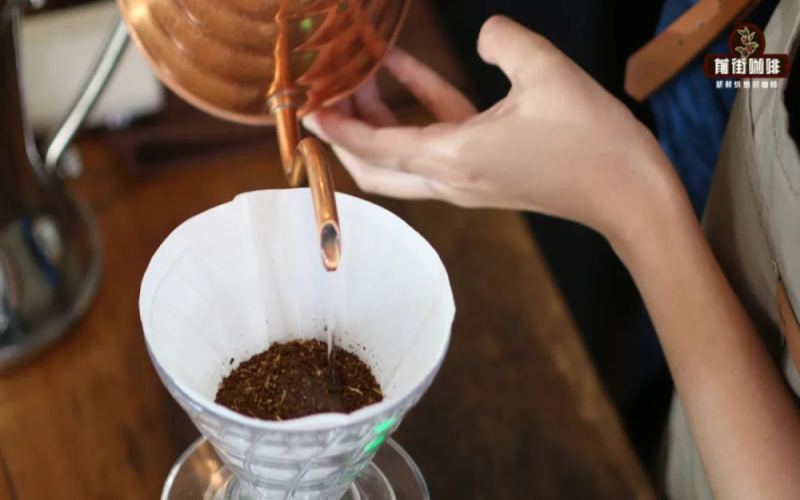
Four Major Causes of Low Flavor Clarity in Pour-Over Coffee and Corresponding Adjustment Strategies
Brewing a pour-over coffee that smells of floral and fruity notes, yet tastes muddled and indistinct in the mouth, with no specific flavors you can name—this is a situation many coffee enthusiasts have encountered. The problem may not be that your technique isn't skilled enough; it could be that something has gone off in the concentration, agitation, bean resting, or water quality. This article will analyze one by one the four common reasons why coffee flavors become unclear: excessive concentration making it hard for the taste buds to distinguish details, overly strong pouring and agitation bringing out off-flavors, beans not rested well leading to unstable extraction, and using purified water for brewing resulting in a hollow mouthfeel. Each reason comes with specific ways to diagnose it and adjustment suggestions, including fine-tuning the coffee-to-water ratio, slowing down the circular pouring motion, and choosing water quality suitable for brewing coffee, to help you find the problem and make the coffee's flavor description clear and distinguishable. [more…]

Why Does Cold Brew Coffee Taste Bitter and Astringent? Four Common Mistakes and a Detailed Guide to Steeping Time Parameters
Cold brew coffee is made by steeping coffee grounds in cold water for a long time. Because low-temperature extraction has a high tolerance for error, it usually does not over-extract easily. But in practice, many people still end up with cold brew that has obvious bitterness, muddled flavors, and astringency. The problem often lies in four areas: using hot water for blooming or warm water for steeping, choosing dark-roast beans, steeping for too long, and using too large a coffee-to-water ratio, which leads to too high a concentration. In this article, Front Street breaks down the extraction principles behind these improper practices one by one, and gives specific recommendations for regular water temperature, grind size, coffee-to-water ratio, and steeping time, while also explaining what scenarios the 1:10 and 1:12 ratios are suitable for. If your cold brew also tastes bitter, you may want to troubleshoot by comparing it against these points. Once you find the root cause, you can consistently make a smooth cup of cold brew coffee. [more…]
Can Underextracted Pour-Over Coffee Be Rebrewed? A Detailed Explanation of the Four Key Parameters Affecting Flavor
An under-extracted pour-over coffee often has low concentration and bland flavor, leaving people unsure how to fix it. Over-extraction can still be solved by adding water to dilute it, but under-extraction is tricky. Front Street Coffee started from an interesting experiment and actually tested whether pouring some of the brewed coffee back onto the coffee bed for re-extraction is feasible. This article not only verifies the practical effect of this method, but also deeply analyzes the key influence of the four major extraction parameters—water temperature, grind size, ratio, and time—on flavor, helping coffee enthusiasts find a feasible corrective approach when brewing goes wrong, while also reminding everyone: rather than fixing it afterward, it is better to brew it right from the start. [more…]
How Fine Should Cold Brew Coffee Grounds Be? An Analysis of How Coarse and Fine Grinds Affect Extraction Strength
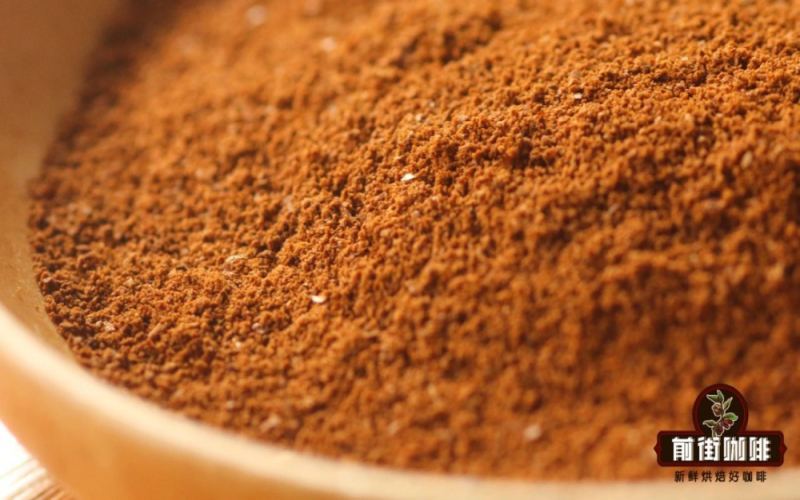
When making cold brew coffee, should the grind size be coarse or fine? Many enthusiasts habitually assume that grinding finer will increase the concentration, but in a low-temperature, still-steeping extraction environment, this logic does not necessarily hold. Through practical experiments, Front Street used the same Yirgacheffe beans, the same coffee-to-water ratio, and the same steeping time to make cold brew with fine and coarse grinds respectively, testing the concentration and tasting the flavor differences. The results showed that the coarse grind actually had a slightly higher TDS, and its flavor performance was also brighter and sweeter. This article will explain this phenomenon from the perspectives of water temperature and particle movement, and provide grinding recommendations and applicable conditions for making cold brew coffee, helping you make a cup of cold brew with excellent concentration and flavor. [more…]
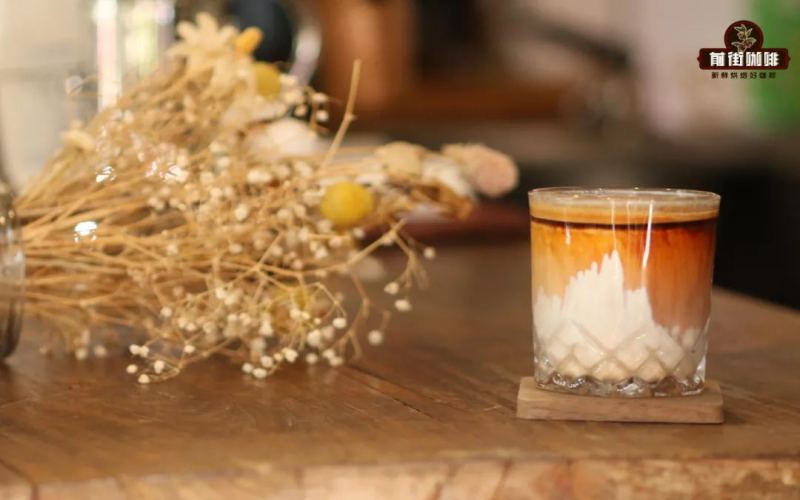
LATTE DIRTY COFFEE DRINKING METHOD | How can you make the layers in a Dirty coffee clearly distinct? What are the key points for making a delicious Dirty coffee?
What we usually call a Dirty coffee is nothing more than taking a glass, filling it with milk, then placing it under the espresso machine's brew head and letting the espresso slowly flow into the glass, so that the coffee floats on top of the milk, forming a beautiful layer, and then as time passes, the coffee on top slowly seeps into the pure white milk. [more…]
Complete Guide to Volcano Brewing: Japanese-Style Pour-Over Parameters and Sweetness Enhancement Secrets for Dark Roast Coffee Beans
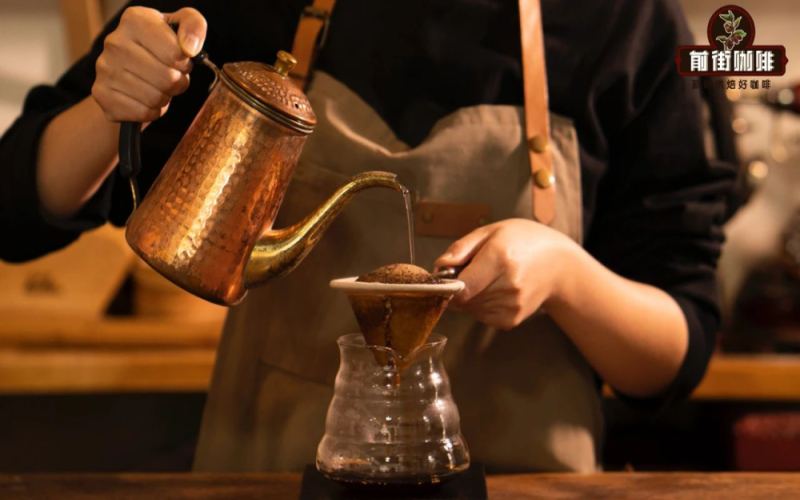
Volcano pour is a highly visually striking classic technique in Japanese-style hand brewing. The coffee bed rises and falls like a volcanic eruption during pouring, and the deep-roasted coffee brewed this way has an especially abundant sweetness. Starting from the underlying logic, this article analyzes why the volcano pour can form a unique coffee-bed spectacle and why it produces such high sweetness, and provides complete brewing parameters and operating steps. It also explains the suitable bean type: deep-roasted beans with a high expansion rate and sufficient carbon dioxide, such as Front Street Sumatra·Golden Mandheling (deep roast). Finally, it includes a staged pouring scheme with a 1:12 coffee-to-water ratio, 88°C water temperature, and a Kalita trapezoidal dripper, along with dilution suggestions, to help coffee lovers recreate at home a smooth cup combining pine and spice notes, caramel sweetness, and dark chocolate aroma. [more…]