







Here it comes, today Front Street is sharing a brewing approach with everyone—high concentration, low extraction. This brewing method minimizes the bitterness of coffee to the greatest extent, allowing the coffee to achieve a good flavor performance.
What is high concentration, low extraction?
Front Street will briefly introduce it here. It all starts with the "Golden Cup Extraction." The Golden Cup is a conclusion reached by a group of experts through research: coffee with an extraction yield of 18-22% and a concentration of 1.15-1.35% tastes the best. This data was derived using American taste preferences as the sample, and people from other regions may not necessarily agree. For example, Norwegians believe that coffee with a concentration of 1.3-1.55% better suits their palate. However, everyone generally accepts the coffee extraction yield of 18-22%.
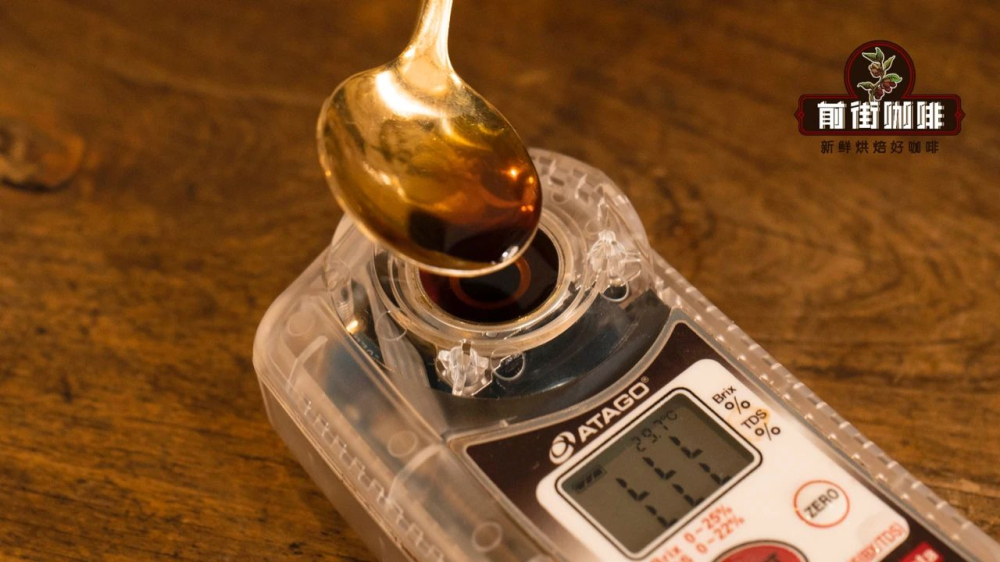
The term "high concentration, low extraction" refers to an extraction goal expressed based on this Golden Cup extraction range, meaning a relatively lower extraction yield and higher concentration within this range. For example, if the brewed coffee has a concentration of 1.35% and an extraction yield of 18%, it falls under high concentration, low extraction. Sometimes, even if the extracted coffee is not within this range but close to it, it can still be considered high concentration, low extraction—for example, coffee with a concentration of 1.4% and an extraction yield of 17.4%.
Front Street will now review how concentration and extraction yield affect coffee flavor. Let's start with concentration, which is easier to understand. For example, when we drink salt water in the morning, if it's too diluted, you'll find it tasteless; if it's too concentrated, it becomes salty and bitter. The same principle applies to coffee. We don't want to drink coffee that tastes like water, but if it's too concentrated, the flavor becomes very intense, stimulating, and bitter. Within a reasonable range, for example, coffee with a concentration of 1.35% will have a fuller and richer taste than coffee with a concentration of 1.05%.
The extraction yield directly affects the sourness, sweetness, and bitterness of coffee. If the extraction yield is less than 18%, it is prone to sharp acidity and a hollow sensation; if the extraction yield exceeds 22%, it will most likely produce burnt bitterness and off-flavors. Within the reasonable range of 18-22%, a lower extraction yield tends toward sourness, while a higher extraction yield tends toward sweet and bitter.
Therefore, the high concentration, low extraction brewing method easily produces a cup of coffee with less bitterness and a good flavor and mouthfeel.
How to achieve "high concentration, low extraction"?
High concentration, low extraction is not a fixed set of brewing parameters or techniques—it is an approach, a result.
There are many ways to achieve high concentration, low extraction. For example, you can adjust the coffee-to-water ratio by reducing the amount of water poured or increasing the amount of coffee grounds. For instance, if the original ratio is 1:15, change it to 1:13. This way, the coffee liquid tends toward higher concentration and lower extraction yield.
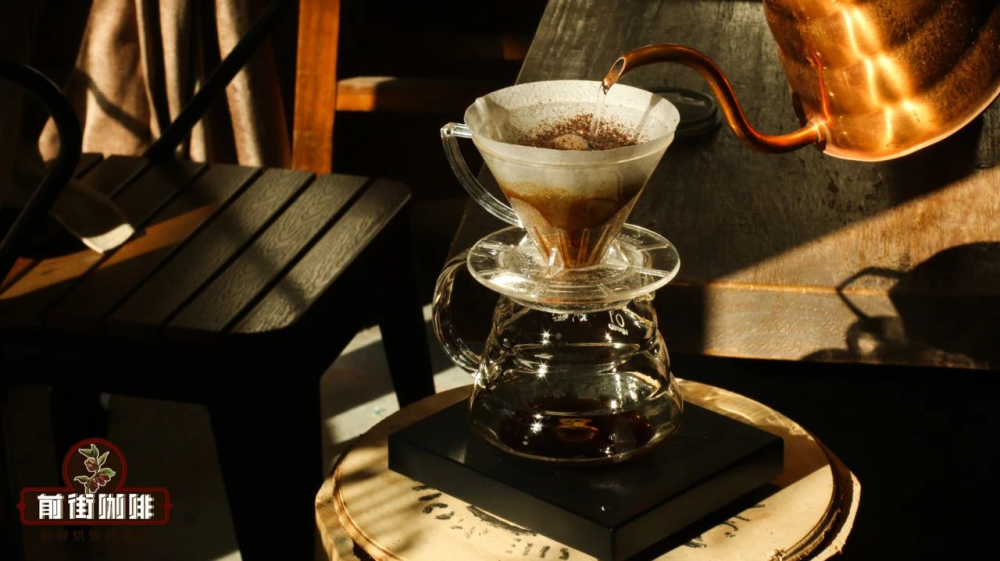
For example, the famous Japanese Matsuya style uses a coffee-to-liquid ratio of about 1:5 to extract a high-concentration, low-extraction coffee liquid, which is then diluted to an appropriate concentration according to the customer's preference when served.
Another approach is to redesign an entire brewing plan. In fact, the brewing parameters that Front Street usually shares are also a form of high-concentration extraction. Front Street's typical brewing method is as follows:
Coffee dose: 15g
Coffee-to-water ratio: 1:15
Grind size: 80% pass rate through a No. 20 sieve
Water temperature: 91℃
Pouring: three-stage
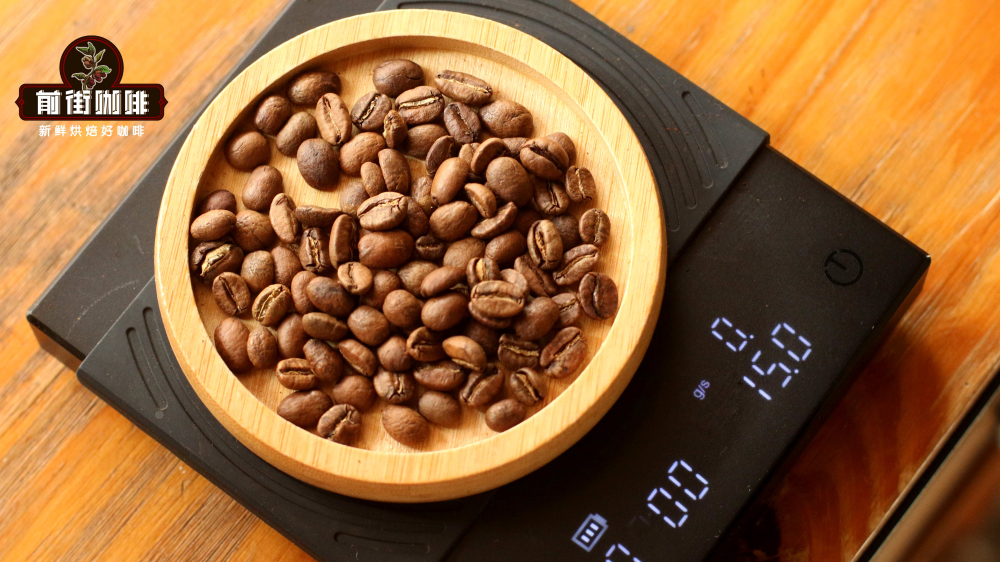
With these parameters, light-roast coffee has an extraction yield of 17.8-19.5% and a concentration of 1.28-1.42%. The coffee presents a relatively full and rich flavor with bright acidity.
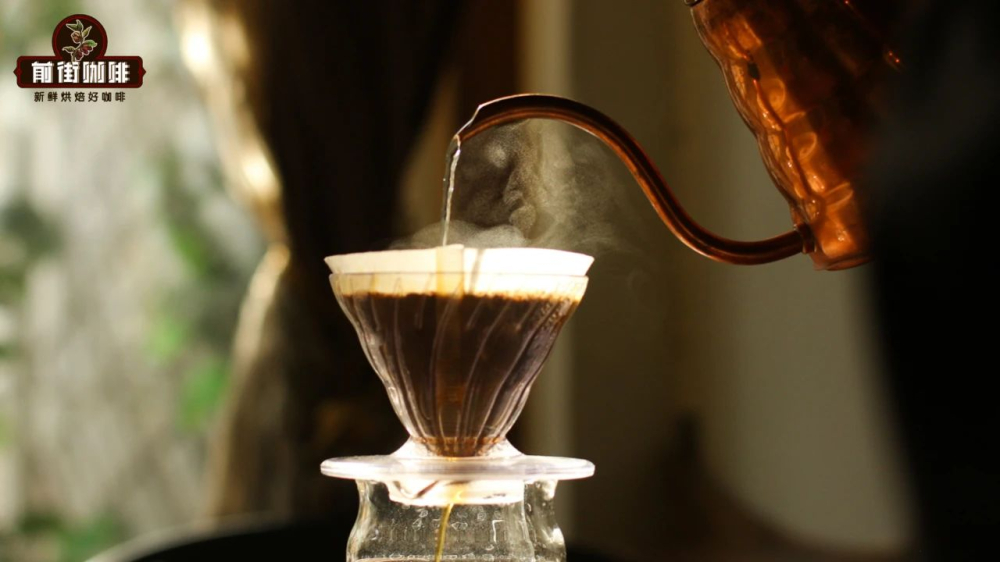
Coffee brewed with these parameters is relatively safe, and it is difficult for bitter or astringent flavors to appear. If you find it too strong, the adjustment is simple—just change the coffee-to-water ratio to 1:16.
In fact, high concentration, low extraction also has negative effects. High concentration, low extraction is not perfect. Although it is not prone to producing bitterness and has relatively good flavor and acidity, this approach also shortens the coffee's aftertaste. So, for some coffee beans with a good aftertaste performance, do not use this method for brewing.
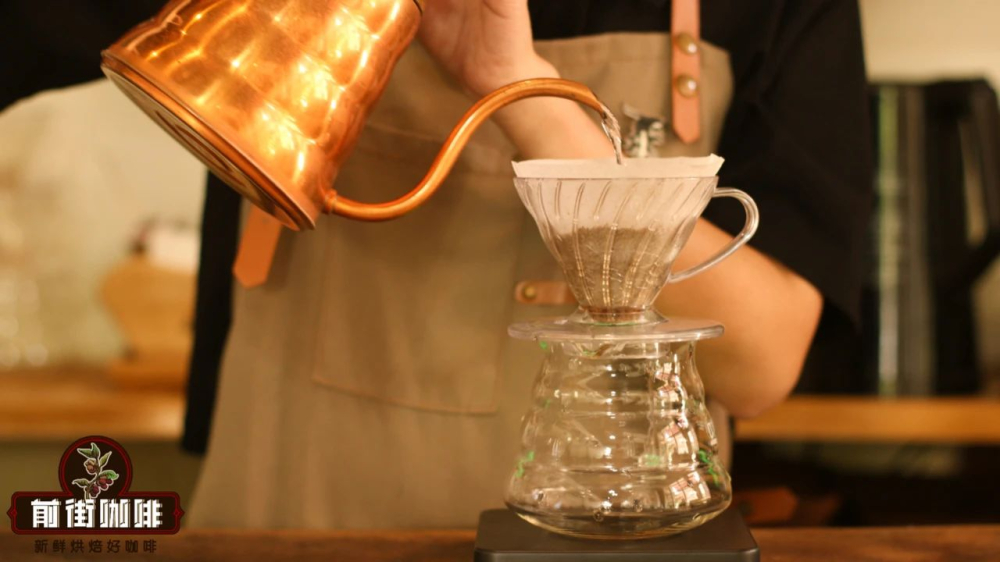
What coffee beans is this brewing method suitable for?
The approach of "high concentration, low extraction" can be applied to medium-dark roast coffee beans and anaerobically processed coffee beans. This is because these coffee beans have a relatively loose texture, and the coffee substances are released relatively quickly. The "high concentration, low extraction" approach can effectively avoid unpleasant bitterness in the coffee.
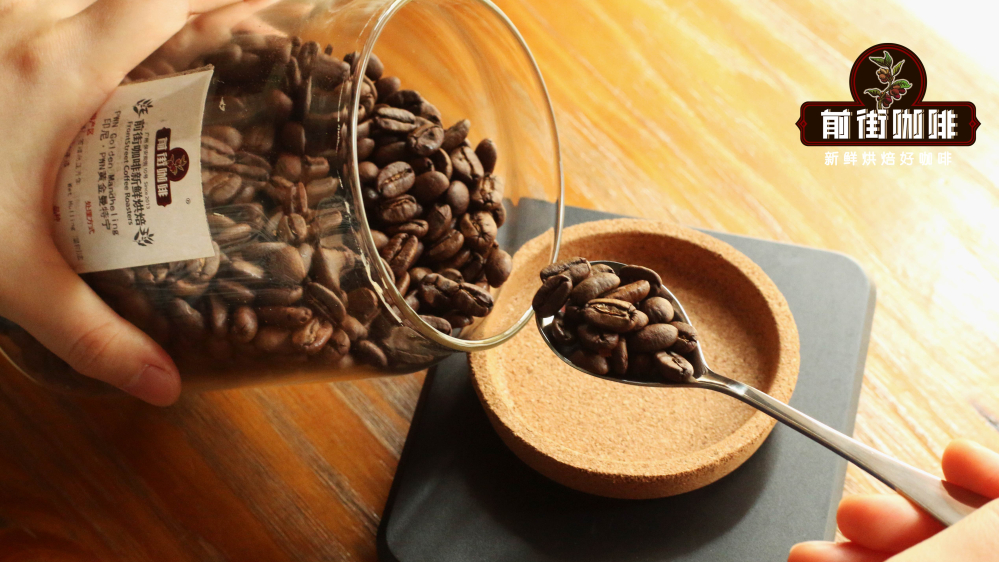
Take Front Street's favorite Golden Mandheling coffee as an example. It is a classic representative of dark roasting. This degree of roasting makes the internal texture of the coffee beans loose—you can crush them with a gentle pinch of your hand. This indicates that the structure of the coffee beans has been changed considerably, and after grinding into powder, they have strong water absorbency. To avoid over-extraction after the coffee grounds absorb water and the release of large amounts of bitter substances, Front Street uses a coarser grind than for light-roast coffee beans. Here, a medium-coarse grind is used (70% pass rate through China standard No. 20 sieve), with the shop's EK43s at setting 11.
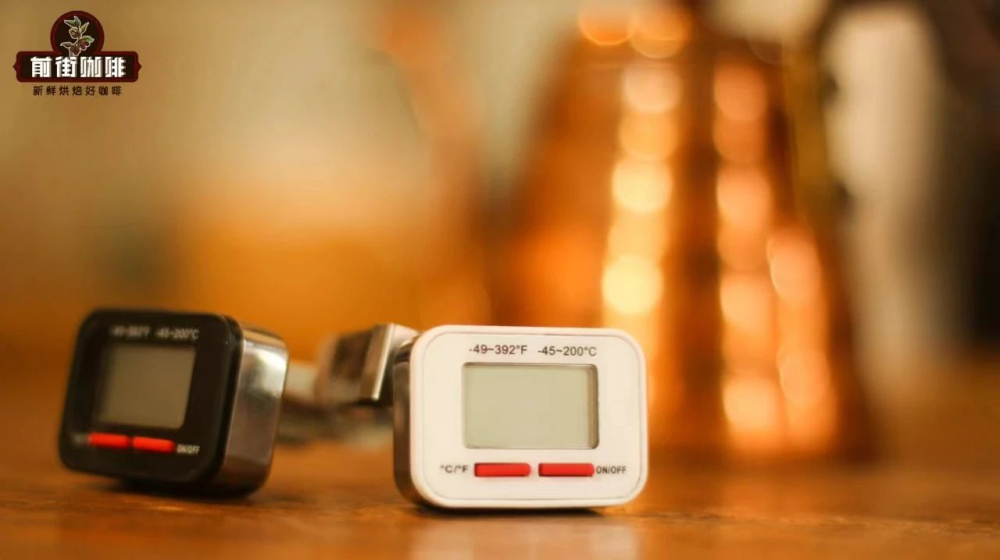
Roasting promotes caramelization and Maillard reactions in coffee beans. As the roast degree deepens, monosaccharides and amino acids interact and decompose under heat, causing more non-enzymatic browning. Therefore, it is easier to release bitter, large-molecule substances. To avoid extracting excessive off-flavors, Front Street lowers the water temperature a bit. The brewing water temperature for light-roast coffee is 91-93℃, while for dark-roast coffee beans Front Street recommends 87-88℃.
For coffees with a full-bodied mouthfeel like Indonesian Mandheling coffee, Brazil Queen's Farm coffee, and Jamaican Blue Mountain coffee, Front Street Coffee baristas will prioritize using the KONO dripper for brewing.
Front Street Coffee baristas consistently use a three-stage pouring method. Pouring in three stages better showcases the full-bodied mouthfeel and caramel sweetness of Golden Mandheling coffee, while also offering greater controllability over timing and water volume.
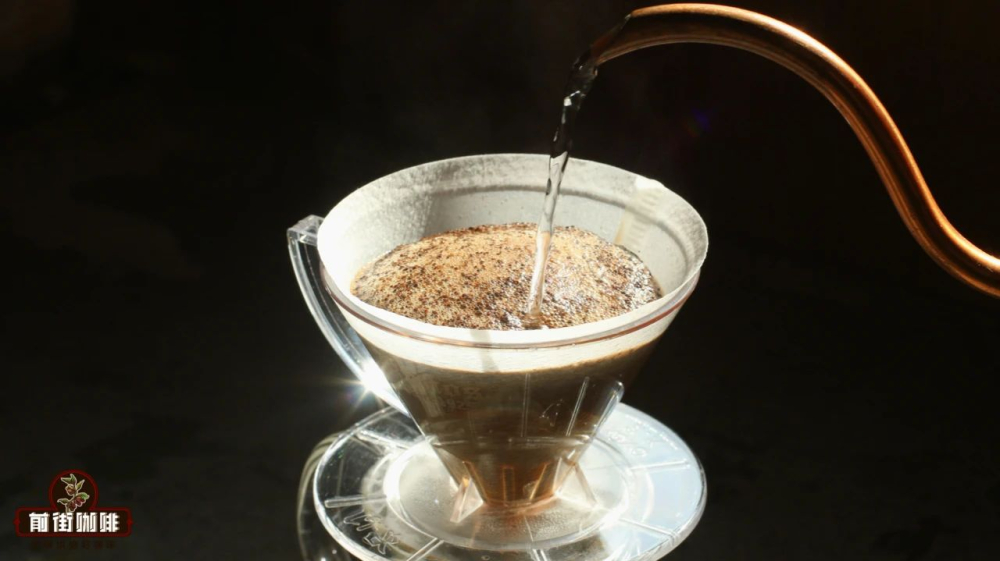
Rinse the KONO dripper to make the filter paper fit the coffee dripper more snugly. After pouring out the water in the sharing pitcher, add 15g of ground coffee powder, and bloom with 30g of water for 30s. This pour fully wets the coffee grounds and allows them to degas, for better extraction of the coffee's flavor substances afterward.
Some friends, when extracting light-roast coffee beans, extend the bloom time to 45 or 50 seconds to enhance the aroma of the coffee's front end. However, if dark-roast Mandheling coffee is bloomed for too long, it easily releases too much of that woody taste and off-flavors. Therefore, Front Street chooses to bloom for 30 seconds.
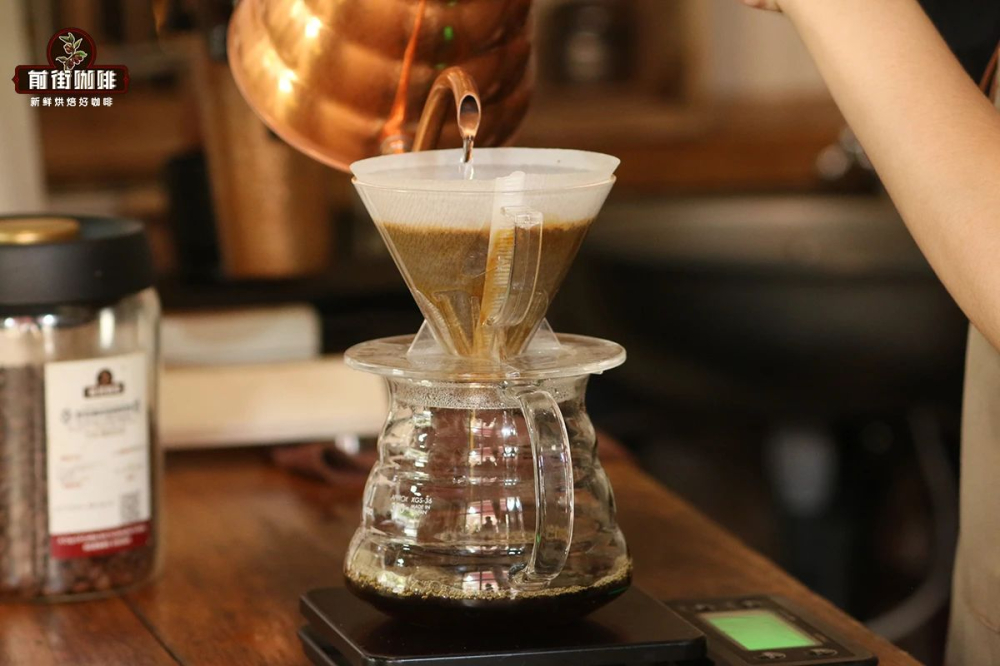
For the second stage, start pouring hot water in a slow, small stream in a circular motion from the center until reaching 125g, then begin the next stage. The water stream needs to be poured steadily throughout; too much agitation can easily break the coffee powder wall, leading to uneven extraction.
Wait until the coffee bed drops to half the height of the dripper, exposing the coffee bed, then begin pouring the second stage using the same technique until reaching 225g. Once all the dripping is complete, remove the dripper. The extraction time is two minutes, with a tolerance of plus or minus 10 seconds.
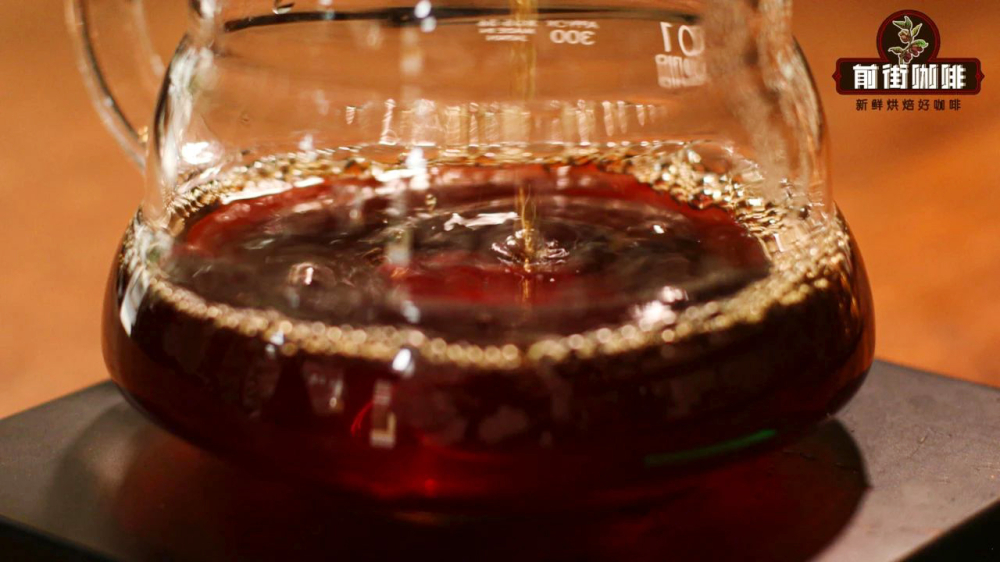
Finally, swirl the coffee liquid in the server to mix it evenly, and you can begin tasting the hand-brewed Golden Mandheling black coffee. The brewed Mandheling coffee has aromas of spices, dark chocolate, nuts, caramel, and pine wood on the palate. The mouthfeel is full-bodied and clean, with a pronounced sweet aftertaste and a lasting finish.
The above content is compiled by CoffeeHunters, a coffee news website.


