







How does golden mandheling work in low extraction brewing?
High concentration, low extraction is a pour-over approach that sits inside the Golden Cup range while favoring the lower end of extraction. The goal is to hold bitterness down and keep flavor layered. In practice it means choosing an extraction yield near 18% paired with a concentration near the top of the range, around 1.35%, rather than pushing both numbers higher.
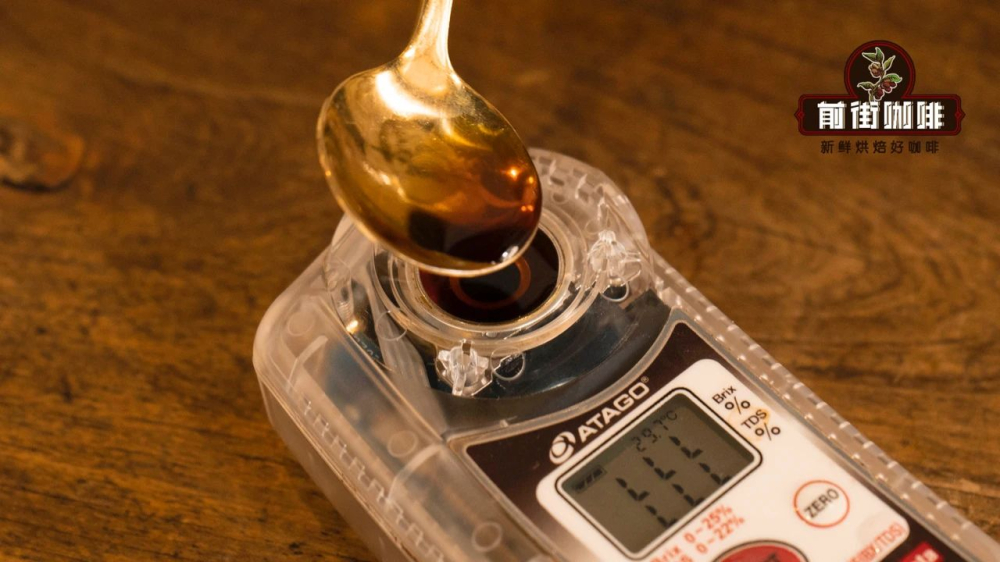
The Golden Cup reference point comes from research stating that 18% to 22% extraction and 1.15% to 1.35% concentration give the most agreeable flavor, though that sample reflected American tastes. Norwegians, for instance, often prefer 1.3% to 1.55%. A golden mandheling brew is one of the coffees used to demonstrate the method.
In the world of pour-over coffee, the balance between extraction yield and concentration has always been a focal point for enthusiasts. This time, Front Street Coffee brings a brewing approach called "high concentration, low extraction," aimed at suppressing bitterness as much as possible while allowing the coffee to present a satisfying layering of flavors. So, what exactly is high concentration, low extraction? How is it related to the Golden Cup extraction range? And how should the coffee-to-water ratio be adjusted to achieve it? This article will start from Front Street's hands-on experience, combined with a brewing case of Golden Mandheling, to break down in detail the principles, key operating points, and suitable scenarios of this method, helping you find an extraction direction that better suits your taste in everyday pour-over brewing.
Here it comes, here it comes. Today, Front Street wants to talk with you about a brewing approach—high concentration, low extraction. Using this method, you can suppress the bitterness in coffee as much as possible while keeping the flavor performance of the whole cup at a pretty good level.
What is high concentration, low extraction?
Before expanding on it, Front Street will first lay out some background, and this has to start with the "Golden Cup extraction." The so-called Golden Cup is a conclusion reached by a group of experts after research: when the coffee's extraction yield falls between 18% and 22%, and the concentration is between 1.15% and 1.35%, the flavor performance is at its most ideal. However, note that this set of data was derived using American tastes as the sample, and people in other regions may not fully agree. For example, Norwegians prefer coffee with a concentration between 1.3% and 1.55%. But no matter what, the industry is still fairly unanimous about the extraction yield range of 18% to 22%.
The term high concentration, low extraction is actually an extraction goal derived from the Golden Cup extraction range, referring to choosing a lower extraction yield paired with a higher concentration within the Golden Cup range. For example, if the brewed coffee reaches a concentration of 1.35% and the extraction yield is only 18%, then that counts as high concentration, low extraction. Sometimes, although the coffee does not fall within the standard range, if the data is relatively close, it can also be classified under high concentration, low extraction, such as a case with 1.4% concentration and 17.4% extraction yield.
Front Street will also guide everyone through a review of how concentration and extraction yield each affect coffee flavor. First, concentration—this concept is relatively easy to understand. For example, when drinking salt water in the morning, if it is too dilute, it feels tasteless, and if it is too strong, it is so salty that it becomes bitter. Coffee works the same way. Of course, we do not want to drink a cup of coffee that is almost like water, but if the concentration is too high, the flavor becomes very concentrated, aggressive, and even bitter. Within a reasonable range, though, such as coffee with a concentration of 1.35%, it tastes fuller and more layered than coffee with a concentration of 1.05%.
To achieve high concentration, low extraction, there are actually quite a few methods. For example, reduce the amount of water poured, or increase the amount of coffee grounds to adjust the coffee-to-water ratio. If you originally used a 1:15 ratio, now change it to 1:13, so the trend of the coffee liquid is higher concentration and lower extraction yield.
Pouring: three-stage
Of course, high concentration, low extraction is not without its shortcomings. Although it is not prone to brewing out bitterness, and both flavor and acidity perform relatively well, coffee brewed this way often has a shorter finish. So if the coffee beans you have already perform well in the finish, it is not very advisable to use this method to brew them.
What kind of coffee beans is this brewing method suitable for?
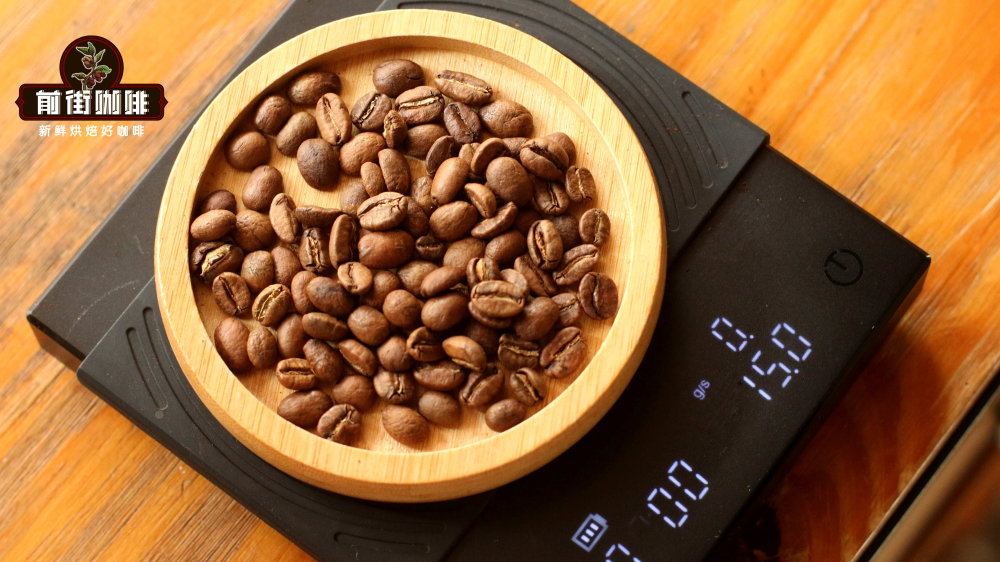
Take Front Street's favorite Golden Mandheling as an example—it is a classic representative of dark roasting. Dark roasting makes the internal texture of the coffee beans loose, so they break apart with a gentle pinch of the hand, indicating that the bean structure has already undergone great changes, and after being ground into powder, it is also more absorbent. To avoid excessive extraction after the coffee grounds absorb water and the release of a large amount of bitter substances, Front Street will use a coarser grind than for light-roasted beans. Here, a medium-coarse grind is used (70% passing through China standard No. 20 sieve), with the store's EK43s setting at 11.
During roasting, coffee beans undergo caramelization reactions and Maillard reactions. As the roast degree deepens, monosaccharides and amino acids interact and decompose under heating conditions, causing more non-enzymatic browning, and therefore it is easier to release large-molecule substances with burnt bitterness. To avoid extracting too many off-flavors, Front Street will slightly lower the water temperature. The brewing water temperature for light-roasted coffee is 91–93°C, while for dark-roasted coffee beans Front Street recommends 87–88°C.
For beans with a rich, full-bodied mouthfeel such as Indonesian Mandheling coffee, Brazilian Queen's Estate coffee, and Jamaican Blue Mountain coffee, the baristas at Front Street Coffee will give priority to using the KONO dripper for brewing.
The baristas at Front Street Coffee have always used the three-stage pouring method. Dividing the pour into three stages can better showcase Golden Mandheling's rich mouthfeel and caramel sweetness, while also making time and water volume more controllable.
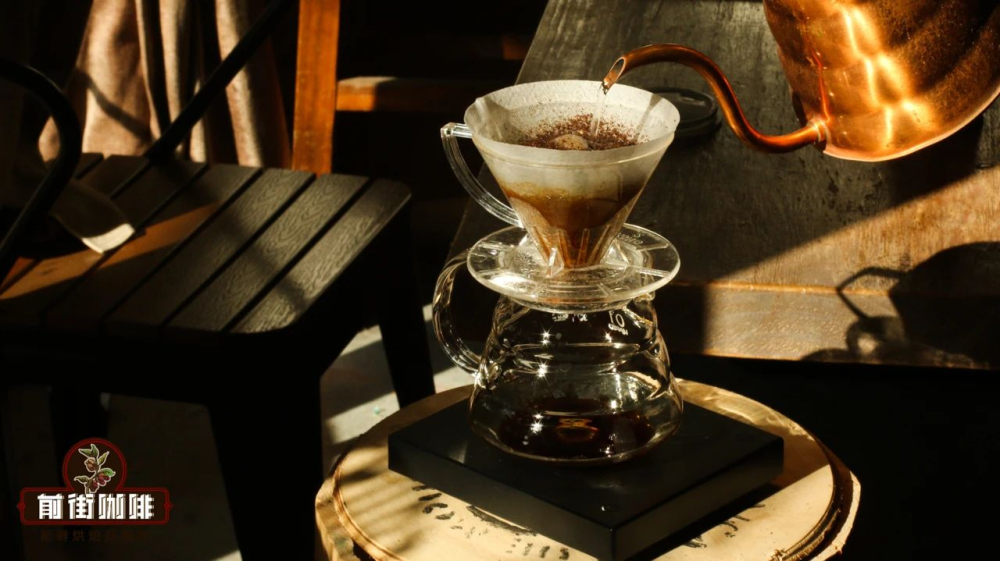
First wet the KONO dripper so the filter paper fits more tightly against the dripper. After pouring out the water in the server, add 15g of ground coffee and bloom with 30g of water for 30 seconds. This pour should wet all the coffee grounds, letting them degas and preparing for better extraction of flavor substances afterward.
Some friends, when extracting light-roasted coffee beans, extend the bloom time to 45 seconds or even 50 seconds to enhance the aroma in the front section of the coffee. But if dark-roasted Mandheling is bloomed for too long, it easily releases too much woody flavor and off-flavors, so Front Street chooses a 30-second bloom.
For the second stage, start from the center and circle outward, pouring hot water slowly in a small stream until reaching 125g, then begin the next stage. The stream needs to remain steady throughout. If you stir too forcefully, it is easy to wash away the coffee bed wall, causing uneven extraction.
Wait until the coffee bed drops to the halfway point of the dripper and the bed is exposed, then pour the second stage using the same technique until 225g. After all dripping is complete, the dripper can be removed. The extraction time is two minutes, with a margin of 10 seconds.
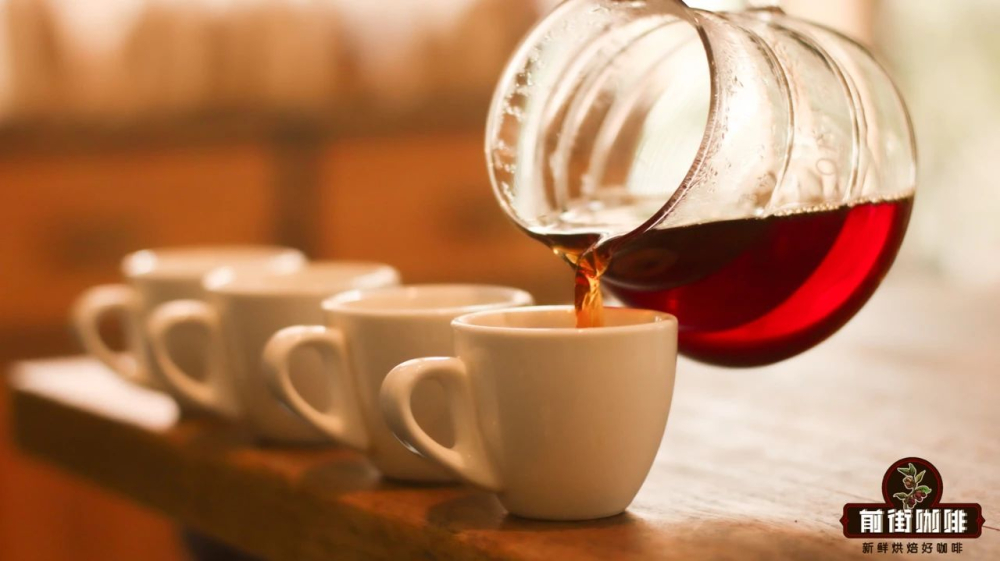
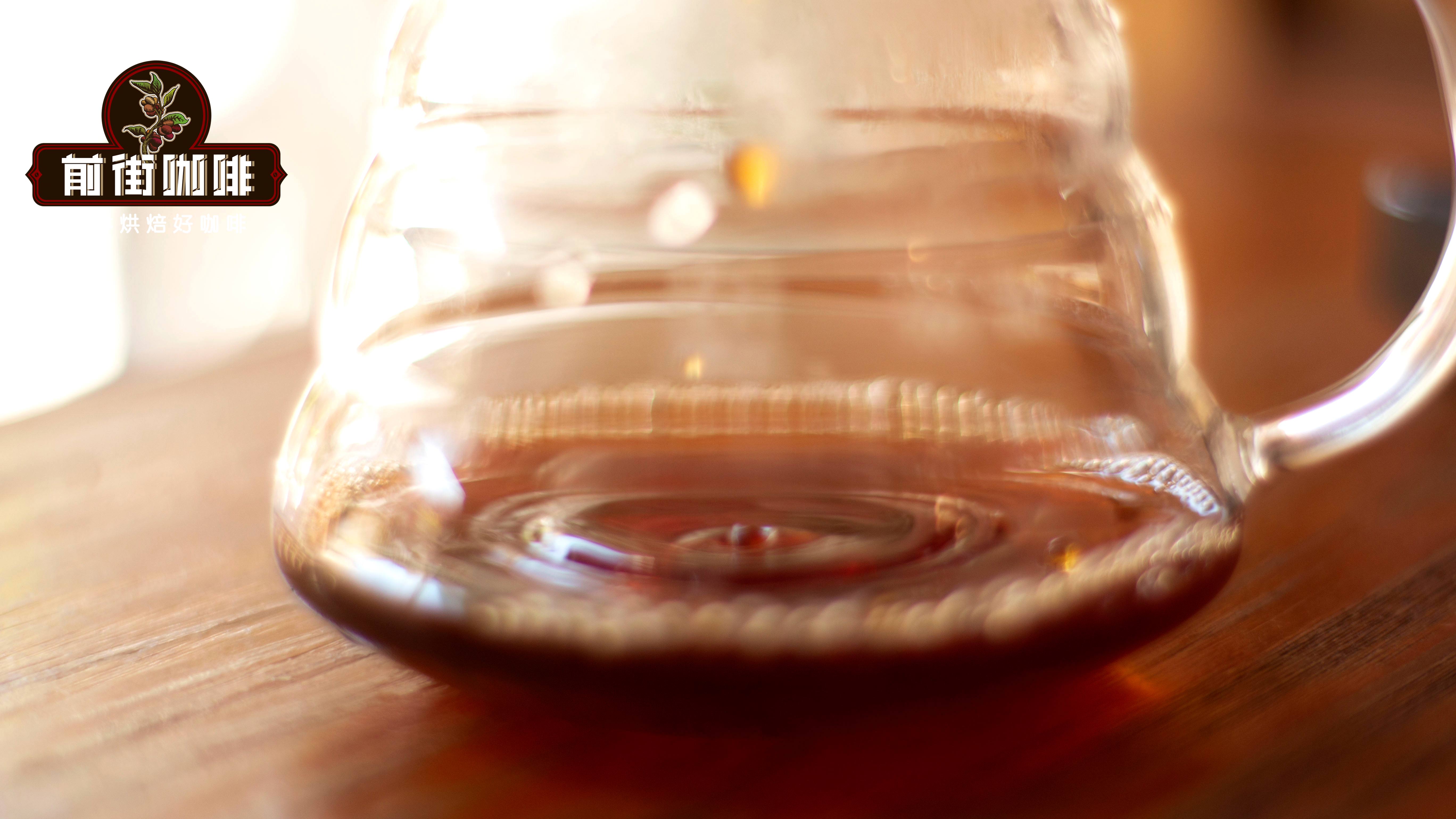
Finally, swirl the coffee liquid in the server to mix it evenly, and then you can begin tasting this pour-over Golden Mandheling. The brewed Mandheling has aromas of spices, dark chocolate, nuts, caramel, and pine on the entry, with a rich yet clean mouthfeel, obvious sweetness returning, and a lasting finish.
The above content is compiled by CoffeeHunters, a coffee news website.


