







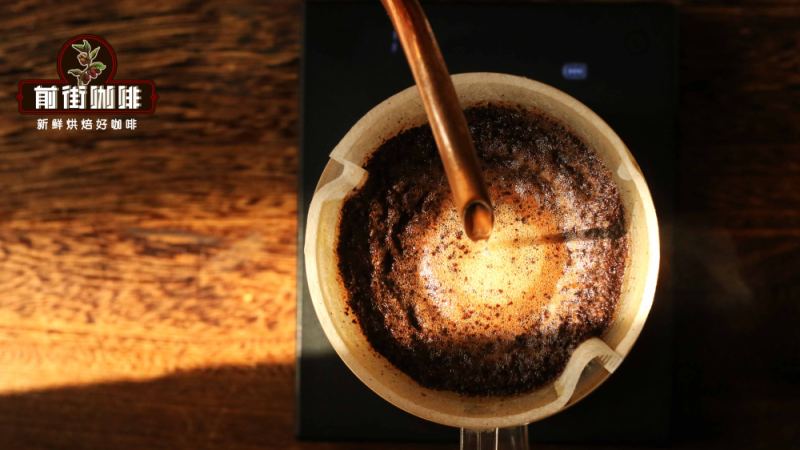
Why does pour-over coffee turn out weak and watery?
Pour-over coffee tastes weak and watery for two separate reasons: under-extraction and too low a concentration. Under-extraction leaves the sweetness and body behind in the grounds, while low concentration simply means too much water for the amount of coffee, so the cup reads thin even when extraction is correct.
The fix starts with the beans themselves, since a coffee enthusiast who prefers a rich, low-acid cup should pick medium-dark to dark roasts with high body rather than delicate medium-light lots. From there, adjust grind size, water temperature, coffee-to-water ratio, and brew time one at a time to raise either extraction or concentration without overshooting.
Many coffee enthusiasts have encountered the situation where pour-over coffee tastes weak and watery, and even experienced veterans find it hard to avoid completely. There are two main reasons coffee turns out too weak: one is under-extraction, and the other is too low a concentration. Starting from Front Street Coffee's brewing experience, this article will first help you determine whether the coffee beans you've chosen match your taste preferences, then take a deeper look at how under-extraction and low concentration each manifest and what causes them, and offer specific adjustment ideas for parameters like grind size, water temperature, coffee-to-water ratio, and brewing time. As long as you understand the underlying logic of extraction, whether your coffee is too strong or too weak, you can quickly pinpoint the problem and fix it.
For more specialty coffee knowledge, please follow our WeChat official account: Front Street Coffee (FrontStreet Coffee)
It's actually very common for brewed coffee to be sometimes too strong and sometimes too weak. This isn't just true for beginners new to pour-over; even veterans who've been navigating the coffee world for years will inevitably brew a cup that doesn't match their expectations. So beginners really don't need to worry—this is an entirely normal situation.
Compared to coffee that's too strong, coffee that's brewed too weak and watery is a pitfall that many beginners are more likely to fall into. So how should you adjust when this happens? It's fine if you're not sure—today Front Street will talk about exactly what causes brewed coffee to taste weak and bland, and what the corresponding solutions are.
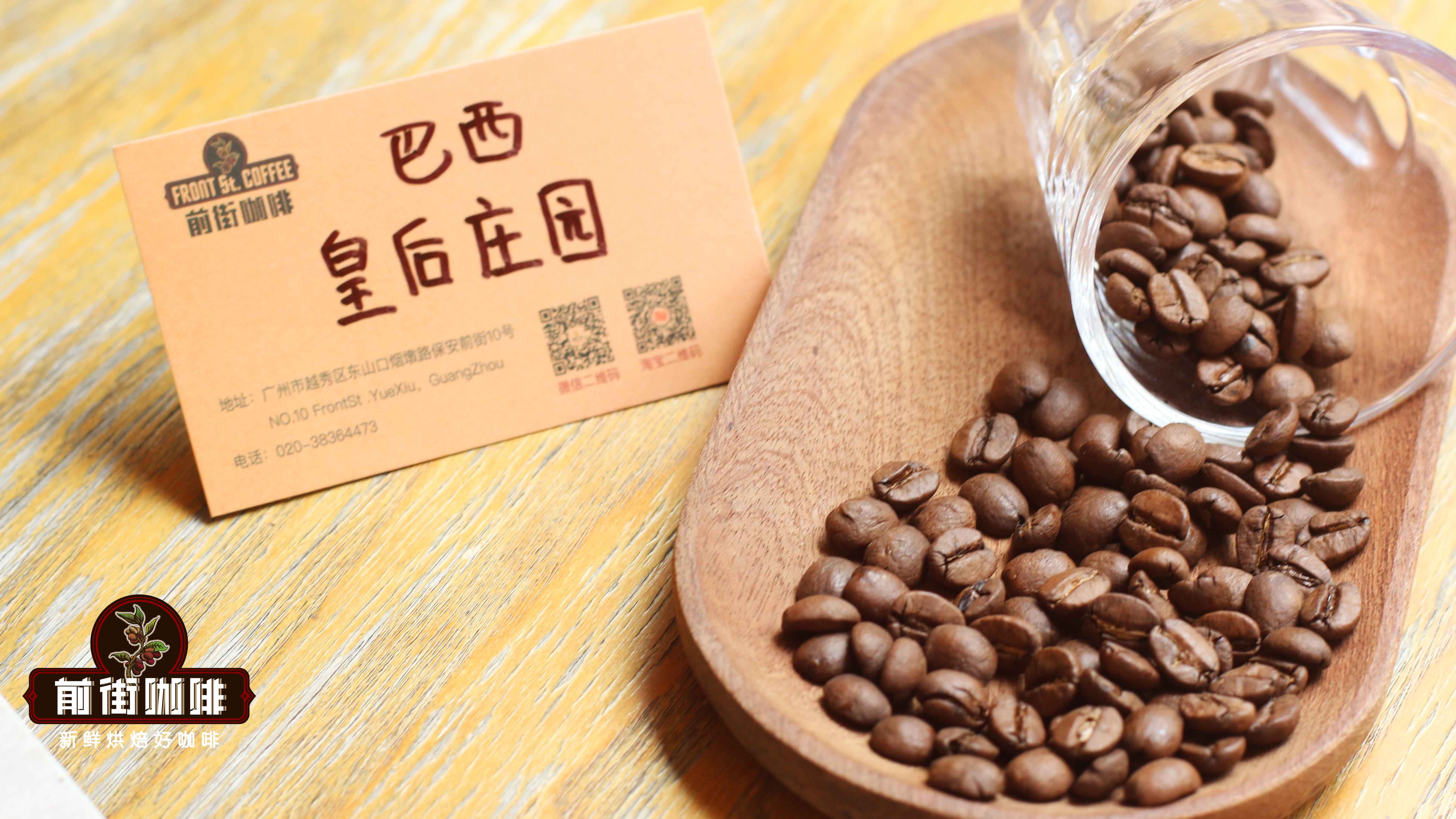
The first step is to confirm whether the coffee beans you bought are actually your cup of tea. If you personally prefer a rich, low-acid style, you should prioritize medium-dark to dark roasts with high body. We recommend single-origin coffees with a heavy mouthfeel like Front Street PWN Golden Mandheling, Front Street Queen's Estate, and Front Street Blue Mountain No. 1—not only is the quality excellent, but the nutty, caramel, and chocolate flavors are quite alluring.
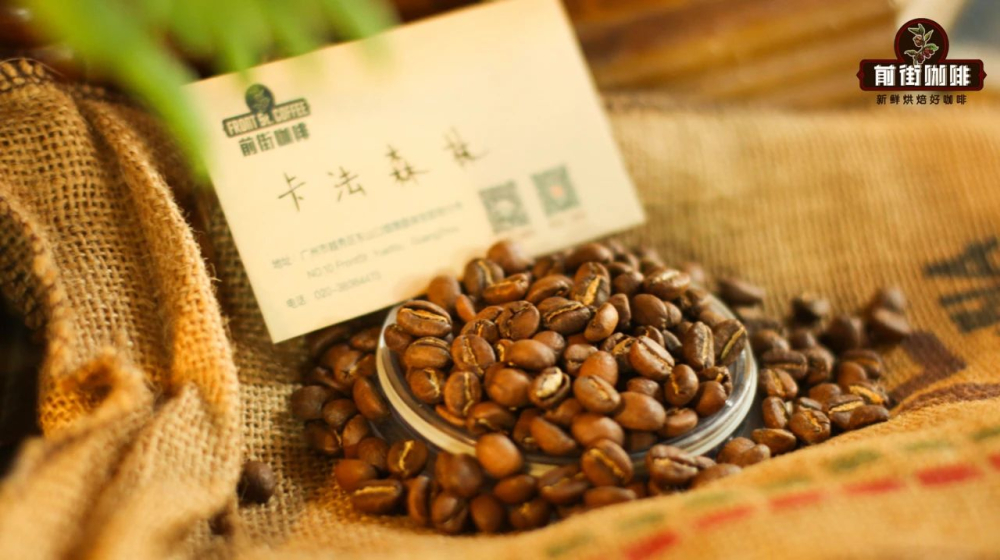
But if you prefer a more delicate, aromatic flavor profile, then choose medium-light roasts like Front Street Rwanda Red Bourbon, Front Street Kafa Forest, and Front Street Yirgacheffe, which let you taste elegant floral and fruity notes. However, if you still can't bring out the coffee's flavors and it tastes weak overall, then it's most likely a problem in the extraction stage.
Why does brewed coffee taste weak?
When you feel a cup of coffee tastes weak, it means there are too few substances in the cup to support sufficient flavor expression, resulting in the unpleasant experience of a hollow taste and obvious wateriness. There are two factors causing this. The first is what we commonly call "under-extraction."
Under-extraction
When brewing coffee, we usually apply an extraction formula matched to the beans. Because not all the substances present in coffee are pleasant, we need to control parameters to limit the release of those unpleasant substances.
Parameters like time, grind size, water temperature, and coffee-to-water ratio are the key things we need to control. They work in concert and none can be missing, providing different extraction efficiencies from different dimensions during the brewing process, so that water as the solvent can dissolve the flavor substances appropriately and in the right amount.

If any one parameter in this formula deviates, it will directly affect the overall extraction efficiency, causing the water as solvent to fail to extract enough substances. Because there are too few substances, the coffee ends up with flavors that don't stand out and a taste that isn't clear—this is what we commonly call "under-extraction." Under-extracted coffee, besides being weak, may also come with negative experiences like saltiness and astringency.
This kind of problem is actually quite easy to solve—you just need to find the factor affecting extraction and correct it. Front Street still recommends using time as the basis for judgment.
For example, Front Street brews 15g of coffee beans, hot brew, with brewing time set at around 2 minutes. When the actual brewing time is far below two minutes (a difference of more than 10 seconds), it's very likely caused by grinding too coarse—in that case, adjusting the grind finer will correct the under-extraction. And if the time exceeds two minutes but it's still weak, it's very likely caused by water temperature being too low—in that case, appropriately raising the water temperature will improve the under-extraction. (Note: Everyone uses different equipment and coffee doses. Front Street's extraction time here is based on the equipment and dose we use, so 2 minutes is for reference only.)
But if the grind or water temperature is in a state that can't be adjusted, in that case we can compensate for the missing extraction efficiency by increasing other parameters. For instance, if the grind is too coarse but it's pre-ground or the grinder can't go any finer, then you can choose to raise the brewing water temperature, or extend the extraction time (pulse pouring and the dripper can both solve this), to achieve a higher extraction yield and reduce the impact of insufficiently fine grinding. The same principle applies to similar situations in other aspects.
Concentration too low
Another situation that can cause coffee to taste weak is "concentration too low," which is still different from under-extracted coffee. As Front Street mentioned in yesterday's article, because the flavor substances in coffee are limited, when we use too much hot water to extract, not only will it bring out unwanted substances like off-flavors, but it will also dilute the coffee's concentration. There are only so many substances—the more water you add, the more diluted and weaker it becomes.
(The image compares coffees extracted with 1:17 and 1:15 coffee-to-water ratios respectively. You can clearly see that the coffee on the right is stronger because it has less water and its color is darker. The coffee on the left, because it has more water, has its concentration diluted, resulting in a lighter color.)
This situation isn't hard to solve either. First taste the weak cup of coffee and see whether there's any over-extraction, that is, whether the coffee has any off-flavors or obvious bitterness. If there is, then we can simply reduce the coffee-to-water ratio to correct the weak result. For example, reducing 1:17 to 1:15—no need to worry about whether the extraction needs to be corrected.
But if the coffee has no off-flavors or bitterness, it means that while correcting the coffee-to-water ratio, we also need to improve the extraction efficiency of the coffee's other parameters. Otherwise, after shortening the coffee-to-water ratio, the extraction time will decrease accordingly.
Time is also an important member of the extraction formula. When using a 1:17 coffee-to-water ratio, if the coffee shows no negative flavors like off-flavors or astringency, it means that the 1:17 ratio combined with the other parameters gives an overall extraction efficiency that is just right. At this point, if you directly adjust the coffee-to-water ratio, it means the extraction efficiency will decrease, and the coffee will be prone to under-extraction. So you need to improve the extraction parameters in other aspects to make up for the extraction efficiency.
Overall, we need to understand the underlying logic of coffee extraction. As long as you've thoroughly grasped the extraction logic, then no matter what condition your brewed coffee ends up in, you can immediately find where the problem lies and correct it in time—whether it's too strong or too weak.
The above content is compiled by CoffeeHunters, a coffee news website.


