







Search Results for: re-extraction
Can Underextracted Pour-Over Coffee Be Rebrewed? A Detailed Explanation of the Four Key Parameters Affecting Flavor
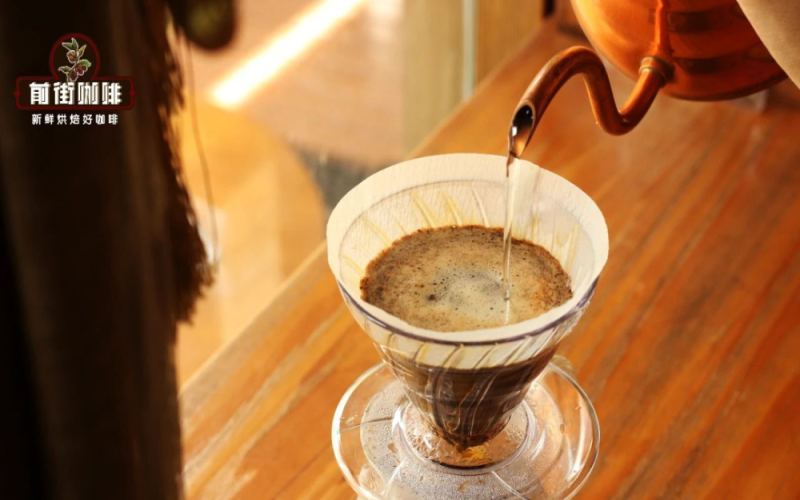
An under-extracted pour-over coffee often has low concentration and bland flavor, leaving people unsure how to fix it. Over-extraction can still be solved by adding water to dilute it, but under-extraction is tricky. Front Street Coffee started from an interesting experiment and actually tested whether pouring some of the brewed coffee back onto the coffee bed for re-extraction is feasible. This article not only verifies the practical effect of this method, but also deeply analyzes the key influence of the four major extraction parameters—water temperature, grind size, ratio, and time—on flavor, helping coffee enthusiasts find a feasible corrective approach when brewing goes wrong, while also reminding everyone: rather than fixing it afterward, it is better to brew it right from the start. [more…]
A Complete Guide to Drip Bag Coffee Brewing: Is Blooming Necessary, Can You Re-Extract, and the Reasons Behind No Foam
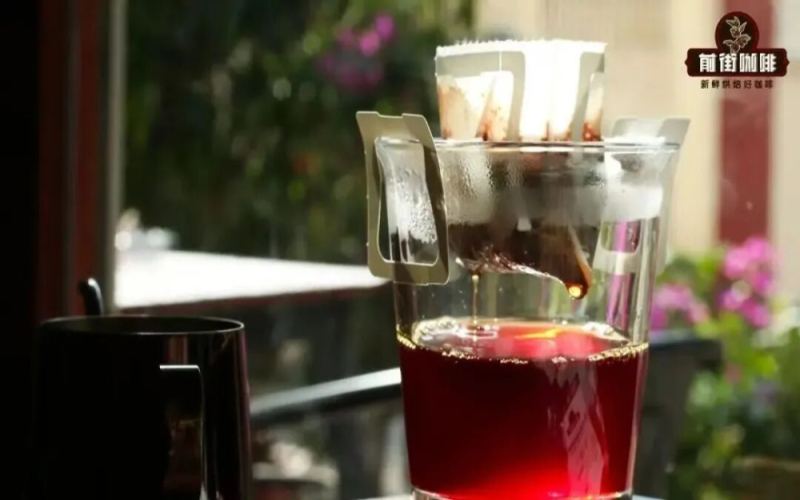
Drip bag coffee, with its convenience and high cost-performance ratio, has become the daily freshly brewed coffee of choice for many people. But with the same drip bag, some brew it so weak it tastes like water, some end up with bitterness, while others can produce something close to pour-over quality. Where exactly does the difference lie? This article addresses the most commonly asked questions about brewing drip bag coffee: precautions for hanging and pouring, whether a gooseneck kettle is necessary, whether the first pour needs a bloom, why the second pour produces no foam, whether the grounds can be extracted twice, and the common reasons the taste comes out too weak. It also incorporates the fresh-roast characteristics of Front Street Coffee drip bag coffee to offer specific operational advice, helping you improve your drip bag coffee brewing on all fronts. [more…]
Can French Press Coffee Be Re-Extracted? Yirgacheffe Flavor Guide and Brewing Parameters
The French press is a coffee brewing device that is simple to use and requires no electricity or paper filters, making it especially suitable for busy office workers. This article discusses whether a French press can be used for multiple brews, the flavor characteristics of Yirgacheffe beans, and the specific brewing steps and coffee-to-water ratio. Front Street Coffee's Gutingding Yirgacheffe is chosen as the demonstration bean, with recommended parameters for two servings, including grind size, water temperature, and steeping time, to help coffee enthusiasts consistently make a cup of French press coffee at home that is layered and complex, with jasmine floral notes and citrus tones. [more…]
How to Fix Under-Extracted Coffee? Detailed Adjustment Methods for Pour-Over, French Press, and Cold Brew Re-Brewing
Brewing a cup of coffee that's sharply sour, weak, and thin-bodied—it's a shame to pour it down the drain, but drinking it is torture. This time, Front Street Coffee won't talk about parameter adjustments, but instead share a practical idea for rescuing a coffee that's already gone wrong: pour the coffee back and re-extract it, boosting the extraction yield to make up for the flavor and strength. The article will address both drip and immersion brewing methods separately, explaining the specific steps, the conditions under which this works, and the cases where it doesn't apply, such as iced brewing and pressure extraction, to help you salvage an under-extracted coffee as much as possible. [more…]

Can Espresso Be Extracted Twice After an Interrupted Shot? Testing the Impact of Split Extraction on Flavor and Strength
If you mistakenly press the stop button during espresso extraction before reaching the target yield, can you simply press it again to continue extraction? This article compares three espressos—normal extraction, mid-extraction stop-start, and stop-start near the final phase—to analyze how segmented extraction affects the color, flavor, and concentration of the coffee liquid. Front Street Coffee uses the Warm Sun blend, testing with 20g of grounds extracted to 40ml at a 1:2 brew ratio, to reveal why under pressurized extraction, changes in the puck structure cause an overly fast flow rate and under-extraction during a second extraction, along with operational recommendations. [more…]
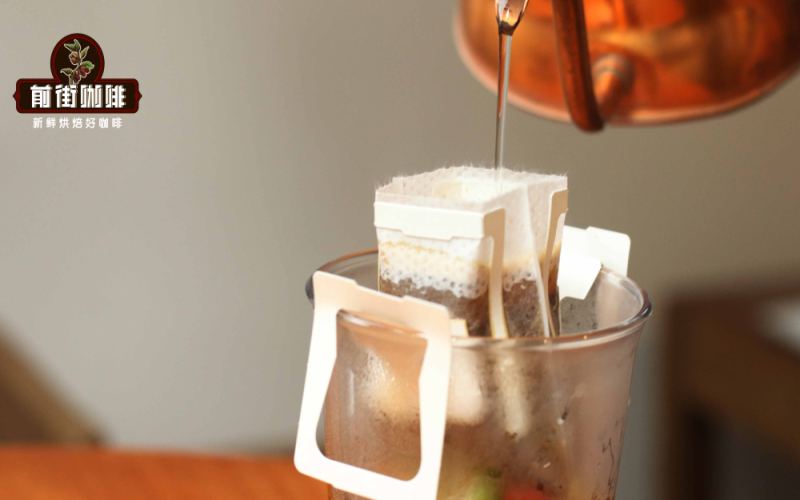
Can Drip Bag Coffee Be Reused for Multiple Brews? Analyzing the Fundamental Differences Between Coffee and Tea Through the Dissolution Characteristics of Chlorogenic Acid
Drip bag coffee, with its convenience and high cost-performance ratio, is attracting more and more people with no coffee-making experience to give it a try. Front Street Coffee's Fruit Dding Ding, Huakui, and Yirgacheffe suit those who prefer floral and acidic notes, while Mandheling, Huilan, and Blue Mountain are better suited to those who pursue a rich, full-bodied taste. However, beginners often run into all kinds of questions in practice, and one frequently mentioned topic is: how many times can a single drip bag actually be brewed? This article will focus on the release patterns of coffee solubles, with emphasis on explaining the role chlorogenic acid plays in extraction, clarifying why coffee, unlike tea leaves, cannot be brewed repeatedly, and why re-extraction after a normal brew is not recommended, helping enthusiasts build a clearer understanding of extraction. [more…]
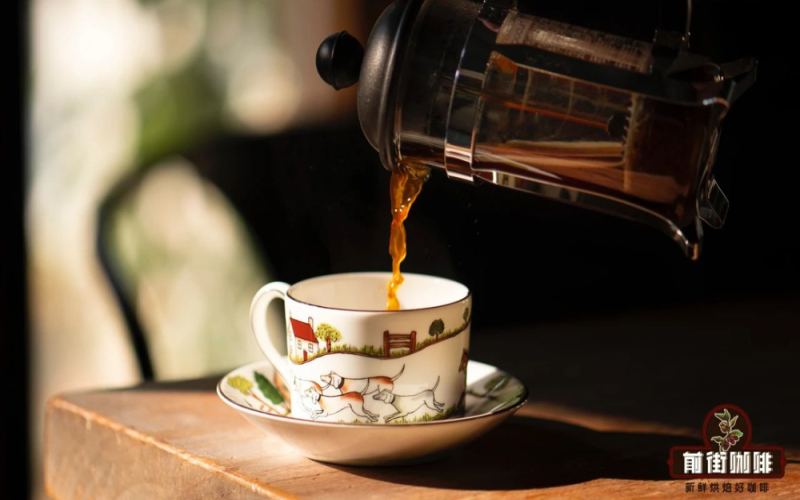
A Comprehensive Comparison of the French Press and the AeroPress: Extraction Principles, Brewing Performance, and Their Respective Advantages
The French press and the AeroPress are both easy-to-use, beginner-friendly coffee brewing devices. Both have the word "press" in their names, yet their extraction logic is completely different. The French press relies on a long steep and a metal mesh filter to separate the coffee grounds, giving a balanced, full-bodied cup; the AeroPress combines immersion, paper filtration, and air pressure for a richer layering of flavors. This article compares the two step by step—from their construction and extraction principles to how they brew the same Front Street Golden Mandheling—to help you decide which one better suits your daily brewing habits. [more…]
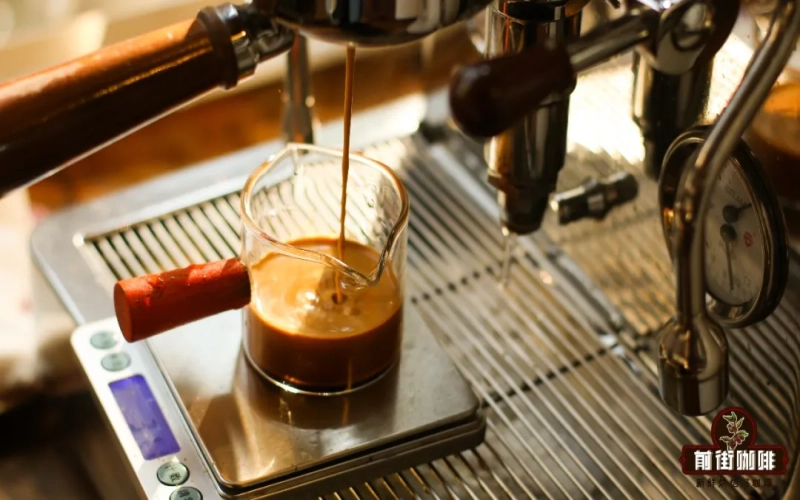
Can Overnight Refrigerated Espresso Still Be Drunk? A Taste Test of Flavor Differences Between Refrigeration and Freezing
If the brewed espresso isn't finished on the same day, can it be safely stored in the fridge or freezer overnight and still be enjoyed the next day? Beyond food safety concerns, what coffee lovers really care about is whether the flavor will take a serious hit. Front Street Coffee used the same espresso blend, storing espresso in the refrigerator and freezer overnight respectively, then comparing them with freshly brewed espresso—tasting each as straight espresso, Americano, and milk coffee—to see just what overnight coffee turns into, and how big the gap is between freezing and refrigerating. [more…]
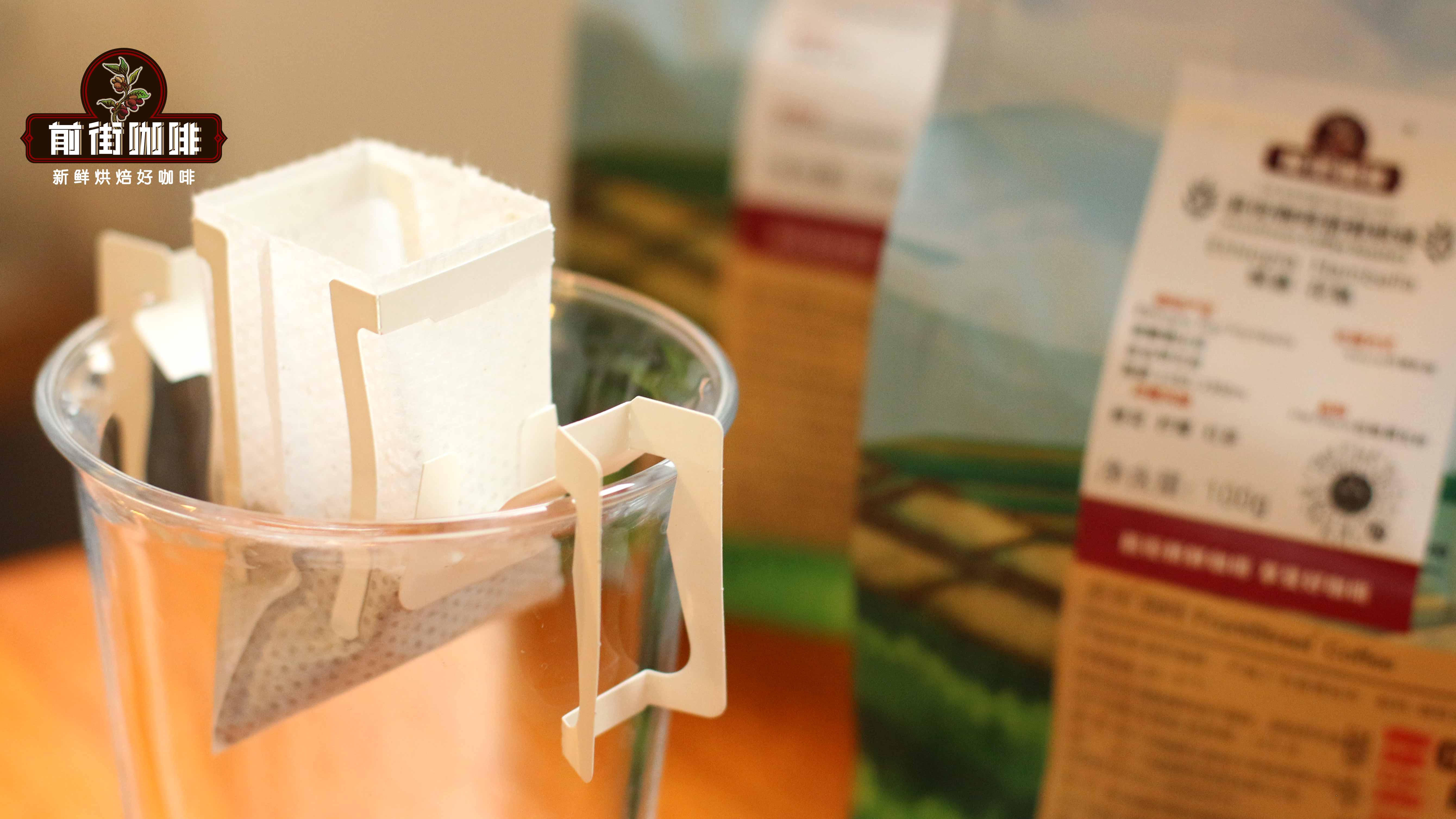
How Many Times Can You Brew Drip Coffee? Can You Add Milk If It's Too Bitter? A Detailed Guide to the Five Correct Steps for Brewing Filter Drip Coffee
Filter bag coffee has become a popular choice for outdoor and travel thanks to its portability, but brewing details are often overlooked. This article outlines the five standard brewing steps for drip bag coffee, explaining everything from tearing open the packet and hanging it on the cup, to water temperature control and the water-to-coffee ratio, and answers two common questions: whether drip bag coffee can be re-brewed multiple times, and whether milk can be added to balance it out when the bitterness is pronounced. It also combines the product characteristics of Front Street Coffee's drip bags to offer purchasing suggestions for different flavor preferences, and shares ideas for reusing coffee grounds, helping coffee lovers find a balance between convenience and taste. [more…]
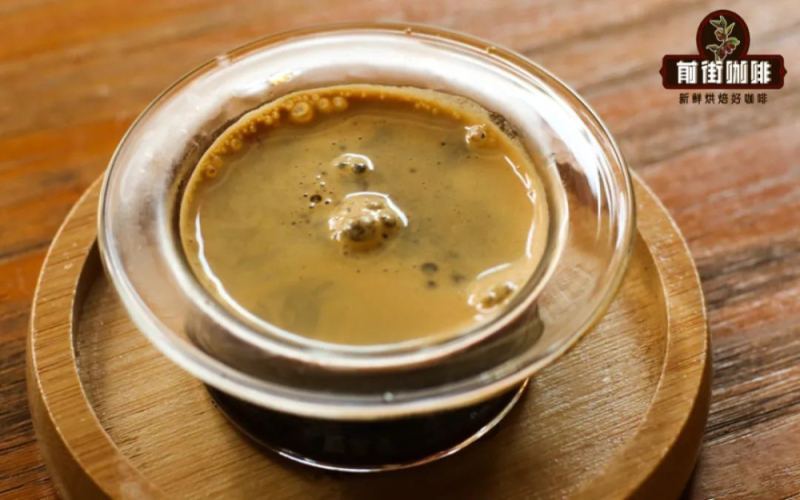
A Complete Analysis of the Causes of Thin Espresso Crema, Large Bubbles in Crema, and Bland Flavor, and Grind Adjustment
When making espresso, have you ever encountered thin crema, large bubbles floating on the surface, or a weak-tasting shot? The root cause of these problems often points to the same variable—grind size. Grinding too coarse speeds up the flow of hot water and shortens the contact time between water and coffee grounds, which not only under-extracts the flavors but also causes the force of the liquid stream to whip air into the espresso, forming large bubbles. In addition, improper storage of coffee beans leading to the loss of carbon dioxide and aromatic compounds, or switching to beans with a different roast level without recalibrating the grind, can likewise trigger similar symptoms. This article will break down these causes one by one and provide specific grind adjustment methods and formulas to help you once again extract espresso with rich crema and full-bodied flavor. [more…]
An Analysis of the Seven Major Pour-Over Coffee Schools: A Full Comparison of Brewing Techniques Including the One-Pour and Three-Pour Methods
The charm of pour-over coffee lies not only in the flavor itself, but also in the ever-changing brewing techniques. In coffee enthusiast circles, there are seven major brewing schools: volcano pour, meteor pour, one-cut pour, three-cut pour, tamped pour, stirring method, and drip pour. Except for the drip pour, all the other methods use circular pouring. Each school has its own unique extraction logic and flavor orientation—some pursue layering, some emphasize sweetness, and some are better suited for enthusiasts to explore. This article breaks down the key operational points, pros and cons, and suitable scenarios for each method one by one, and includes practical advice from Front Street Coffee to help you find the style that suits you best in your daily brewing. [more…]
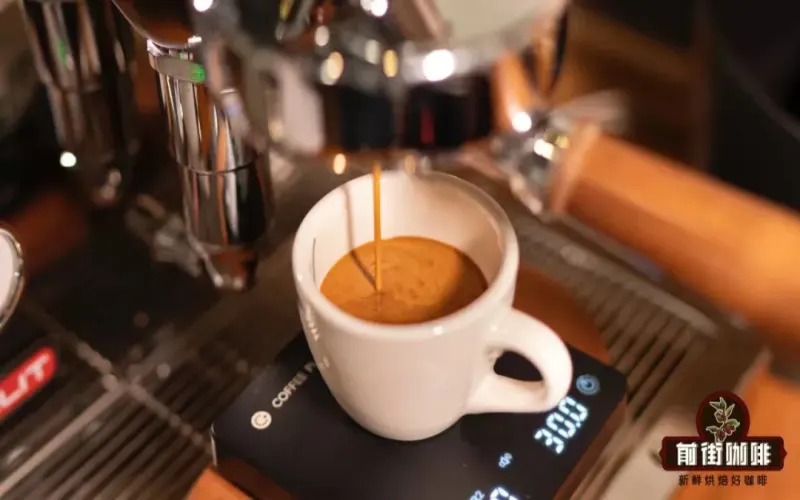
Is it OK to pause and resume an espresso shot mid-extraction? Testing how different resume points affect concentration and flavor
When pulling espresso, you occasionally get distracted and stop before the liquid weight reaches the target. Can you press the brew button again to make up the missing amount? Front Street ran a set of controlled experiments using its own Front Street Strawberry Candy · Espresso: first, a normal espresso was made, then extraction was cut off at one-half, two-thirds, and four-fifths of the target liquid weight and restarted, and a refractometer was used to measure and compare the flavors. The results showed that the earlier the extraction was cut off, the greater the gap in concentration and extraction yield, and the thinner the mouthfeel. The reason is related to changes in puck resistance under pressurized extraction. If you have also encountered the situation of cutting off and then topping up the shot, this hands-on test can give you clear operating advice. [more…]
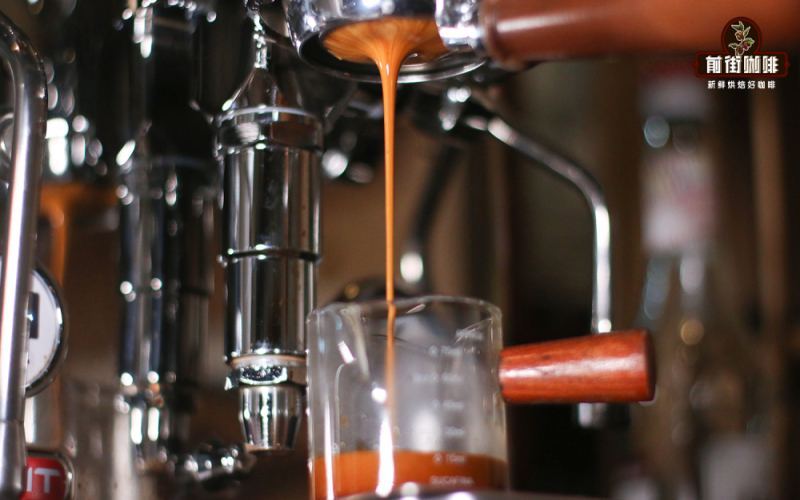
Why Can't Espresso Be Repeatedly Extracted? Explaining the Key to Standard Extraction Time and Coffee-to-Water Ratio
Espresso extraction is a discipline that lives in the details—from the dose-to-yield ratio and grind size to extraction time and flow rate, every variable directly shapes what ends up in the cup. Drawing on the bar experience at Front Street Coffee, this article explains the principles behind espresso extraction, why coffee grounds cannot be extracted a second time, and how pressure and water temperature create that signature layer of crema. It also introduces four Front Street espresso blends suited to different flavor preferences, helping coffee lovers find a stable and delicious espresso recipe for everyday brewing. [more…]