







Search Results for: three-step grinder adjustment method

How do you adjust the grind setting on an espresso grinder? Master the three-step grind adjustment method to easily fix the taste of your espresso.
Every day the coffee bean condition and weather change, and the espresso's flavor fluctuates along with them, so quickly dialing in a good espresso has become a daily must-learn lesson for baristas. Starting from actual production, this article explains how to judge whether extraction is under or over by tasting, and how to make targeted adjustments using the three variables of grind setting, dose, and liquid yield. Using a 1:2 coffee-to-water ratio and a 30-second extraction time as the baseline, Front Street Coffee shares the specific operating steps of the three-grind adjustment method combined with the flavor performance of classic blend beans, helping coffee enthusiasts find ideal parameters with only a small amount of wasted beans. [more…]
How to Choose Nutty and Chocolatey Coffee: A Three-Step Screening by Taste, Equipment, and Budget
Change the brewing device, and the same coffee beans will perform noticeably differently: pour-over emphasizes aroma and clarity, espresso machines emphasize intensity and sweetness, and the moka pot emphasizes the balance of pressure, heat, and the coffee bed. Only by factoring the brewing device into bean selection and then adjusting the parameters according to the roast level can you call the process complete. Dark roasts shift the flavor focus toward cocoa, dark [more…]

How Do You Make Starbucks Iced Shaken Espresso? A Complete Three-Step Tutorial to Recreate Fancy Iced Coffee
On a sweltering summer day, a layered iced specialty coffee always turns heads. Starbucks' Iced Shaken Espresso, with its striking three-layer look of dark brown espresso, milk-tea-colored milk, and fluffy coffee foam, has become the top choice for many coffee lovers to recreate at home. This time, Front Street Coffee will walk you through the making logic of this drink: use espresso with ice cubes and vanilla syrup, shake it in a cocktail shaker to whip in air and build a thick foam layer, then pour in oat milk through the layers to create a unique texture where grain and coffee intertwine. From ingredient preparation to extraction parameters, shaking technique, tasting the finished drink, and ideas for flavor variations, this article restores the complete process step by step, so you can easily make your own refreshing yet rich Iced Shaken Espresso at home. [more…]

How to Quickly Correct Espresso Flavor? Master the Core Techniques of Espresso Extraction Parameters
Every day the coffee bean condition and the weather keep changing, and the taste of espresso fluctuates along with them. Morning-shift baristas must learn to adjust parameters quickly to keep the output consistent. This article takes a practical approach and teaches you how to judge under-extraction or over-extraction through tasting, use the three variables of dose, grind, and liquid yield, and combine Front Street Coffee's classic blend with its 1:2 coffee-to-water ratio and 30-second extraction formula to dial in the ideal espresso with the three-grind adjustment method or even fewer attempts, reducing waste and saying goodbye to the misery of endless dialing until your head spins. [more…]
How Should You Drink Espresso Blend Coffee Beans? A Detailed Guide to Espresso Flavor, Mouthfeel, and Tasting Methods
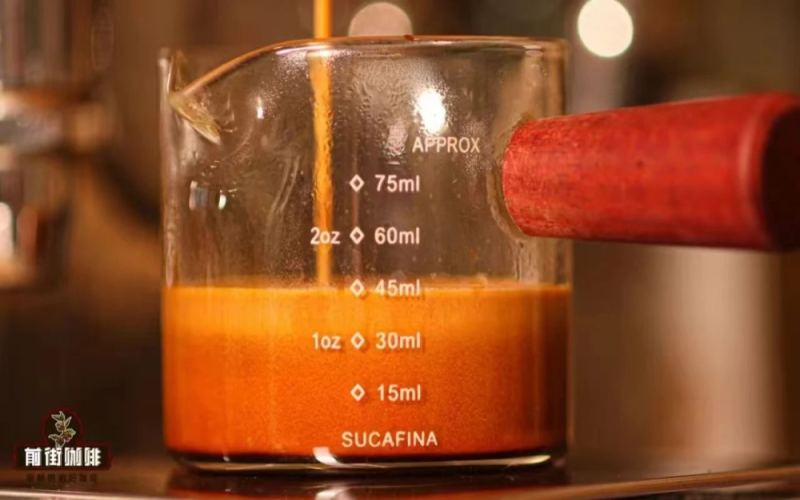
Espresso is called the soul of coffee—rich and intense, yet it makes many people hesitate. In fact, as long as you master the correct way to taste it, you can appreciate its captivating notes of nuts, caramel, and chocolate. From the perspective of Front Street Coffee, this article introduces the aroma, crema, and mouthfeel characteristics of espresso, explains the three-step tasting method of smelling, observing, and drinking, and analyzes the flavor changes of different ways of drinking it, such as adding water or milk. It also breaks down in detail the producing regions, roasting approach, and extraction performance of two beans—Front Street Espresso Specialty Blend and Front Street Espresso Commercial Blend—to help coffee lovers choose the right beans and understand espresso. [more…]
How to Determine the Espresso Grind Setting? A Quick Adjustment Approach from Under-Extraction to Over-Extraction
Every morning, the first hurdle a barista faces is often not latte art, but getting the taste of espresso back on track. Coffee bean conditions and weather are constantly changing, and extraction results fluctuate accordingly. How can you find the right grind setting using the fewest beans and the shortest time? This article starts from taste, first determining whether the espresso is under-extracted or over-extracted, then uses a 1:2 coffee-to-water ratio and an extraction time of about 30 seconds as the baseline framework, correcting flavor through fine adjustments to the grind size. The article also uses Front Street Classic Blend as an example to fully demonstrate the three-step dialing process—from 23 seconds of sharp acidity to 31 seconds of balance, then fine-tuning the yield to finish—helping readers build a reusable debugging logic. [more…]

How to Choose Coffee Beans for Iced Americano? From Blends to SOE, Understanding the Bean Differences Between Espresso and Americano
Americano looks simple—espresso diluted with water—but choosing the right beans is where flavor begins. This article explores the types of beans used for Americano, clarifies the difference between blends and SOE, and introduces Front Street Coffee's corresponding beans and brewing parameters one by one according to three flavor directions: bright and acidic, rich and full-bodied, and balanced. Whether you want a refreshing fruity Americano or an iced Americano with intense cocoa notes, you can find a suitable option here. At the end, a three-step tasting method is included to help you fully experience a cup of coffee's layers, from aroma and appearance to the first sip. [more…]
Learn Pour-Over from Scratch: Seven Core Elements, Extraction Principles, and a Full Brew Guide for Huakui 8.0
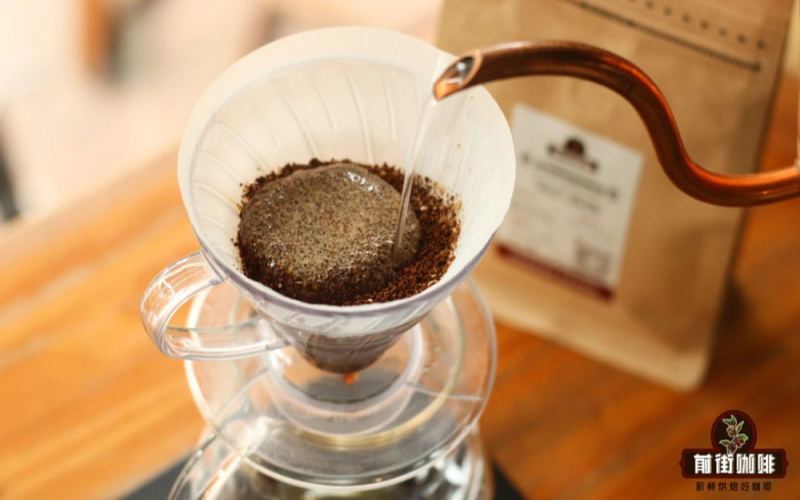
As specialty coffee becomes increasingly popular, pour-over—a brewing method that showcases the bean's true flavors—has attracted a large number of beginners. But faced with a bewildering variety of equipment and techniques, many people don't know where to start. Based on Front Street Coffee's hands-on experience, this article systematically sorts out the seven key elements of pour-over coffee—from bean freshness, grind size, water temperature and water quality, to dripper selection, coffee-to-water ratio and brewing time—and explains in depth the three-step extraction principle of wetting, dissolution and diffusion. Finally, using Ethiopia natural Hachira 8.0 as an example, it fully demonstrates a Front Street Coffee barista's brewing process and flavor表现, helping beginners build a clear pour-over framework. [more…]

Iced Latte Making Guide: A Full Breakdown of Milk-to-Coffee Ratios, Ice Amounts, and Key Operational Points
Iced latte may seem like it only takes three steps—add ice, pour milk, add coffee—but if you want to make a flavor that rivals a coffee shop's, there are quite a few details involved behind the scenes. This article unfolds from three dimensions—ingredient selection, milk-to-coffee ratio, and technique—explaining how coffee beans and milk influence the final outcome, and provides reference pairing options with specific data. At the same time, the article also analyzes how factors such as espresso extraction quality and ice melting speed affect the taste, helping enthusiasts understand why the same steps can produce iced lattes with noticeably different results. [more…]
How Long Can an Iced Latte Be Stored? A Full Breakdown of the Standard Latte Ratio and Preparation Details
Iced latte may seem like a simple three-step process—add ice, pour milk, pour coffee—but making a truly delicious iced latte involves much more than meets the eye, from selecting ingredients and getting the ratios right to mastering the operational details. This article will explore three key aspects: choosing coffee beans and milk, pairing milk-to-coffee ratios, and the critical details in the production process, helping coffee enthusiasts understand the flavor control logic behind iced latte. It will also answer a common question: how long can an iced latte be kept after it's made? Using Front Street Coffee's Sunflower Warm Sun blend and Vitasoy fresh milk as examples, the article provides specific parameter references and explains how the espresso extraction state affects the entire drink, making it suitable for those looking to elevate their iced latte-making skills. [more…]
Espresso Tasting Guide: The Causes of Crema and How to Properly Drink Espresso
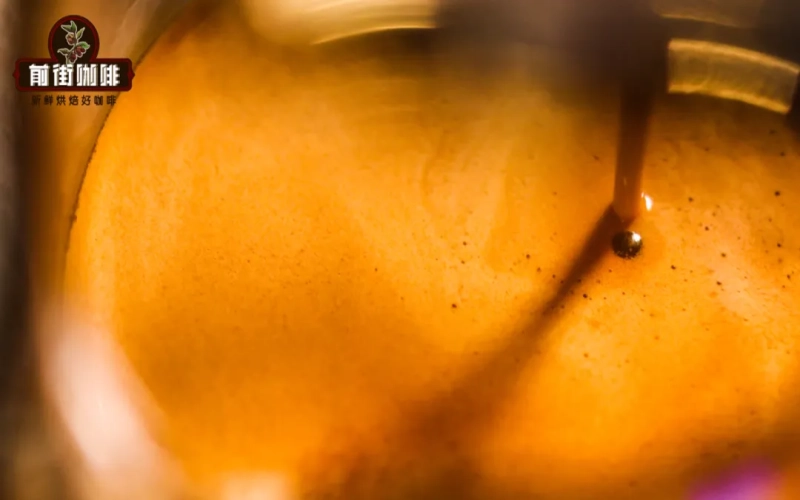
Espresso has long been hailed as the "soul of coffee," yet its intense flavor often intimidates first-time tasters—though once they acquire a taste for it, they discover its unique charm. This small cup of coffee is not merely a beverage but also a touchstone for assessing coffee quality and a barista's skill. Starting from Front Street Coffee's specialty blend, this article analyzes Espresso's extraction parameters and the formation principles behind that golden layer of Crema on the surface, and shares a practical three-step method for appreciating espresso through aroma, appearance, and taste. Whether you are a novice just getting into Italian-style coffee or an enthusiast looking to refine your tasting skills, you will find clear guidance here. [more…]
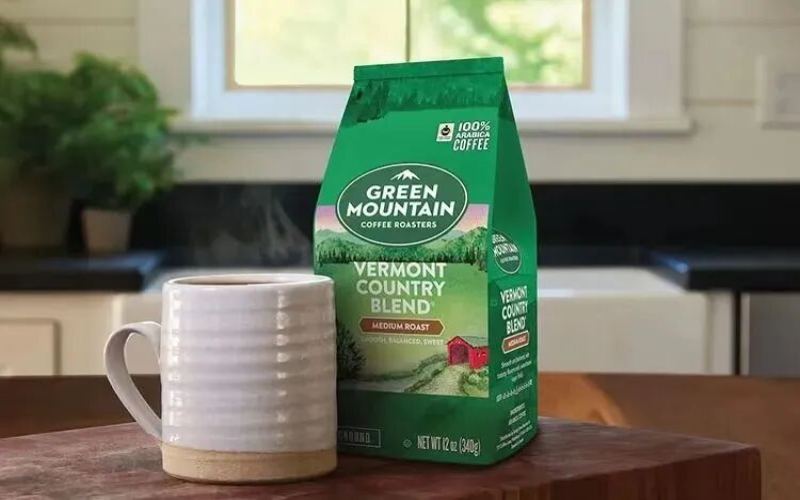
Blue Mountain Coffee | Is Green Mountain Coffee a fake Blue Mountain Coffee? How does Jamaica grade Blue Mountain Coffee? How to identify genuine Blue Mountain Coffee?
Blue Mountain coffee has been famous worldwide since the last century. Today, a brand called "Green Mountain Coffee" has come into the public eye. Many friends have asked Front Street, "Is Green Mountain Coffee riding on Blue Mountain Coffee's coattails?" "Is Green Mountain Coffee a counterfeit of Blue Mountain Coffee?" and similar questions. So Front Street decided [more…]
What Is the Connection Between Green Mountain Coffee and Blue Mountain Coffee? A Clear Guide to the Differences and Blue Mountain Coffee Expertise
Many people, upon first hearing about Green Mountain Coffee, assume it is an imitator of Blue Mountain Coffee, and some readers of Front Street Coffee have even asked whether Green Mountain is a knockoff. In reality, apart from the similar names, Green Mountain Coffee and Blue Mountain Coffee have almost no substantive connection. Green Mountain Coffee is not a coffee bean variety but an American coffee company founded in 1981, known for its K-Cup pods and Keurig coffee machines; Blue Mountain Coffee, on the other hand, is Arabica Typica coffee produced in Jamaica's Blue Mountain region, strictly graded by the Jamaica Coffee Industry Board. This article will separately examine Green Mountain Coffee's business model, Blue Mountain Coffee's history and grading system, key points for purchasing and authentication, and include Front Street Coffee's roasting and brewing recommendations. [more…]
How Does Green Mountain Coffee Differ from Blue Mountain Coffee? A Full Analysis of Grades, Taste Characteristics, and Buying and Identifying Blue Mountain
Green Mountain Coffee has frequently appeared in the public eye in recent years, and many people mistakenly believe it is a knockoff Blue Mountain or some kind of coffee bean. In fact, Green Mountain Coffee is a coffee brand founded in the United States in 1978, which pioneered a new business model with its Keurig coffee machines and K-Cup system. Blue Mountain Coffee, on the other hand, is an Arabica Typica coffee produced in a specific area of Jamaica's Blue Mountains, with strict grading standards and a legendary history. Apart from the similar Chinese translated names, the two have almost no connection. This article will systematically sort out Green Mountain Coffee's brand positioning and business logic, explain in detail Blue Mountain Coffee's producing region definition, grade classification, historical changes, and key points for purchasing and identification, and also include Front Street Coffee's brewing suggestions for Blue Mountain No. 1, to help coffee enthusiasts clarify concepts and make rational purchases. [more…]
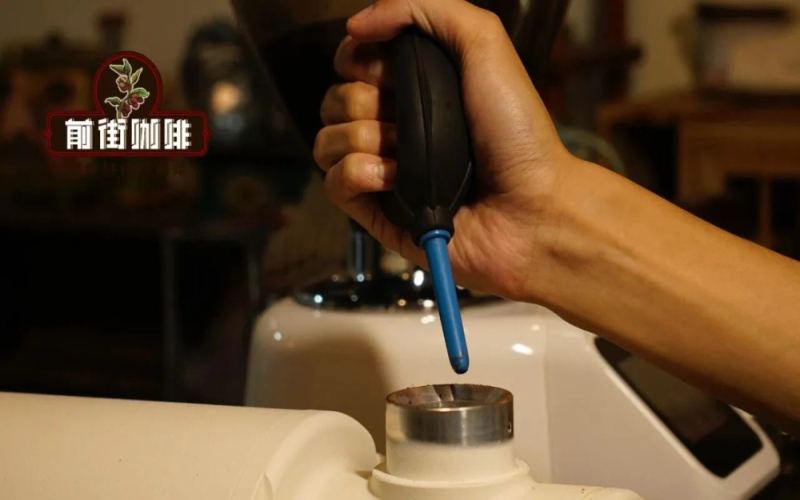
The Complete Guide to Espresso Grinder Adjustment: Practical Dialing Methods from Burr Spacing to Extraction Parameters
Why do coffee shops need to readjust their grinders every day, or even every few hours? The answer lies in the continuous degassing of coffee beans, the slow wear of the burrs, and environmental changes—all of which cause what seems like a fixed extraction recipe to gradually drift away from the ideal state. Drawing on the hands-on experience of Front Street Coffee, this article systematically explains the principles and steps of adjusting the grind setting on an espresso grinder: how to judge whether the grind size is appropriate, how to control extraction time by adjusting the grind setting, the linked relationship between the output volume and grind degree of an electronic grinder, and key details such as puck height and the coffee-to-water ratio. Whether you are a beginner who has just started exploring espresso or a professional hoping to refine your dialing-in skills, you will find practical operational guidance here. [more…]
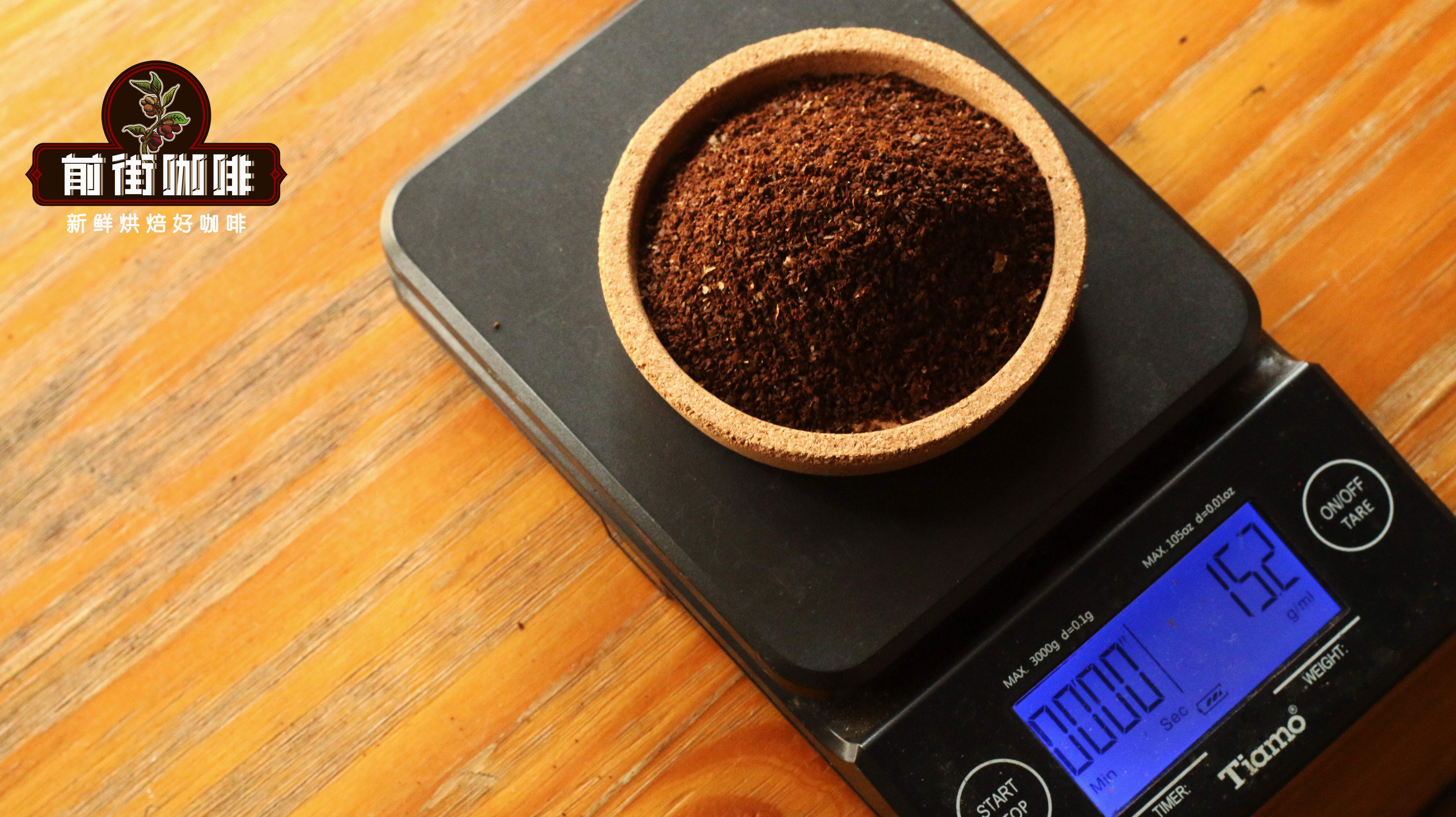
A Detailed Guide to Manual Coffee Grinder Adjustment Methods and Pour-Over Coffee Grind Size Standards
The first step in pour-over coffee often begins with grinding, and manual coffee grinders have become the choice of many enthusiasts due to their cost-effectiveness. But how should a manual grinder be used correctly? And to what degree should the coarseness be adjusted to be appropriate? In this article, Front Street Coffee will systematically explain the structural components, adjustment steps, and operating methods of a manual coffee grinder, and share how to use a 0.80mm standard sieve to determine whether the grind size for pour-over coffee is appropriate. At the same time, it will also sort out the grind coarseness patterns corresponding to different brewing methods, as well as the effects of key parameters such as the coffee-to-water ratio, water temperature, and extraction time on flavor. Finally, using Panama Diamond Mountain coffee beans as an example, it will fully demonstrate a three-pour pour-over process to help readers master the coordination between grinding and brewing in practice. [more…]
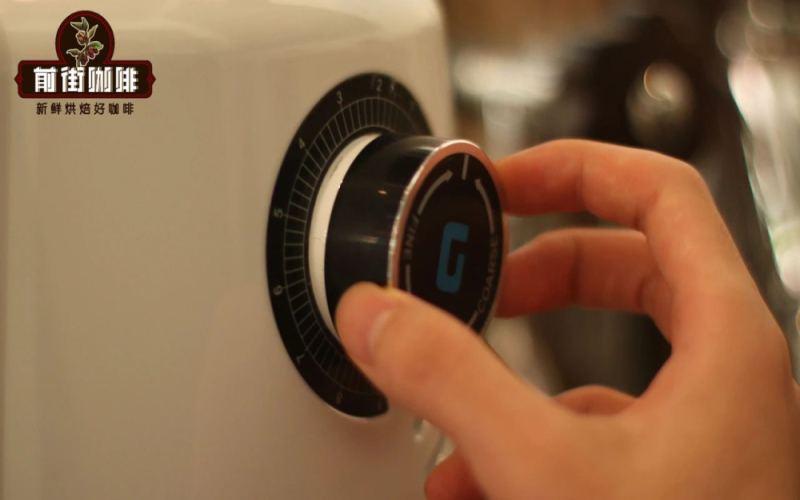
Espresso Grinder Grind Size Adjustment Guide: A Complete Step-by-Step Process from Judging the Powder to Dialing In an Electronic Grinder
To pull a proper espresso, adjusting the grinder's grind setting is an unavoidable daily task. Why do cafes need to adjust the grind so frequently? How does the coarseness of the grounds affect water flow and extraction time? And how do you tell whether the grind is right? This article starts with why grind adjustment is necessary, then breaks down the specific tuning methods for ordinary grinders and electronic grinders, including the linked relationship between dose and grind level, the ideal gap between the puck and the water outlet, and other details, and shares practice ideas for water-to-coffee ratios, to help you consistently recreate a delicious espresso at home. [more…]
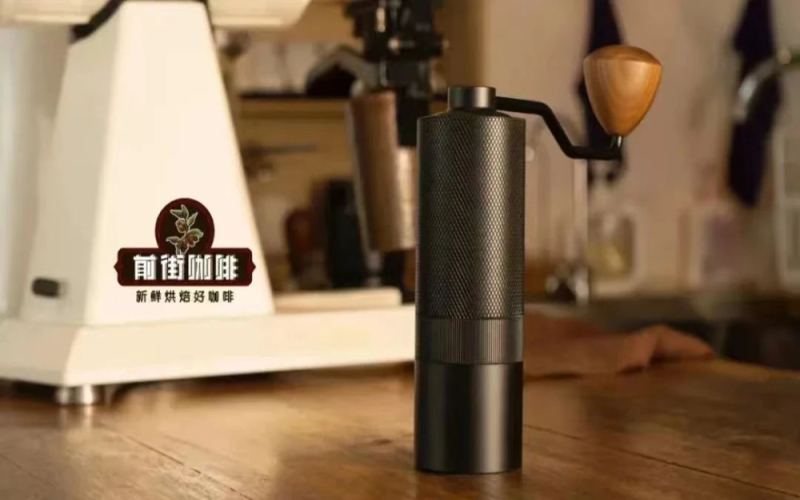
Coffee Grinder Settings Guide: Hand Grinder Disassembly and Pour-Over Grind Standards
Grind size is one of the core variables affecting coffee flavor. This article starts with the structure of a manual coffee grinder, gradually explaining how to disassemble it and adjust the grind adjustment screw, and, combined with the hands-on experience of Front Street Coffee, provides grind size standards for different brewing methods. At the same time, the article also shares a method for judging whether the grind is appropriate using a 0.80 mm standard sieve, as well as reference suggestions for pour-over parameters such as the coffee-to-water ratio, water temperature, and extraction time. Finally, using Panama Diamond Mountain coffee beans as an example, it demonstrates a complete three-stage brewing process to help readers put theory into daily practice. [more…]
A Guide to Adjusting the Grind Size on a Manual Coffee Grinder and a Detailed Explanation of Pour-Over Coffee Brewing Parameters
Want to make a delicious pour-over at home? Controlling the grind size is often the first hurdle. Compared to expensive electric grinders, manual hand grinders have become the top choice for many enthusiasts just starting out, but how to correctly adjust their grind size parameters is something many people aren't clear about. In this article, Front Street Coffee starts with the disassembly steps of a manual hand grinder, explains one by one the relationship between the rotation direction of the adjustment screw and the grinding effect, and provides the grinding standards corresponding to different brewing methods. At the same time, combining variables such as the coffee-to-water ratio, water temperature, and extraction time, we use Panama Diamond Mountain coffee beans for a complete brewing demonstration to help readers build a replicable brewing approach. [more…]
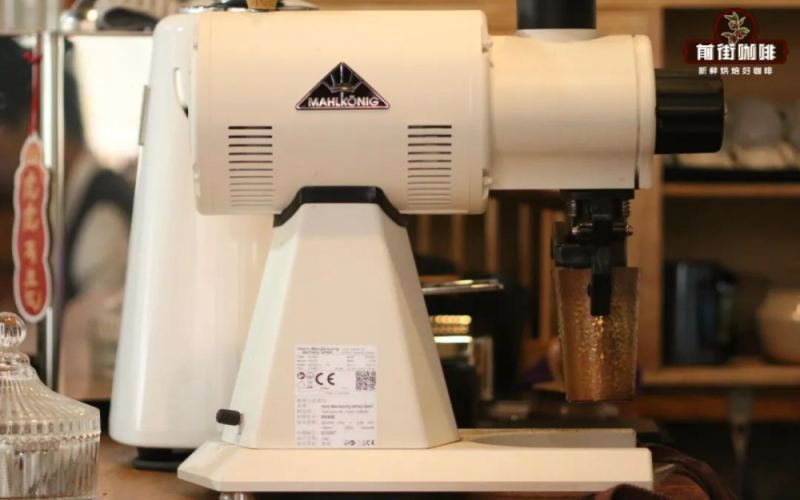
Proper Operation Guide for Electric Coffee Grinders: Practical Tips for Adjusting Dose and Grind Size, and Daily Maintenance Methods
With the growing popularity of home coffee equipment, more and more people are choosing to use a pour-over kettle paired with a small electric grinder to make freshly ground coffee at home. However, using an electric grinder is not simply a matter of plugging it in, turning it on, and dumping in beans—some improper operating habits not only affect the coffee's flavor but can also shorten the grinder's lifespan. Drawing on Front Street Coffee's practical experience, this article shares several key tips for using an electric burr grinder, including "rinsing the burrs" before grinding to avoid flavor transfer, starting the machine before adding beans to protect the burrs, and daily quick cleaning plus periodic deep cleaning as maintenance methods. Whether you are a complete beginner or someone who has been using an electric grinder for a while, these details can help you get the most out of your grinder and keep every cup of coffee tasting consistently good. [more…]